
The Duck’s Digest
How to Choose Pasta: Shapes, Sauces & Dried vs Filled
A practical guide to choosing your next dinner
Choose the dinner before you choose the shape. A pasta that works beautifully with a glossy olive-oil sauce may bring something quite different to a thick mushroom sauce. Filled pasta changes the decision again: part of the dish is already inside the parcel.
Start with the Pasta selection, then narrow your choice by dough, shape and filling. This guide uses actual products to explain those decisions. The pairings are flexible serving suggestions, rather than recipes we have tested or rules you must follow.
A quick route from sauce to shape
- A simple oil or smooth sauce: start with spaghetti or linguine, and aim for an even coating. Cocco Spaghetto Antico N.80 is one long-pasta option.
- A richer mushroom or meat sauce: consider broad ribbons such as La Malva Rosa Pappardelle all’Uovo. Leave enough sauce to coat the ribbons without turning the dish into a bowl of sauce.
- A sauce with small pieces or a thicker pesto: ridged tubes and curls offer another starting point. Compare Rustichella Rigatoni and Tirrena Fusilloni.
- A cheese, spinach or mushroom filling: choose the filled pasta first, then consider a light butter or oil finish. The filling should still be easy to taste.
Spaghetti and linguine: think about the coating
Long strands make the relationship between pasta and sauce particularly clear. A smooth coating follows the length of each strand; large pieces behave differently. Start with the texture of your finished sauce rather than assuming every sauce in the same family has the same consistency.
Compare Cocco Spaghetto Antico, Tirrena Spaghetti No. 5 and Rustichella Linguine. Their names identify different products; they are not a promise of identical thickness, ingredients or cooking times. Use each pack’s instructions as your starting point.
A simple dinner can begin with long pasta and olive oil. If you add cheese, choose it for the flavour you want rather than treating every grating cheese as Parmesan. Pecorino and Parmigiano Reggiano are different cheeses, even when both are used to finish pasta.
Ribbons: shape does not prove an egg dough
Tagliatelle, fettuccine and pappardelle give you ribbons rather than round strands or tubes. Wider ribbons are useful when you want a substantial forkful with a richer sauce. But the shape alone does not tell you what went into the dough.
La Malva Rosa Pappardelle all’Uovo and Tagliatelle all’Uovo are egg-pasta choices. Cocco Tagliatella Antica N.83, despite the familiar ribbon name, is made with durum wheat semolina and water according to Cocco’s product information. The producer also notes possible egg traces. That distinction matters when comparing doughs; it is not an egg-free guarantee.
For a sauce-led ribbon dish, consider a light coating of Parmesan cream with summer truffle. A cream with its own cheese and truffle character does not automatically need another strong topping. Add gradually and taste the finished plate.
Tubes, ridges and curls: choose for texture
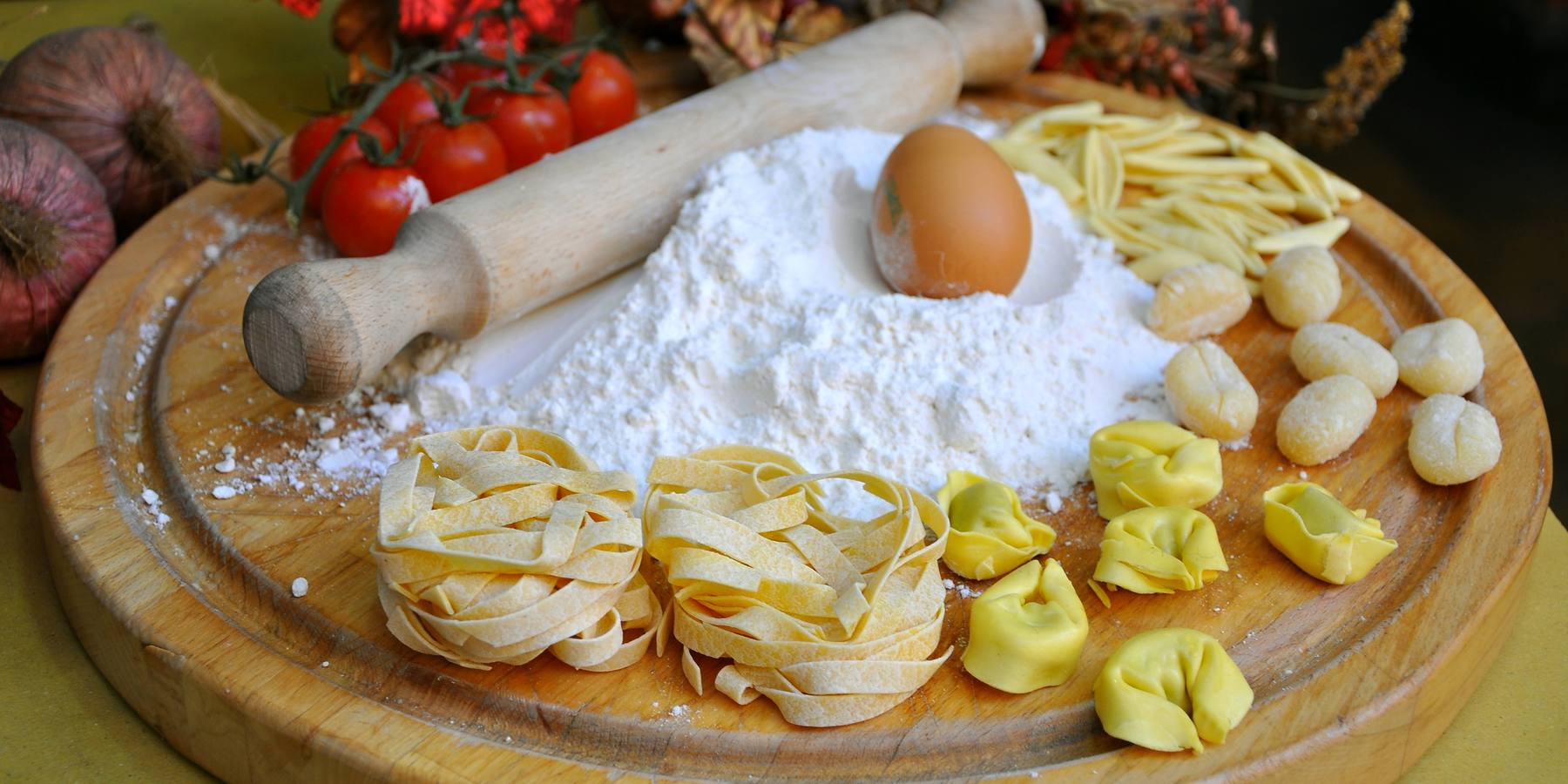
Short pasta offers several ways to carry a sauce. Rigatoni provides ridged tubes; penne gives you a different cut and proportion; paccheri brings broad tubes; fusilloni offers generous curls. These differences are worth considering when your sauce contains pieces of vegetables or meat.
Compare Rustichella Rigatoni, Cocco Bombolotti N.110 and Tirrena Fusilloni within the Dried Pasta selection. Start with the bite and sauce distribution you want, then compare the actual pack.
Not every short shape is a tube. Rustichella Fregola Tostata is a toasted, small-format pasta. It belongs to a different cooking idea from broad paccheri or long spaghetti; do not choose it simply because all three are dried pasta.
Filled pasta: let the filling lead
With filled pasta, the choice inside the parcel comes before the finishing sauce. Bertagni Ricotta and Spinach Ravioli offers a cheese-and-greens direction. Four Cheese Tortelloni and Parmigiano Reggiano Mezzelune make cheese the starting point in different products and shapes.
For another direction, compare Tomato, Mozzarella and Basil Girasoli with Porcini Mushroom Tortellone. Triangoli with Porcini and Truffles offers a separate mushroom-and-truffle choice.
These are all filled pastas, but they are not all ravioli or tortellini. Keep the exact product name when ordering. Explore the Filled Pasta selection and consider a restrained butter or oil finish before adding a more forceful sauce. More ingredients do not necessarily make the filling more enjoyable.
Dried, egg, fresh and filled describe different things
Dried describes a processing state. Egg describes an ingredient. Filled describes construction. Those terms can overlap: an egg pasta can be dried, and a filled pasta can be made with an egg dough.
Fresh-style pasta also does not tell you how your exact retail pack is supplied. A product may be sold chilled or frozen. Check the product’s storage instructions and the label on the pack you receive; do not infer handling from a category name or a photograph. Follow its specific cooking directions, including whether it should be cooked from frozen. There is no single useful cooking time for every ribbon, tube and filled parcel.
For ingredient or allergen questions, read the exact product information. A heritage-grain description does not establish that pasta is gluten-free, whole-wheat, organic or easier to digest. This guide does not make those claims for the selection.
Use the maker to narrow your choices
The maker is another route into the selection, after you know what kind of dinner you want. Cav. Giuseppe Cocco and Rustichella d’Abruzzo offer several dried shapes. Compare them at the product level rather than assuming one brand has a single dough or one cooking time.
Tirrena provides a Tuscan heritage-grain route, as described in the producer’s production information. Choose its spaghetti, linguine, curls or tubes for the dish you plan to cook. The grain story gives context; it does not replace the ingredient list.
La Malva Rosa connects egg ribbons with its sauce selection. Bertagni offers a range of fillings and parcel shapes, which the producer distinguishes in its own pasta guide. Together, these makers give you several useful shopping choices without needing a separate category for every shape.
Choose the jar by its intended use
Pesto is not automatically basil pesto. La Malva Rosa Pistacchio Pesto brings a pistachio-led direction; consider it with rigatoni or fusilloni. Its product page is the place to check the exact ingredients and jar format.
Artisan de la Truffe Parmesan cream with summer truffle offers a richer cheese-and-truffle finish for ribbons. The producer’s sauce guidance also suggests its Parmesan sauce with tagliatelle. Use that as a serving idea, while following the actual jar’s instructions.
The broader Sauces and Purees selection includes dressings, spreads, condiments and cooking ingredients. They are not all ready-to-use pasta sauces. A jar of hummus, a balsamic dressing and a cheese cream have different jobs; cuttlefish ink is an ingredient rather than a finished sauce. Check intended use before choosing by flavour name alone.
Three ways to build the meal
For a pantry dinner, begin with spaghetti, olive oil and an appropriate grating cheese. Let the coating and final seasoning do the work rather than adding several competing ingredients.
For a sauce-led plate, choose rigatoni or fusilloni with Pistacchio Pesto, or egg ribbons with Parmesan–truffle cream. Keep the proportion flexible: use the jar’s guidance and your preferred finished consistency rather than a universal quantity printed in an article.
For a filled-pasta dinner, choose the filling first and consider a little French butter as the finish. Read the exact product’s preparation directions. The suggestions here describe how to choose ingredients; they do not replace a recipe or the pack instructions.
Before you order: check the selected format
Use the variant selector for the actual pack weight. A single listing can include several sizes, and the available size may differ from a number in its older web address. Rustichella Spaghetti, for example, has multiple formats. Different pack sizes are not different kinds of pasta.
Use current product pages for prices and availability rather than an editorial price list. Once the pasta, sauce and format suit your meal, check ingredients and storage information before ordering.
Return to all Pasta, choose Dried Pasta for pantry shapes and egg ribbons, or explore Filled Pasta by the flavours inside. Each route answers a different shopping decision.