Frescobaldi Laudemio Grand Cru Extra Virgin Olive Oil – Raccolto 2025
PHP 4,349.00

PHP 589.00
Delivery date confirmed at checkout
500g box
Most popularPHP 589.00 each
You’re PHP 3,000.00 away from free delivery in Metro Manila
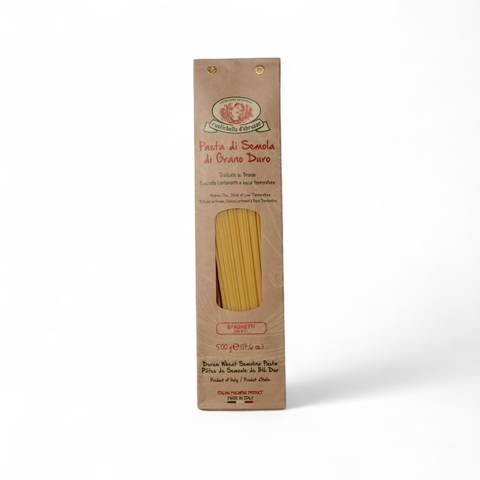
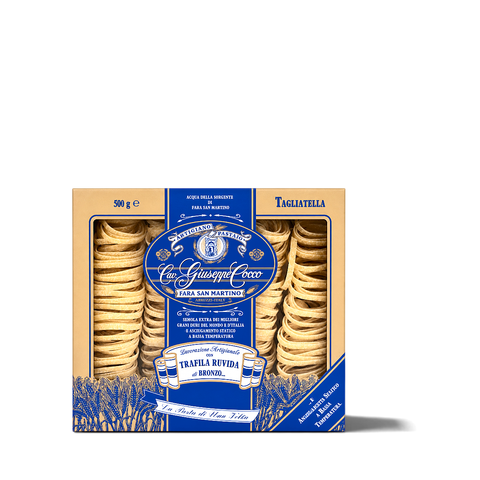
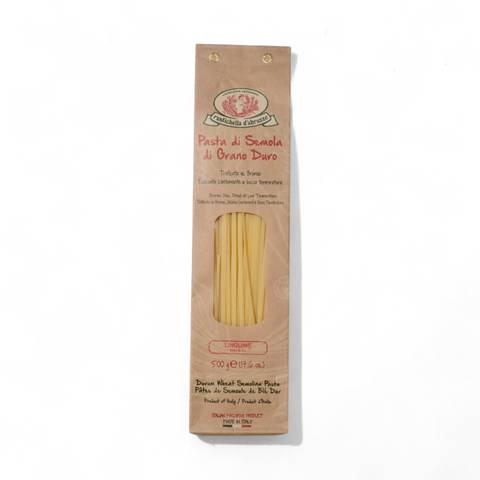
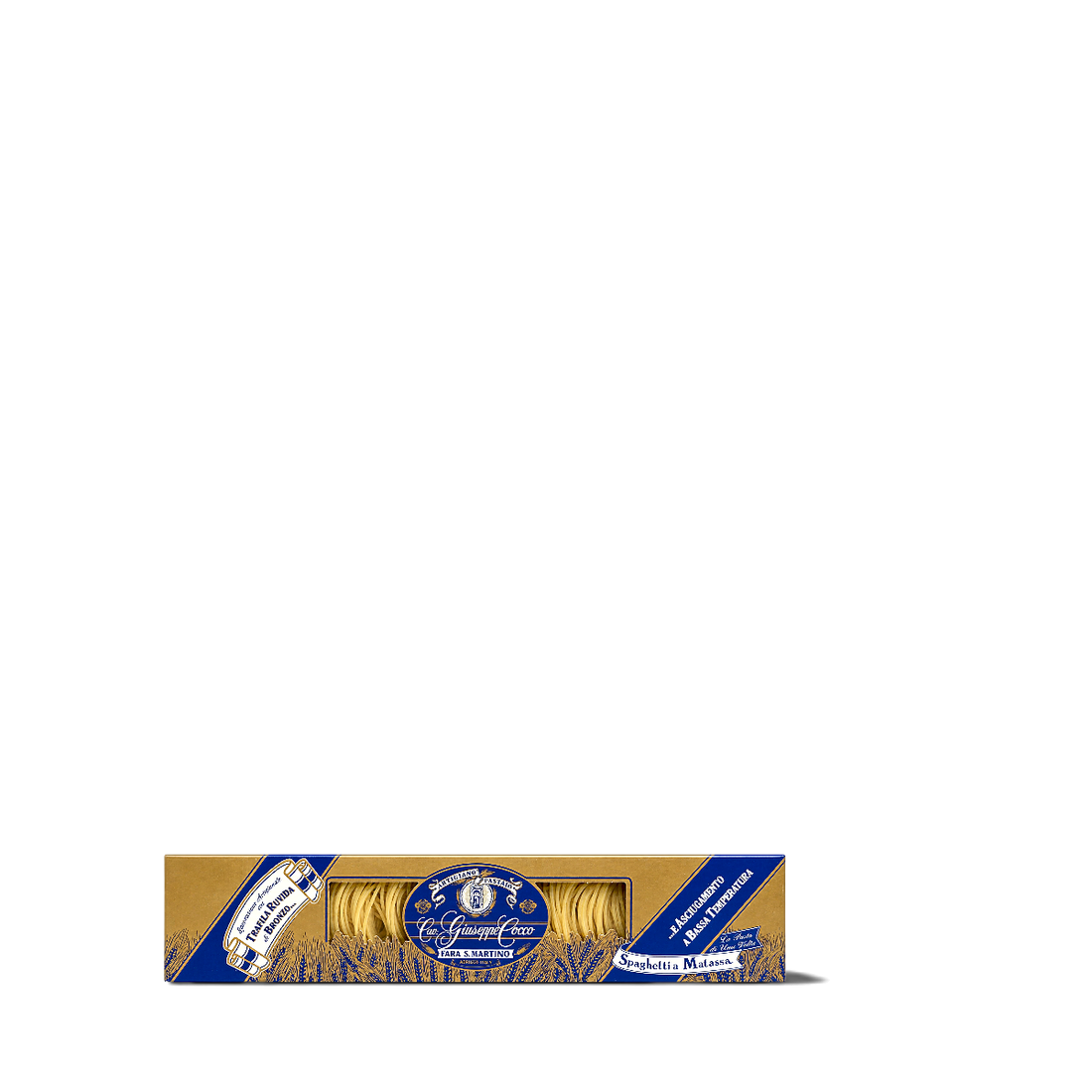
Cav. Giuseppe Cocco Spaghetto Antico N.80 is an artisanal durum wheat pasta shaped in Fara San Martino, Abruzzo. Long, substantial strands and a sauce-loving surface bring old-world character to tomato, pesto, seafood, and cream-based dishes.
Temperature-Controlled Delivery
Satisfaction Guarantee
Same-Day Dispatch Before 4PM
Cav. Giuseppe Cocco Spaghetto Antico N.80 is an artisanal durum wheat pasta shaped in Fara San Martino, Abruzzo. Long, substantial strands and a sauce-loving surface bring old-world character to tomato, pesto, seafood, and cream-based dishes.
PHP 589.00
Delivery date confirmed at checkout
500g box
Most popularPHP 589.00 each
You’re PHP 3,000.00 away from free delivery in Metro Manila
Temperature-Controlled Delivery
Satisfaction Guarantee
Same-Day Dispatch Before 4PM
Complete the Experience
Spaghetto Antico N.80 reminds us how expressive a simple plate of pasta can be when the fundamentals are treated with care. Made from durum wheat semolina and water, the strands cook to a firm, satisfying bite with a clean wheat flavor that gives a sauce something meaningful to meet rather than merely a surface to cover. Compare dried pasta by shape and dough or use our pasta shapes and sauces guide to choose a finish for your meal.
The format belongs to Giuseppe Cocco's Pasta di una Volta collection, a line inspired by the days when long pasta was stretched over canes to dry. That heritage is visible in its rustic presentation and generous shape. Once cooked, the strands feel substantial without becoming heavy, carrying enough texture to grip glossy tomato sauces, fragrant pesto, and emulsions of olive oil and pasta water.
There is a quiet confidence to this spaghetti. Its flavor is gently nutty and cereal-like; its texture remains pleasantly resilient when cooked according to the producer's eight-minute guidance. The result is equally convincing beneath a slow-cooked ragù or in a restrained dish of garlic, olive oil, and chili. This is pantry pasta with the presence of something made by specialists: familiar in form, but noticeably more deliberate at the table.
Spaghetto Antico is versatile enough for everyday cooking yet especially rewarding when the sauce is allowed to cling closely to each strand.
Boil in well-salted water for approximately eight minutes, tasting shortly before the suggested time for your preferred texture. Reserve pasta water, then finish the spaghetti in its sauce so the two come together rather than meeting only on the plate.
In Fara San Martino, pasta is inseparable from place. The Abruzzese town sits near the Majella, where spring water, moving air, wheat, and generations of skilled work shaped a local identity around pasta making. Pastificio Cocco describes these as the four essentials of good pasta: grain, water, air, and craftsmanship.
The Pasta di una Volta collection looks back to an earlier image of long strands resting across canes as they dried. Cocco preserves that memory through historical formats and machinery, including the family's matassatrice, while continuing a craft handed from one generation to the next. Spaghetto Antico carries this story in a form everyone recognizes. It is spaghetti, certainly—but spaghetti with its lineage still showing, built to turn an ordinary sauce into a small act of Abruzzese tradition.
Store unopened in a cool, dry place away from direct sunlight, heat, moisture, and strong odors. After opening, keep the pasta in a tightly sealed container and use before the best-before date printed on the package.
Contains wheat and gluten. The producer states that the pasta may contain traces of eggs, soy, and mustard.
Spaghetto Antico N.80 reminds us how expressive a simple plate of pasta can be when the fundamentals are treated with care. Made from durum wheat semolina and water, the strands cook to a firm, satisfying bite with a clean wheat flavor that gives a sauce something meaningful to meet rather than merely a surface to cover. Compare dried pasta by shape and dough or use our pasta shapes and sauces guide to choose a finish for your meal.
The format belongs to Giuseppe Cocco's Pasta di una Volta collection, a line inspired by the days when long pasta was stretched over canes to dry. That heritage is visible in its rustic presentation and generous shape. Once cooked, the strands feel substantial without becoming heavy, carrying enough texture to grip glossy tomato sauces, fragrant pesto, and emulsions of olive oil and pasta water.
There is a quiet confidence to this spaghetti. Its flavor is gently nutty and cereal-like; its texture remains pleasantly resilient when cooked according to the producer's eight-minute guidance. The result is equally convincing beneath a slow-cooked ragù or in a restrained dish of garlic, olive oil, and chili. This is pantry pasta with the presence of something made by specialists: familiar in form, but noticeably more deliberate at the table.
Spaghetto Antico is versatile enough for everyday cooking yet especially rewarding when the sauce is allowed to cling closely to each strand.
Boil in well-salted water for approximately eight minutes, tasting shortly before the suggested time for your preferred texture. Reserve pasta water, then finish the spaghetti in its sauce so the two come together rather than meeting only on the plate.
In Fara San Martino, pasta is inseparable from place. The Abruzzese town sits near the Majella, where spring water, moving air, wheat, and generations of skilled work shaped a local identity around pasta making. Pastificio Cocco describes these as the four essentials of good pasta: grain, water, air, and craftsmanship.
The Pasta di una Volta collection looks back to an earlier image of long strands resting across canes as they dried. Cocco preserves that memory through historical formats and machinery, including the family's matassatrice, while continuing a craft handed from one generation to the next. Spaghetto Antico carries this story in a form everyone recognizes. It is spaghetti, certainly—but spaghetti with its lineage still showing, built to turn an ordinary sauce into a small act of Abruzzese tradition.
Store unopened in a cool, dry place away from direct sunlight, heat, moisture, and strong odors. After opening, keep the pasta in a tightly sealed container and use before the best-before date printed on the package.
Contains wheat and gluten. The producer states that the pasta may contain traces of eggs, soy, and mustard.
Curated Selection