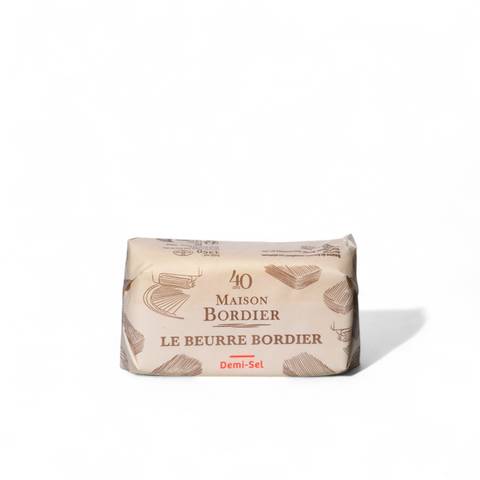
Bordier Sale 4% (Demi Sel) Butter
PHP 879.00

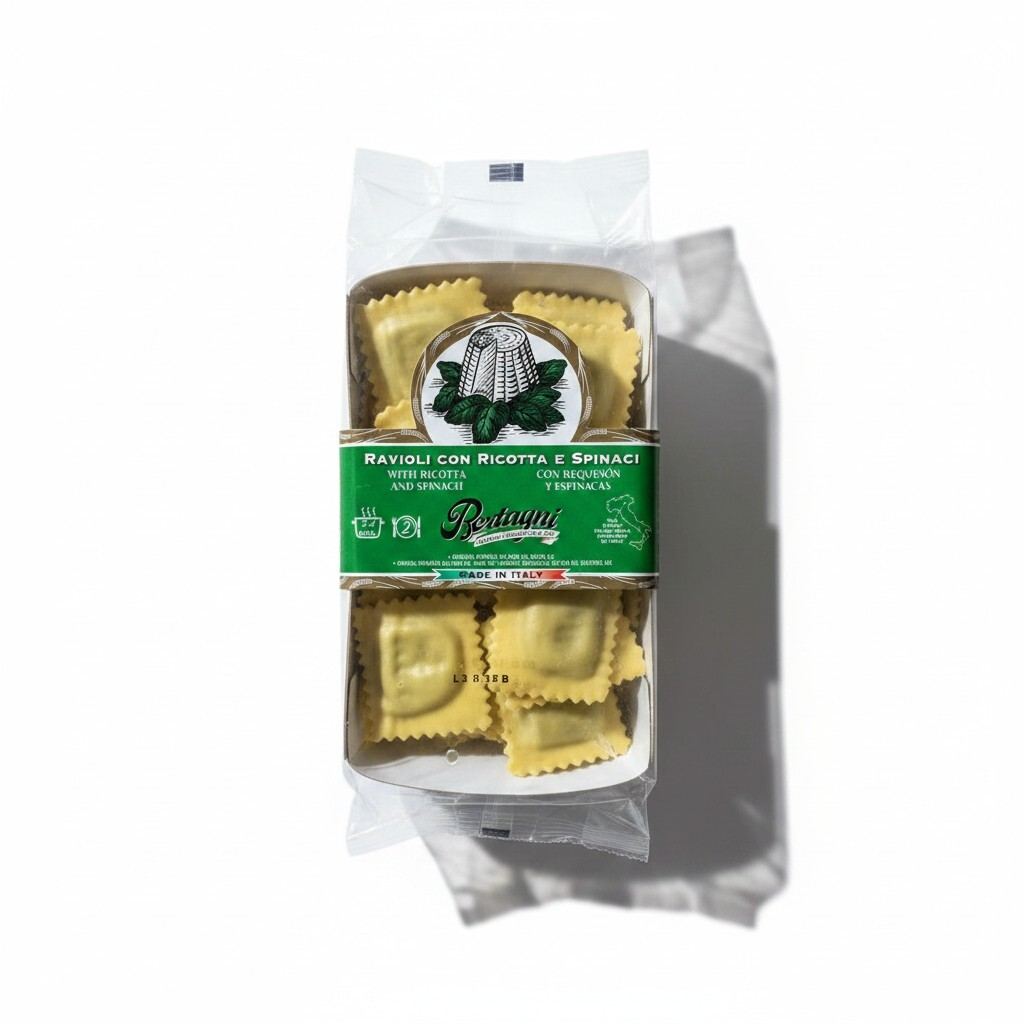
Emilia’s Gentle Green Pillows
PHP 809.00
Delivery date confirmed at checkout
250G FROZEN
Most popularPHP 809.00 each
Frozen — Packed with thermal insulation & ice gel
You’re PHP 3,000.00 away from free delivery in Metro Manila
Frozen Italian ravioli filled with creamy ricotta and delicate spinach, crafted by Bertagni, one of Italy’s oldest stuffed pasta makers. A comforting classic from the heart of Italian culinary tradition, ready in minutes yet deeply rooted in more than a century of craftsmanship.
Temperature-Controlled Delivery
Satisfaction Guarantee
Same-Day Dispatch Before 4PM
Emilia’s Gentle Green Pillows
Frozen Italian ravioli filled with creamy ricotta and delicate spinach, crafted by Bertagni, one of Italy’s oldest stuffed pasta makers. A comforting classic from the heart of Italian culinary tradition, ready in minutes yet deeply rooted in more than a century of craftsmanship.
PHP 809.00
Delivery date confirmed at checkout
250G FROZEN
Most popularPHP 809.00 each
Frozen — Packed with thermal insulation & ice gel
You’re PHP 3,000.00 away from free delivery in Metro Manila
Temperature-Controlled Delivery
Satisfaction Guarantee
Same-Day Dispatch Before 4PM
Complete the Experience
There is something deeply reassuring about ricotta and spinach ravioli when they are done properly. The filling should not shout. It should murmur softly, like an old trattoria at lunchtime somewhere between Bologna and Verona, where the tables wobble slightly and the butter smells faintly of sage and toasted flour. Compare filled pasta by filling and shape or use our pasta shapes and sauces guide to choose a finish for your meal.
Bertagni understands this language instinctively. Founded in Bologna in 1882 by Luigi Bertagni and his brothers, the house became famous for preserving the soul of handmade stuffed pasta while developing early techniques to package and conserve it without sacrificing character. More than a century later, that philosophy still lingers in these ravioli.
The pasta itself is supple and delicate, made from fine wheat flour and eggs, with enough elasticity to remain tender while holding its shape beautifully during cooking. Frozen ravioli often suffer from heaviness or excessive thickness; these do not. The dough cooks evenly, remaining silky rather than gummy, allowing the filling to remain the center of gravity.
Inside, the ricotta offers quiet richness rather than overt creaminess. It is soft, milky, and slightly sweet, with the kind of lactic freshness that recalls good dairy rather than industrial cheese. The spinach brings balance and restraint — vegetal, earthy, and faintly mineral — preventing the filling from becoming overly rich. There is often a subtle whisper of nutmeg in Italian ricotta fillings, a tiny warm shadow that appears briefly and disappears just as quickly.
The effect is not dramatic in the modern sense. It is civilized food. Food built on proportion. The ravioli taste like something that survived generations because there was never any need to improve it.
What makes this style of ravioli so enduring is its ability to absorb and amplify whatever surrounds it. Melted butter seeps gently into the folds of pasta. Olive oil sharpens the green notes of spinach. Parmigiano adds salt and depth. A spoonful of light tomato sauce suddenly makes the ricotta brighter and sweeter. It is a canvas, but a noble one.
Bertagni’s heritage matters here. This is one of the oldest known stuffed pasta producers in Italy, a company that once won medals at international fairs in Paris, Chicago, and St. Louis during the late nineteenth and early twentieth centuries. Their ravioli still carry traces of that older Italy: regional, restrained, proud of ingredients rather than spectacle.
Frozen convenience rarely tastes this composed.
These ravioli reward simplicity. The filling is delicate enough that heavy sauces can easily overwhelm it.
Because the ravioli themselves are relatively gentle in flavor, they adapt beautifully across seasons. In winter, they feel comforting with butter and sage. In spring, they become lighter with olive oil, lemon zest, and peas. They are equally at ease in a weekday supper or a candlelit dinner with wine and conversation.
When Luigi Bertagni began making tortellini in Bologna in 1882, stuffed pasta was still deeply local — something associated with regional kitchens, family traditions, and Sunday meals rather than international commerce. Together with his brothers Ferdinando and Oreste, he began experimenting not only with recipes, but with preservation and packaging methods that would allow fresh stuffed pasta to travel farther than the neighborhood market.
It sounds ordinary now, but at the time it was revolutionary. Fresh pasta was fragile, highly perishable, and almost impossible to export consistently. Bertagni’s success came from understanding that tradition and innovation did not need to oppose each other. The company preserved regional recipes while quietly modernizing how they could be distributed.
Their products soon appeared at international exhibitions and world fairs. Bertagni won medals in Paris in 1889, Chicago in 1894, and St. Louis in 1904 — a remarkable achievement for what had started as a small pasta workshop in Bologna. At a time when Italy itself was still young as a unified country, stuffed pasta from Emilia-Romagna was already traveling across oceans.
Ricotta and spinach ravioli belong to one of the most enduring traditions of central and northern Italian cooking. The combination appears in Italian culinary manuscripts dating back centuries because it solved several problems elegantly: spinach added freshness and balance, ricotta brought richness without excessive cost, and pasta transformed modest ingredients into something celebratory.
Today, Bertagni remains associated with premium stuffed pasta throughout Europe and beyond. While the company has grown enormously since the nineteenth century, these ravioli still reflect the grammar of traditional Italian cooking: balance over excess, texture over heaviness, and the quiet confidence that comes from recipes refined over generations rather than reinvented every season.
Keep frozen at or below -18°C.
Cook directly from frozen; do not thaw before preparation. Place gently into salted boiling water and cook for approximately 5–6 minutes, or until the ravioli float and the pasta becomes tender.
After opening, keep frozen and consume promptly. Avoid refreezing once thawed.
For best texture, boil gently rather than aggressively, and drain carefully to avoid tearing the delicate pasta.
There is something deeply reassuring about ricotta and spinach ravioli when they are done properly. The filling should not shout. It should murmur softly, like an old trattoria at lunchtime somewhere between Bologna and Verona, where the tables wobble slightly and the butter smells faintly of sage and toasted flour. Compare filled pasta by filling and shape or use our pasta shapes and sauces guide to choose a finish for your meal.
Bertagni understands this language instinctively. Founded in Bologna in 1882 by Luigi Bertagni and his brothers, the house became famous for preserving the soul of handmade stuffed pasta while developing early techniques to package and conserve it without sacrificing character. More than a century later, that philosophy still lingers in these ravioli.
The pasta itself is supple and delicate, made from fine wheat flour and eggs, with enough elasticity to remain tender while holding its shape beautifully during cooking. Frozen ravioli often suffer from heaviness or excessive thickness; these do not. The dough cooks evenly, remaining silky rather than gummy, allowing the filling to remain the center of gravity.
Inside, the ricotta offers quiet richness rather than overt creaminess. It is soft, milky, and slightly sweet, with the kind of lactic freshness that recalls good dairy rather than industrial cheese. The spinach brings balance and restraint — vegetal, earthy, and faintly mineral — preventing the filling from becoming overly rich. There is often a subtle whisper of nutmeg in Italian ricotta fillings, a tiny warm shadow that appears briefly and disappears just as quickly.
The effect is not dramatic in the modern sense. It is civilized food. Food built on proportion. The ravioli taste like something that survived generations because there was never any need to improve it.
What makes this style of ravioli so enduring is its ability to absorb and amplify whatever surrounds it. Melted butter seeps gently into the folds of pasta. Olive oil sharpens the green notes of spinach. Parmigiano adds salt and depth. A spoonful of light tomato sauce suddenly makes the ricotta brighter and sweeter. It is a canvas, but a noble one.
Bertagni’s heritage matters here. This is one of the oldest known stuffed pasta producers in Italy, a company that once won medals at international fairs in Paris, Chicago, and St. Louis during the late nineteenth and early twentieth centuries. Their ravioli still carry traces of that older Italy: regional, restrained, proud of ingredients rather than spectacle.
Frozen convenience rarely tastes this composed.
These ravioli reward simplicity. The filling is delicate enough that heavy sauces can easily overwhelm it.
Because the ravioli themselves are relatively gentle in flavor, they adapt beautifully across seasons. In winter, they feel comforting with butter and sage. In spring, they become lighter with olive oil, lemon zest, and peas. They are equally at ease in a weekday supper or a candlelit dinner with wine and conversation.
When Luigi Bertagni began making tortellini in Bologna in 1882, stuffed pasta was still deeply local — something associated with regional kitchens, family traditions, and Sunday meals rather than international commerce. Together with his brothers Ferdinando and Oreste, he began experimenting not only with recipes, but with preservation and packaging methods that would allow fresh stuffed pasta to travel farther than the neighborhood market.
It sounds ordinary now, but at the time it was revolutionary. Fresh pasta was fragile, highly perishable, and almost impossible to export consistently. Bertagni’s success came from understanding that tradition and innovation did not need to oppose each other. The company preserved regional recipes while quietly modernizing how they could be distributed.
Their products soon appeared at international exhibitions and world fairs. Bertagni won medals in Paris in 1889, Chicago in 1894, and St. Louis in 1904 — a remarkable achievement for what had started as a small pasta workshop in Bologna. At a time when Italy itself was still young as a unified country, stuffed pasta from Emilia-Romagna was already traveling across oceans.
Ricotta and spinach ravioli belong to one of the most enduring traditions of central and northern Italian cooking. The combination appears in Italian culinary manuscripts dating back centuries because it solved several problems elegantly: spinach added freshness and balance, ricotta brought richness without excessive cost, and pasta transformed modest ingredients into something celebratory.
Today, Bertagni remains associated with premium stuffed pasta throughout Europe and beyond. While the company has grown enormously since the nineteenth century, these ravioli still reflect the grammar of traditional Italian cooking: balance over excess, texture over heaviness, and the quiet confidence that comes from recipes refined over generations rather than reinvented every season.
Keep frozen at or below -18°C.
Cook directly from frozen; do not thaw before preparation. Place gently into salted boiling water and cook for approximately 5–6 minutes, or until the ravioli float and the pasta becomes tender.
After opening, keep frozen and consume promptly. Avoid refreezing once thawed.
For best texture, boil gently rather than aggressively, and drain carefully to avoid tearing the delicate pasta.
Curated Selection