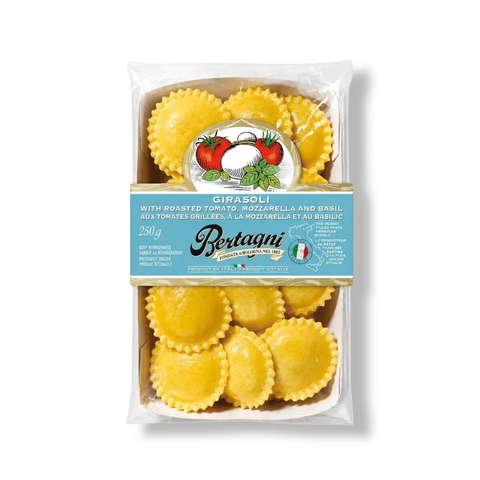
Bertagni Tomato, Mozzarella, and Basil Girasoli
A Taste of Italian Summer
PHP 809.00

Woodland Perfume in Pasta
PHP 849.00
Delivery date confirmed at checkout
250G - FROZEN
Most popularPHP 849.00 each
Frozen — Packed with thermal insulation & ice gel
You’re PHP 3,000.00 away from free delivery in Metro Manila
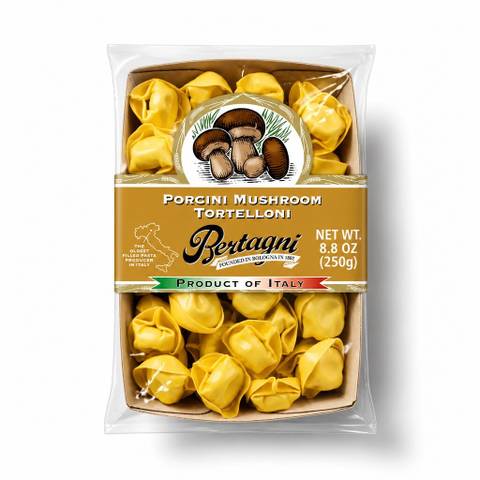
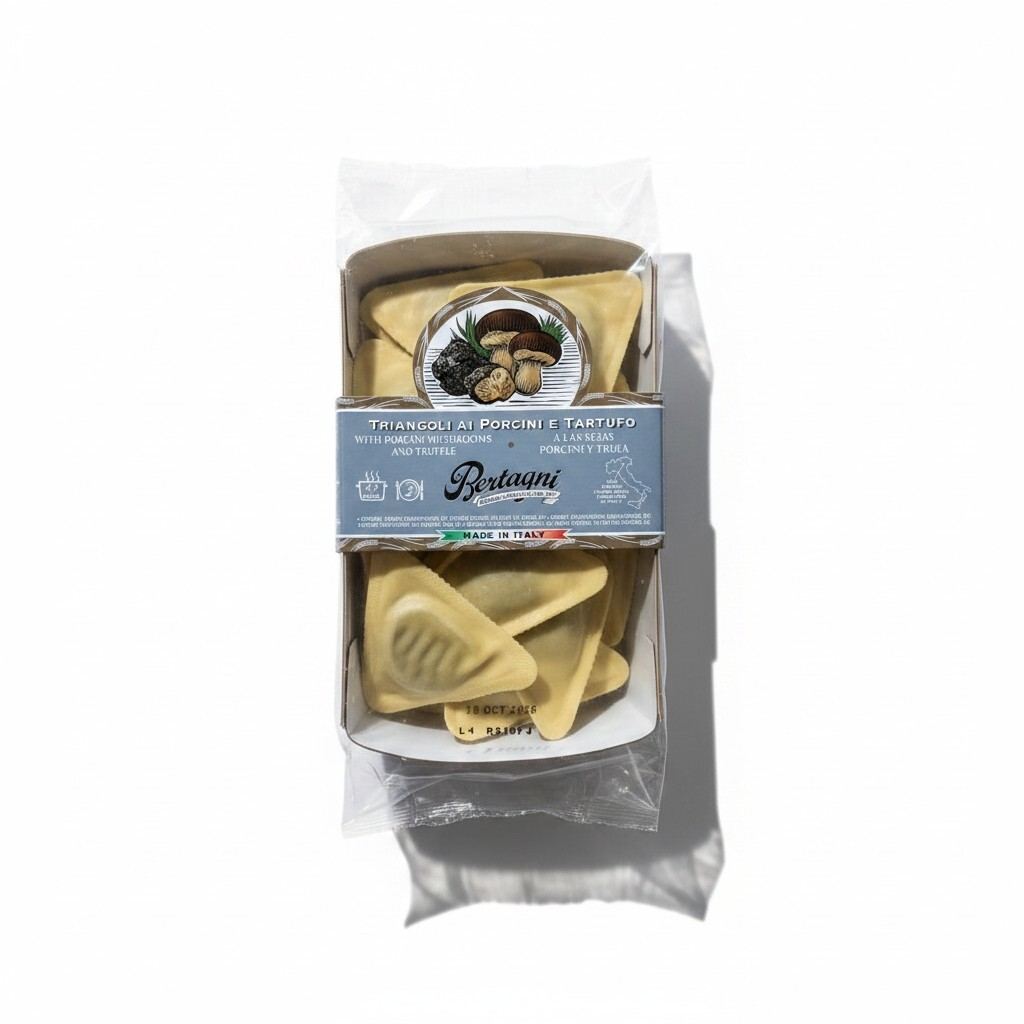
Frozen Italian stuffed pasta from the historic house of Bertagni, filled with porcini mushrooms and truffles. Earthy, aromatic, and deeply savory, these delicate triangoli bring the quiet richness of Northern Italian forests to the table in minutes.
Temperature-Controlled Delivery
Satisfaction Guarantee
Same-Day Dispatch Before 4PM
Woodland Perfume in Pasta
Frozen Italian stuffed pasta from the historic house of Bertagni, filled with porcini mushrooms and truffles. Earthy, aromatic, and deeply savory, these delicate triangoli bring the quiet richness of Northern Italian forests to the table in minutes.
PHP 849.00
Delivery date confirmed at checkout
250G - FROZEN
Most popularPHP 849.00 each
Frozen — Packed with thermal insulation & ice gel
You’re PHP 3,000.00 away from free delivery in Metro Manila
Temperature-Controlled Delivery
Satisfaction Guarantee
Same-Day Dispatch Before 4PM
There is a particular aroma that rises from porcini mushrooms when they meet warm butter: something humid, mossy, nutty, almost autumnal. Bertagni’s Triangoli with Porcini and Truffles captures that sensation with remarkable clarity. The filling is not loud. It does not assault the palate with synthetic truffle perfume or excess cream. Instead, it unfolds gradually, the way a forest reveals itself after rain.
The pasta itself is thin and supple, crafted in the style that made Bertagni famous since its founding in Bologna in 1882. The company is widely regarded as the oldest producer of filled pasta in Italy, originally created by Luigi Bertagni and his brothers, who helped pioneer methods for preserving and distributing fresh tortellini beyond Emilia-Romagna. Over generations, Bertagni became synonymous with premium stuffed pasta, earning medals at international exhibitions in Paris, Chicago, and St. Louis.
The triangoli shape feels almost architectural: little folded cushions with enough structure to hold the filling while remaining delicate once cooked. Inside, the porcini brings depth and woodland warmth — toasted hazelnut, damp leaves, broth, roasted mushroom stems. The truffle appears more as an accent than a dominant force, adding a subtle musk and lingering aromatic shadow rather than overwhelming the dish. That restraint is important. Good truffle pasta should evoke truffle hunting, not perfume counters.
Bertagni’s philosophy has long centered on authenticity and careful fillings. Their filled pastas are known for using premium cheeses, vegetables, and traditional Italian techniques adapted to modern production without sacrificing texture or flavor. The result here is a frozen pasta that still tastes startlingly alive.
Cooked properly, the triangoli retain a gentle bite while the filling becomes velvety and almost creamy without heaviness. The experience is deeply comforting yet refined — the sort of pasta that belongs equally in a quiet winter dinner at home or on the menu of a modern trattoria.
This is not a sauce-driven pasta. It rewards restraint. A little butter, perhaps browned slightly. Maybe a touch of Parmigiano Reggiano. White pepper. A few torn thyme leaves. Enough to frame the mushrooms rather than bury them.
There is something unmistakably Northern Italian about it all: fog, forests, old stone kitchens, and the understanding that richness comes not from excess but from concentration.
Cook directly from frozen in generously salted boiling water until the pasta floats and the edges become tender. Avoid aggressive boiling, which may rupture the delicate triangoli.
Before refrigeration became commonplace, filled pasta was profoundly local. Tortellini belonged to neighborhoods, family kitchens, and holiday tables. The challenge was preservation: how could fragile fresh pasta survive travel without losing its soul?
In 1882, Luigi Bertagni and his brothers attempted to solve precisely that problem in Bologna. They were not merely making tortellini; they were developing ways to package and conserve filled pasta so it could travel beyond Emilia-Romagna. That innovation helped transform filled pasta from a regional specialty into an international culinary language.
The Bertagni brothers exhibited their pasta at world fairs during the late nineteenth and early twentieth centuries, earning medals in Paris, Chicago, and St. Louis. At a time when Italy itself was still young as a unified nation, their tortellini were already crossing oceans. Bologna’s filled pasta traditions became ambassadors.
What is striking is how contemporary Bertagni’s approach still feels. Even today, the company speaks less about industrial efficiency than about protecting the “authentic taste” of filled pasta. Their products continue to focus on delicate doughs and carefully balanced fillings rather than aggressive seasoning.
The porcini-and-truffle combination itself belongs to a distinctly Italian culinary instinct. In many parts of Northern Italy, porcini mushrooms are considered more precious than truffles in daily cooking because they bring substance as well as aroma. Together, porcini and truffle create a dialogue between texture and perfume: one grounded and meaty, the other elusive and airborne.
A recent tasting review in the British press praised Bertagni’s Porcini Mushroom and Truffle Triangoli for its “deeply savoury” filling and delicate pasta texture that retained its elegant triangular shape during cooking. That detail matters. Good filled pasta should feel poised, not bloated. The shape itself becomes part of the pleasure.
There is something almost old-fashioned about a frozen product carrying this much culinary memory. Yet perhaps freezing is simply the modern continuation of what Luigi Bertagni began more than a century ago: finding ways to preserve fragile beauty long enough for someone far away to experience it.
Keep frozen at -18°C or below.
Do not thaw before cooking. Cook directly from frozen in boiling salted water for approximately 4–6 minutes or until tender and heated through.
Once opened, reseal carefully and keep frozen. Do not refreeze after thawing.
For best texture and aroma, consume before the indicated best-before date and avoid prolonged exposure to room temperature during preparation.
There is a particular aroma that rises from porcini mushrooms when they meet warm butter: something humid, mossy, nutty, almost autumnal. Bertagni’s Triangoli with Porcini and Truffles captures that sensation with remarkable clarity. The filling is not loud. It does not assault the palate with synthetic truffle perfume or excess cream. Instead, it unfolds gradually, the way a forest reveals itself after rain.
The pasta itself is thin and supple, crafted in the style that made Bertagni famous since its founding in Bologna in 1882. The company is widely regarded as the oldest producer of filled pasta in Italy, originally created by Luigi Bertagni and his brothers, who helped pioneer methods for preserving and distributing fresh tortellini beyond Emilia-Romagna. Over generations, Bertagni became synonymous with premium stuffed pasta, earning medals at international exhibitions in Paris, Chicago, and St. Louis.
The triangoli shape feels almost architectural: little folded cushions with enough structure to hold the filling while remaining delicate once cooked. Inside, the porcini brings depth and woodland warmth — toasted hazelnut, damp leaves, broth, roasted mushroom stems. The truffle appears more as an accent than a dominant force, adding a subtle musk and lingering aromatic shadow rather than overwhelming the dish. That restraint is important. Good truffle pasta should evoke truffle hunting, not perfume counters.
Bertagni’s philosophy has long centered on authenticity and careful fillings. Their filled pastas are known for using premium cheeses, vegetables, and traditional Italian techniques adapted to modern production without sacrificing texture or flavor. The result here is a frozen pasta that still tastes startlingly alive.
Cooked properly, the triangoli retain a gentle bite while the filling becomes velvety and almost creamy without heaviness. The experience is deeply comforting yet refined — the sort of pasta that belongs equally in a quiet winter dinner at home or on the menu of a modern trattoria.
This is not a sauce-driven pasta. It rewards restraint. A little butter, perhaps browned slightly. Maybe a touch of Parmigiano Reggiano. White pepper. A few torn thyme leaves. Enough to frame the mushrooms rather than bury them.
There is something unmistakably Northern Italian about it all: fog, forests, old stone kitchens, and the understanding that richness comes not from excess but from concentration.
Cook directly from frozen in generously salted boiling water until the pasta floats and the edges become tender. Avoid aggressive boiling, which may rupture the delicate triangoli.
Before refrigeration became commonplace, filled pasta was profoundly local. Tortellini belonged to neighborhoods, family kitchens, and holiday tables. The challenge was preservation: how could fragile fresh pasta survive travel without losing its soul?
In 1882, Luigi Bertagni and his brothers attempted to solve precisely that problem in Bologna. They were not merely making tortellini; they were developing ways to package and conserve filled pasta so it could travel beyond Emilia-Romagna. That innovation helped transform filled pasta from a regional specialty into an international culinary language.
The Bertagni brothers exhibited their pasta at world fairs during the late nineteenth and early twentieth centuries, earning medals in Paris, Chicago, and St. Louis. At a time when Italy itself was still young as a unified nation, their tortellini were already crossing oceans. Bologna’s filled pasta traditions became ambassadors.
What is striking is how contemporary Bertagni’s approach still feels. Even today, the company speaks less about industrial efficiency than about protecting the “authentic taste” of filled pasta. Their products continue to focus on delicate doughs and carefully balanced fillings rather than aggressive seasoning.
The porcini-and-truffle combination itself belongs to a distinctly Italian culinary instinct. In many parts of Northern Italy, porcini mushrooms are considered more precious than truffles in daily cooking because they bring substance as well as aroma. Together, porcini and truffle create a dialogue between texture and perfume: one grounded and meaty, the other elusive and airborne.
A recent tasting review in the British press praised Bertagni’s Porcini Mushroom and Truffle Triangoli for its “deeply savoury” filling and delicate pasta texture that retained its elegant triangular shape during cooking. That detail matters. Good filled pasta should feel poised, not bloated. The shape itself becomes part of the pleasure.
There is something almost old-fashioned about a frozen product carrying this much culinary memory. Yet perhaps freezing is simply the modern continuation of what Luigi Bertagni began more than a century ago: finding ways to preserve fragile beauty long enough for someone far away to experience it.
Keep frozen at -18°C or below.
Do not thaw before cooking. Cook directly from frozen in boiling salted water for approximately 4–6 minutes or until tender and heated through.
Once opened, reseal carefully and keep frozen. Do not refreeze after thawing.
For best texture and aroma, consume before the indicated best-before date and avoid prolonged exposure to room temperature during preparation.
Curated Selection