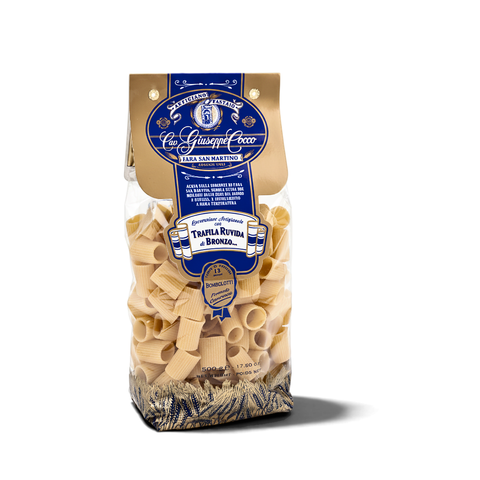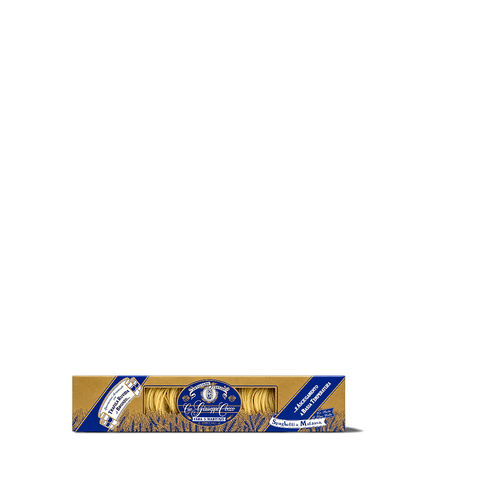
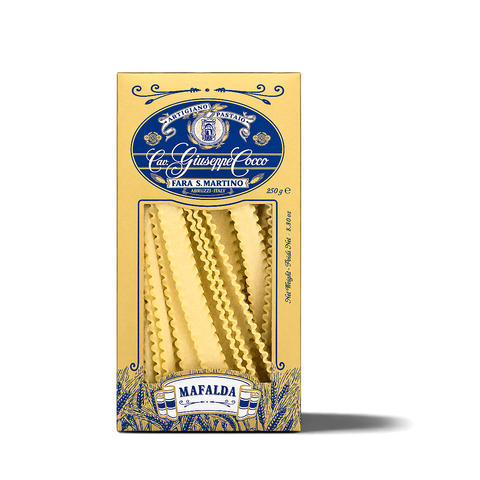
Cav. Giuseppe Cocco Mafalda N.55
Ruffled Ribbons, Regal Presence
PHP 419.00

Temporarily out of stock
Get an email when it’s available again.
Try these instead
Similar finds, available now.
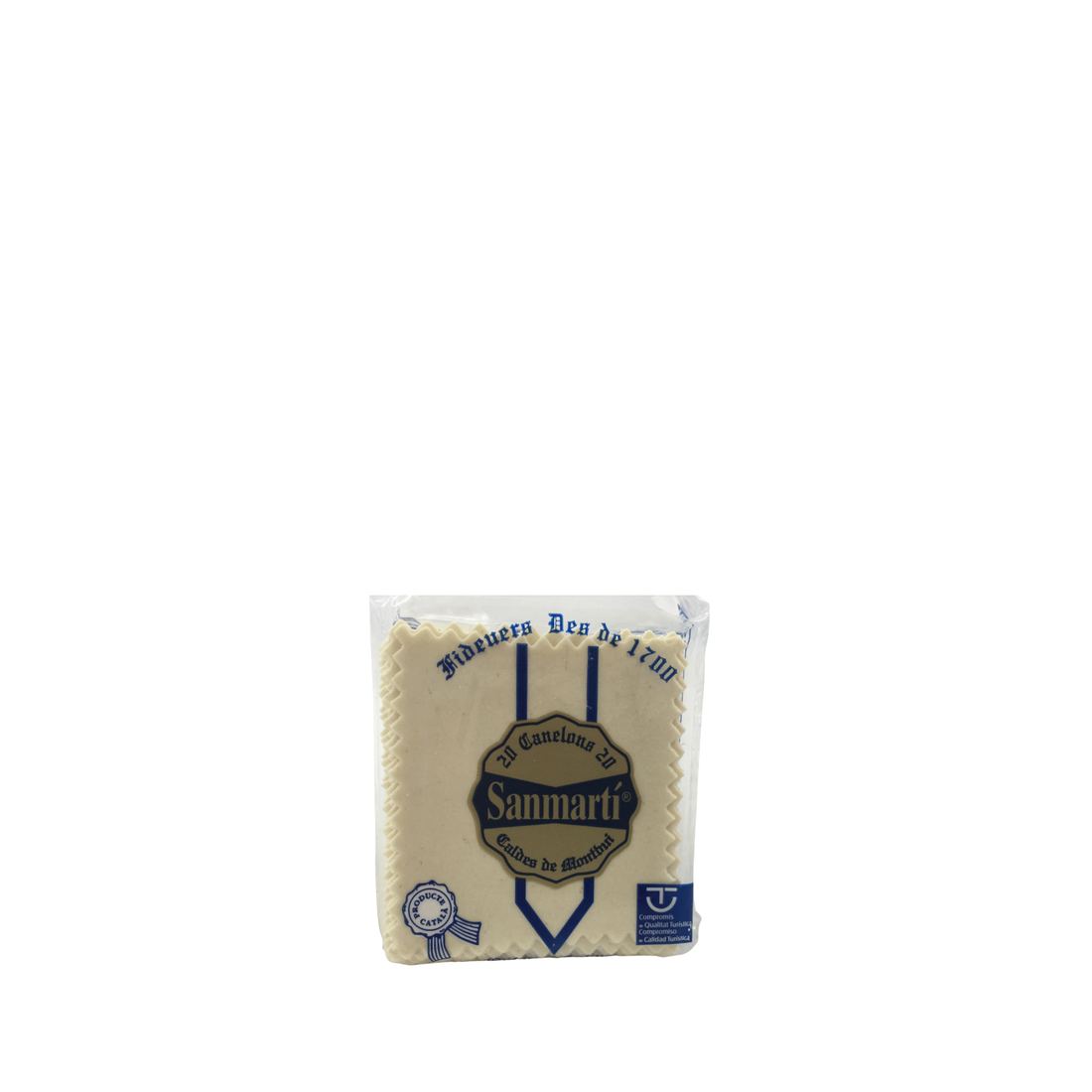
The Pasta San Marti Canelones is made with premium quality wheat and minerals from Caldes de Montbui, and is a great base for cannelloni dishes
The Pasta San Marti Canelones is made with premium quality wheat and minerals from Caldes de Montbui, and is a great base for cannelloni dishes
Temporarily out of stock
Get an email when it’s available again.
Try these instead
Similar finds, available now.
Canelones are dry, flat square sheets of pasta resembling cut-up lasagna. More popularly sold in tubes similar to manicotti, traditionally, Canelones are rolled up with the filling inside.
The Spanish Cannelloni is a hearty, meaty dish popular in Barcelona, and originating in Catalonia. Brought to Spain, and popularized by Italian chefs, it’s very easy to make:
Spanish Cannelloni was brought to Spain, and introduced to the Spanish bourgeoisie by Italian chefs in the 19th century. It is now a typical dish in Barcelona, and even more so in Catalonia, where it had become a traditional holiday meal in recent decades.
Originally filled with meat, poultry, and sausages left over from Christmas Day’s escudella i carn d’olla, an impressive one-pot meal, Spanish Cannelloni is usually eaten the day after Christmas, on St. Stephen’s Day.
Store dry, uncooked pasta in a cool, dry pantry for up to one year. Preserve freshness by storing dry pasta in an air-tight box or container. Store plain (no sauce or other ingredients) cooked pasta in a container or plastic sealable bag in the refrigerator for up to five days and up to three months in the freezer.
Curated Selection