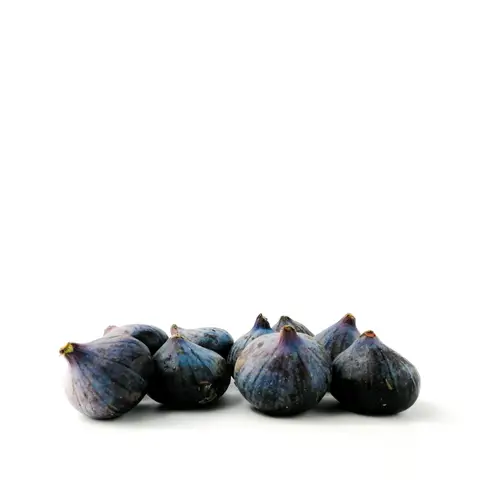
Fresh Solliès-Pont Figs from France
Provence’s Violet Treasure
PHP 990.00

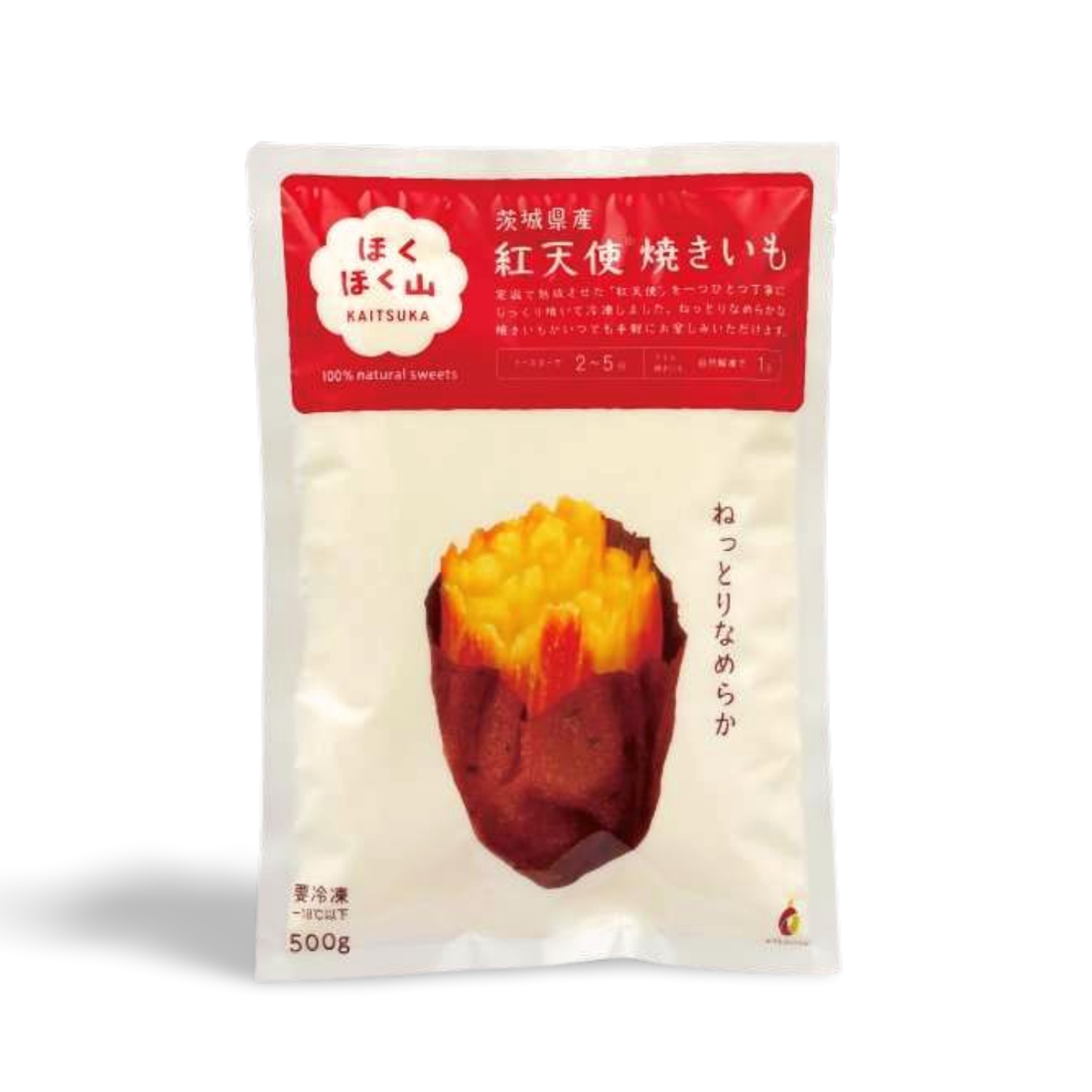
Comfy creamy sweet potatoes
Temporarily out of stock
The curators are restocking this item — sign up and we'll text you when it's back.
One SMS when it's restocked — no marketing.
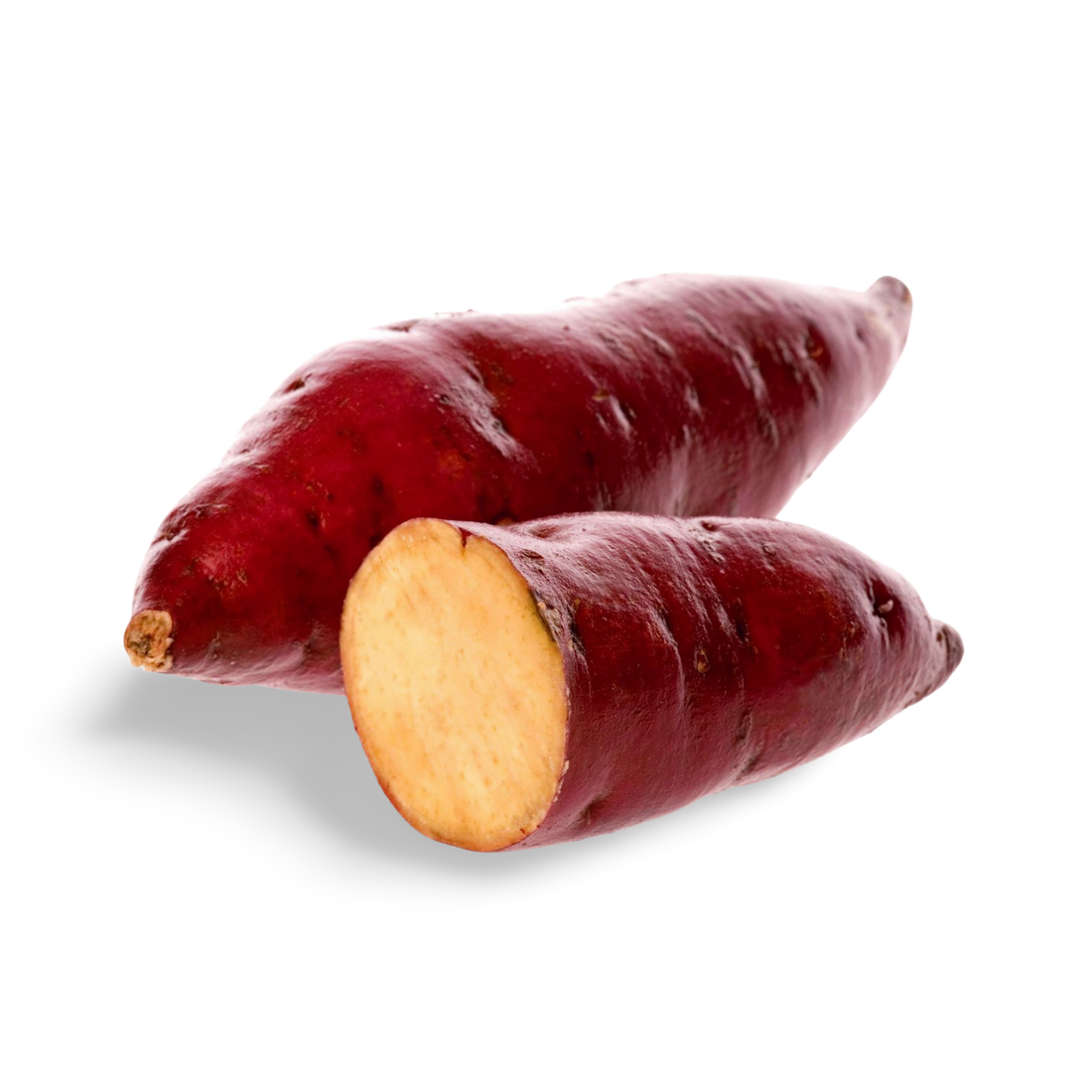
Beni Tenshi Yakiimo are baked sweet potatoes that are sweet and creamy, and are ready to eat
Comfy creamy sweet potatoes
Beni Tenshi Yakiimo are baked sweet potatoes that are sweet and creamy, and are ready to eat
Temporarily out of stock
The curators are restocking this item — sign up and we'll text you when it's back.
One SMS when it's restocked — no marketing.
It’s not uncommon to hear “Ishiyaki-imo!” yelled by Japanese street vendors. These vendors are saying “stone-roasted potatoes,” and they are selling a classic street food: yakiimo. Yakiimo is a mouth-watering baked sweet potato snack, especially popular during the colder seasons.
This yakiimo uses Beni Tenshi sweet potatoes, and comes from Aichi, Japan. They have a rich, creamy, smooth texture, light and fluffy, too. They have a sweet, slightly caramelized flavor, with earthy, nutty hints. Aside from being a tasty snack, it’s great for energy too.
The history of sweet potatoes in Japan is one of a journey of names. When they arrived in Edo (modern-day Tokyo) in 1734, they were called Satsuma-imo, because they came from the island of Kyushu, which was the land of the Satsuma Clan. But in Satsuma, they were called Kara-imo, because they came from the country of Kara (modern-day China). It was in Edo that they were cultivated by farmers, and saw the Japanese through many a famine during the Edo period, often as a substitute for rice. The first yakiimo store was said to have opened in Edo in 1793, and was very successful. Sweet potatoes eventually became a staple for the Japanese, and became a very popular food, with food trucks dedicated to selling yakiimo. The rise of fast-food restaurants and convenience stores in the 1970s have caused the number of yakiimo stores to decline, unfortunately, although they can still be found in some places.
Keep frozen; they will last for 10 months. Once thawed and heated, consume immediately.
It’s not uncommon to hear “Ishiyaki-imo!” yelled by Japanese street vendors. These vendors are saying “stone-roasted potatoes,” and they are selling a classic street food: yakiimo. Yakiimo is a mouth-watering baked sweet potato snack, especially popular during the colder seasons.
This yakiimo uses Beni Tenshi sweet potatoes, and comes from Aichi, Japan. They have a rich, creamy, smooth texture, light and fluffy, too. They have a sweet, slightly caramelized flavor, with earthy, nutty hints. Aside from being a tasty snack, it’s great for energy too.
The history of sweet potatoes in Japan is one of a journey of names. When they arrived in Edo (modern-day Tokyo) in 1734, they were called Satsuma-imo, because they came from the island of Kyushu, which was the land of the Satsuma Clan. But in Satsuma, they were called Kara-imo, because they came from the country of Kara (modern-day China). It was in Edo that they were cultivated by farmers, and saw the Japanese through many a famine during the Edo period, often as a substitute for rice. The first yakiimo store was said to have opened in Edo in 1793, and was very successful. Sweet potatoes eventually became a staple for the Japanese, and became a very popular food, with food trucks dedicated to selling yakiimo. The rise of fast-food restaurants and convenience stores in the 1970s have caused the number of yakiimo stores to decline, unfortunately, although they can still be found in some places.
Keep frozen; they will last for 10 months. Once thawed and heated, consume immediately.
Curated Selection