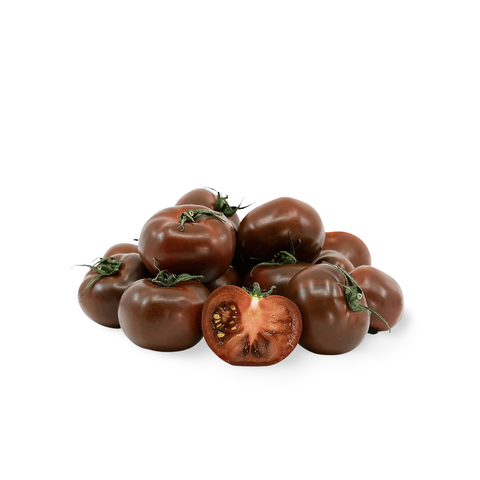
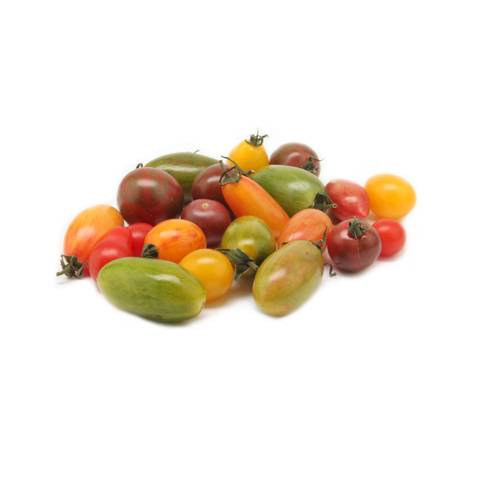
Mix of Heirloom Cherry Tomatoes
A Symphony of Flavors and Colors
PHP 890.00

Provence’s Violet Treasure
From PHP 980.00
Delivery date confirmed at checkout
XL, Approx 250g (4 pieces)
Most popularPHP 990.00 each
Chilled — Packed with thermal insulation & ice gel
Medium, Approx 250g (7-8 pieces)
PHP 980.00 each
Chilled — Packed with thermal insulation & ice gel
You’re PHP 3,000.00 away from free delivery in Metro Manila
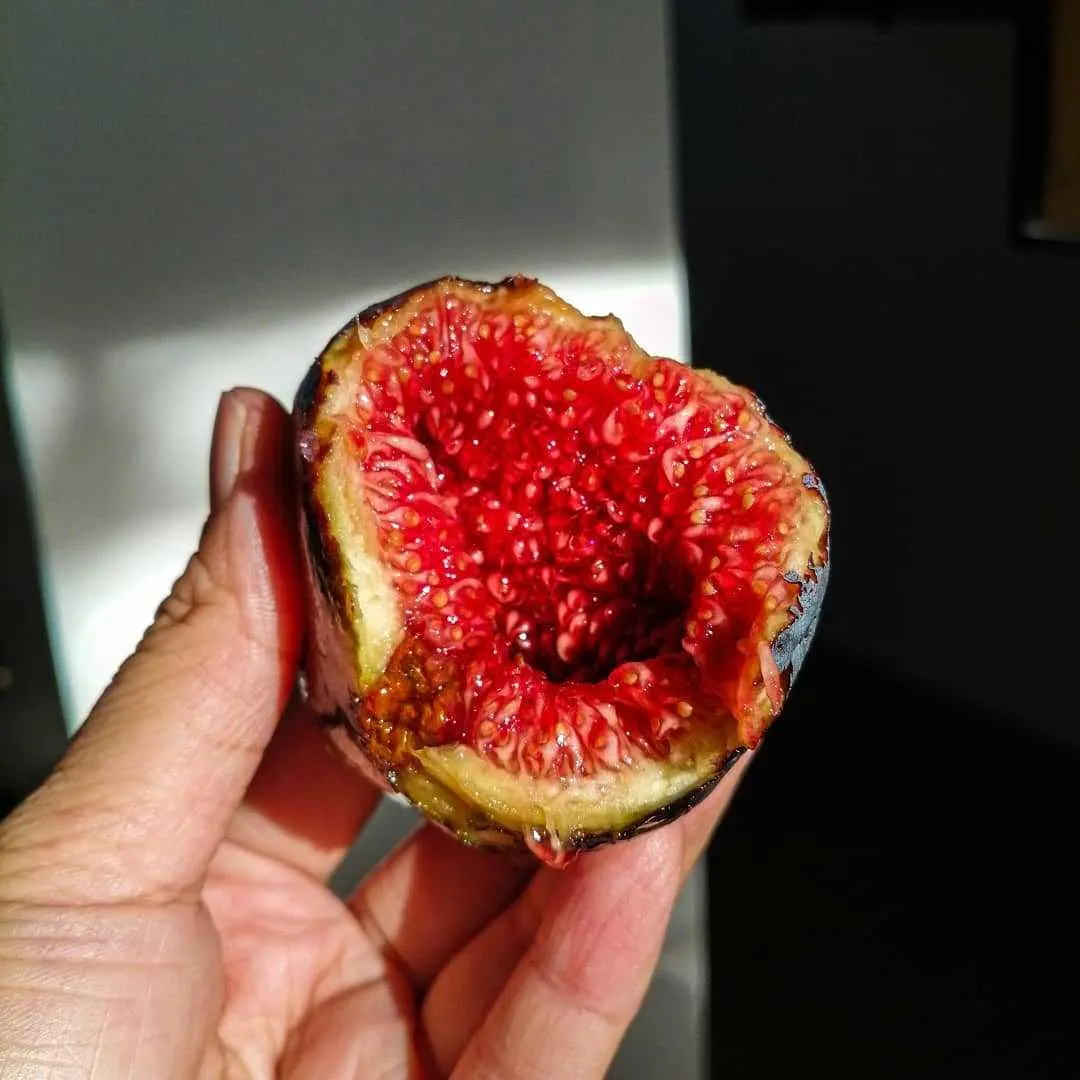
A seasonal AOP-protected fig from Provence, Figue de Solliès has glossy strawberry-coloured flesh, delicate red-fruit aromas, and an elegant balance of sweetness and bright acidity.
Temperature-Controlled Delivery
Satisfaction Guarantee
Same-Day Dispatch Before 4PM
Provence’s Violet Treasure
A seasonal AOP-protected fig from Provence, Figue de Solliès has glossy strawberry-coloured flesh, delicate red-fruit aromas, and an elegant balance of sweetness and bright acidity.
From PHP 980.00
Delivery date confirmed at checkout
XL, Approx 250g (4 pieces)
Most popularPHP 990.00 each
Chilled — Packed with thermal insulation & ice gel
Medium, Approx 250g (7-8 pieces)
PHP 980.00 each
Chilled — Packed with thermal insulation & ice gel
You’re PHP 3,000.00 away from free delivery in Metro Manila
Temperature-Controlled Delivery
Satisfaction Guarantee
Same-Day Dispatch Before 4PM
Figue de Solliès comes from the Bourjassotte Noire variety, recognised by its flattened teardrop shape and violet-to-black, finely veined skin. The fruit feels dense, firm, and supple, opening to glossy, juicy flesh the colour of strawberry jam, scattered with fine beige seeds.
Its aroma is delicate and distinctly fruity, with notes of watermelon, white melon, strawberry, and other red fruits. On the palate, the flesh begins lightly crisp before becoming melting and full, with the lively sweet-tart balance that defines the appellation.
Serve the figs simply halved or quartered so their colour and texture remain the focus. Their fresh acidity cuts beautifully through rich, savoury flavours: pair them with foie gras, prosciutto, roast duck, pork, or rabbit. For a cheese board, try fresh goat cheese, Roquefort, or aged Comté, with toasted walnuts and crusty bread.
They are equally lovely in salads, spooned over thick yoghurt, or baked briefly into a tart. If cooking, use gentle heat and a short cooking time to preserve their delicate flesh. For dessert, serve with vanilla ice cream or crème fraîche.
Fig cultivation has been part of the Solliès-Pont landscape since the nineteenth century. In the lower Gapeau Valley of Provence, generations of growers developed the local knowledge needed to cultivate, harvest, and sort this fragile fruit.
Recognised as an Appellation d’Origine Protégée in 2010, Figue de Solliès is tied to a defined production area and exacting quality standards. Fresh figs are packed in a single layer and handled carefully because they do not tolerate pressure, repeated handling, or sudden temperature changes. Their season is brief, traditionally running from late summer into autumn.
Refrigerate immediately at 8°C or below, preferably in the original single-layer tray or punnet. Do not stack or compress the figs; they are highly sensitive to handling and temperature changes. Enjoy as soon as possible after delivery, and rinse gently only just before serving.
Figue de Solliès comes from the Bourjassotte Noire variety, recognised by its flattened teardrop shape and violet-to-black, finely veined skin. The fruit feels dense, firm, and supple, opening to glossy, juicy flesh the colour of strawberry jam, scattered with fine beige seeds.
Its aroma is delicate and distinctly fruity, with notes of watermelon, white melon, strawberry, and other red fruits. On the palate, the flesh begins lightly crisp before becoming melting and full, with the lively sweet-tart balance that defines the appellation.
Serve the figs simply halved or quartered so their colour and texture remain the focus. Their fresh acidity cuts beautifully through rich, savoury flavours: pair them with foie gras, prosciutto, roast duck, pork, or rabbit. For a cheese board, try fresh goat cheese, Roquefort, or aged Comté, with toasted walnuts and crusty bread.
They are equally lovely in salads, spooned over thick yoghurt, or baked briefly into a tart. If cooking, use gentle heat and a short cooking time to preserve their delicate flesh. For dessert, serve with vanilla ice cream or crème fraîche.
Fig cultivation has been part of the Solliès-Pont landscape since the nineteenth century. In the lower Gapeau Valley of Provence, generations of growers developed the local knowledge needed to cultivate, harvest, and sort this fragile fruit.
Recognised as an Appellation d’Origine Protégée in 2010, Figue de Solliès is tied to a defined production area and exacting quality standards. Fresh figs are packed in a single layer and handled carefully because they do not tolerate pressure, repeated handling, or sudden temperature changes. Their season is brief, traditionally running from late summer into autumn.
Refrigerate immediately at 8°C or below, preferably in the original single-layer tray or punnet. Do not stack or compress the figs; they are highly sensitive to handling and temperature changes. Enjoy as soon as possible after delivery, and rinse gently only just before serving.
Curated Selection