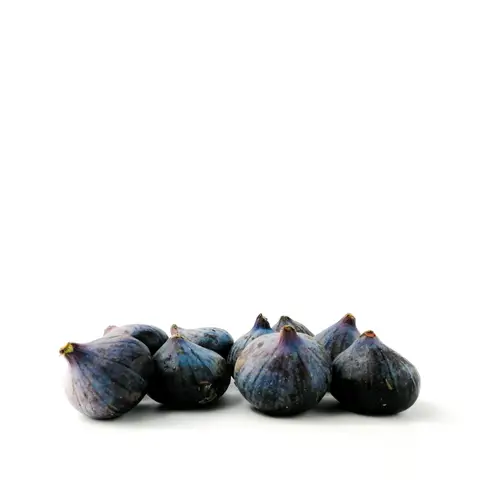
Fresh Solliès-Pont Figs from France
Provence’s Violet Treasure
PHP 990.00

The Queen Mother of Pears
PHP 1,699.00
Delivery date confirmed at checkout
2pcs, Approx. 500-600g
Most popularPHP 1,699.00 each
Chilled — Packed with thermal insulation & ice gel
You’re PHP 3,000.00 away from free delivery in Metro Manila
A popular dessert pear that originated from Angiers, France. Available only from late fall to winter.
Temperature-Controlled Delivery
Satisfaction Guarantee
Same-Day Dispatch Before 4PM
The Queen Mother of Pears
A popular dessert pear that originated from Angiers, France. Available only from late fall to winter.
PHP 1,699.00
Delivery date confirmed at checkout
2pcs, Approx. 500-600g
Most popularPHP 1,699.00 each
Chilled — Packed with thermal insulation & ice gel
You’re PHP 3,000.00 away from free delivery in Metro Manila
Temperature-Controlled Delivery
Satisfaction Guarantee
Same-Day Dispatch Before 4PM
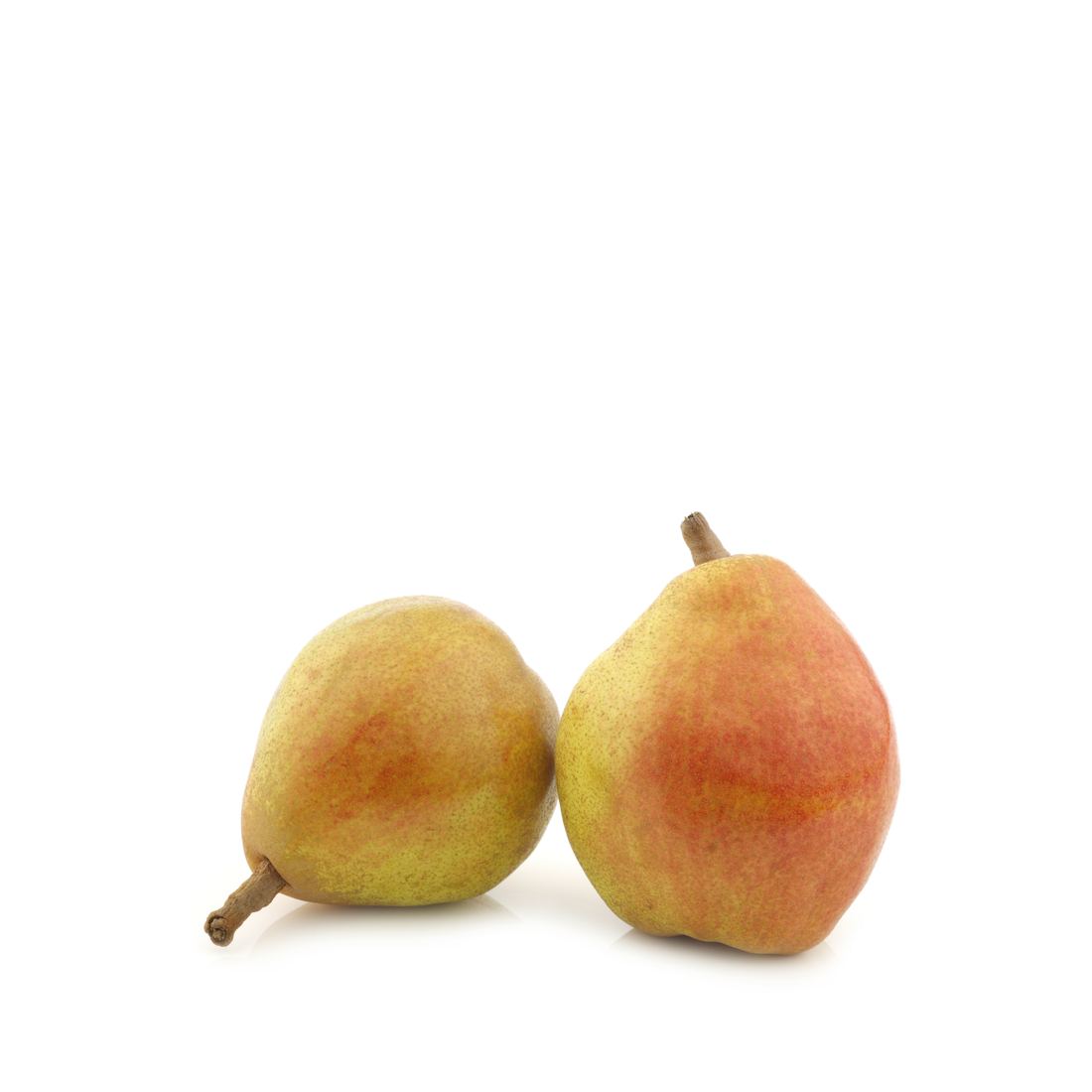
These pears are large, with squat, bulbous bases and tapered, rounded necks. Their yellow-green skin is smooth, taut, and delicate, and it bruises easily. Occasionally, these pears will have a bright red blush to them. Underneath the surface, the flesh is white to ivory, soft, and finer-grained than most other winter pear varieties. These are some of the most aromatic of pears, and have a juicy, tender, butter-melting quality to them. When ripe, they develop a sweet and subtly tangy flavor with delightful notes of vanilla and cinnamon.
Comice pears are typically eaten raw, both to showcase their sweet flavor and because their tenderness makes them break apart easily when cooked or baked. They’re lovely both as part of a cheese tray—especially one with blue cheeses, goat cheese, and Brie de Meaux—and as toppings over breakfast foods like oatmeal and pancakes. They’re excellent with pecans, walnuts, and a drizzle of honey. One popular way to cook and use them is to poach them first.
Because of their tenderness, Comice pears are delicate to cook or bake. One popular way to prepare them, though, is to poach them and serve them with a scoop of vanilla bean ice cream. Try a traditional French clafoutis or a crisp, crescent-shaped rugelach. They are lovely when blended in a granita with honey and green tea. For cocktail lovers, do make yourselves a spiced pear mojito!
Comice pears are formally called Doyenne du Comice in France. Doyenne basically means “Queen Mother” and Comice comes from “comice agricole” meaning “agricultural show”. Putting that together, you get “best-in-show” or, more classically, Queen of the Hop. It’s fitting for this pear’s reputation. However, there is a second way that this pear’s French name is spelled: Doyenné du Comice. A Doyenné is a deanery, the residence of the head of a church or university. Spelled this way, the pear’s name means “Dean of the Show”. Which way do you prefer it?
Comice pears are great pears for long-term storage. Store them in the coolest part of the refrigerator, at about -1°C, but not much colder or it will damage the fruit. This post-picking chill time can last up to 2 weeks. If you’d like them to ripen faster, leave them out on the counter for up to a week. Once you can feel the narrowest part give a little under your finger, your pear is ripe. If you’re not ready to eat all your pears at this point, put them back in the fridge and they’ll last another 3 to 5 days.
These pears are large, with squat, bulbous bases and tapered, rounded necks. Their yellow-green skin is smooth, taut, and delicate, and it bruises easily. Occasionally, these pears will have a bright red blush to them. Underneath the surface, the flesh is white to ivory, soft, and finer-grained than most other winter pear varieties. These are some of the most aromatic of pears, and have a juicy, tender, butter-melting quality to them. When ripe, they develop a sweet and subtly tangy flavor with delightful notes of vanilla and cinnamon.
Comice pears are typically eaten raw, both to showcase their sweet flavor and because their tenderness makes them break apart easily when cooked or baked. They’re lovely both as part of a cheese tray—especially one with blue cheeses, goat cheese, and Brie de Meaux—and as toppings over breakfast foods like oatmeal and pancakes. They’re excellent with pecans, walnuts, and a drizzle of honey. One popular way to cook and use them is to poach them first.
Because of their tenderness, Comice pears are delicate to cook or bake. One popular way to prepare them, though, is to poach them and serve them with a scoop of vanilla bean ice cream. Try a traditional French clafoutis or a crisp, crescent-shaped rugelach. They are lovely when blended in a granita with honey and green tea. For cocktail lovers, do make yourselves a spiced pear mojito!
Comice pears are formally called Doyenne du Comice in France. Doyenne basically means “Queen Mother” and Comice comes from “comice agricole” meaning “agricultural show”. Putting that together, you get “best-in-show” or, more classically, Queen of the Hop. It’s fitting for this pear’s reputation. However, there is a second way that this pear’s French name is spelled: Doyenné du Comice. A Doyenné is a deanery, the residence of the head of a church or university. Spelled this way, the pear’s name means “Dean of the Show”. Which way do you prefer it?
Comice pears are great pears for long-term storage. Store them in the coolest part of the refrigerator, at about -1°C, but not much colder or it will damage the fruit. This post-picking chill time can last up to 2 weeks. If you’d like them to ripen faster, leave them out on the counter for up to a week. Once you can feel the narrowest part give a little under your finger, your pear is ripe. If you’re not ready to eat all your pears at this point, put them back in the fridge and they’ll last another 3 to 5 days.
Curated Selection