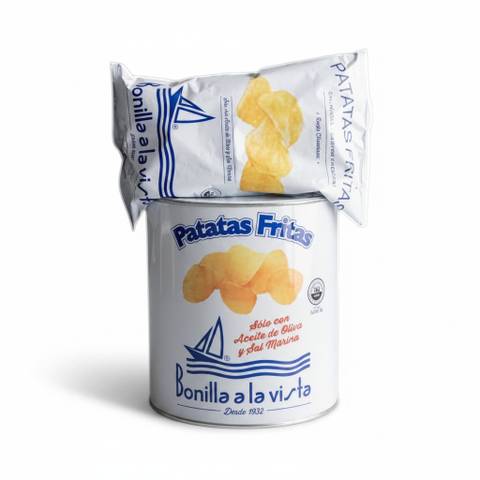
Bonilla a la Vista Potato Chips
Galicia’s Iconic Crunch
PHP 159.00

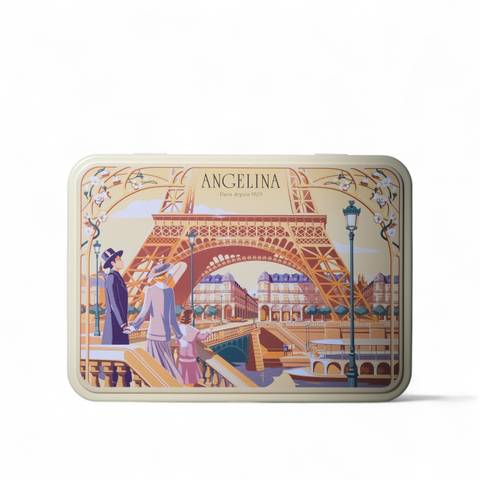
A pretty tin with a very sensible purpose

From PHP 1,659.00
Delivery date confirmed at checkout
Nov 17 Delivery
PHP 1,659.00 each
Dec 1 Delivery
PHP 1,659.00 each
You’re PHP 3,000.00 away from free delivery in Metro Manila
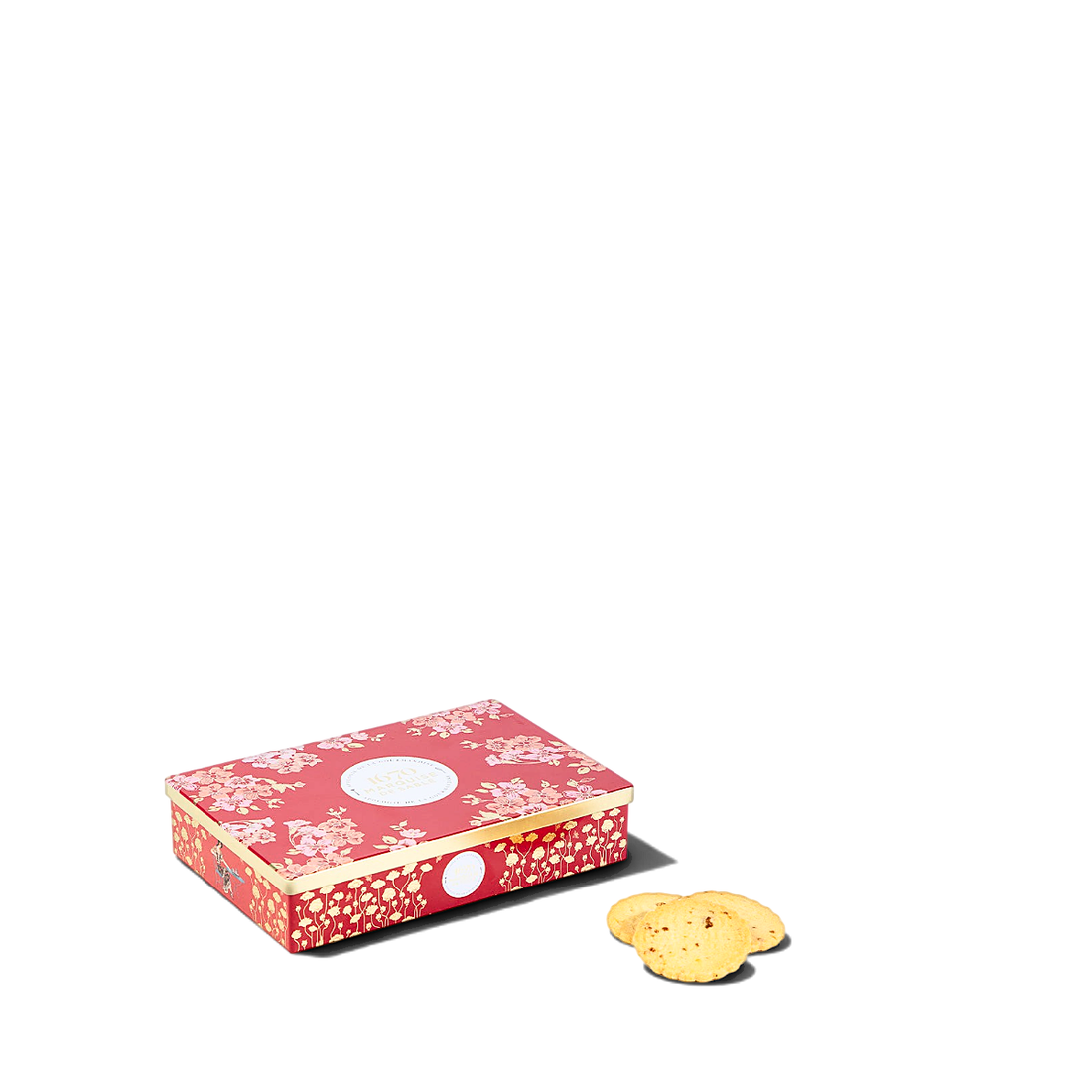
Salted-caramel French butter sablés in La Sablésienne’s decorative 150 g Les Folies metal tin.
Temperature-Controlled Delivery
Satisfaction Guarantee
Same-Day Dispatch Before 4PM
A pretty tin with a very sensible purpose
Salted-caramel French butter sablés in La Sablésienne’s decorative 150 g Les Folies metal tin.
From PHP 1,659.00
Delivery date confirmed at checkout
Nov 17 Delivery
PHP 1,659.00 each
Dec 1 Delivery
PHP 1,659.00 each
You’re PHP 3,000.00 away from free delivery in Metro Manila
Temperature-Controlled Delivery
Satisfaction Guarantee
Same-Day Dispatch Before 4PM
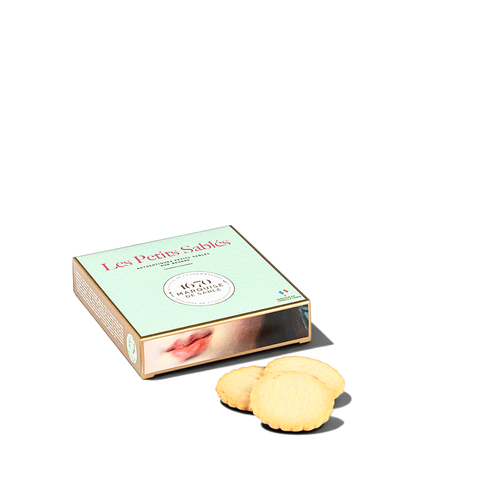
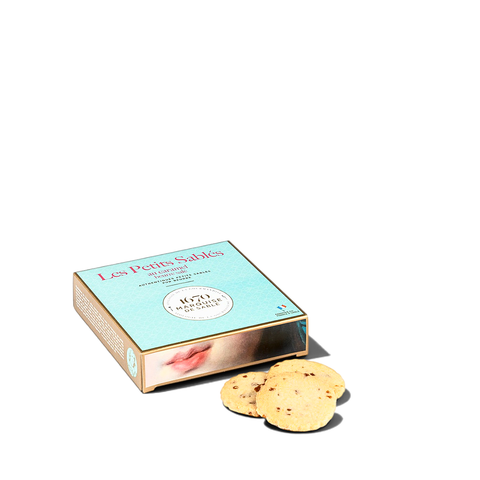
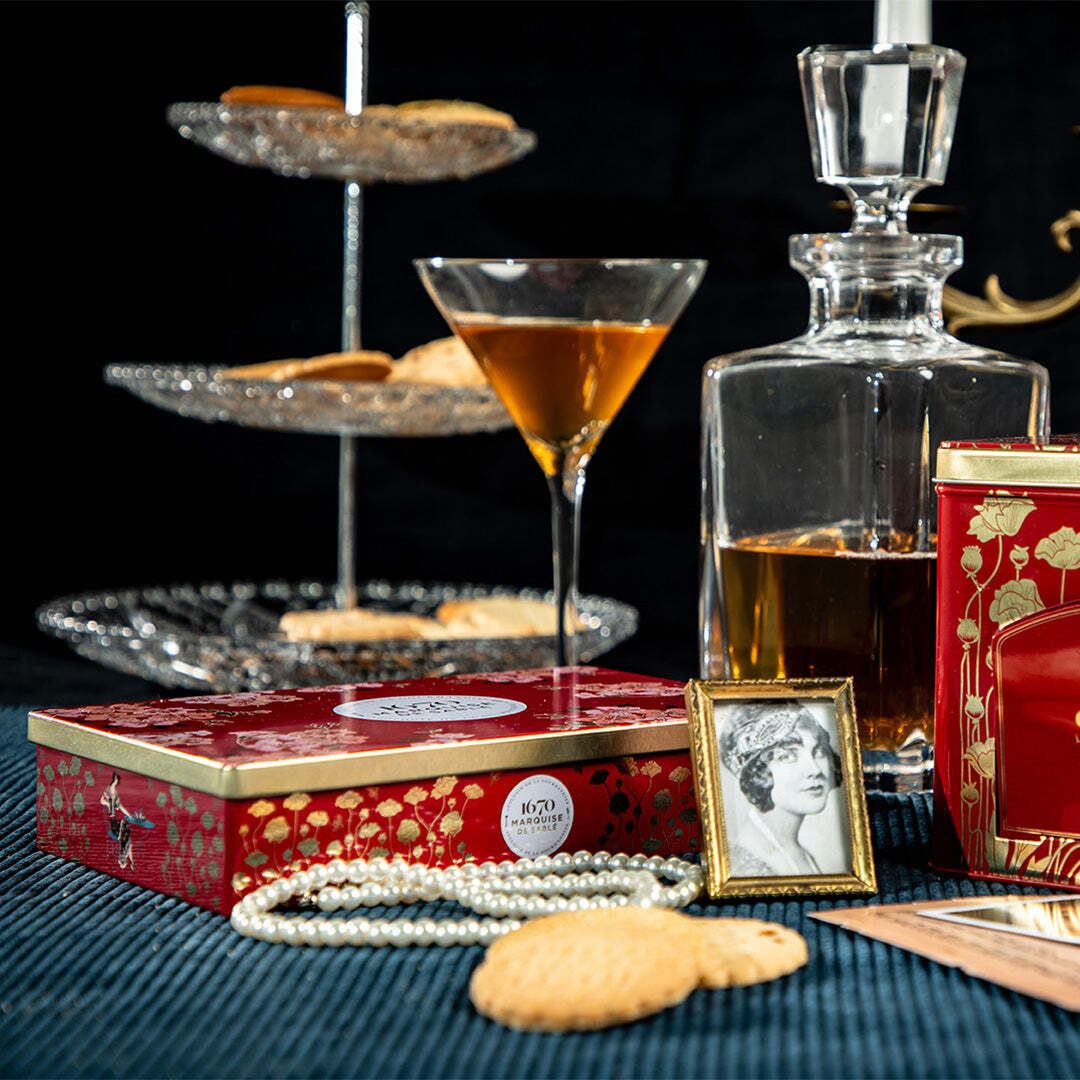
The tin catches the eye first, but the biscuit gives it a reason to stay on the table. Inside are La Sablésienne's scalloped 1670 sablés with salted-butter caramel pieces. The maker uses wheat flour, fresh butter, sugar, caramel pieces, eggs and a natural caramel flavouring in this exact recipe. The bite begins with the familiar short, crisp butter biscuit; the caramel pieces bring soft sweetness and a little salty punctuation. It feels richer than a plain sablé, yet the small rounds keep the serving pleasantly light. This is the same salted-caramel flavour family as the maker's 100 g sleeve, but the 150 g Les Folies metal box has a different job. It can be carried to someone's house, set beside a teapot, then kept for small things when the biscuits are gone. That makes the contents worth discussing rather than merely admiring through the packaging. Open the lid just before serving and let guests take a few; the simple act of passing a tin is half the pleasure. A neat little occasion, with almost no preparation.
La Sablésienne's home is Sablé-sur-Sarthe, the town that lent its name to the sablé biscuit. The house was founded in 1962 and makes this caramel recipe as part of its 1670 Marquise de Sablé line. The earlier date points to the tale of the Marquise presenting little round biscuits at the Grand Condé's court; it does not claim the modern company was already there. There is a nice continuity in placing a familiar local recipe in a decorative metal box. Once, the biscuits would have been offered around a courtly table; today, the tin can do the same job at a kitchen table with much less ceremony. The maker says its 1670 dough is richer in butter and egg than its other sablés. That is a more useful reason to give the box than the decoration alone: it is a present meant to be eaten.
Ingredients and allergens: Wheat flour, fresh butter (milk), sugar, salted-butter caramel pieces, natural caramel flavouring, eggs, salt, corn starch. Made in a workshop that also uses sesame, soy and tree nuts.
Store in a cool, dry place, away from heat and moisture.
The tin catches the eye first, but the biscuit gives it a reason to stay on the table. Inside are La Sablésienne's scalloped 1670 sablés with salted-butter caramel pieces. The maker uses wheat flour, fresh butter, sugar, caramel pieces, eggs and a natural caramel flavouring in this exact recipe. The bite begins with the familiar short, crisp butter biscuit; the caramel pieces bring soft sweetness and a little salty punctuation. It feels richer than a plain sablé, yet the small rounds keep the serving pleasantly light. This is the same salted-caramel flavour family as the maker's 100 g sleeve, but the 150 g Les Folies metal box has a different job. It can be carried to someone's house, set beside a teapot, then kept for small things when the biscuits are gone. That makes the contents worth discussing rather than merely admiring through the packaging. Open the lid just before serving and let guests take a few; the simple act of passing a tin is half the pleasure. A neat little occasion, with almost no preparation.
La Sablésienne's home is Sablé-sur-Sarthe, the town that lent its name to the sablé biscuit. The house was founded in 1962 and makes this caramel recipe as part of its 1670 Marquise de Sablé line. The earlier date points to the tale of the Marquise presenting little round biscuits at the Grand Condé's court; it does not claim the modern company was already there. There is a nice continuity in placing a familiar local recipe in a decorative metal box. Once, the biscuits would have been offered around a courtly table; today, the tin can do the same job at a kitchen table with much less ceremony. The maker says its 1670 dough is richer in butter and egg than its other sablés. That is a more useful reason to give the box than the decoration alone: it is a present meant to be eaten.
Ingredients and allergens: Wheat flour, fresh butter (milk), sugar, salted-butter caramel pieces, natural caramel flavouring, eggs, salt, corn starch. Made in a workshop that also uses sesame, soy and tree nuts.
Store in a cool, dry place, away from heat and moisture.
Curated Selection