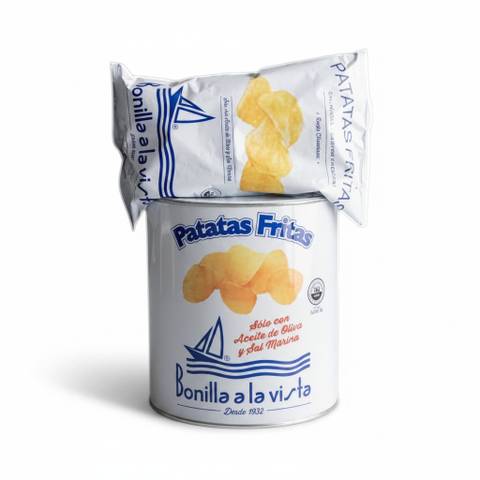
Bonilla a la Vista Potato Chips
Galicia’s Iconic Crunch
PHP 159.00

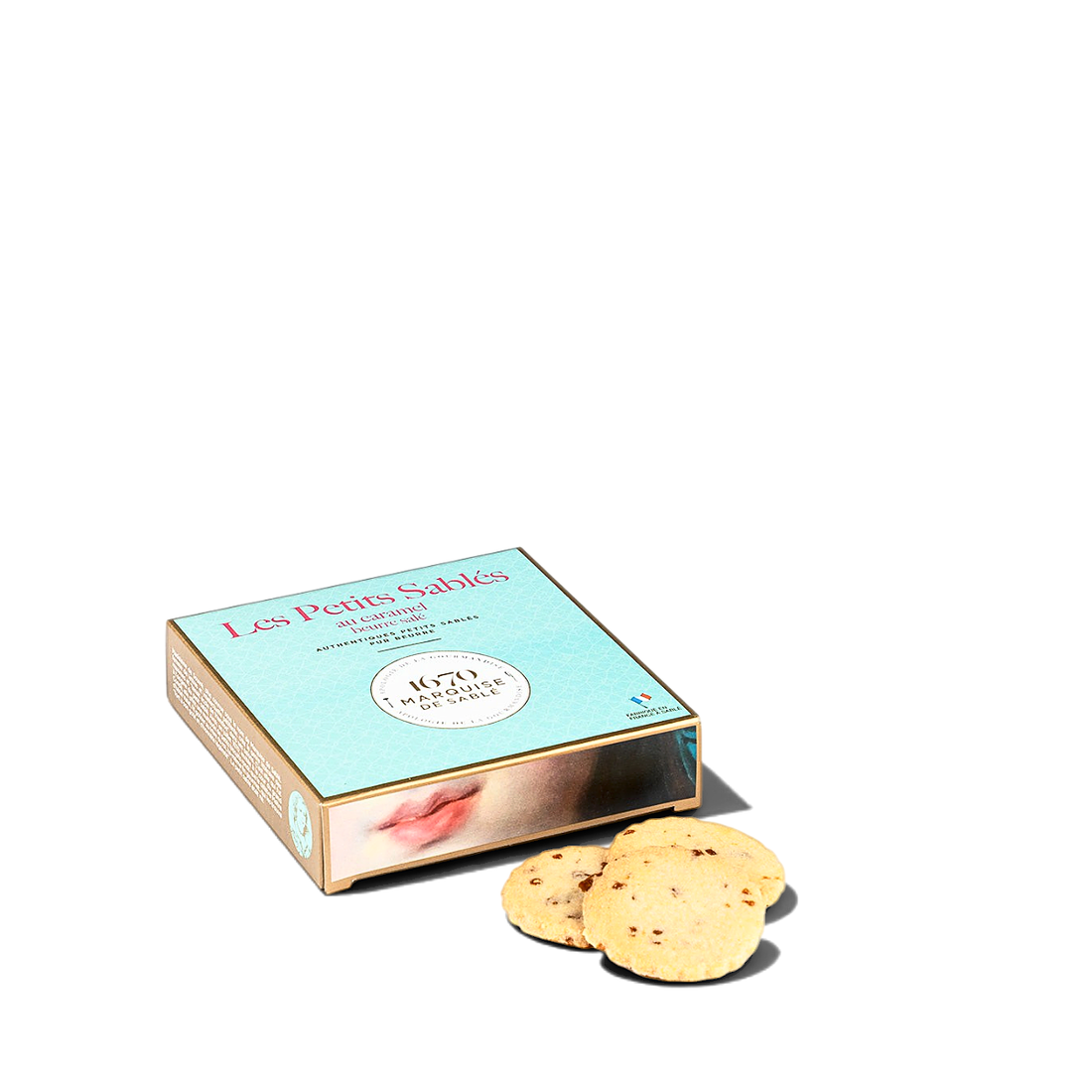
The biscuit break with a little caramel crunch

From PHP 649.00
Delivery date confirmed at checkout
Nov 17 Delivery
Most popularPHP 649.00 each
Dec 1 Delivery
PHP 649.00 each
You’re PHP 3,000.00 away from free delivery in Metro Manila
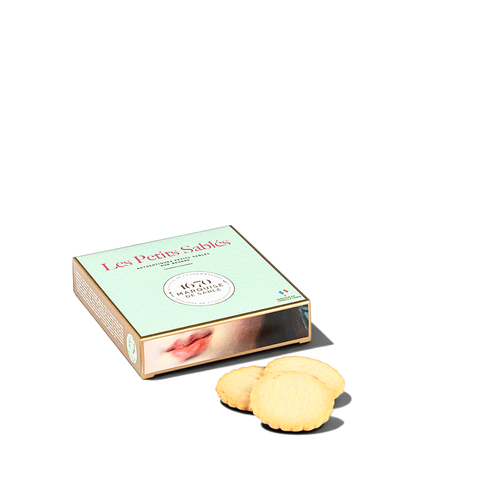
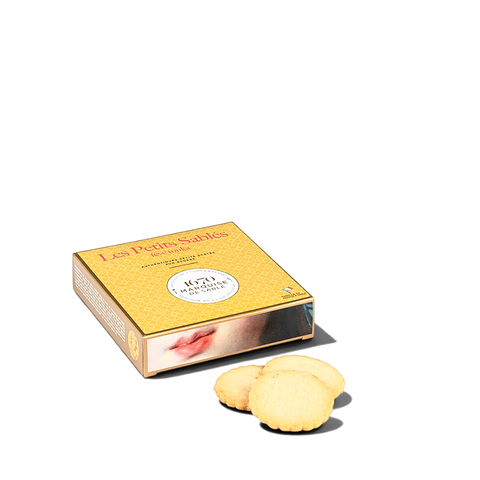
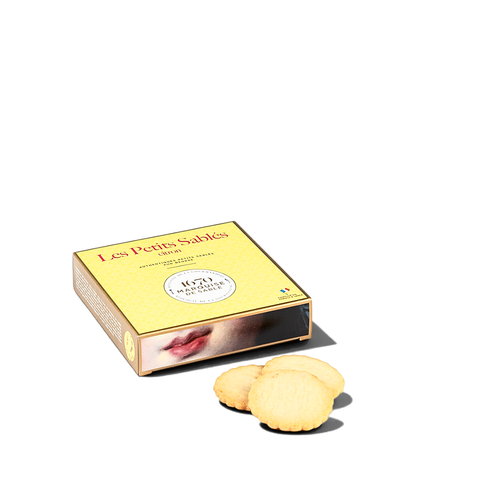
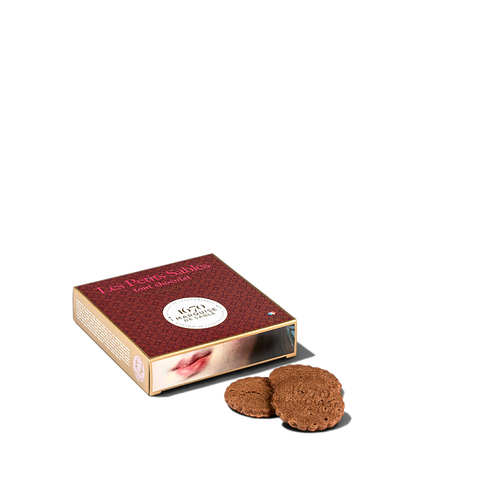
French butter sablés dotted with salted-butter caramel pieces, in an easy-to-share 100 g sleeve.
Temperature-Controlled Delivery
Satisfaction Guarantee
Same-Day Dispatch Before 4PM
The biscuit break with a little caramel crunch
French butter sablés dotted with salted-butter caramel pieces, in an easy-to-share 100 g sleeve.
From PHP 649.00
Delivery date confirmed at checkout
Nov 17 Delivery
Most popularPHP 649.00 each
Dec 1 Delivery
PHP 649.00 each
You’re PHP 3,000.00 away from free delivery in Metro Manila
Temperature-Controlled Delivery
Satisfaction Guarantee
Same-Day Dispatch Before 4PM
The pleasure of this biscuit comes in two beats. First there is the familiar sablé: crisp at the edge, short and tender as it breaks, with fresh butter doing most of the talking. Then a piece of salted-butter caramel turns up and adds a richer, slightly salty note. La Sablésienne makes the 100 g sleeve in its 1670 Marquise de Sablé line, whose dough the house describes as richer in butter and egg than its other sablés. The exact recipe lists wheat flour, fresh butter, sugar, salted-butter caramel pieces, natural caramel flavouring, eggs, salt and corn starch. It is a biscuit with a clear sweet side, but the salt stops it from becoming one long sugar note. The small, scalloped round is easy to serve with coffee and neat enough to put on a dessert plate. You can also eat it without a drink and still notice the balance between biscuit and caramel. It is the sort of everyday treat that feels more deliberate than reaching into a generic cookie jar, while asking no more of the host than opening a sleeve.
The date on this range refers to a story La Sablésienne tells about the Marquise de Sablé. In 1670 she brought small round biscuits to the court of the Grand Condé, helping give the local biscuit its lasting reputation. The biscuiterie itself was founded in Sablé-sur-Sarthe in 1962, so 1670 is a culinary reference, not the company's birthday. That distinction is part of the charm: the recipe can belong to a long tradition and still make room for a salted-caramel version. The maker describes using fresh butter from the Pays de la Loire and flour from Sarthe millers for its little sablés. What arrives in this sleeve is neither a museum piece nor a novelty for novelty's sake. It is a working tea-time biscuit, with a very agreeable caramel detour.
Ingredients and allergens: Wheat flour, fresh butter (milk), sugar, salted-butter caramel pieces, natural caramel flavouring, eggs, salt, corn starch. Made in a workshop that also uses sesame, soy and tree nuts.
Store in a cool, dry place.
The pleasure of this biscuit comes in two beats. First there is the familiar sablé: crisp at the edge, short and tender as it breaks, with fresh butter doing most of the talking. Then a piece of salted-butter caramel turns up and adds a richer, slightly salty note. La Sablésienne makes the 100 g sleeve in its 1670 Marquise de Sablé line, whose dough the house describes as richer in butter and egg than its other sablés. The exact recipe lists wheat flour, fresh butter, sugar, salted-butter caramel pieces, natural caramel flavouring, eggs, salt and corn starch. It is a biscuit with a clear sweet side, but the salt stops it from becoming one long sugar note. The small, scalloped round is easy to serve with coffee and neat enough to put on a dessert plate. You can also eat it without a drink and still notice the balance between biscuit and caramel. It is the sort of everyday treat that feels more deliberate than reaching into a generic cookie jar, while asking no more of the host than opening a sleeve.
The date on this range refers to a story La Sablésienne tells about the Marquise de Sablé. In 1670 she brought small round biscuits to the court of the Grand Condé, helping give the local biscuit its lasting reputation. The biscuiterie itself was founded in Sablé-sur-Sarthe in 1962, so 1670 is a culinary reference, not the company's birthday. That distinction is part of the charm: the recipe can belong to a long tradition and still make room for a salted-caramel version. The maker describes using fresh butter from the Pays de la Loire and flour from Sarthe millers for its little sablés. What arrives in this sleeve is neither a museum piece nor a novelty for novelty's sake. It is a working tea-time biscuit, with a very agreeable caramel detour.
Ingredients and allergens: Wheat flour, fresh butter (milk), sugar, salted-butter caramel pieces, natural caramel flavouring, eggs, salt, corn starch. Made in a workshop that also uses sesame, soy and tree nuts.
Store in a cool, dry place.
Curated Selection