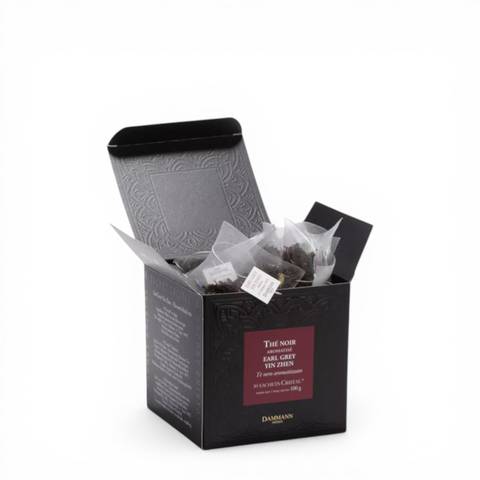
Dammann Frères Earl Grey Yin Zhen Tea Bags
PHP 1,409.00


From PHP 649.00
Delivery date confirmed at checkout
Nov 17 Delivery
Most popularPHP 649.00 each
Dec 1 Delivery
PHP 649.00 each
You’re PHP 3,000.00 away from free delivery in Metro Manila
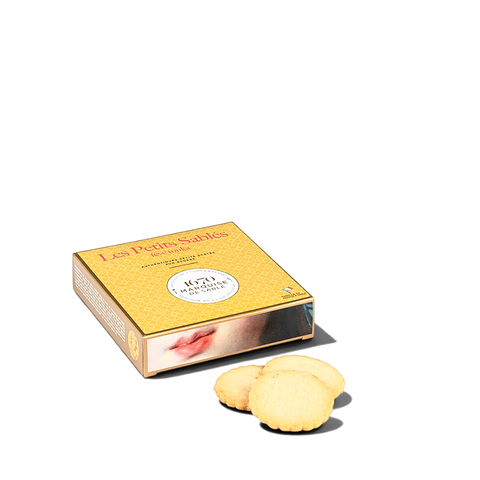
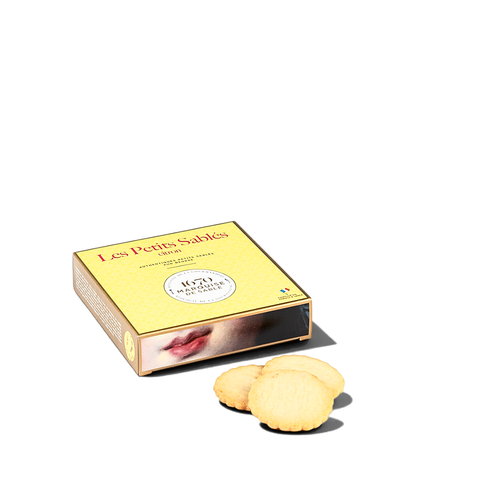
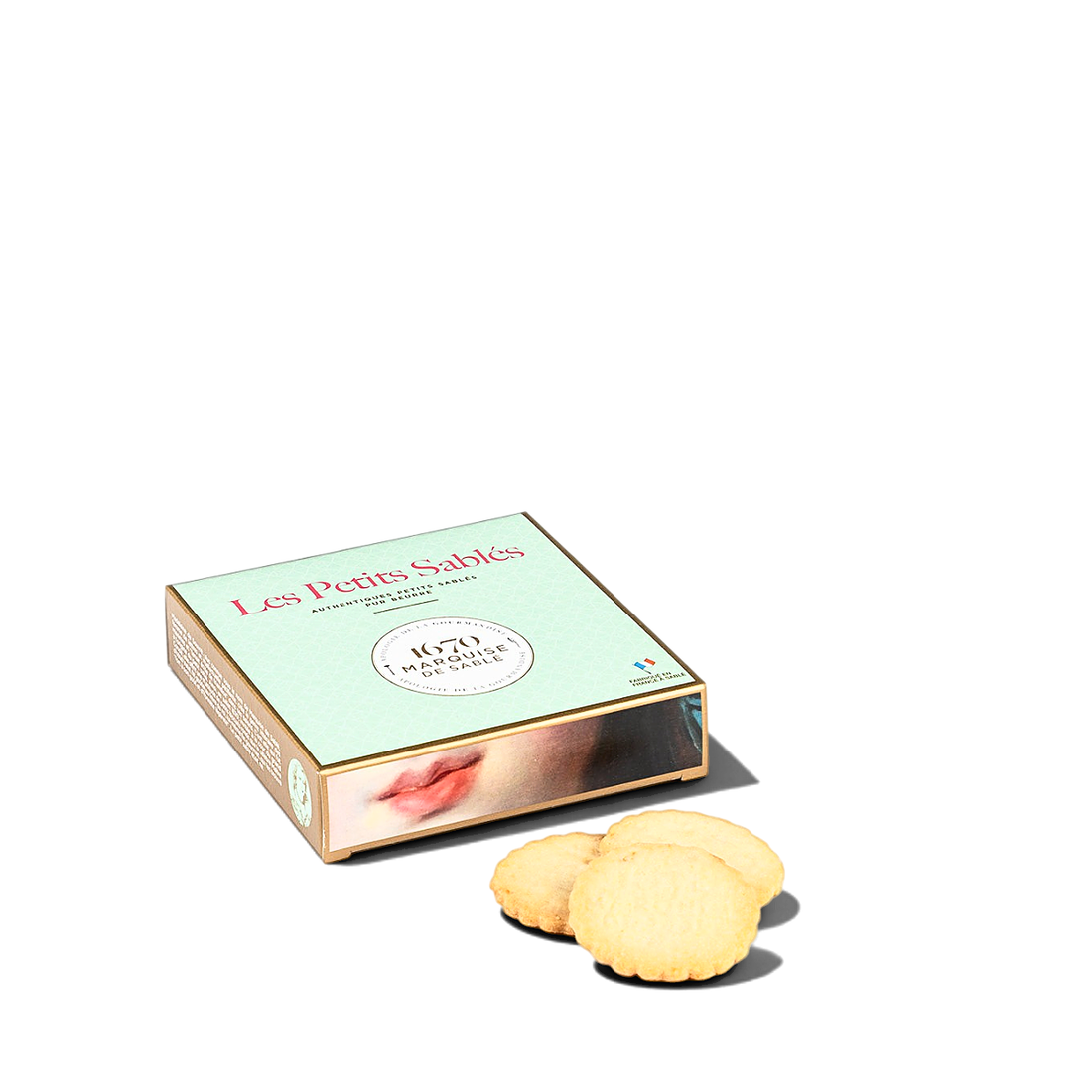
Crisp, butter-rich French sablés from Sablé-sur-Sarthe, packed in a 100 g sleeve for the most agreeable sort of pause.
Temperature-Controlled Delivery
Satisfaction Guarantee
Same-Day Dispatch Before 4PM
Crisp, butter-rich French sablés from Sablé-sur-Sarthe, packed in a 100 g sleeve for the most agreeable sort of pause.
From PHP 649.00
Delivery date confirmed at checkout
Nov 17 Delivery
Most popularPHP 649.00 each
Dec 1 Delivery
PHP 649.00 each
You’re PHP 3,000.00 away from free delivery in Metro Manila
Temperature-Controlled Delivery
Satisfaction Guarantee
Same-Day Dispatch Before 4PM
Complete the Experience
This is the sablé in its most straightforward form: a small, scalloped butter biscuit that makes a fine argument for keeping the recipe simple. La Sablésienne makes it in Sablé-sur-Sarthe with wheat flour, fresh butter, sugar, eggs, a little salt and corn starch. The maker describes its 1670 line as richer in butter and egg than its other sablés, with egg mixed into the dough rather than brushed onto the surface. That helps explain the biscuit's delicate bite: crisp at first, then tender and crumbly, without feeling heavy. The butter gives it a round, creamy flavour; the sugar stays in a supporting role. You can enjoy the clean finish on its own, but it is especially good beside something that provides contrast: a fragrant tea, a bright fruit preserve, or coffee with a little edge. There are no chips, icing or clever tricks to distract from the baking. That is part of its charm. Take one, notice the buttery aroma, and then see how long your resolve lasts before reaching for a second.
Sablé-sur-Sarthe did more than inspire a biscuit's name. La Sablésienne keeps alive a local story that reaches back to 1670, when Madeleine de Souvré, the Marquise de Sablé, introduced little round biscuits at the court of the Grand Condé. The company itself began much later, in 1962; the date on the 1670 Marquise de Sablé line marks the culinary tradition, not the founding of the biscuiterie. That distinction matters because it leaves room for both history and today's bakers. The house still describes baking its biscuits on metal plates and lifting them by hand. It is a pleasing thought when you open an ordinary 100 g sleeve: a courtly origin, a working bakery, and a biscuit that asks very little of you beyond a cup of tea.
Ingredients and allergens: Wheat flour, fresh butter (milk), sugar, eggs, salt, corn starch. Made in a workshop that also uses sesame, soy and tree nuts.
Store in a cool, dry place.
This is the sablé in its most straightforward form: a small, scalloped butter biscuit that makes a fine argument for keeping the recipe simple. La Sablésienne makes it in Sablé-sur-Sarthe with wheat flour, fresh butter, sugar, eggs, a little salt and corn starch. The maker describes its 1670 line as richer in butter and egg than its other sablés, with egg mixed into the dough rather than brushed onto the surface. That helps explain the biscuit's delicate bite: crisp at first, then tender and crumbly, without feeling heavy. The butter gives it a round, creamy flavour; the sugar stays in a supporting role. You can enjoy the clean finish on its own, but it is especially good beside something that provides contrast: a fragrant tea, a bright fruit preserve, or coffee with a little edge. There are no chips, icing or clever tricks to distract from the baking. That is part of its charm. Take one, notice the buttery aroma, and then see how long your resolve lasts before reaching for a second.
Sablé-sur-Sarthe did more than inspire a biscuit's name. La Sablésienne keeps alive a local story that reaches back to 1670, when Madeleine de Souvré, the Marquise de Sablé, introduced little round biscuits at the court of the Grand Condé. The company itself began much later, in 1962; the date on the 1670 Marquise de Sablé line marks the culinary tradition, not the founding of the biscuiterie. That distinction matters because it leaves room for both history and today's bakers. The house still describes baking its biscuits on metal plates and lifting them by hand. It is a pleasing thought when you open an ordinary 100 g sleeve: a courtly origin, a working bakery, and a biscuit that asks very little of you beyond a cup of tea.
Ingredients and allergens: Wheat flour, fresh butter (milk), sugar, eggs, salt, corn starch. Made in a workshop that also uses sesame, soy and tree nuts.
Store in a cool, dry place.
Curated Selection