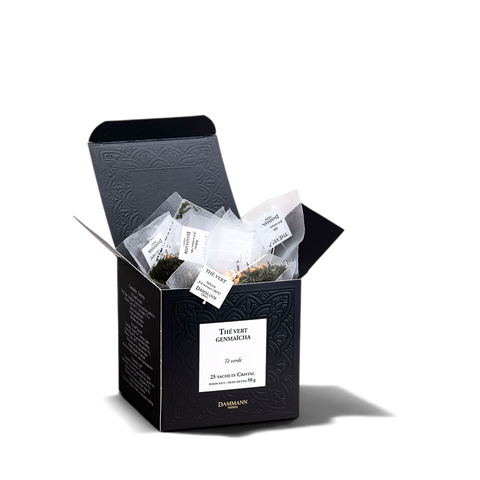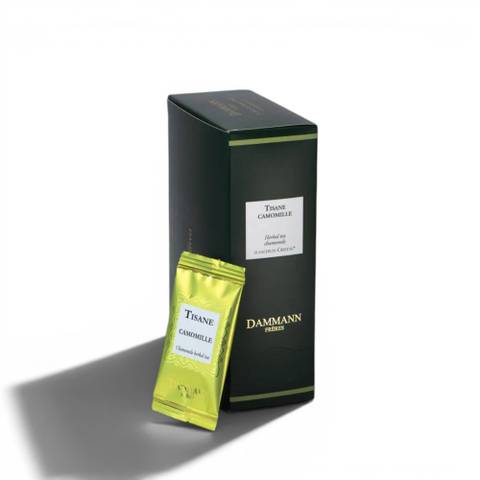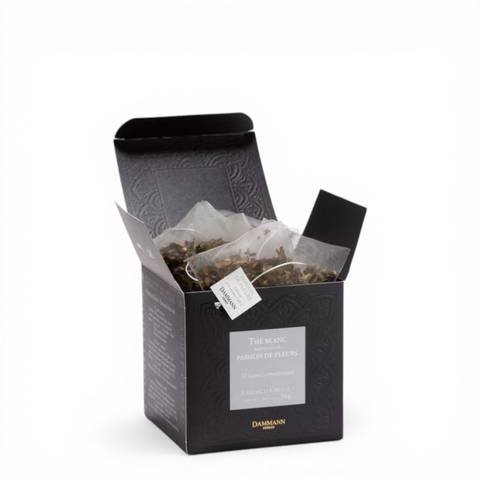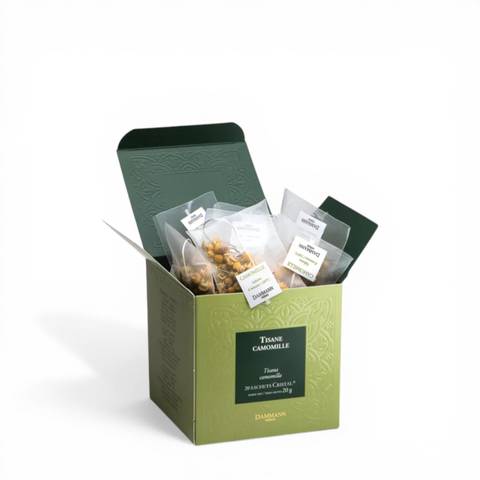

Dammann Frères Sencha Fukuyu Enveloped Tea Bags
Japanese Green Tea, Anywhere
PHP 1,140.00


PHP 1,139.00
Delivery date confirmed at checkout
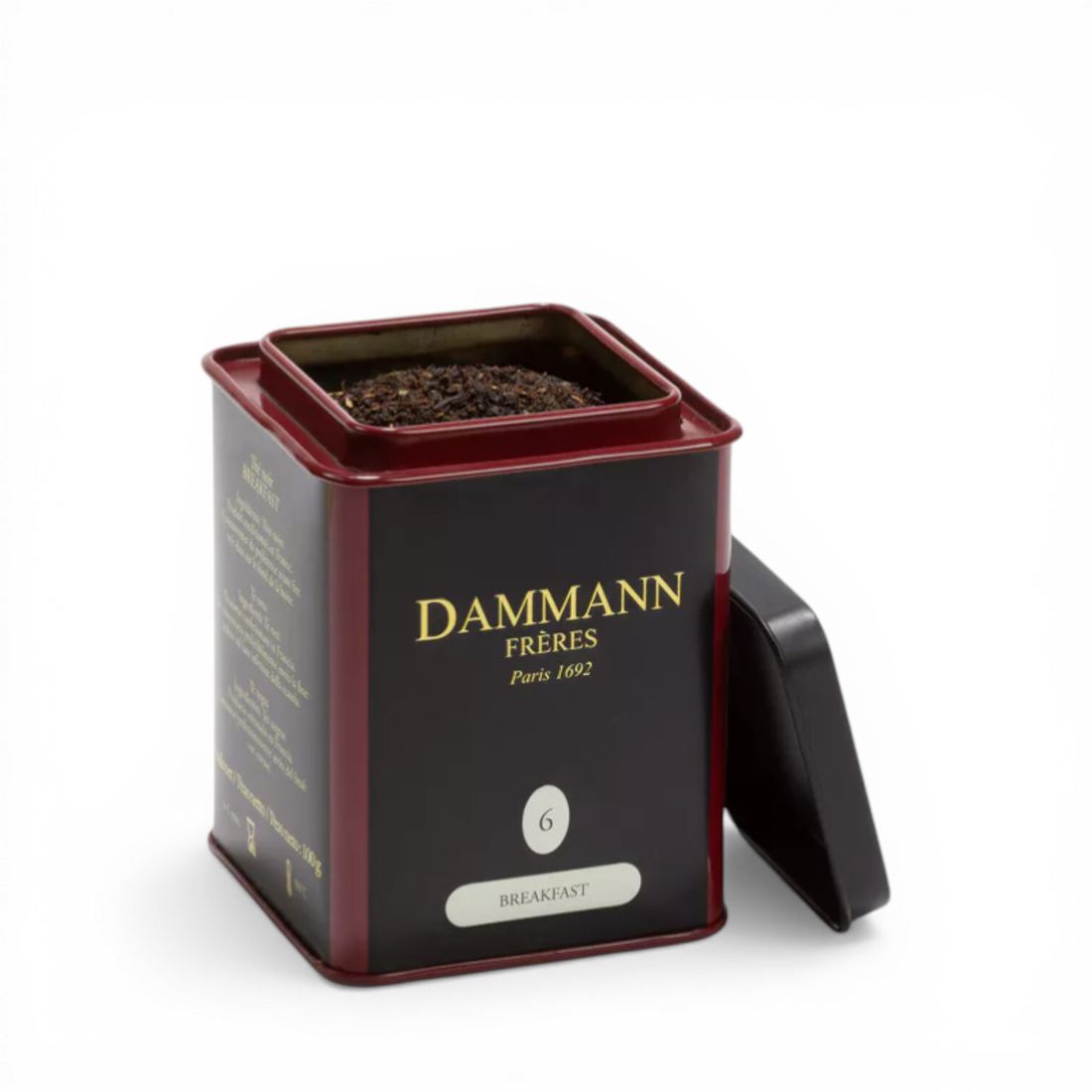
Loose Leaf Tin 100g
Most popularPHP 1,139.00 each
You’re PHP 3,000.00 away from free delivery in Metro Manila
A masterful composition of Assam, Ceylon, and Darjeeling—three continents of character unified in a single cup.
Temperature-Controlled Delivery
Satisfaction Guarantee
Same-Day Dispatch Before 4PM
A masterful composition of Assam, Ceylon, and Darjeeling—three continents of character unified in a single cup.
PHP 1,139.00
Delivery date confirmed at checkout
Loose Leaf Tin 100g
Most popularPHP 1,139.00 each
You’re PHP 3,000.00 away from free delivery in Metro Manila
Temperature-Controlled Delivery
Satisfaction Guarantee
Same-Day Dispatch Before 4PM
There is a particular sensibility to the great breakfast teas of the world, a confidence that borders on defiance. This is not a tea that whispers or coquettes. It speaks directly, without apology, in the morning light.
The Breakfast blend opens with the full-bodied, almost creamy malt character of Assam—that primal earthiness that carries memories of monsoon mists and tea gardens stretching toward the horizon. But Dammann's art lies not in excess but in orchestration. The woodsy undercurrents of Ceylon temper the boldness, introducing a subtle dryness that prevents the cup from ever becoming cloying. There's a structural integrity here, a backbone that reminds you of aged wood and sun-warmed stone.
Then comes the Darjeeling's contribution—the most delicate voice in the ensemble. Watch how it pirouettes through the cup: fruity notes dancing like afternoon light through a château's tall windows, spicy whispers that recall black pepper and dried fruit. It is the Darjeeling that separates a mere breakfast tea from one worthy of Parisian appreciation.
The craftsmanship evident in this blend speaks to Dammann Frères' 300-year legacy. These are not fragments carelessly assembled. Each component was selected for how it would speak to the others, how the malty richness of Assam would create a canvas for Ceylon's structural support, how Darjeeling's complexity would provide the final note of sophistication. When you add a touch of milk—as is traditional—the tea transforms again, becoming silkier, more elegant, with the astringency softening into something almost creamy. The loose leaves have room to unfurl in a pot, releasing their character as they steep.
This is not a refinement imposed from outside. It is the natural expression of three great tea regions, brought together by people who understand that breakfast deserves nothing less than excellence.
The finish lingers, too — a gentle astringency that cleans the palate and invites you back for another sip. There is a reason why this blend has endured through decades of shifting tastes: it speaks to something fundamental about what a morning cup should be. Not trendy, not experimental, but deeply right. The kind of tea you pour without thinking, then pause mid-sip to appreciate with fresh eyes, as though tasting it for the first time. In the Dammann tradition, this is what mastery sounds like — quiet, assured, and never needing to explain itself.
This is a breakfast tea in the truest sense, and it behaves beautifully with:
Warm pastries and scones: The malt sweetness complements butter and pastry. Serve Madge’s Classic Scones with Rodda’s Cornish Clotted Cream for a cream tea; croissants are another option when available.
Eggs and morning proteins: Scrambled eggs, soft-boiled eggs in their cups, smoked salmon on toast—the tea's body and slight tannin provide contrast without conflict.
Toasted bread with preserves: Try Maison Perrotte Gariguette Strawberry Jam on warm toast or brioche.
Creamy cheeses: A classic French breakfast pairing—aged Comté, subtle Camembert. The milk in the tea creates a textural bridge.
Alone, in contemplation: The tea is complete unto itself. No accompaniment necessary for those who understand that the best breakfast is sometimes just a perfect cup and the morning newspaper.
Light vegetable preparations: Asparagus with hollandaise, mushrooms on toast. The tea's delicacy with food is often underestimated.
In 1925, when Robert and Pierre Dammann established their house in Paris, the morning ritual was sacred. But breakfast teas of the era were often brutal, unsophisticated affairs—oxidized leaves that assaulted the palate, leaving it raw for the rest of the day. The brothers understood that a true morning tea must awaken the senses without violence.
What they created was revolutionary in its restraint. Rather than pursuing the strongest possible flavor, they sought balance. The Breakfast blend became so successful that by 1932, it was served aboard the Compagnie Générale Transatlantique's transatlantic ships—the floating palaces of the era. Imagine: wealthy travelers, beginning their voyage to America, reaching for their morning cup and finding not merely sustenance but assurance. This tea, they could be certain, came from people who understood how to treat tea as an art.
The Breakfast remains, today, one of Dammann Frères' most essential blends. It anchors the collection. When the company moved to its 30,000-square-meter facility in Dreux, this was one of the blends that justified every investment in precision equipment and expert hands. It is the most French of their offerings—not because it is made in France, but because it embodies French values: balance, elegance, the refusal of excess, the pursuit of the essential.
The award of the Entreprise du Patrimoine Vivant (EPV) label recognized Dammann Frères' mastery "from leaf to cup." The Breakfast blend is where you taste that mastery most directly.
Store in a cool, dry place away from direct sunlight and strong odors. The metal tin provides excellent protection; once opened, transfer to an airtight container if you have one. Properly stored loose leaf will maintain optimal flavor for 6-12 months. Never refrigerate. The leaves are delicate and humidity is the enemy of freshness. A dark cupboard or closet is ideal. Keep away from spices and coffee, which can transfer their aromatic oils. If the tin shows any damp spots inside, transfer immediately to dry storage and use within a few weeks.
There is a particular sensibility to the great breakfast teas of the world, a confidence that borders on defiance. This is not a tea that whispers or coquettes. It speaks directly, without apology, in the morning light.
The Breakfast blend opens with the full-bodied, almost creamy malt character of Assam—that primal earthiness that carries memories of monsoon mists and tea gardens stretching toward the horizon. But Dammann's art lies not in excess but in orchestration. The woodsy undercurrents of Ceylon temper the boldness, introducing a subtle dryness that prevents the cup from ever becoming cloying. There's a structural integrity here, a backbone that reminds you of aged wood and sun-warmed stone.
Then comes the Darjeeling's contribution—the most delicate voice in the ensemble. Watch how it pirouettes through the cup: fruity notes dancing like afternoon light through a château's tall windows, spicy whispers that recall black pepper and dried fruit. It is the Darjeeling that separates a mere breakfast tea from one worthy of Parisian appreciation.
The craftsmanship evident in this blend speaks to Dammann Frères' 300-year legacy. These are not fragments carelessly assembled. Each component was selected for how it would speak to the others, how the malty richness of Assam would create a canvas for Ceylon's structural support, how Darjeeling's complexity would provide the final note of sophistication. When you add a touch of milk—as is traditional—the tea transforms again, becoming silkier, more elegant, with the astringency softening into something almost creamy. The loose leaves have room to unfurl in a pot, releasing their character as they steep.
This is not a refinement imposed from outside. It is the natural expression of three great tea regions, brought together by people who understand that breakfast deserves nothing less than excellence.
The finish lingers, too — a gentle astringency that cleans the palate and invites you back for another sip. There is a reason why this blend has endured through decades of shifting tastes: it speaks to something fundamental about what a morning cup should be. Not trendy, not experimental, but deeply right. The kind of tea you pour without thinking, then pause mid-sip to appreciate with fresh eyes, as though tasting it for the first time. In the Dammann tradition, this is what mastery sounds like — quiet, assured, and never needing to explain itself.
This is a breakfast tea in the truest sense, and it behaves beautifully with:
Warm pastries and scones: The malt sweetness complements butter and pastry. Serve Madge’s Classic Scones with Rodda’s Cornish Clotted Cream for a cream tea; croissants are another option when available.
Eggs and morning proteins: Scrambled eggs, soft-boiled eggs in their cups, smoked salmon on toast—the tea's body and slight tannin provide contrast without conflict.
Toasted bread with preserves: Try Maison Perrotte Gariguette Strawberry Jam on warm toast or brioche.
Creamy cheeses: A classic French breakfast pairing—aged Comté, subtle Camembert. The milk in the tea creates a textural bridge.
Alone, in contemplation: The tea is complete unto itself. No accompaniment necessary for those who understand that the best breakfast is sometimes just a perfect cup and the morning newspaper.
Light vegetable preparations: Asparagus with hollandaise, mushrooms on toast. The tea's delicacy with food is often underestimated.
In 1925, when Robert and Pierre Dammann established their house in Paris, the morning ritual was sacred. But breakfast teas of the era were often brutal, unsophisticated affairs—oxidized leaves that assaulted the palate, leaving it raw for the rest of the day. The brothers understood that a true morning tea must awaken the senses without violence.
What they created was revolutionary in its restraint. Rather than pursuing the strongest possible flavor, they sought balance. The Breakfast blend became so successful that by 1932, it was served aboard the Compagnie Générale Transatlantique's transatlantic ships—the floating palaces of the era. Imagine: wealthy travelers, beginning their voyage to America, reaching for their morning cup and finding not merely sustenance but assurance. This tea, they could be certain, came from people who understood how to treat tea as an art.
The Breakfast remains, today, one of Dammann Frères' most essential blends. It anchors the collection. When the company moved to its 30,000-square-meter facility in Dreux, this was one of the blends that justified every investment in precision equipment and expert hands. It is the most French of their offerings—not because it is made in France, but because it embodies French values: balance, elegance, the refusal of excess, the pursuit of the essential.
The award of the Entreprise du Patrimoine Vivant (EPV) label recognized Dammann Frères' mastery "from leaf to cup." The Breakfast blend is where you taste that mastery most directly.
Store in a cool, dry place away from direct sunlight and strong odors. The metal tin provides excellent protection; once opened, transfer to an airtight container if you have one. Properly stored loose leaf will maintain optimal flavor for 6-12 months. Never refrigerate. The leaves are delicate and humidity is the enemy of freshness. A dark cupboard or closet is ideal. Keep away from spices and coffee, which can transfer their aromatic oils. If the tin shows any damp spots inside, transfer immediately to dry storage and use within a few weeks.
Curated Selection