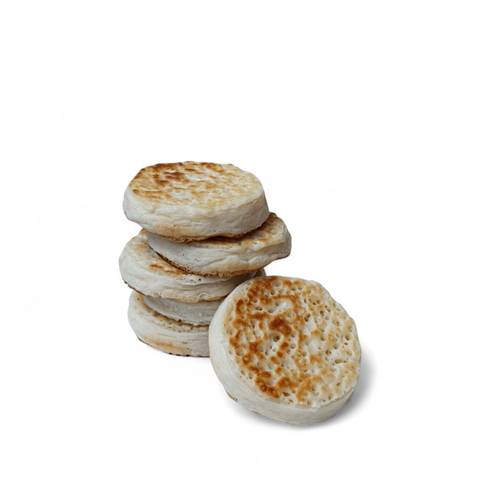
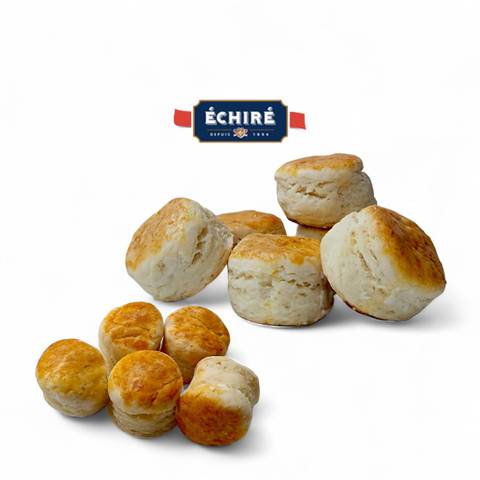
The Bow Tie Duck x Madge Echire Butter Scones
Home-Baked Warmth, French Butter Elegance
PHP 497.00

From PHP 1,490.00
Delivery date confirmed at checkout
Quarter Miche 450g
PHP 1,490.00 each
Half Miche 900g
PHP 2,990.00 each
Whole Miche 1.9kg
PHP 5,990.00 each
You’re PHP 3,000.00 away from free delivery in Metro Manila
A Parisian Table Essential
Temperature-Controlled Delivery
Satisfaction Guarantee
Same-Day Dispatch Before 4PM
A Parisian Table Essential
From PHP 1,490.00
Delivery date confirmed at checkout
Quarter Miche 450g
PHP 1,490.00 each
Half Miche 900g
PHP 2,990.00 each
Whole Miche 1.9kg
PHP 5,990.00 each
You’re PHP 3,000.00 away from free delivery in Metro Manila
Temperature-Controlled Delivery
Satisfaction Guarantee
Same-Day Dispatch Before 4PM
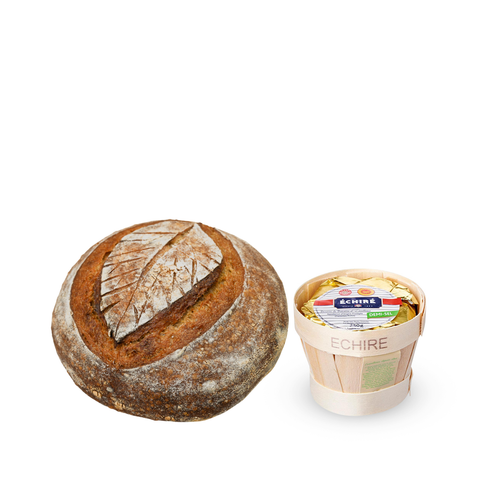
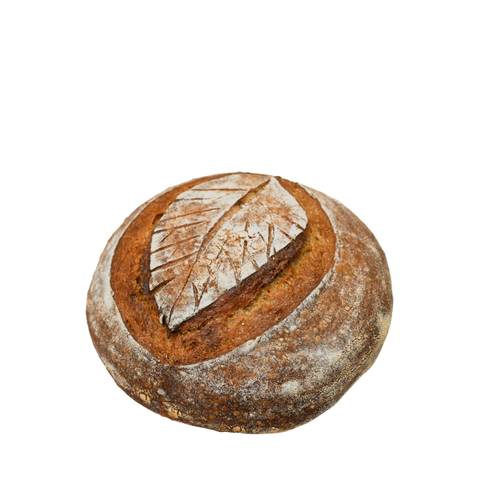
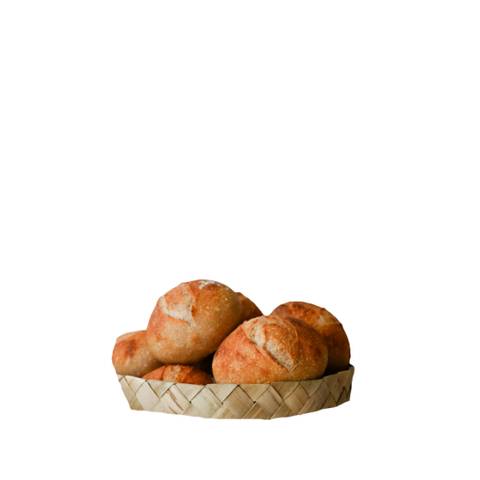
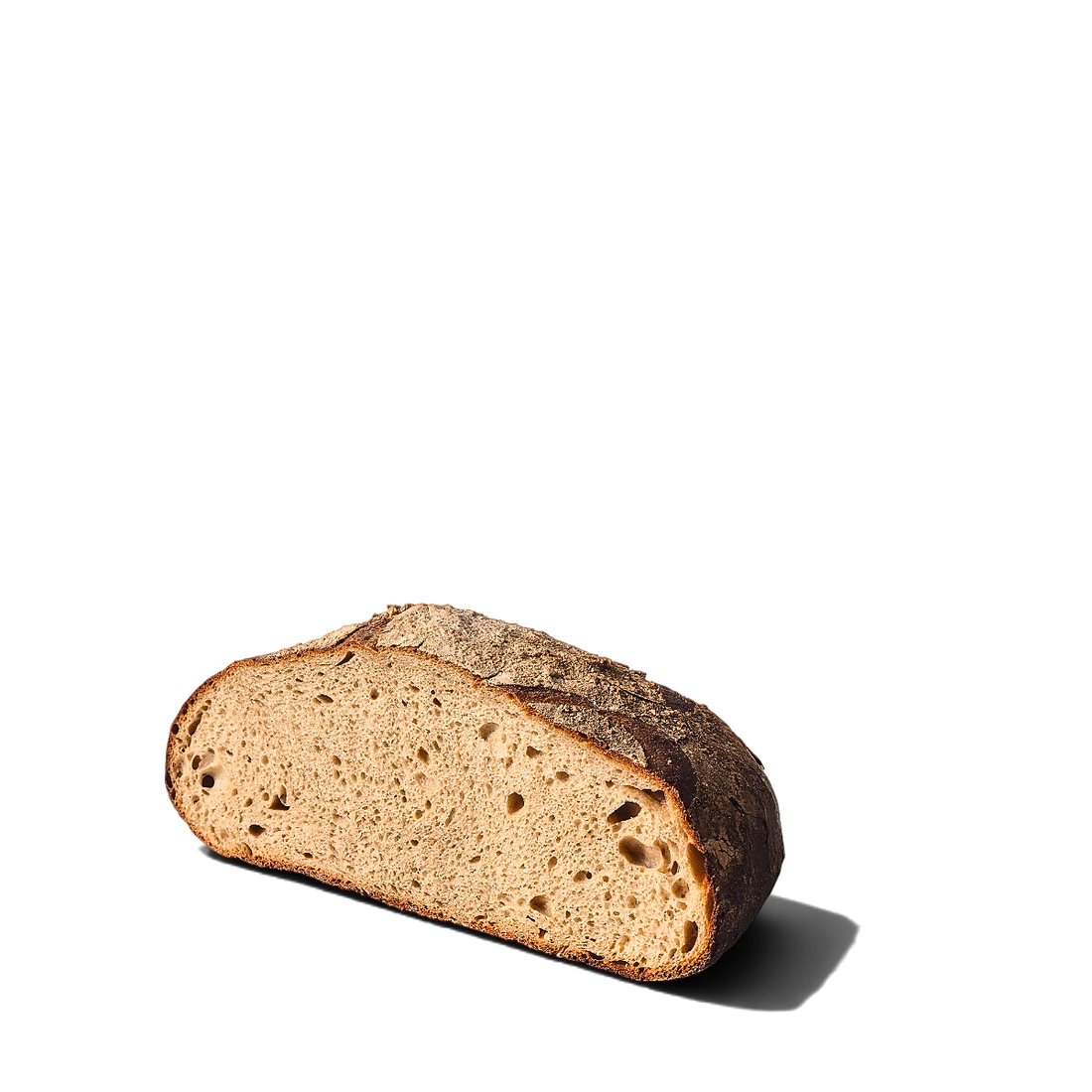
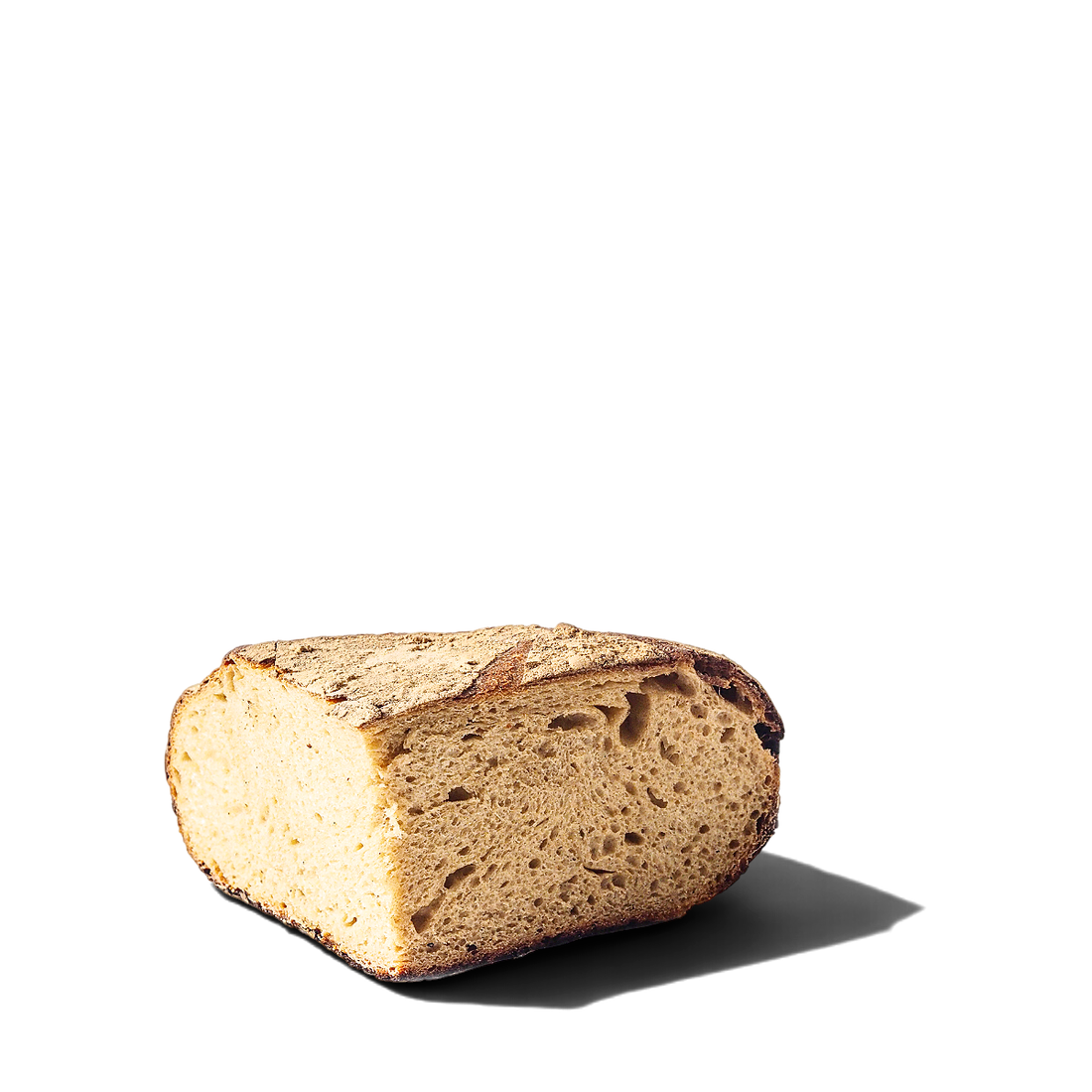
Cut a slice and start with the crust. Thick and well baked, it brings the toasted flavour that makes the softer crumb underneath so satisfying. The interior is dense and beige, with a substantial bite and the gentle acidity of natural sourdough. A little butter melting into a warm slice is enough to show you why this bread has a place at the centre of the table.
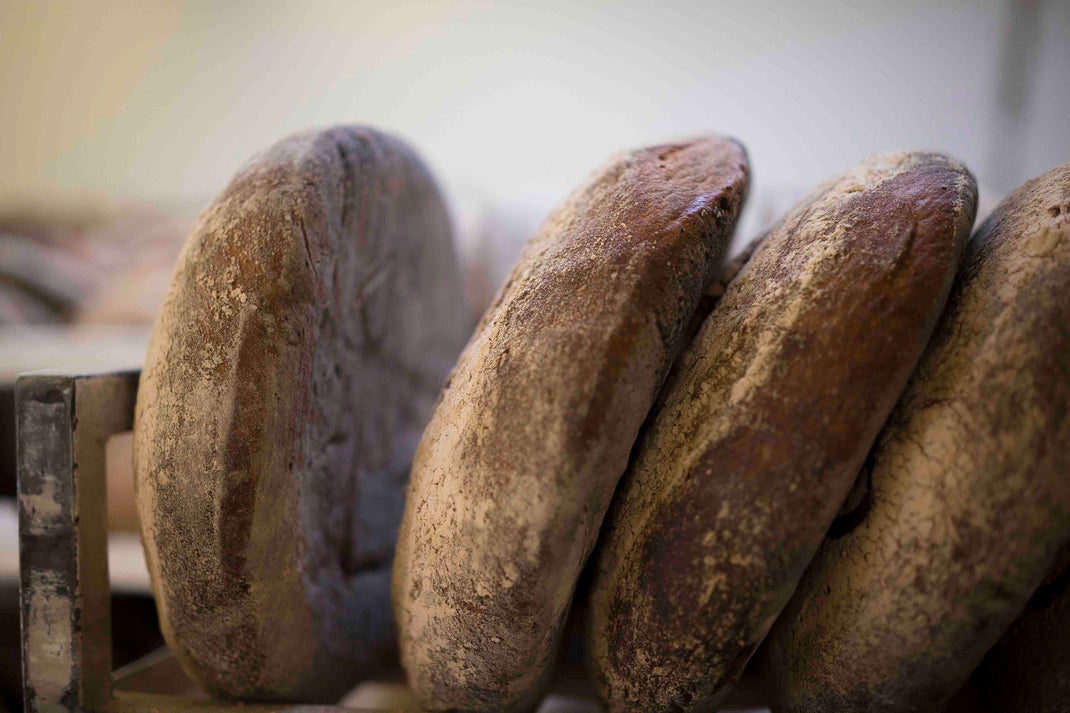
The dough begins with stone-ground wheat flour, natural leaven, water and Guérande salt. Each miche is shaped by hand and baked on a stone hearth in a wood-fired oven. That combination gives you a loaf with character in both crust and crumb, made without additives or preservatives.
Its firm texture is particularly welcome when there is something delicious to carry: soft cheese, a spoonful of pâté, the juices from a ripe tomato. Toasting brings another pleasure. Try browning just one side of a slice so you get a crisp surface and a softer underside together. This is bread you can build a lunch around, then look forward to again at breakfast.
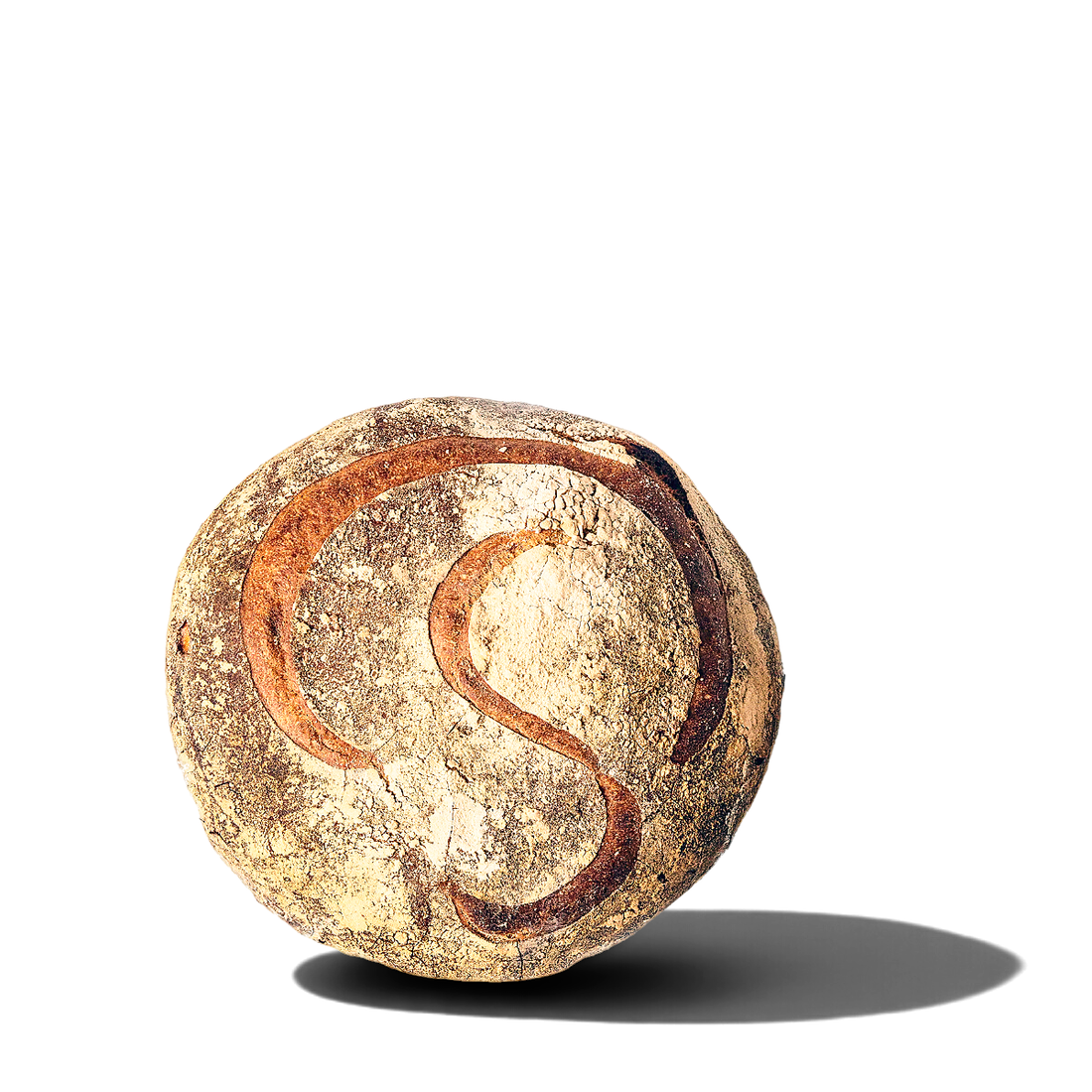
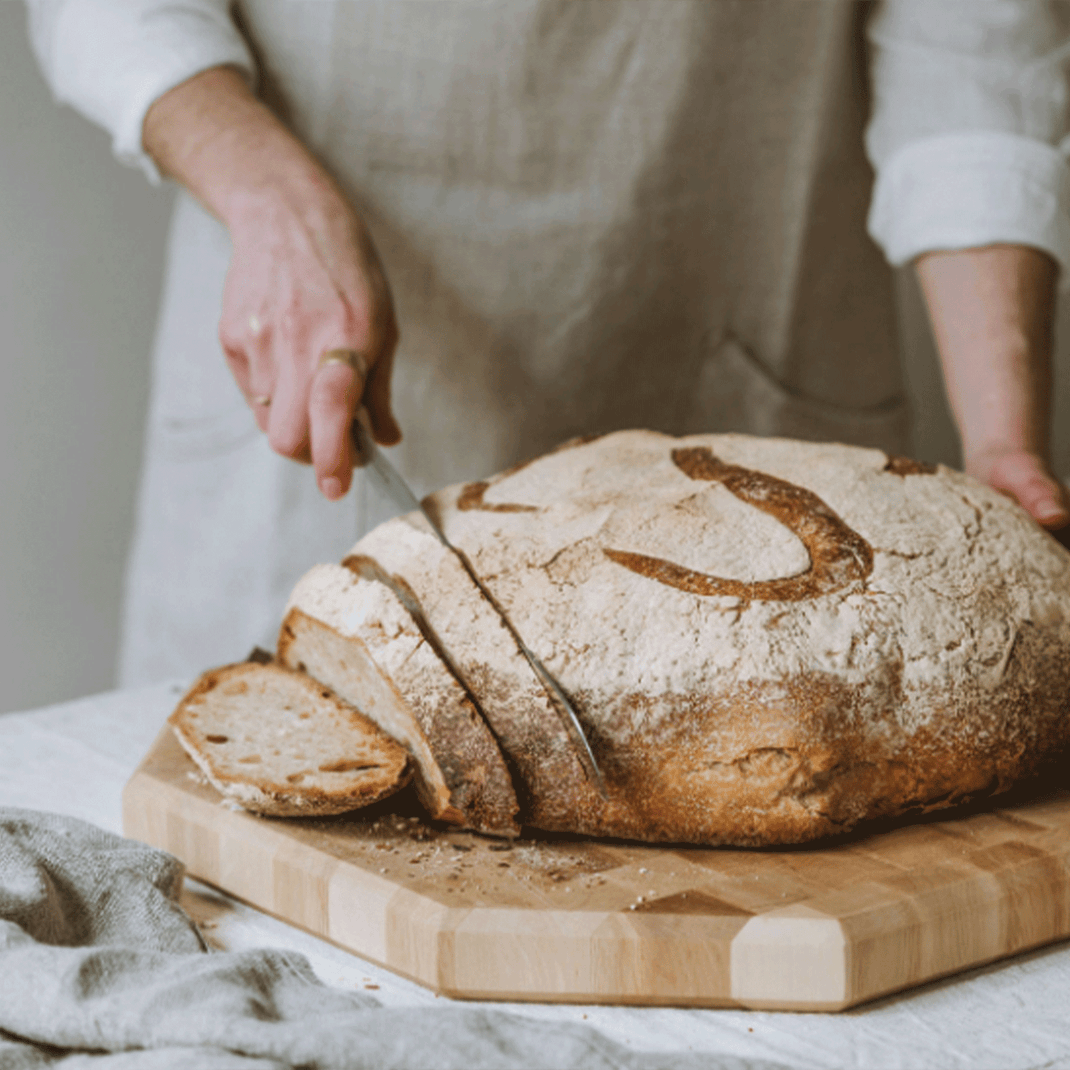
Just before a whole miche goes into the oven, the baker traces a “P” into the dough. It stands for Poilâne, of course, and also for pain, the French word for bread. It is a small, rather lovely signature on something made to be sliced and shared.
The family’s Paris bakery opened on rue du Cherche-Midi in 1932. Pierre, Lionel and Apollonia followed one another in the craft, with another inheritance passing from batch to batch: a little dough kept back to begin the next fermentation. The finished loaf carries that continuity to the table. Cut a slice for someone, put the butter within reach, and the story becomes a very practical sort of hospitality.
Keep at room temperature, away from heat and moisture, wrapped in a clean cloth or paper bag. Avoid plastic, which softens the crust. For longer storage, freeze in slices and thaw only what you need.
Curated Selection