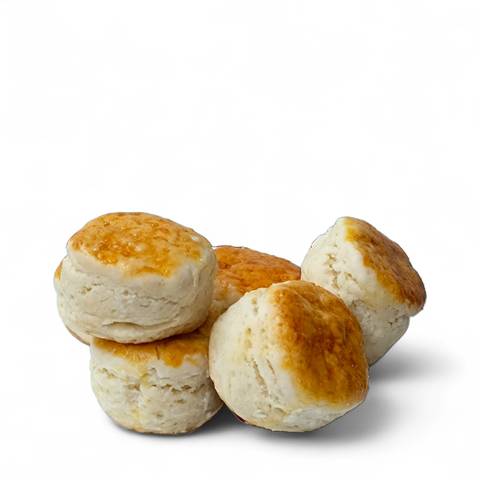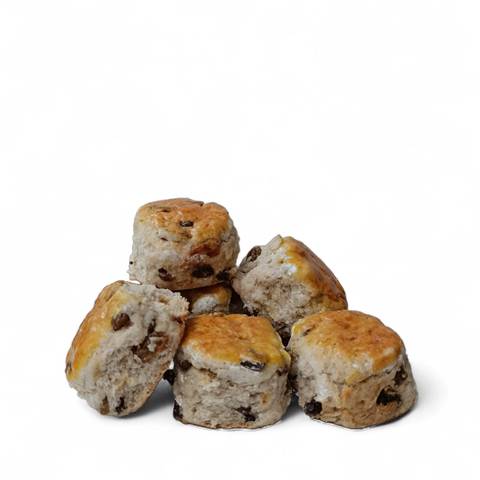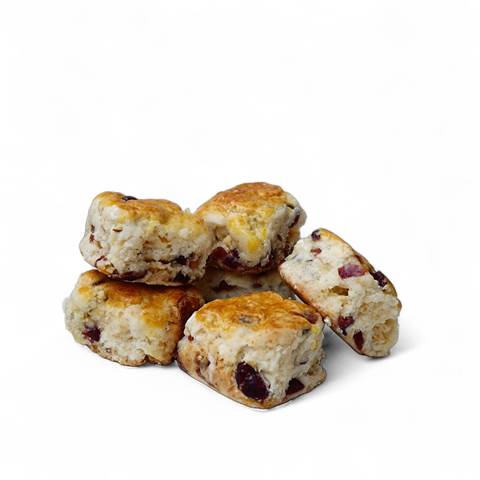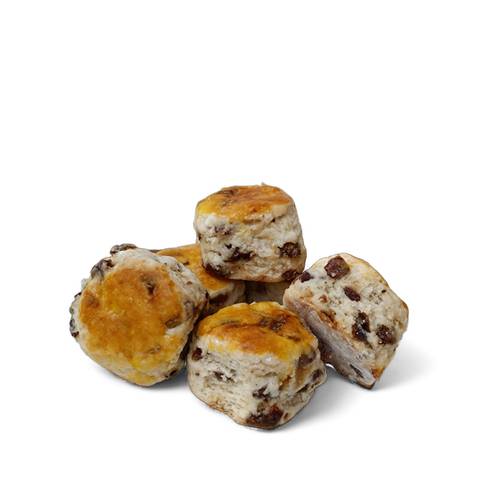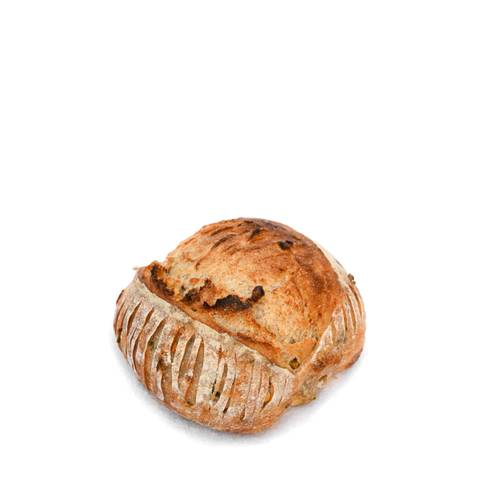
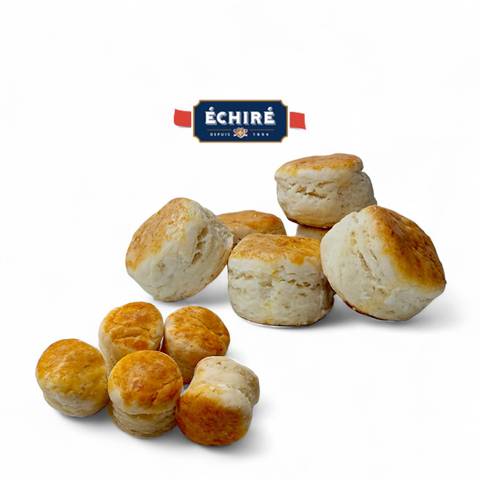
The Bow Tie Duck x Madge Echire Butter Scones
Home-Baked Warmth, French Butter Elegance
PHP 497.00

Baked by G
Beautiful, inside and out

Temporarily out of stock
The curators are restocking this item — sign up and we'll text you when it's back.
One SMS when it's restocked — no marketing.
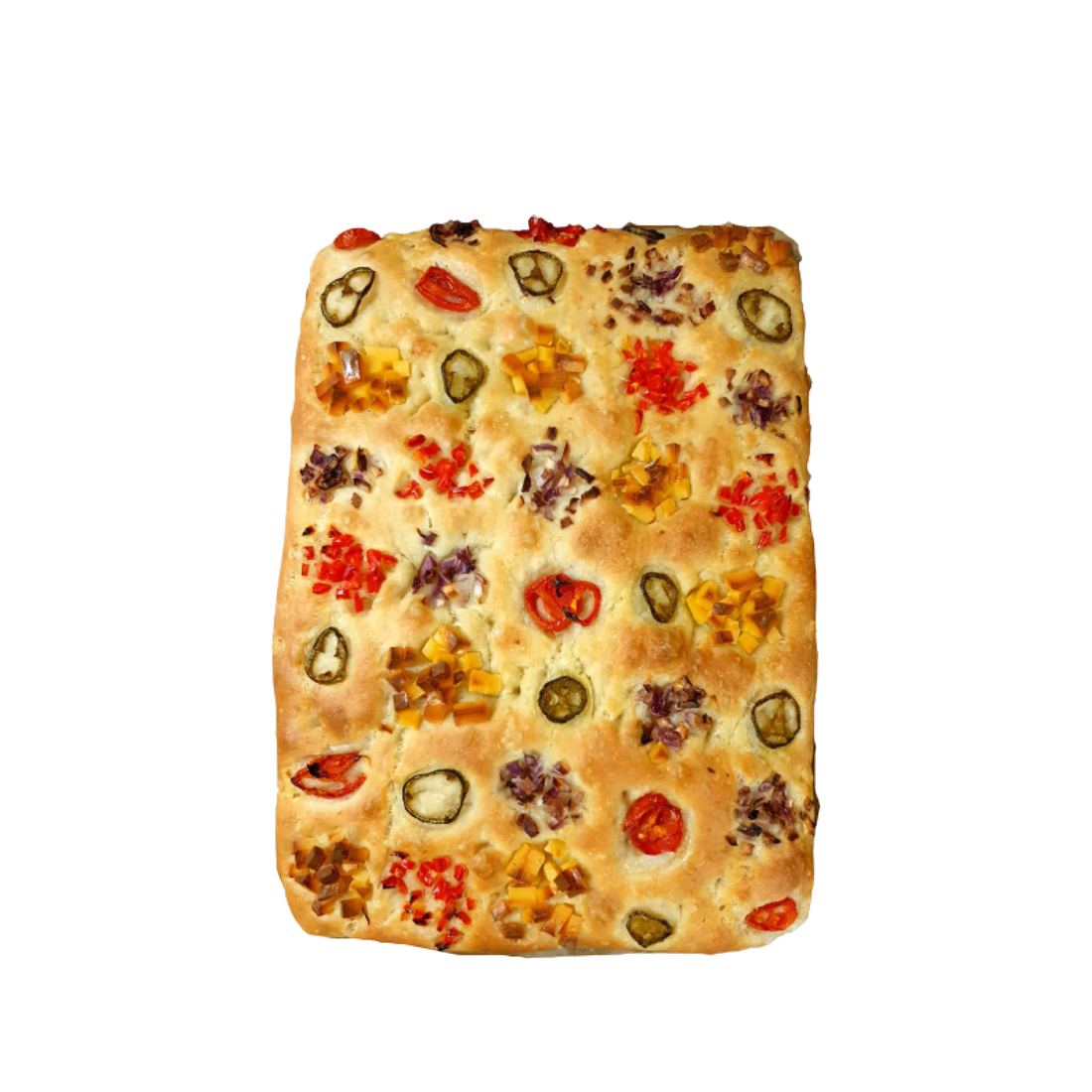
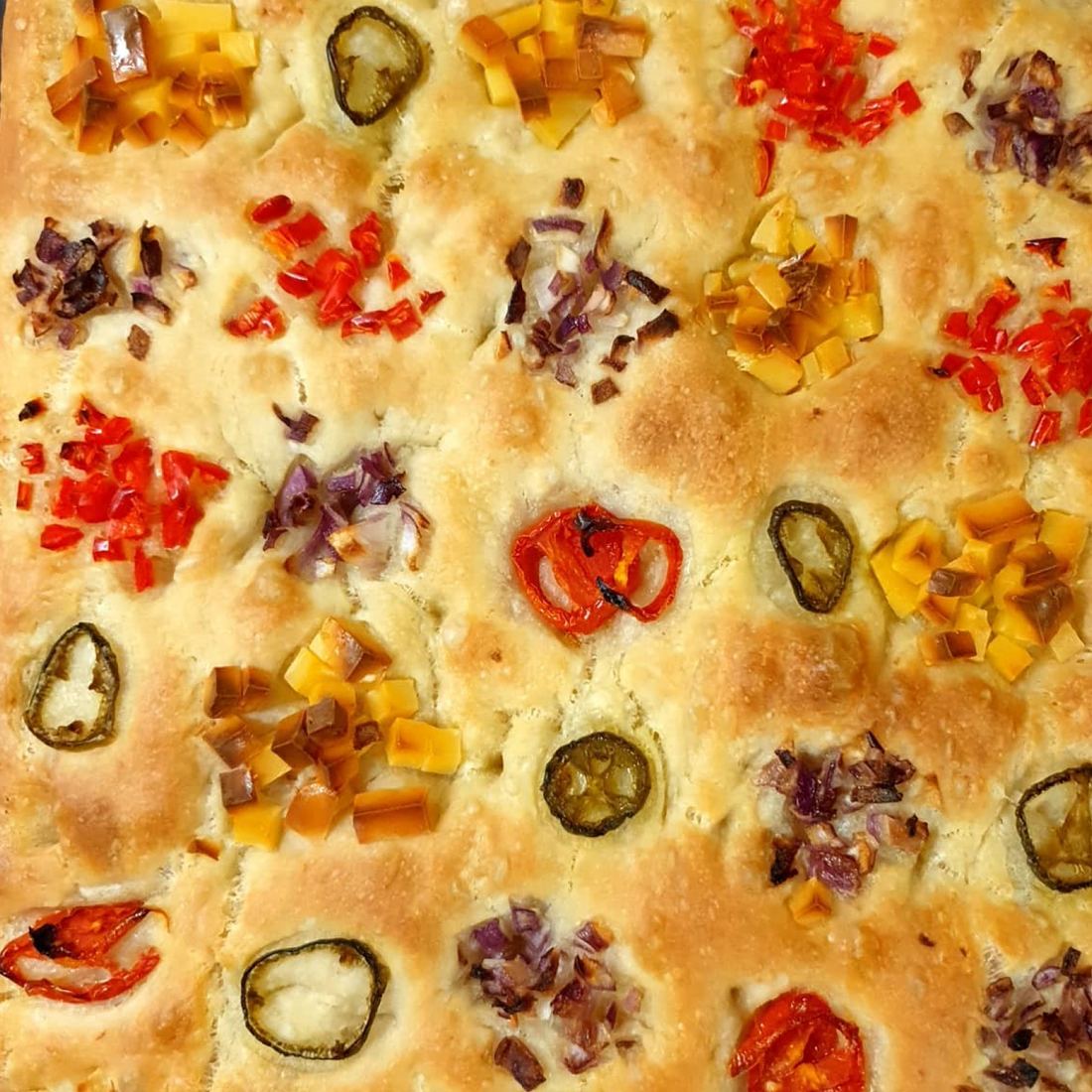
Focaccia by Baked by G is crispy on the outside, chewy on the inside, and completely addicting
Baked by G
Beautiful, inside and out
Focaccia by Baked by G is crispy on the outside, chewy on the inside, and completely addicting
Temporarily out of stock
The curators are restocking this item — sign up and we'll text you when it's back.
One SMS when it's restocked — no marketing.
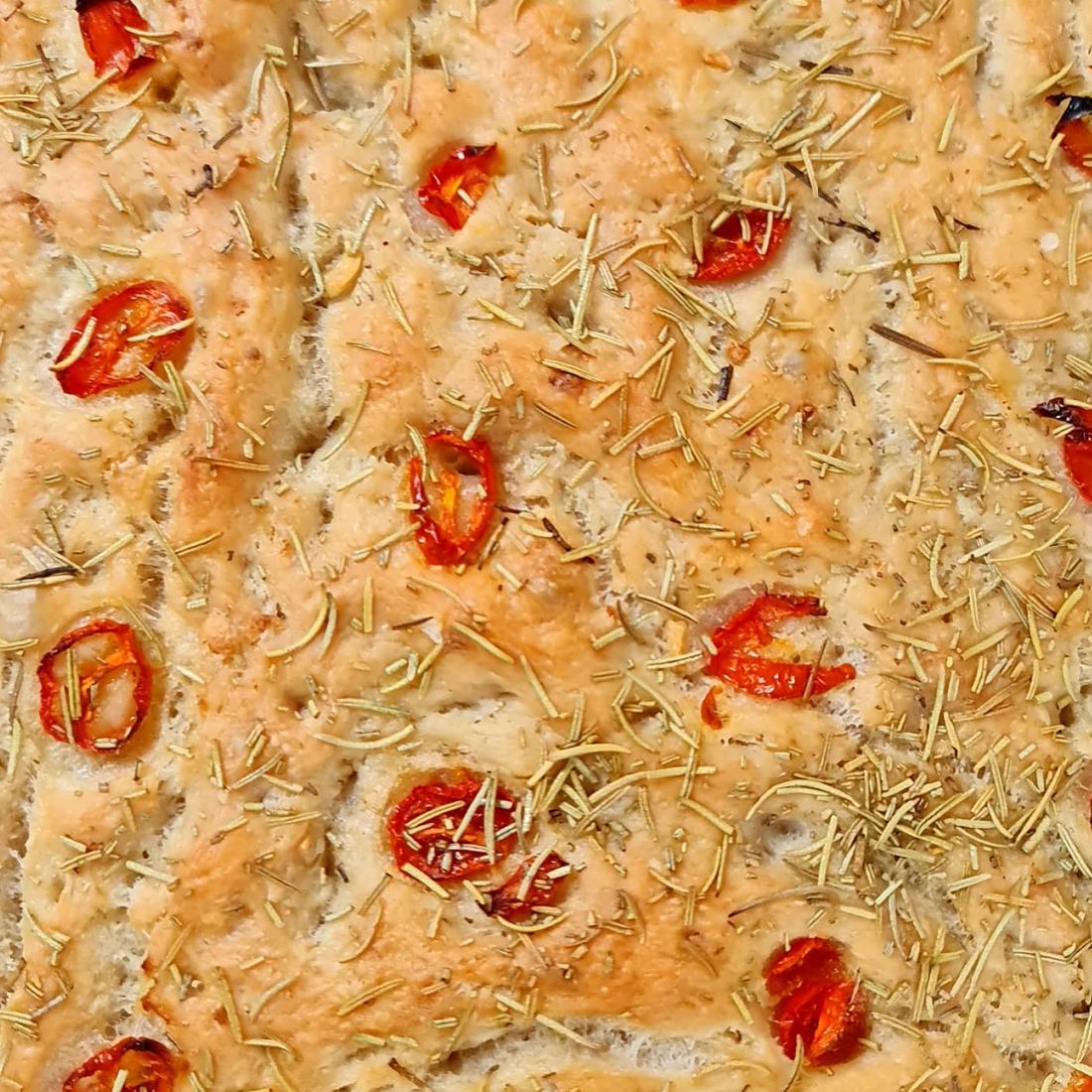
A flat, oven-baked bread, the focaccia has a pizza texture. It has a nice, flavorful, crispy crust, thanks to olive oil and herbs. Its insides are soft and chewy, and completely delicious. Focaccia by Baked by G comes in two mouth-watering flavors:
Cut your focaccia into long slices, and serve it as appetizer, with a side of balsamic vinegar and olive oil dip. Or let it accompany your favorite pasta. You can also slice it through the middle, and use it for your sandwiches—it will add that extra oomph, and make your simple sandwich that much better.
The first testimony of the word focaccia was in 1300. Although, in Ancient Rome, a flat bread by the name of panis focacius was baked in the hearth. The name comes from “focus,” the Latin word for “hearth.” That version, though, is widely associated with Ligurian cuisine. The focaccia version we know around the world refers to the Genoese variant (fügassa). It has a pizza texture, and many do use it similarly, topping it with various meats and vegetables. But where pizza dough is baked immediately, focaccia is left to rise after being flattened, before it’s placed in the oven to bake.
A flat, oven-baked bread, the focaccia has a pizza texture. It has a nice, flavorful, crispy crust, thanks to olive oil and herbs. Its insides are soft and chewy, and completely delicious. Focaccia by Baked by G comes in two mouth-watering flavors:
Cut your focaccia into long slices, and serve it as appetizer, with a side of balsamic vinegar and olive oil dip. Or let it accompany your favorite pasta. You can also slice it through the middle, and use it for your sandwiches—it will add that extra oomph, and make your simple sandwich that much better.
The first testimony of the word focaccia was in 1300. Although, in Ancient Rome, a flat bread by the name of panis focacius was baked in the hearth. The name comes from “focus,” the Latin word for “hearth.” That version, though, is widely associated with Ligurian cuisine. The focaccia version we know around the world refers to the Genoese variant (fügassa). It has a pizza texture, and many do use it similarly, topping it with various meats and vegetables. But where pizza dough is baked immediately, focaccia is left to rise after being flattened, before it’s placed in the oven to bake.
Curated Selection