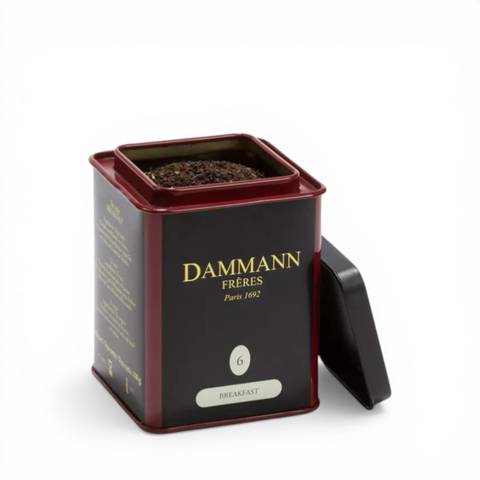
Dammann Frères Breakfast Tea
PHP 1,139.00

From PHP 399.00
Delivery date confirmed at checkout
Nov 17 Delivery
PHP 399.00 each
Dec 1 Delivery
PHP 399.00 each
You’re PHP 3,000.00 away from free delivery in Metro Manila
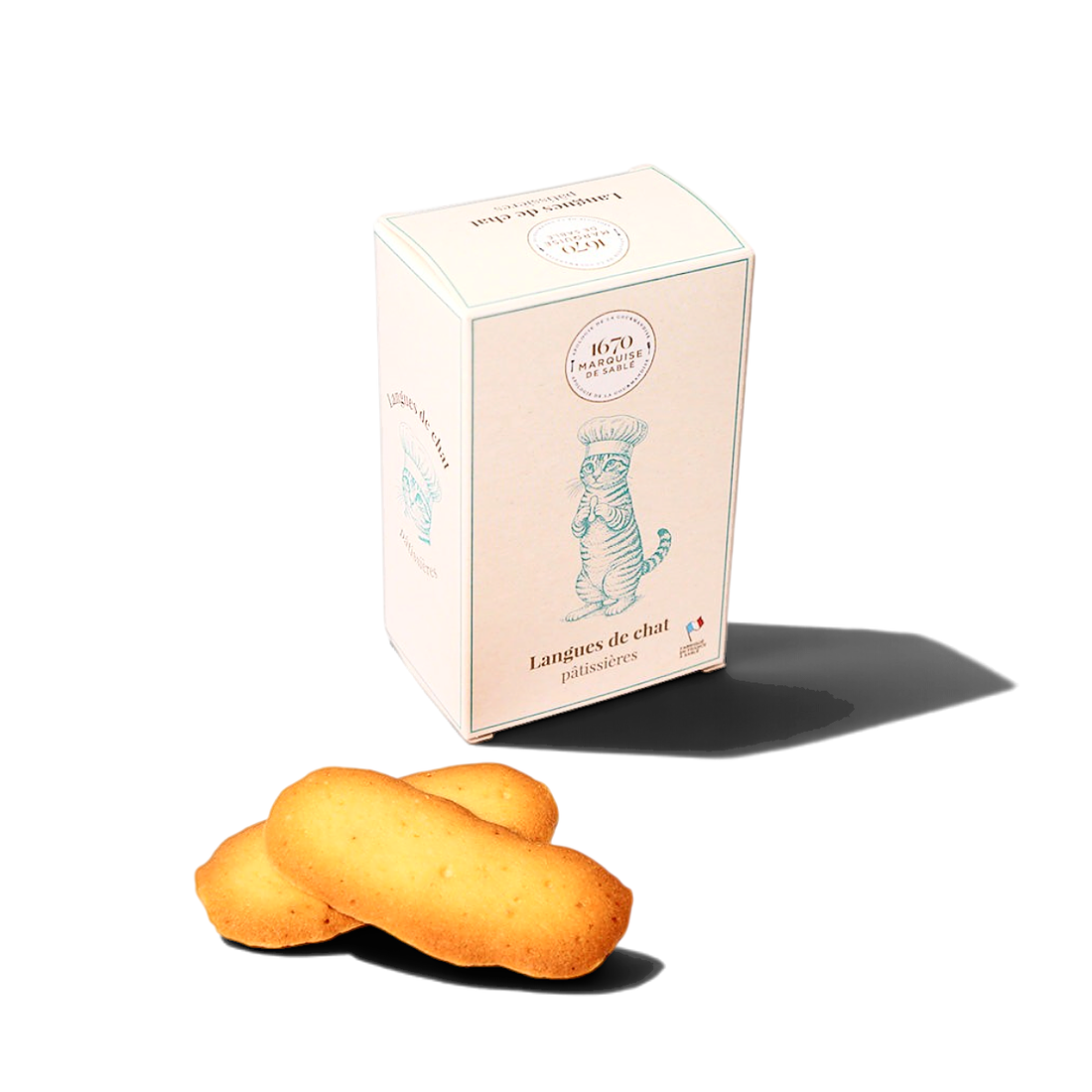
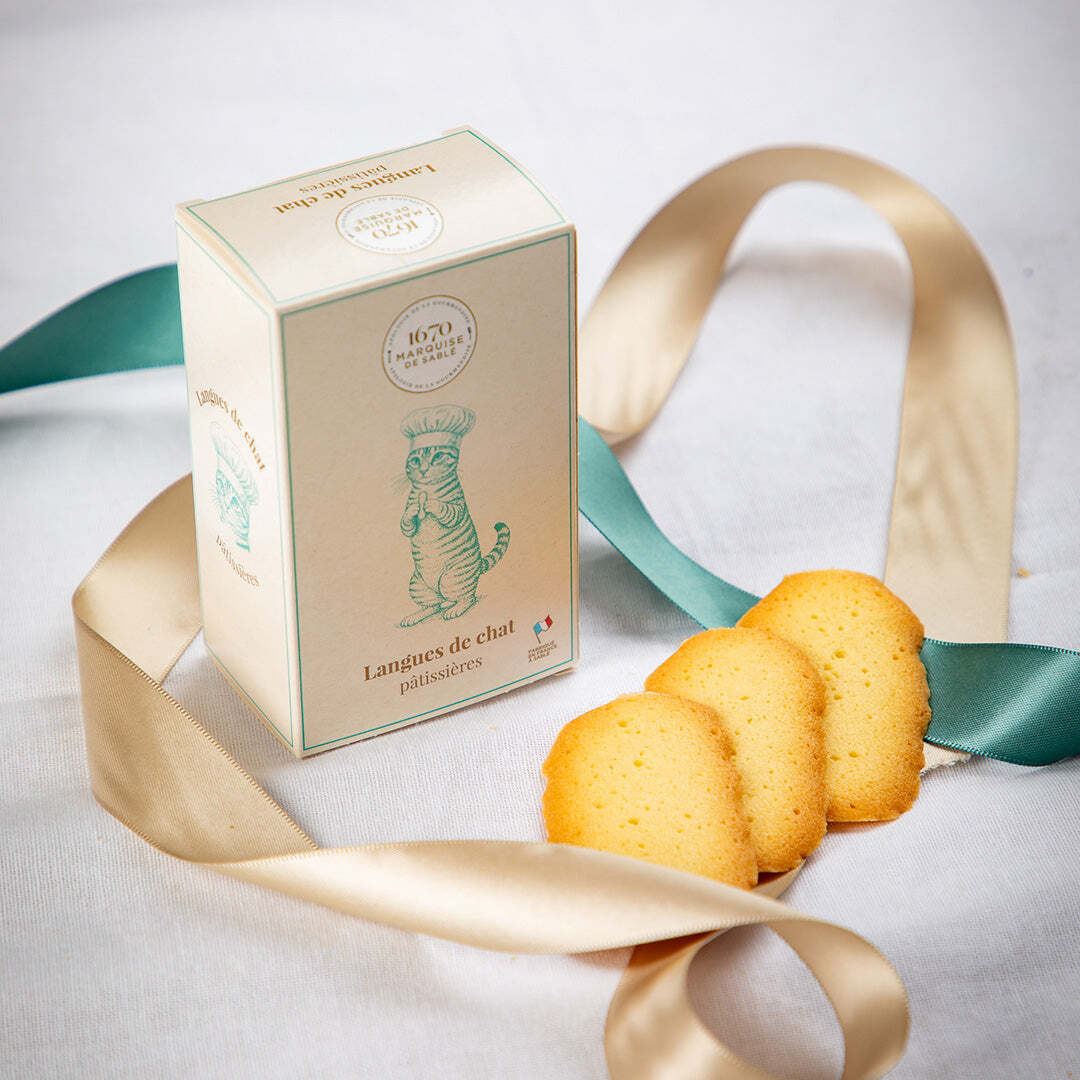
Slim, golden French langues de chat with a crisp edge and tender centre. A 40 g sleeve made for tea and small desserts.
Temperature-Controlled Delivery
Satisfaction Guarantee
Same-Day Dispatch Before 4PM
Slim, golden French langues de chat with a crisp edge and tender centre. A 40 g sleeve made for tea and small desserts.
From PHP 399.00
Delivery date confirmed at checkout
Nov 17 Delivery
PHP 399.00 each
Dec 1 Delivery
PHP 399.00 each
You’re PHP 3,000.00 away from free delivery in Metro Manila
Temperature-Controlled Delivery
Satisfaction Guarantee
Same-Day Dispatch Before 4PM
Complete the Experience
There is an easy charm to a langue de chat. It is narrow enough to perch beside an espresso cup, yet substantial enough to make the cup feel as though it came with a thoughtful invitation. La Sablésienne makes this 40 g sleeve in Sablé-sur-Sarthe from wheat flour, butter, sugar, eggs and natural vanilla flavouring. The biscuit is baked on metal plates until golden, then lifted by hand, according to the maker. Its long, slim shape comes from piping the dough in thin strips before baking. That form gives you plenty of browned edge for a gentle snap, while the centre stays softer. Vanilla is present without turning the biscuit into a perfume; butter and a little sugar carry the flavour. The result is particularly good when you want a biscuit that will accompany something else without drowning it out. It can sit beside fruit, custard, tea or coffee and still have a personality of its own. Small biscuit, surprisingly good company.
The French name means “cat's tongues”, a description of the biscuit's long, narrow outline rather than its ingredients. La Sablésienne places the fashion for langues de chat in the Second Empire, when British ideas about tea and biscuits caught the attention of French tables. Its product history also names the chef and culinary writer Auguste Escoffier in the biscuit's French story. Whatever the exact route from one country to the other, the shape has proved wonderfully practical: a piped strip of dough bakes quickly and slips neatly beside a cup or dessert. La Sablésienne still makes its version in the town best known for sablés, using the same metal-plate baking and hand pickup it describes for its biscuit craft. It is a tiny example of how a straightforward recipe can become a recognisable ritual.
Ingredients and allergens: Wheat flour, butter (milk), sugar, eggs, natural vanilla flavouring. Made in a workshop that also uses sesame, soy and tree nuts.
Store in a cool, dry place, away from heat and moisture.
There is an easy charm to a langue de chat. It is narrow enough to perch beside an espresso cup, yet substantial enough to make the cup feel as though it came with a thoughtful invitation. La Sablésienne makes this 40 g sleeve in Sablé-sur-Sarthe from wheat flour, butter, sugar, eggs and natural vanilla flavouring. The biscuit is baked on metal plates until golden, then lifted by hand, according to the maker. Its long, slim shape comes from piping the dough in thin strips before baking. That form gives you plenty of browned edge for a gentle snap, while the centre stays softer. Vanilla is present without turning the biscuit into a perfume; butter and a little sugar carry the flavour. The result is particularly good when you want a biscuit that will accompany something else without drowning it out. It can sit beside fruit, custard, tea or coffee and still have a personality of its own. Small biscuit, surprisingly good company.
The French name means “cat's tongues”, a description of the biscuit's long, narrow outline rather than its ingredients. La Sablésienne places the fashion for langues de chat in the Second Empire, when British ideas about tea and biscuits caught the attention of French tables. Its product history also names the chef and culinary writer Auguste Escoffier in the biscuit's French story. Whatever the exact route from one country to the other, the shape has proved wonderfully practical: a piped strip of dough bakes quickly and slips neatly beside a cup or dessert. La Sablésienne still makes its version in the town best known for sablés, using the same metal-plate baking and hand pickup it describes for its biscuit craft. It is a tiny example of how a straightforward recipe can become a recognisable ritual.
Ingredients and allergens: Wheat flour, butter (milk), sugar, eggs, natural vanilla flavouring. Made in a workshop that also uses sesame, soy and tree nuts.
Store in a cool, dry place, away from heat and moisture.
Curated Selection