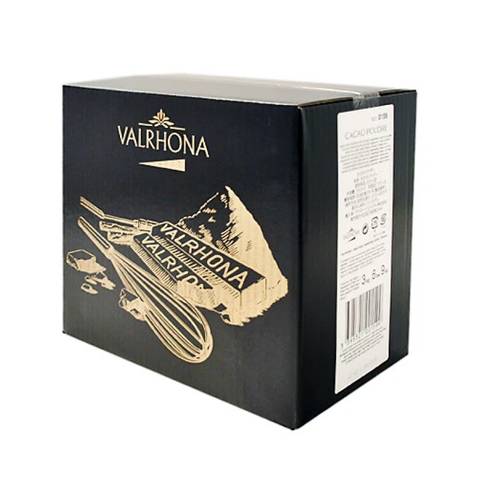
Valrhona Cocoa Powder
The perfect baking chocolate
PHP 12,750.00


PHP 12,750.00
Delivery date confirmed at checkout
3kg bag
PHP 12,750.00 each
Chilled — Packed with thermal insulation & ice gel
You’re PHP 3,000.00 away from free delivery in Metro Manila
Temperature-Controlled Delivery
Satisfaction Guarantee
Same-Day Dispatch Before 4PM
PHP 12,750.00
Delivery date confirmed at checkout
3kg bag
PHP 12,750.00 each
Chilled — Packed with thermal insulation & ice gel
You’re PHP 3,000.00 away from free delivery in Metro Manila
Temperature-Controlled Delivery
Satisfaction Guarantee
Same-Day Dispatch Before 4PM
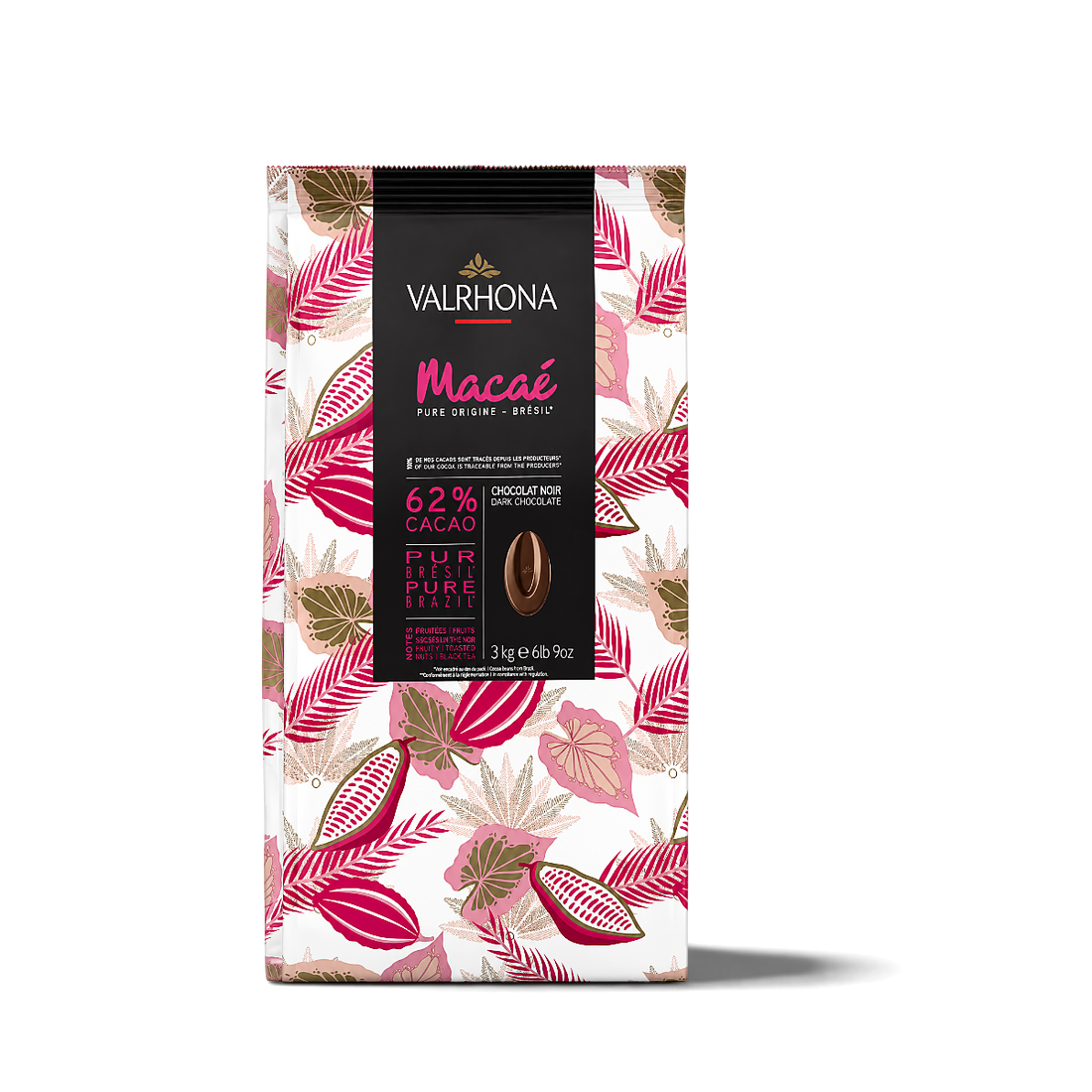
Macaé brings a particular kind of darkness to the pastry kitchen: aromatic rather than simply bitter. Valrhona describes the 62% chocolate as fruity and powerful, with roasted nuts and black tea running beneath the cocoa. Those notes make it especially useful when a recipe needs complexity without an extreme cacao percentage. In a ganache, the tea-like finish can make cream and butter feel less heavy. In mousse, its roasted character gives structure while the fruit keeps the profile lifted. Valrhona marks ice cream and sorbet as Macaé’s optimal application, where cold temperatures can reveal its deep aromatic register without flattening the chocolate into generic sweetness. The fève format melts evenly and is easy to weigh for repeatable production. Its composition includes Brazilian cocoa beans, sugar, cocoa butter, sunflower lecithin, and natural vanilla extract. This is a couverture for bakers who want the chocolate itself to contribute a sense of origin and personality, not merely colour and sweetness.
For bakers building a menu, Macaé offers a useful bridge between a crowd-friendly cocoa level and a more origin-driven tasting experience.
Macaé is made from cocoa grown in southern Bahia, within Brazil’s Atlantic Forest region. Valrhona connects the chocolate to its work with M. Libânio Agrícola, a family-run plantation founded in 1922. Cocoa is cultivated through the regional cabruca agroforestry system, under the shade of other trees, while long fermentation and solar drying help develop Macaé’s characteristic aromas. The chocolate takes its name from a Brazilian river associated with the Serra do Mar and the Mata Atlântica. For a pastry chef, that background becomes practical in the bowl: the roasted-nut and black-tea profile gives a recipe an identifiable point of view. Macaé can be the main flavour in a minimalist mousse or a composed layer beside coffee, nuts, or crisp pastry, bringing both origin and technical versatility.
Store tightly sealed in a cool, dry, odour-free place, protected from light, moisture, and heat. If refrigeration is necessary in warm conditions, keep the bag sealed and allow it to return gradually to room temperature before opening to prevent condensation. The producer states that this product may contain traces of nuts.
Macaé brings a particular kind of darkness to the pastry kitchen: aromatic rather than simply bitter. Valrhona describes the 62% chocolate as fruity and powerful, with roasted nuts and black tea running beneath the cocoa. Those notes make it especially useful when a recipe needs complexity without an extreme cacao percentage. In a ganache, the tea-like finish can make cream and butter feel less heavy. In mousse, its roasted character gives structure while the fruit keeps the profile lifted. Valrhona marks ice cream and sorbet as Macaé’s optimal application, where cold temperatures can reveal its deep aromatic register without flattening the chocolate into generic sweetness. The fève format melts evenly and is easy to weigh for repeatable production. Its composition includes Brazilian cocoa beans, sugar, cocoa butter, sunflower lecithin, and natural vanilla extract. This is a couverture for bakers who want the chocolate itself to contribute a sense of origin and personality, not merely colour and sweetness.
For bakers building a menu, Macaé offers a useful bridge between a crowd-friendly cocoa level and a more origin-driven tasting experience.
Macaé is made from cocoa grown in southern Bahia, within Brazil’s Atlantic Forest region. Valrhona connects the chocolate to its work with M. Libânio Agrícola, a family-run plantation founded in 1922. Cocoa is cultivated through the regional cabruca agroforestry system, under the shade of other trees, while long fermentation and solar drying help develop Macaé’s characteristic aromas. The chocolate takes its name from a Brazilian river associated with the Serra do Mar and the Mata Atlântica. For a pastry chef, that background becomes practical in the bowl: the roasted-nut and black-tea profile gives a recipe an identifiable point of view. Macaé can be the main flavour in a minimalist mousse or a composed layer beside coffee, nuts, or crisp pastry, bringing both origin and technical versatility.
Store tightly sealed in a cool, dry, odour-free place, protected from light, moisture, and heat. If refrigeration is necessary in warm conditions, keep the bag sealed and allow it to return gradually to room temperature before opening to prevent condensation. The producer states that this product may contain traces of nuts.
Curated Selection