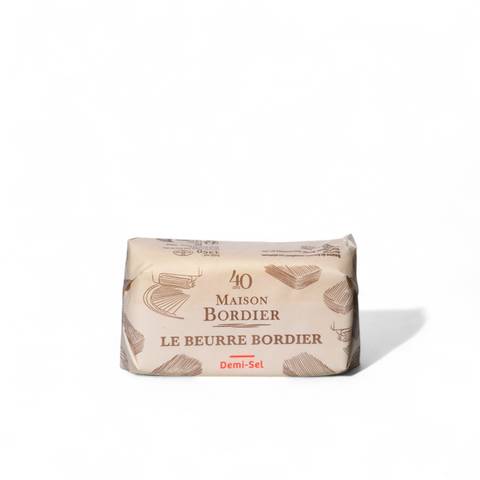
Bordier Sale 4% (Demi Sel) Butter
The classic and one of the best
PHP 879.00

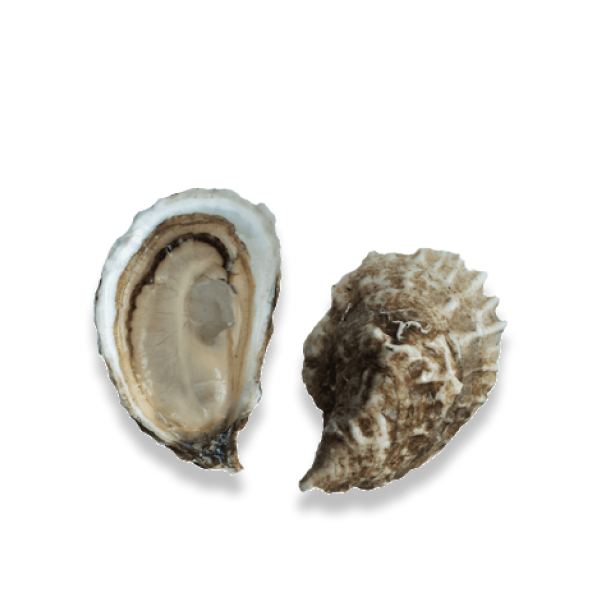
The most popular New England oyster
Temporarily out of stock
Get an email when it’s available again.
Try these instead
Similar finds, available now.
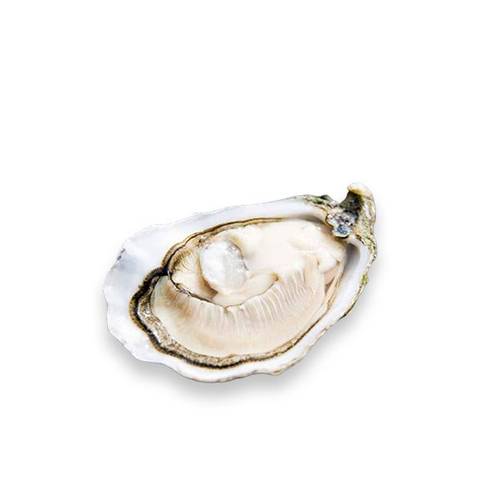
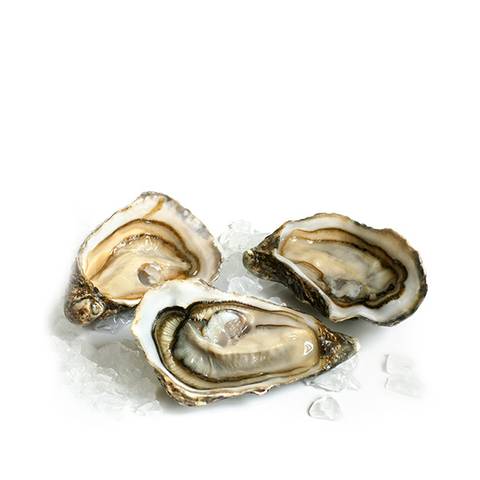
Wellfleet Oysters are plump and meaty, with a sharp briny flavor, and a clean finish
The most popular New England oyster
Wellfleet Oysters are plump and meaty, with a sharp briny flavor, and a clean finish
Temporarily out of stock
Get an email when it’s available again.
Try these instead
Similar finds, available now.
The most well-known oyster in New England, the Wellfleet Oyster is farmed for two to three years in Wellfleet, Massachusetts. It has a strong shell, with a plump, fleshy meat, and has a weight of around 40 to 60 grams per oyster. It has a sharp brininess in flavor, with a creamy sweetness that gives way to a clean, crisp seaweed finish.
The word oyster has a pretty interesting etymology. In ancient Greece, if the state decided that someone of power and influence was a threat to the stability of their society, they can undergo “ostracism.” A voting will occur in which voters would write a citizen’s name on a potsherd (a fragment of pottery or tile), and if a citizen received the most votes, they would be temporarily exiled. The word “ostracism” comes from the ancient Greek word “ostrakon” (or shell), and this is where the English word, oyster, comes from.
Store your box of fresh, unshucked oysters in your fridge, keeping the temperature between 0 to 5°C. Keep them covered with a damp cloth, flat side up, to increase shelf-life. To enjoy them at their freshest, please consume them within 48 hours.
When you're ready to shuck your oysters, take a sharp knife (a vegetable knife or, ideally, an oyster shucking knife) and hold the oyster, round-side down and pointed side facing you, between a tea towel. Wiggle the knife into the pointy end and twist it until the shell comes open.
The most well-known oyster in New England, the Wellfleet Oyster is farmed for two to three years in Wellfleet, Massachusetts. It has a strong shell, with a plump, fleshy meat, and has a weight of around 40 to 60 grams per oyster. It has a sharp brininess in flavor, with a creamy sweetness that gives way to a clean, crisp seaweed finish.
The word oyster has a pretty interesting etymology. In ancient Greece, if the state decided that someone of power and influence was a threat to the stability of their society, they can undergo “ostracism.” A voting will occur in which voters would write a citizen’s name on a potsherd (a fragment of pottery or tile), and if a citizen received the most votes, they would be temporarily exiled. The word “ostracism” comes from the ancient Greek word “ostrakon” (or shell), and this is where the English word, oyster, comes from.
Store your box of fresh, unshucked oysters in your fridge, keeping the temperature between 0 to 5°C. Keep them covered with a damp cloth, flat side up, to increase shelf-life. To enjoy them at their freshest, please consume them within 48 hours.
When you're ready to shuck your oysters, take a sharp knife (a vegetable knife or, ideally, an oyster shucking knife) and hold the oyster, round-side down and pointed side facing you, between a tea towel. Wiggle the knife into the pointy end and twist it until the shell comes open.
Curated Selection