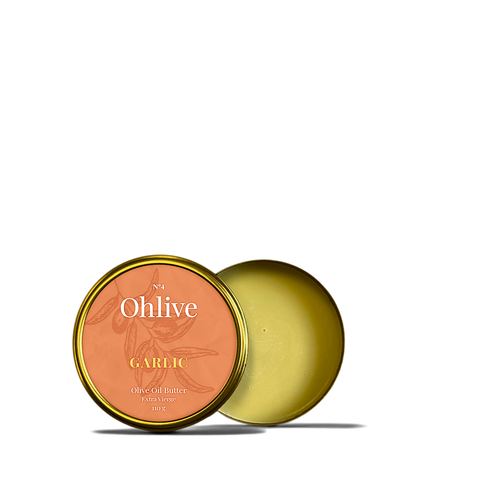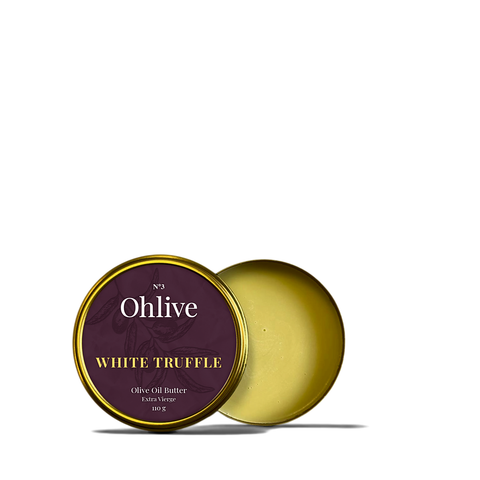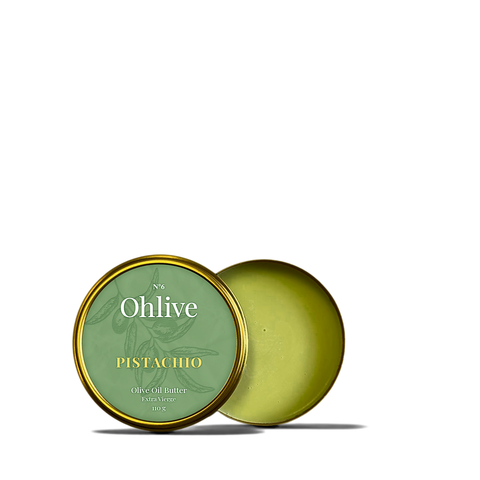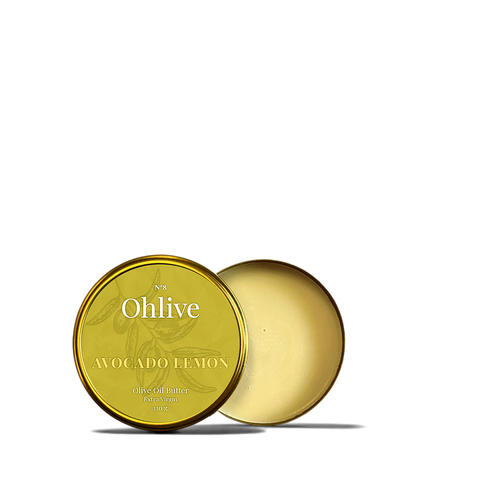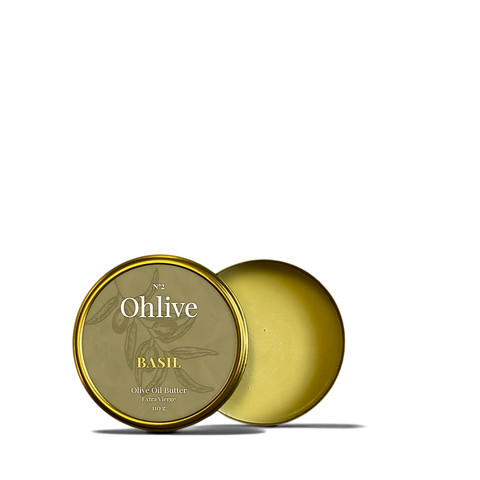
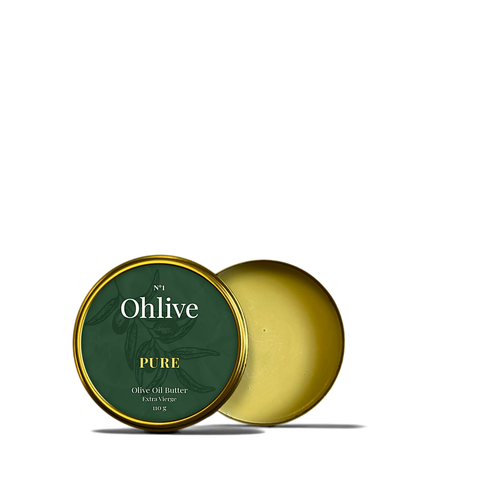
Ohlive Olive Oil Butter - Pure N1
Olive Groves, Softly Spread
PHP 1,290.00

Temporarily out of stock
Get an email when it’s available again.
Try these instead
Similar finds, available now.
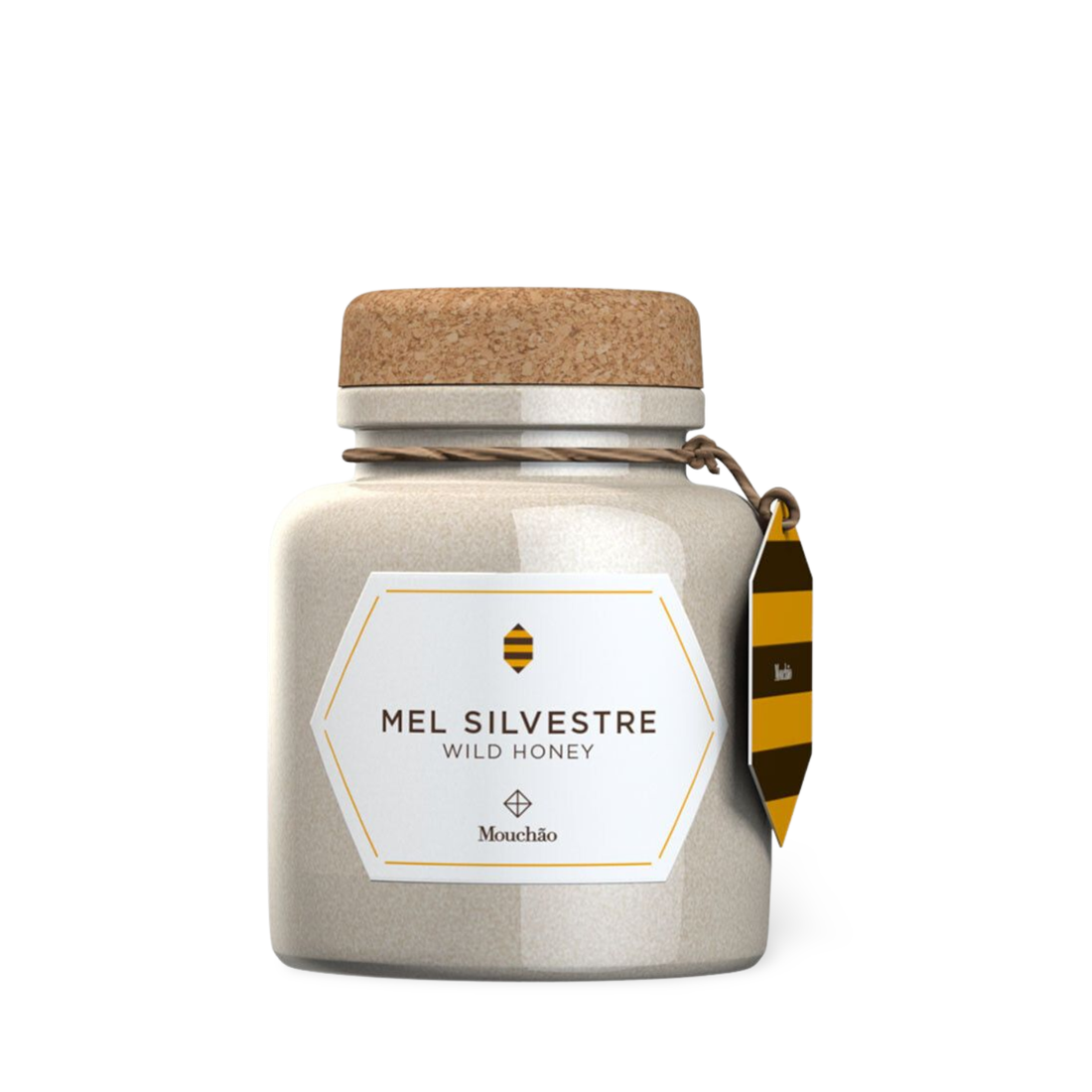
The Wild Honey from Herdade do Mouchão comes from bees who enjoy local flora, and undergoes very minimal human intervention
The Wild Honey from Herdade do Mouchão comes from bees who enjoy local flora, and undergoes very minimal human intervention
Temporarily out of stock
Get an email when it’s available again.
Try these instead
Similar finds, available now.
It was only in 2011 that honey in Mouchão was commercialized, although bees have existed in the area for over a hundred years, feasting on the local trees and shrubs, as well as the variety of wild flowers that appear in the Spring. The Mouchão Wild Honey is a full expression of the bees’ hard work, with human intervention limited to basically just the harvesting. This honey is filled with personality, and its texture thickens as it ages through the months. It is a medium-pale, golden-brown color, and is packaged in a stone jar.
Honey has double the sweetening power of sugar, therefore a tiny amount is adequate for sweetening. Honey can be used to sweeten cereal for breakfast or to sweeten drinks. This honey can also be drizzled over cheeses and waffles.
We love a gourmet grilled cheese if you're seeking to spice up your next meal. Grab some fresh sourdough, some butter, Brie and Gorgonzola cheese slices, prosciutto di parma, and figs, and assemble them in a sandwich. For a delicious golden crust, grill on a cast iron skillet and drizzle with Mouchao Wild Honey.
The Herdade do Mouchão estate in Portugal was founded in 1824 by Thomas William Reynolds for the production and exportation of cork due to its location amidst a forest of cork oak trees. Honey, olive oil, wool, and wine were also produced on the farm. Wine became an increasingly important part of their output after the arrival of Alicante Bouschet from France near the end of the nineteenth century. By 1901, their vineyards had grown to over 100 hectares, and new winemaking facilities had been built, some of which are still in use today.
Keep your honey in a cool location away from direct sunlight and make sure the container is tightly sealed. The ideal temperature for storage is from 13 to 21°C. Some manufacturers will set the expiry date of their jars at two years after the bottling date. However, honey can last decades or even centuries if stored properly. It may change color and become crystalized, but it will stay safe to eat. If your honey does crystallize, just place the open jar in warm water and stir until the crystals dissolve. Store in a cool dry place.
It was only in 2011 that honey in Mouchão was commercialized, although bees have existed in the area for over a hundred years, feasting on the local trees and shrubs, as well as the variety of wild flowers that appear in the Spring. The Mouchão Wild Honey is a full expression of the bees’ hard work, with human intervention limited to basically just the harvesting. This honey is filled with personality, and its texture thickens as it ages through the months. It is a medium-pale, golden-brown color, and is packaged in a stone jar.
Honey has double the sweetening power of sugar, therefore a tiny amount is adequate for sweetening. Honey can be used to sweeten cereal for breakfast or to sweeten drinks. This honey can also be drizzled over cheeses and waffles.
We love a gourmet grilled cheese if you're seeking to spice up your next meal. Grab some fresh sourdough, some butter, Brie and Gorgonzola cheese slices, prosciutto di parma, and figs, and assemble them in a sandwich. For a delicious golden crust, grill on a cast iron skillet and drizzle with Mouchao Wild Honey.
The Herdade do Mouchão estate in Portugal was founded in 1824 by Thomas William Reynolds for the production and exportation of cork due to its location amidst a forest of cork oak trees. Honey, olive oil, wool, and wine were also produced on the farm. Wine became an increasingly important part of their output after the arrival of Alicante Bouschet from France near the end of the nineteenth century. By 1901, their vineyards had grown to over 100 hectares, and new winemaking facilities had been built, some of which are still in use today.
Keep your honey in a cool location away from direct sunlight and make sure the container is tightly sealed. The ideal temperature for storage is from 13 to 21°C. Some manufacturers will set the expiry date of their jars at two years after the bottling date. However, honey can last decades or even centuries if stored properly. It may change color and become crystalized, but it will stay safe to eat. If your honey does crystallize, just place the open jar in warm water and stir until the crystals dissolve. Store in a cool dry place.
Curated Selection