
Dammann Frères Enveloped Tea Bags - Breakfast
A Proper Morning Brew
PHP 990.00



PHP 1,140.00
Delivery date confirmed at checkout
1 box, 48g
Most popularPHP 1,140.00 each
You’re PHP 3,000.00 away from free delivery in Metro Manila
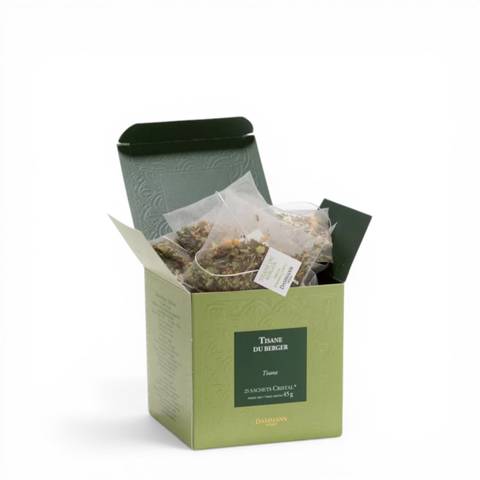
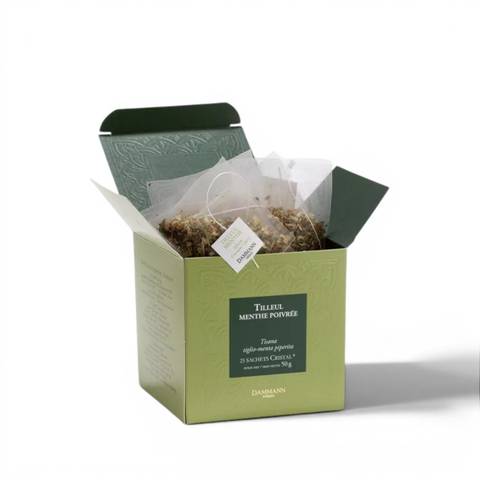
A refreshing Japanese green tea presented in 24 individually enveloped Cristal® sachets. Sencha Fukuyu brings together bold vegetal character, delicate marine notes, and light astringency in a convenient format that keeps every tea bag protected and ready to brew.
Temperature-Controlled Delivery
Satisfaction Guarantee
Same-Day Dispatch Before 4PM
A refreshing Japanese green tea presented in 24 individually enveloped Cristal® sachets. Sencha Fukuyu brings together bold vegetal character, delicate marine notes, and light astringency in a convenient format that keeps every tea bag protected and ready to brew.
PHP 1,140.00
Delivery date confirmed at checkout
1 box, 48g
Most popularPHP 1,140.00 each
You’re PHP 3,000.00 away from free delivery in Metro Manila
Temperature-Controlled Delivery
Satisfaction Guarantee
Same-Day Dispatch Before 4PM
Sencha Fukuyu is a Japanese green tea with a distinctly fresh, savoury personality. The first sip arrives with assertive green notes reminiscent of steamed leaves, young vegetables, and freshly cut grass. These are followed by a gentle marine quality—clean, saline, and lightly evocative of sea breeze rather than anything overtly briny. This characteristic savouriness gives the tea its refreshing clarity and makes it particularly appealing to drinkers who enjoy Japanese green teas with a more pronounced vegetal profile.
Its texture is light and brisk, with a measured astringency that gently dries the palate without becoming harsh when brewed at the correct temperature. Beneath the greener notes is a subtle natural sweetness and a faintly fruity impression, softening the tea’s more structured edges. The finish is crisp, cleansing, and quietly persistent, leaving the mouth refreshed and ready for another sip.
Produced from a summer harvest, Sencha Fukuyu offers a lively, approachable expression of sencha rather than an intensely delicate ceremonial style. Each portion is packed inside Dammann Frères’ transparent Cristal® sachet, allowing the tea room to infuse while retaining the ease of a tea bag. The individual outer envelopes help preserve each sachet and make the box particularly convenient for offices, travel, guest rooms, or a well-stocked personal tea drawer.
For a clean and balanced cup, steep one sachet in water heated to approximately 70–80°C for 2–3 minutes. Avoid freshly boiling water, which can amplify the tea’s astringency and mute its more nuanced sweetness. Remove the sachet once the desired strength is reached.
Sencha Fukuyu is especially pleasing alongside foods that echo or contrast its vegetal and marine character:
Sushi and sashimi: Its clean finish complements raw fish without overwhelming its delicacy.
Seafood and shellfish: Serve with grilled prawns, steamed clams, oysters, or simply prepared white fish.
Fresh goat cheese: The tea’s briskness cuts through creamy, tangy cheese.
Rice dishes: Pair with onigiri, rice bowls, or lightly seasoned fried rice.
Vegetable dishes: Excellent with asparagus, edamame, spinach, mushrooms, or vegetable tempura.
Quiet afternoons: Enjoy unaccompanied when you want something refreshing, savoury, and more composed than sweet.
It may also be served chilled. Brew slightly stronger than usual, allow it to cool, then pour over ice for a crisp green tea with a subtly saline edge
Sencha is deeply woven into everyday tea drinking in Japan. Unlike matcha, which is ground into a powder and whisked directly into water, sencha is made by steeping processed tea leaves and removing them before drinking. The leaves are briefly steamed to help preserve their green colour and fresh character, then rolled and shaped into fine, flattened needles.
This steaming process contributes to the vegetal, umami-rich, and occasionally marine flavours associated with Japanese green tea. Sencha is not reserved solely for formal ceremony; it belongs just as naturally beside breakfast, during a work break, or at the end of a meal. That everyday quality is part of its charm. It offers attentiveness without theatre—a small pause made with hot water, a cup, and a few unhurried minutes.
In this enveloped format, Dammann Frères translates that simple ritual into something exceptionally portable. Each sachet is protected individually, allowing the tea to travel from kitchen shelf to office drawer or suitcase without surrendering its sense of occasion.
Keep the tea bags inside their individual envelopes until ready to brew. Store the box in a cool, dry place away from direct sunlight, humidity, heat, and strong-smelling foods or spices. Always handle the sachets with dry hands.
Sencha Fukuyu is a Japanese green tea with a distinctly fresh, savoury personality. The first sip arrives with assertive green notes reminiscent of steamed leaves, young vegetables, and freshly cut grass. These are followed by a gentle marine quality—clean, saline, and lightly evocative of sea breeze rather than anything overtly briny. This characteristic savouriness gives the tea its refreshing clarity and makes it particularly appealing to drinkers who enjoy Japanese green teas with a more pronounced vegetal profile.
Its texture is light and brisk, with a measured astringency that gently dries the palate without becoming harsh when brewed at the correct temperature. Beneath the greener notes is a subtle natural sweetness and a faintly fruity impression, softening the tea’s more structured edges. The finish is crisp, cleansing, and quietly persistent, leaving the mouth refreshed and ready for another sip.
Produced from a summer harvest, Sencha Fukuyu offers a lively, approachable expression of sencha rather than an intensely delicate ceremonial style. Each portion is packed inside Dammann Frères’ transparent Cristal® sachet, allowing the tea room to infuse while retaining the ease of a tea bag. The individual outer envelopes help preserve each sachet and make the box particularly convenient for offices, travel, guest rooms, or a well-stocked personal tea drawer.
For a clean and balanced cup, steep one sachet in water heated to approximately 70–80°C for 2–3 minutes. Avoid freshly boiling water, which can amplify the tea’s astringency and mute its more nuanced sweetness. Remove the sachet once the desired strength is reached.
Sencha Fukuyu is especially pleasing alongside foods that echo or contrast its vegetal and marine character:
Sushi and sashimi: Its clean finish complements raw fish without overwhelming its delicacy.
Seafood and shellfish: Serve with grilled prawns, steamed clams, oysters, or simply prepared white fish.
Fresh goat cheese: The tea’s briskness cuts through creamy, tangy cheese.
Rice dishes: Pair with onigiri, rice bowls, or lightly seasoned fried rice.
Vegetable dishes: Excellent with asparagus, edamame, spinach, mushrooms, or vegetable tempura.
Quiet afternoons: Enjoy unaccompanied when you want something refreshing, savoury, and more composed than sweet.
It may also be served chilled. Brew slightly stronger than usual, allow it to cool, then pour over ice for a crisp green tea with a subtly saline edge
Sencha is deeply woven into everyday tea drinking in Japan. Unlike matcha, which is ground into a powder and whisked directly into water, sencha is made by steeping processed tea leaves and removing them before drinking. The leaves are briefly steamed to help preserve their green colour and fresh character, then rolled and shaped into fine, flattened needles.
This steaming process contributes to the vegetal, umami-rich, and occasionally marine flavours associated with Japanese green tea. Sencha is not reserved solely for formal ceremony; it belongs just as naturally beside breakfast, during a work break, or at the end of a meal. That everyday quality is part of its charm. It offers attentiveness without theatre—a small pause made with hot water, a cup, and a few unhurried minutes.
In this enveloped format, Dammann Frères translates that simple ritual into something exceptionally portable. Each sachet is protected individually, allowing the tea to travel from kitchen shelf to office drawer or suitcase without surrendering its sense of occasion.
Keep the tea bags inside their individual envelopes until ready to brew. Store the box in a cool, dry place away from direct sunlight, humidity, heat, and strong-smelling foods or spices. Always handle the sachets with dry hands.
Curated Selection