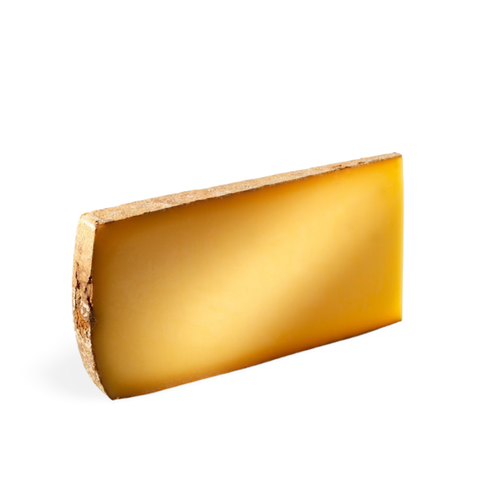
Comté Cheese Prestige 24 months AOP
The top of the line of Comté
PHP 999.00

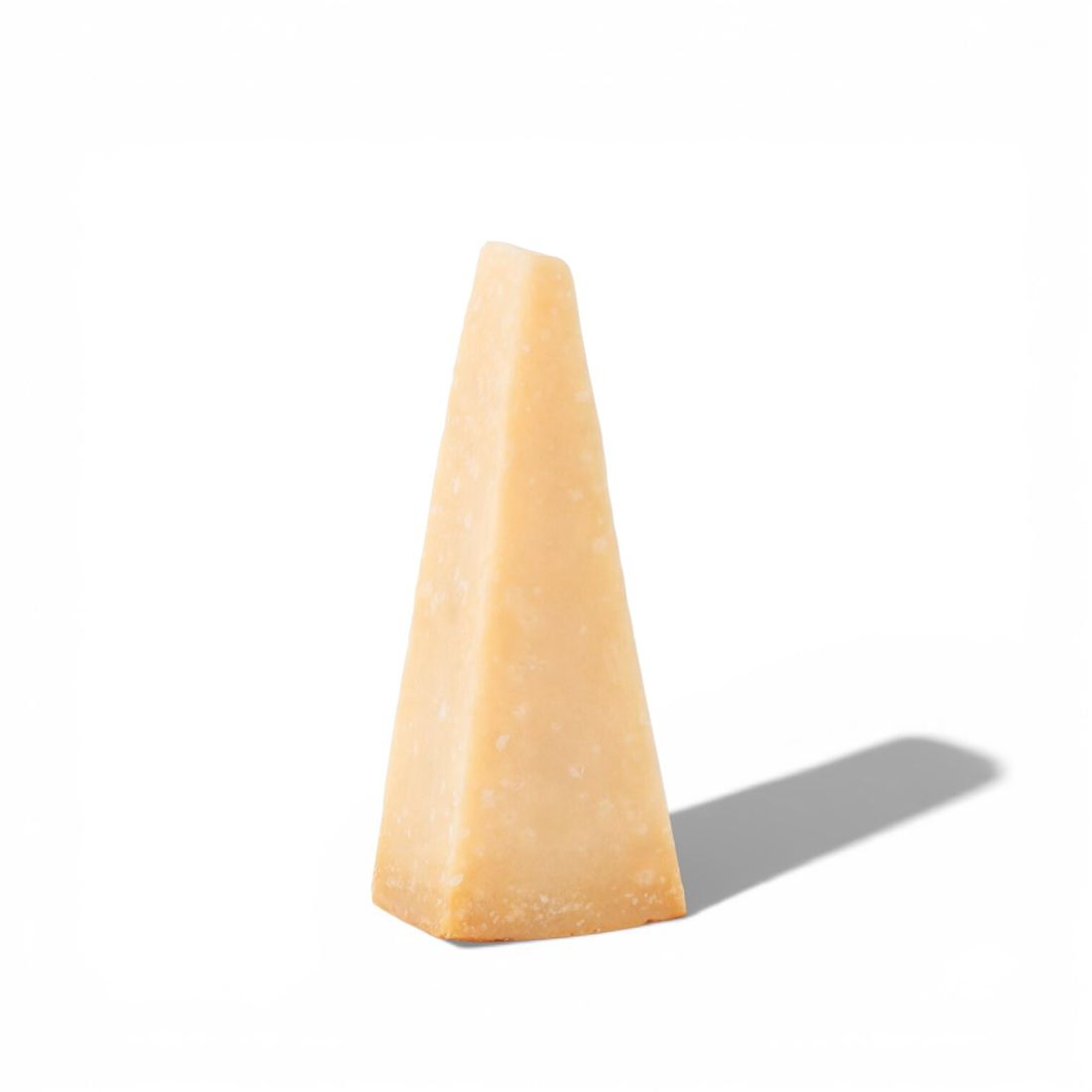

Young Italian Cooking Parmesan
Temporarily out of stock
Get an email when it’s available again.
Try these instead
Similar finds, available now.
Parmigiano Reggiano 14 Months (For Pasta, Sauces and Cooking) offers the early expression of Italy’s most iconic cheese. Still youthful yet flavorful, it delivers balanced nutty richness and savory depth, making it ideal for grating into pasta, sauces, soups, and everyday Italian cooking.
Young Italian Cooking Parmesan
Parmigiano Reggiano 14 Months (For Pasta, Sauces and Cooking) offers the early expression of Italy’s most iconic cheese. Still youthful yet flavorful, it delivers balanced nutty richness and savory depth, making it ideal for grating into pasta, sauces, soups, and everyday Italian cooking.
Temporarily out of stock
Get an email when it’s available again.
Try these instead
Similar finds, available now.
Milk: Cow. Milk treatment: Raw milk. Texture: Hard.
Explore Raw Milk Cheese and Cow’s Milk Cheese to compare this cheese with other choices.
Compare this maturity with our full Parmesan and Parmigiano Reggiano selection, or explore grating cheeses for pasta and finishing.
At 14 months of maturation, Parmigiano Reggiano reveals the first clear expression of its famous character while still retaining a certain gentleness that makes it particularly suitable for cooking. This is the stage where the cheese begins to develop the unmistakable nutty and savory notes that define Parmigiano, yet the texture remains slightly smoother and less crystalline than older ages.
The aroma opens with warm dairy notes—fresh butter, milk, and hay—followed by delicate hints of toasted nuts and broth-like savoriness. The paste is firm and granular but still breaks with relative ease, producing small shards that grate beautifully and melt smoothly into dishes.
On the palate, the flavor is balanced and approachable. There is a natural saltiness that enhances food without overpowering it, along with notes of roasted hazelnut, sweet cream, and a gentle umami finish. Because it is younger than the more intense 24–36 month Parmigiano Reggiano, the flavor integrates seamlessly into recipes rather than dominating them.
This makes the 14-month stage particularly beloved by chefs and home cooks alike. It melts elegantly into sauces, enriches broths, and adds depth to pasta and risotto without creating excessive sharpness. In many kitchens, this is the Parmigiano that quietly powers everyday cooking, delivering authentic Italian flavor in its most versatile form.
This Parmigiano Reggiano is selected specifically for grating, melting, and enriching dishes.
Perfect for cooking
Grate generously over spaghetti, tagliatelle, and lasagna.
Stir into risotto for added creaminess and depth.
Add to tomato sauces, ragù, and cream sauces.
Finish soups and broths with a savory boost.
Kitchen tips
Add the rind to slow-simmered soups or stews for extra umami.
Combine grated Parmigiano with breadcrumbs and herbs for gratins.
Sprinkle over roasted vegetables like zucchini, eggplant, or potatoes.
Because the cheese is still relatively young, it melts smoothly and blends beautifully into dishes, making it especially practical for everyday cooking.
Parmigiano Reggiano is one of the world’s most respected cheeses and an essential ingredient in Italian cuisine. Produced only in specific provinces of northern Italy under strict regulations, it is made from just three ingredients: cow’s milk, salt, and rennet. From these humble elements emerges a cheese that can transform even the simplest dish.
At around 14 months, the cheese reaches an important early stage in its life. It has developed its characteristic nutty aroma and savory richness but still retains a youthful smoothness that makes it particularly well suited for culinary use.
In Italian kitchens, Parmigiano Reggiano is rarely treated as a luxury reserved for special occasions. Instead, it is a daily essential. It is grated into pasta, stirred into soups, folded into fillings, and shaved over vegetables. Even the rind is treasured, often simmered in broths to add depth and flavor.
This is the cheese that forms the quiet backbone of countless Italian dishes. A small handful can elevate a sauce, deepen a soup, or bring warmth and richness to a bowl of pasta.
Keep refrigerated at 4–8°C. Wrap in parchment or wax paper followed by a loose outer layer of plastic or store in an airtight container. For best results when cooking, grate the cheese fresh before use.
Milk: Cow. Milk treatment: Raw milk. Texture: Hard.
Explore Raw Milk Cheese and Cow’s Milk Cheese to compare this cheese with other choices.
Compare this maturity with our full Parmesan and Parmigiano Reggiano selection, or explore grating cheeses for pasta and finishing.
At 14 months of maturation, Parmigiano Reggiano reveals the first clear expression of its famous character while still retaining a certain gentleness that makes it particularly suitable for cooking. This is the stage where the cheese begins to develop the unmistakable nutty and savory notes that define Parmigiano, yet the texture remains slightly smoother and less crystalline than older ages.
The aroma opens with warm dairy notes—fresh butter, milk, and hay—followed by delicate hints of toasted nuts and broth-like savoriness. The paste is firm and granular but still breaks with relative ease, producing small shards that grate beautifully and melt smoothly into dishes.
On the palate, the flavor is balanced and approachable. There is a natural saltiness that enhances food without overpowering it, along with notes of roasted hazelnut, sweet cream, and a gentle umami finish. Because it is younger than the more intense 24–36 month Parmigiano Reggiano, the flavor integrates seamlessly into recipes rather than dominating them.
This makes the 14-month stage particularly beloved by chefs and home cooks alike. It melts elegantly into sauces, enriches broths, and adds depth to pasta and risotto without creating excessive sharpness. In many kitchens, this is the Parmigiano that quietly powers everyday cooking, delivering authentic Italian flavor in its most versatile form.
This Parmigiano Reggiano is selected specifically for grating, melting, and enriching dishes.
Perfect for cooking
Grate generously over spaghetti, tagliatelle, and lasagna.
Stir into risotto for added creaminess and depth.
Add to tomato sauces, ragù, and cream sauces.
Finish soups and broths with a savory boost.
Kitchen tips
Add the rind to slow-simmered soups or stews for extra umami.
Combine grated Parmigiano with breadcrumbs and herbs for gratins.
Sprinkle over roasted vegetables like zucchini, eggplant, or potatoes.
Because the cheese is still relatively young, it melts smoothly and blends beautifully into dishes, making it especially practical for everyday cooking.
Parmigiano Reggiano is one of the world’s most respected cheeses and an essential ingredient in Italian cuisine. Produced only in specific provinces of northern Italy under strict regulations, it is made from just three ingredients: cow’s milk, salt, and rennet. From these humble elements emerges a cheese that can transform even the simplest dish.
At around 14 months, the cheese reaches an important early stage in its life. It has developed its characteristic nutty aroma and savory richness but still retains a youthful smoothness that makes it particularly well suited for culinary use.
In Italian kitchens, Parmigiano Reggiano is rarely treated as a luxury reserved for special occasions. Instead, it is a daily essential. It is grated into pasta, stirred into soups, folded into fillings, and shaved over vegetables. Even the rind is treasured, often simmered in broths to add depth and flavor.
This is the cheese that forms the quiet backbone of countless Italian dishes. A small handful can elevate a sauce, deepen a soup, or bring warmth and richness to a bowl of pasta.
Keep refrigerated at 4–8°C. Wrap in parchment or wax paper followed by a loose outer layer of plastic or store in an airtight container. For best results when cooking, grate the cheese fresh before use.
Curated Selection