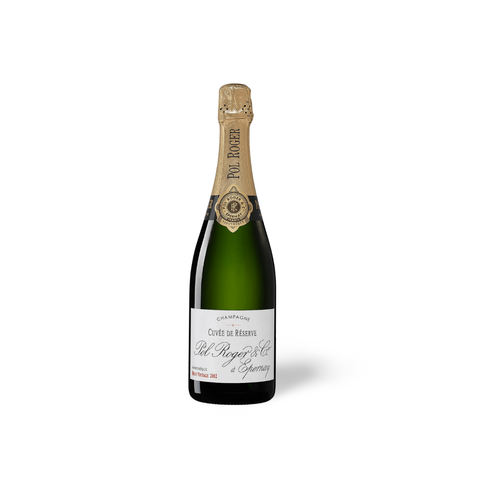
Pol Roger Brut Vintage Vinothèque
Prestige for Collectors
PHP 17,200.00
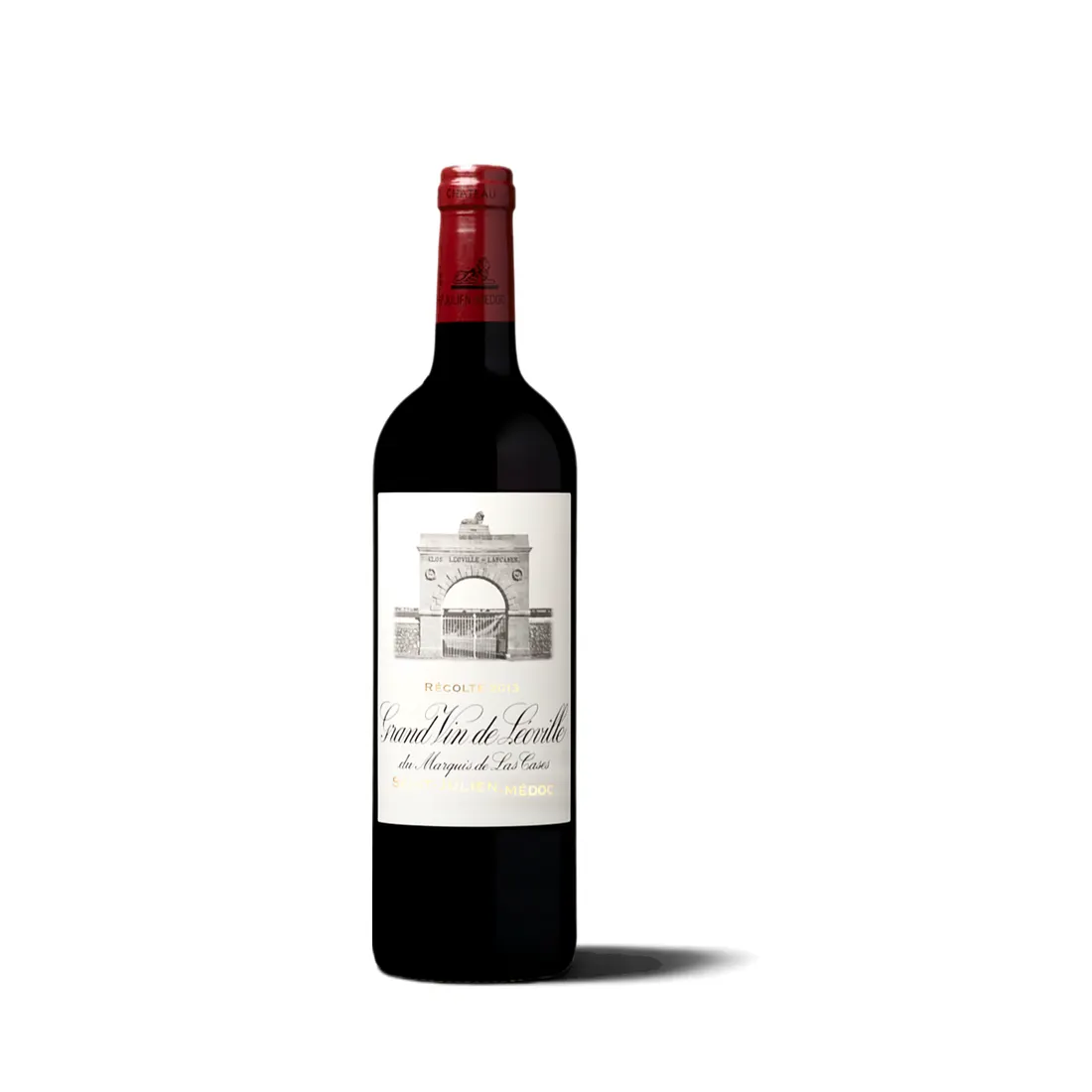
Saint-Julien in Fine Focus
PHP 17,550.00
Delivery date confirmed at checkout
750ml Bottle, 2013
PHP 17,550.00 each
Packed with extra shock protection
You’re PHP 3,000.00 away from free delivery in Metro Manila
Quietly classical and beautifully proportioned, Château Léoville Las Cases 2013 favours fragrant red fruit, cedar, herbs, and mineral freshness over sheer weight, with supple tannins and savoury detail that reward an unhurried glass.
Temperature-Controlled Delivery
Satisfaction Guarantee
Same-Day Dispatch Before 4PM
Saint-Julien in Fine Focus
Quietly classical and beautifully proportioned, Château Léoville Las Cases 2013 favours fragrant red fruit, cedar, herbs, and mineral freshness over sheer weight, with supple tannins and savoury detail that reward an unhurried glass.
PHP 17,550.00
Delivery date confirmed at checkout
750ml Bottle, 2013
PHP 17,550.00 each
Packed with extra shock protection
You’re PHP 3,000.00 away from free delivery in Metro Manila
Temperature-Controlled Delivery
Satisfaction Guarantee
Same-Day Dispatch Before 4PM
The 2013 blend brings together 74% Cabernet Sauvignon, 14% Cabernet Franc, and 12% Merlot. Cabernet Sauvignon gives the wine its clear, elongated frame, while the supporting varieties bring aromatic lift and a more yielding middle. This is a red-fruited, herbal reading of Léoville Las Cases rather than one built on sheer darkness or weight. Cranberry, raspberry, redcurrant, and blackberry appear with mint and a tea-like fragrance, followed by cedar, liquorice, earth, incense, and a discreet saline suggestion. The palate is refined and cohesive, entering smoothly before fine, supple tannins and measured density carry the fruit toward a fresh, savoury finish. Its attraction lies in proportion: perfume without fragility, structure without severity, and mineral detail that becomes clearer with air. Give it time in a generous glass and the wine moves from fragrant fruit toward cedar, herbs, and the disciplined Saint-Julien character of the Grand Enclos.
The finish remains cool, fragrant, and persistent.
Serve Château Léoville Las Cases 2013 slightly below room temperature and give it time in a decanter or generous Bordeaux glass. Roast lamb, beef tenderloin, duck breast, or slow-cooked beef are natural partners for its Cabernet structure. Roasted mushrooms, truffled potatoes, lentils, and a restrained jus echo its cedar, earth, and mineral dimensions. Mature hard cheeses also work beautifully after the main course. Avoid aggressively spicy sauces or heavy sweetness, which can mute the wine’s fragrance. For a quieter pairing, try herb-roasted chicken with mushrooms or celeriac. Pour the wine in stages through dinner and return to it as its red fruit, tea, and savoury detail become more expressive.
The identity of Léoville Las Cases begins in the Grand Enclos, a complex mosaic of Quaternary gravel over sandy-gravel and clay-gravel subsoils beside the Gironde. Proximity to the river contributes geological diversity and a distinctive microclimate, giving the wine its mineral line and disciplined Saint-Julien expression. The 2013 growing season tested that site: a cool, wet spring delayed flowering, followed by a notably hot July and a dry, sunny start to August. Careful vineyard work preserved healthy fruit through harvest from 2 to 17 October. The resulting wine is not the most flamboyant Léoville Las Cases, and that is precisely its charm. It turns a difficult season into fragrance, balance, supple tannins, and quiet persistence—a classical bottle for drinkers who value proportion over spectacle.
Store unopened in a cool, dark place with a stable temperature, away from vibration and direct light. Keep the bottle horizontal to protect the cork. Once opened, recork and refrigerate; allow the wine to return gradually to serving temperature before pouring again.
The 2013 blend brings together 74% Cabernet Sauvignon, 14% Cabernet Franc, and 12% Merlot. Cabernet Sauvignon gives the wine its clear, elongated frame, while the supporting varieties bring aromatic lift and a more yielding middle. This is a red-fruited, herbal reading of Léoville Las Cases rather than one built on sheer darkness or weight. Cranberry, raspberry, redcurrant, and blackberry appear with mint and a tea-like fragrance, followed by cedar, liquorice, earth, incense, and a discreet saline suggestion. The palate is refined and cohesive, entering smoothly before fine, supple tannins and measured density carry the fruit toward a fresh, savoury finish. Its attraction lies in proportion: perfume without fragility, structure without severity, and mineral detail that becomes clearer with air. Give it time in a generous glass and the wine moves from fragrant fruit toward cedar, herbs, and the disciplined Saint-Julien character of the Grand Enclos.
The finish remains cool, fragrant, and persistent.
Serve Château Léoville Las Cases 2013 slightly below room temperature and give it time in a decanter or generous Bordeaux glass. Roast lamb, beef tenderloin, duck breast, or slow-cooked beef are natural partners for its Cabernet structure. Roasted mushrooms, truffled potatoes, lentils, and a restrained jus echo its cedar, earth, and mineral dimensions. Mature hard cheeses also work beautifully after the main course. Avoid aggressively spicy sauces or heavy sweetness, which can mute the wine’s fragrance. For a quieter pairing, try herb-roasted chicken with mushrooms or celeriac. Pour the wine in stages through dinner and return to it as its red fruit, tea, and savoury detail become more expressive.
The identity of Léoville Las Cases begins in the Grand Enclos, a complex mosaic of Quaternary gravel over sandy-gravel and clay-gravel subsoils beside the Gironde. Proximity to the river contributes geological diversity and a distinctive microclimate, giving the wine its mineral line and disciplined Saint-Julien expression. The 2013 growing season tested that site: a cool, wet spring delayed flowering, followed by a notably hot July and a dry, sunny start to August. Careful vineyard work preserved healthy fruit through harvest from 2 to 17 October. The resulting wine is not the most flamboyant Léoville Las Cases, and that is precisely its charm. It turns a difficult season into fragrance, balance, supple tannins, and quiet persistence—a classical bottle for drinkers who value proportion over spectacle.
Store unopened in a cool, dark place with a stable temperature, away from vibration and direct light. Keep the bottle horizontal to protect the cork. Once opened, recork and refrigerate; allow the wine to return gradually to serving temperature before pouring again.
Curated Selection