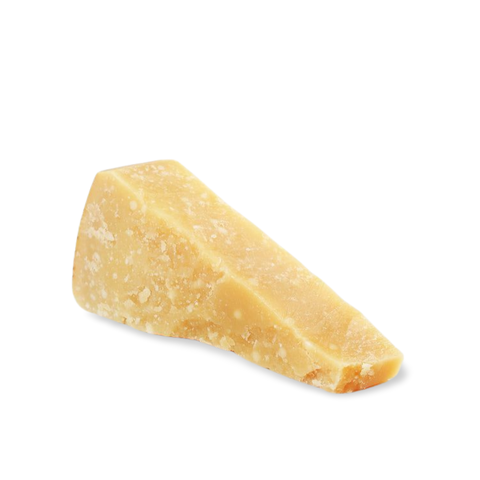
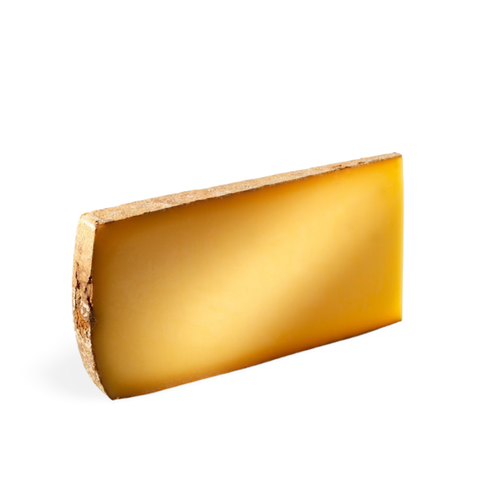
Comté Cheese Prestige 24 months AOP
The top of the line of Comté
PHP 1,499.00

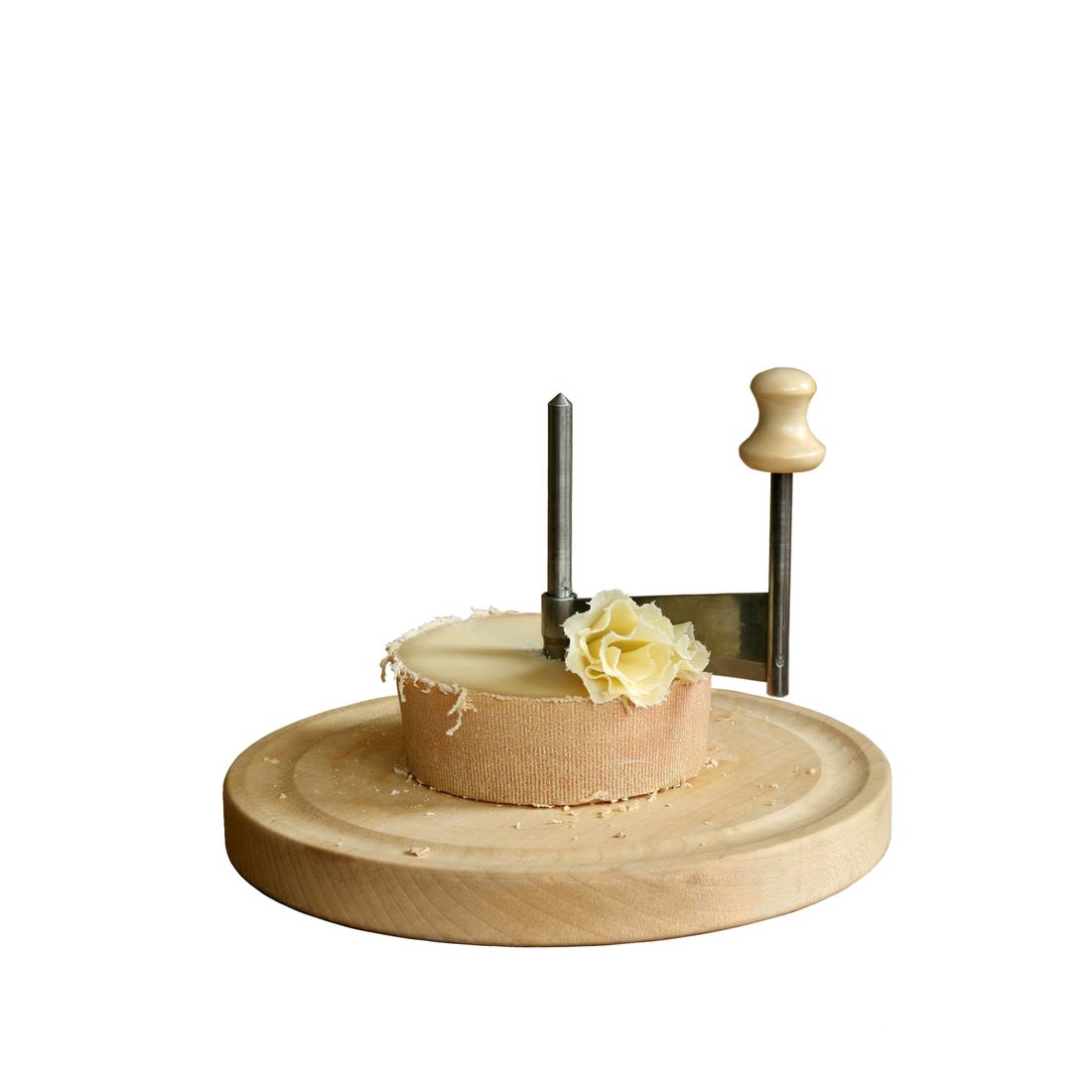
Scraped to Perfection
From PHP 4,999.00
Delivery date confirmed at checkout
Approx. 900g
Most popularPHP 4,999.00 each
Chilled — Packed with thermal insulation & ice gel
You’re PHP 3,000.00 away from free delivery in Metro Manila
The famed cylinder of semi-hard scraping cheese from Switzerland.
Temperature-Controlled Delivery
Satisfaction Guarantee
Same-Day Dispatch Before 4PM
Scraped to Perfection
The famed cylinder of semi-hard scraping cheese from Switzerland.
From PHP 4,999.00
Delivery date confirmed at checkout
Approx. 900g
Most popularPHP 4,999.00 each
Chilled — Packed with thermal insulation & ice gel
You’re PHP 3,000.00 away from free delivery in Metro Manila
Temperature-Controlled Delivery
Satisfaction Guarantee
Same-Day Dispatch Before 4PM
Such a curiosity the Tête de Moine is! This semi-hard raw cow’s milk cheese has been around for almost a millennium, and it boasts a fine, melt-in-the-mouth consistency. Only 10 creameries in Switzerland are allowed to make this cheese, which is matured on spruce wood boards for at least two and a half months. Part of its reputation comes from the way it is served. This cheese is not cut, but scraped with a girolle (spiral grater) that churns out beautiful rosettes of delicious cheese. As the cheese is scraped and comes into contact with air, its aromatic, gently melting flavor is allowed to develop to the fullest.
The Tête de Moine can be had as either an aperitif, a dessert, or a snack. It’s best when scraped into rosettes with a girolle as soon as it is taken out of the fridge. To use the girolle, cut off the top and press the cheese down onto the instrument’s metal rod. Attach the blade and let it spin out delicate, mouthwatering rosettes.
This Alpine cheese goes with fruits—both fresh and dried—and a lovely full-bodied Burgundy or Cabernet Sauvignon. If you prefer white wines, go for a Pinot Grigio. And if you’re looking to do a Swiss cheese tasting flight, circle your Tête de Moine with slices of Gruyere, Appenzeller, and Emmenthaler.
The way this cheese is sliced, it’s reminiscent of the way monks shave the tops of their heads in their signature tonsure. A more interesting fact, though, is that this cheese, invented in the 12th century, was once used as currency in the abbeys of Bearn. The monks would pay the annual rent on their properties with cheese made from their abbey. Over and over, historical records show Tête de Moine listed as their method of payment!
Cheeses (except brined ones in jars) should be stored in the crisper or the butter drawer of a refrigerator, not on the shelves themselves. This is to help regulate their temperature and humidity levels—and prevents the formation of mold. Once opened, they should not be kept in their original packaging. Semi-hard cheeses (including blues) should ideally be wrapped in cheese paper after opening. An alternative is to wrap them tightly in parchment paper to allow them to breathe, then loosely in aluminum foil to keep moisture out. Don't forget to write up a label with the date you first opened the package. Replace the parchment paper every time you open the cheese, and it will be fine for up to one month.
Such a curiosity the Tête de Moine is! This semi-hard raw cow’s milk cheese has been around for almost a millennium, and it boasts a fine, melt-in-the-mouth consistency. Only 10 creameries in Switzerland are allowed to make this cheese, which is matured on spruce wood boards for at least two and a half months. Part of its reputation comes from the way it is served. This cheese is not cut, but scraped with a girolle (spiral grater) that churns out beautiful rosettes of delicious cheese. As the cheese is scraped and comes into contact with air, its aromatic, gently melting flavor is allowed to develop to the fullest.
The Tête de Moine can be had as either an aperitif, a dessert, or a snack. It’s best when scraped into rosettes with a girolle as soon as it is taken out of the fridge. To use the girolle, cut off the top and press the cheese down onto the instrument’s metal rod. Attach the blade and let it spin out delicate, mouthwatering rosettes.
This Alpine cheese goes with fruits—both fresh and dried—and a lovely full-bodied Burgundy or Cabernet Sauvignon. If you prefer white wines, go for a Pinot Grigio. And if you’re looking to do a Swiss cheese tasting flight, circle your Tête de Moine with slices of Gruyere, Appenzeller, and Emmenthaler.
The way this cheese is sliced, it’s reminiscent of the way monks shave the tops of their heads in their signature tonsure. A more interesting fact, though, is that this cheese, invented in the 12th century, was once used as currency in the abbeys of Bearn. The monks would pay the annual rent on their properties with cheese made from their abbey. Over and over, historical records show Tête de Moine listed as their method of payment!
Cheeses (except brined ones in jars) should be stored in the crisper or the butter drawer of a refrigerator, not on the shelves themselves. This is to help regulate their temperature and humidity levels—and prevents the formation of mold. Once opened, they should not be kept in their original packaging. Semi-hard cheeses (including blues) should ideally be wrapped in cheese paper after opening. An alternative is to wrap them tightly in parchment paper to allow them to breathe, then loosely in aluminum foil to keep moisture out. Don't forget to write up a label with the date you first opened the package. Replace the parchment paper every time you open the cheese, and it will be fine for up to one month.
Curated Selection