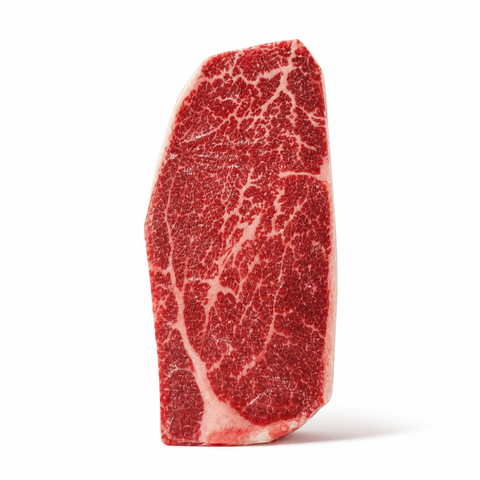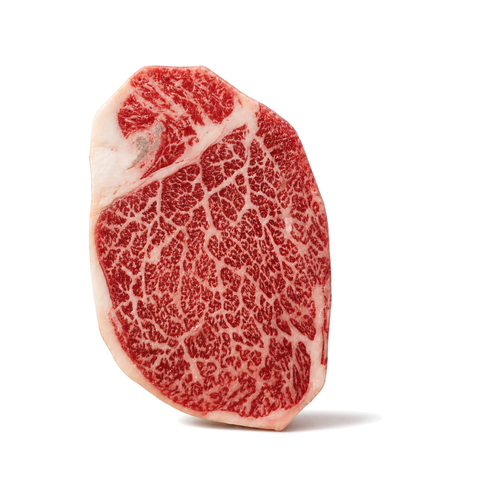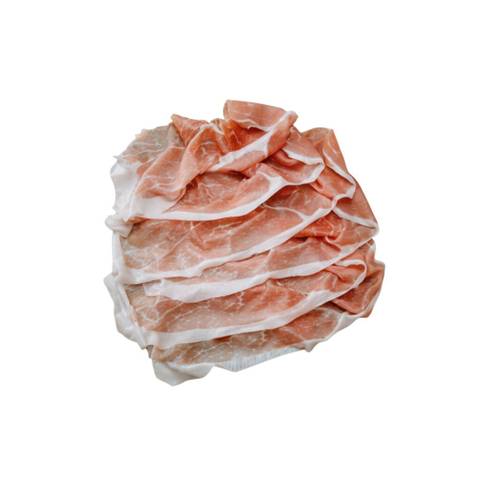
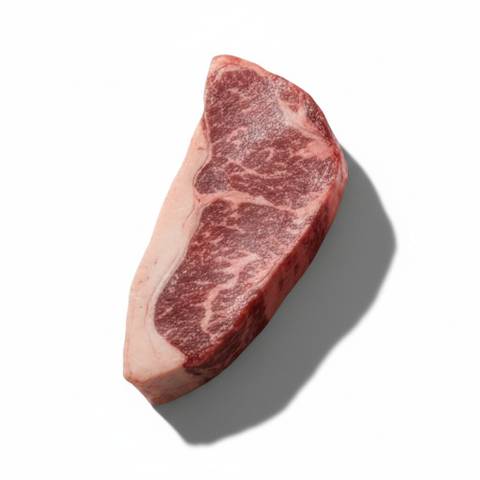
USDA Wisconsin Beef Striploin Super Prime
Exquisite Midwestern Beef Elegance
PHP 2,942.10

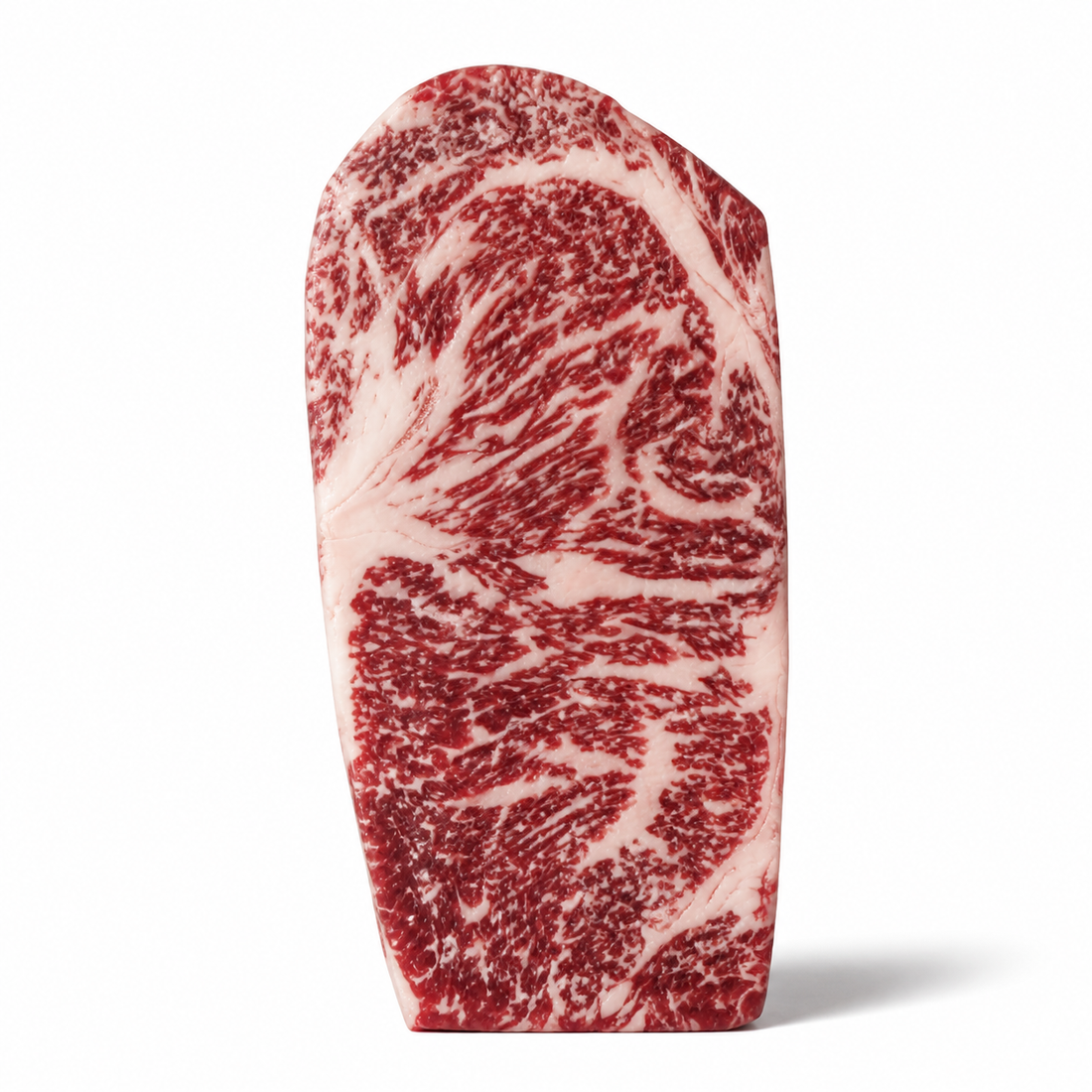
Korea’s Quiet Luxury
Temporarily out of stock
Get an email when it’s available again.
Try these instead
Similar finds, available now.
A rare expression of Korean Hanwoo beef, graded 1++ (BMS 8–9), wet aged for 21 days and carefully frozen. Deeply marbled yet restrained, it offers a refined, umami-rich experience distinct from Wagyu.
Korea’s Quiet Luxury
A rare expression of Korean Hanwoo beef, graded 1++ (BMS 8–9), wet aged for 21 days and carefully frozen. Deeply marbled yet restrained, it offers a refined, umami-rich experience distinct from Wagyu.
Temporarily out of stock
Get an email when it’s available again.
Try these instead
Similar finds, available now.
Hanwoo is often spoken of in the same breath as Wagyu, but it moves differently—less opulent in its excess, more composed, more deliberate. This 1++ sirloin reveals that philosophy with clarity. The marbling is abundant yet finely integrated, forming delicate seams that melt rather than overwhelm. When brought gently to heat, the fat renders into the muscle like a slow whisper, coating each fiber with a subtle, savory sweetness.
The aroma is immediately evocative: toasted grain, warm butter, and a faint nuttiness that recalls roasted barley tea. On the palate, the first impression is softness—yielding without collapse—followed by a layered umami that builds rather than bursts. Unlike heavily marbled Wagyu that can saturate the senses, Hanwoo’s richness is tempered by a clean, almost mineral finish. There is a clarity here, a sense of precision.
The sirloin cut, in particular, offers balance. It carries enough intramuscular fat to deliver silkiness, yet retains a structured chew that reminds you this is still beef, still muscle, still grounded in the land. The 21-day wet aging deepens this character, allowing enzymes to gently break down fibers while preserving moisture. The result is tenderness without fragility, flavor without excess gaminess.
Freezing, when done properly at peak freshness, locks this moment in time. It preserves the integrity of the fat and the muscle, ensuring that what arrives on your plate is a faithful expression of the original product. Thawed slowly, the beef retains its texture and aromatic profile, ready to unfold again under heat.
This is not a steak that shouts. It speaks quietly, but with authority.
Hanwoo rewards restraint. It asks for attention rather than embellishment.
Wine pairings:
Accompaniments:
Cook it gently. Eat it attentively.
Hanwoo is more than a breed—it is a cultural artifact of Korea. For centuries, these cattle were raised not for mass consumption but for agricultural labor, valued as working companions in rice fields. Only later did their meat become a symbol of celebration and status. Today, Hanwoo remains deeply tied to Korean identity, often gifted during major holidays such as Chuseok or Lunar New Year.
What makes Hanwoo particularly rare outside Korea is not just production scale, but intention. The domestic market absorbs the vast majority of supply, driven by a strong cultural preference for locally raised beef. Export volumes remain limited, and strict grading systems ensure that only the finest cuts achieve the coveted 1++ designation.
This grade corresponds to a Beef Marbling Score of 8–9, placing it among the highest tiers of global beef quality. Yet unlike Japanese Wagyu, which has been widely exported and adapted, Hanwoo has remained relatively insular. Its flavor profile reflects this—less about spectacle, more about balance.
The cattle themselves are raised with meticulous care, often fed grain-based diets that contribute to the distinctive marbling and sweetness. Farmers take pride in lineage and feeding practices, creating a product that is both agricultural and artisanal.
To encounter Hanwoo outside Korea is to experience something that has not been diluted by globalization. It is beef shaped by place, by history, by a quiet insistence on doing things a certain way.
Keep frozen at or below -18°C. Do not refreeze once thawed. For best results, thaw slowly in the refrigerator for 12–24 hours. Once thawed, keep refrigerated (0–2°C) and consume within 24 hours. Avoid rapid thawing at room temperature to preserve texture and flavor.
Hanwoo is often spoken of in the same breath as Wagyu, but it moves differently—less opulent in its excess, more composed, more deliberate. This 1++ sirloin reveals that philosophy with clarity. The marbling is abundant yet finely integrated, forming delicate seams that melt rather than overwhelm. When brought gently to heat, the fat renders into the muscle like a slow whisper, coating each fiber with a subtle, savory sweetness.
The aroma is immediately evocative: toasted grain, warm butter, and a faint nuttiness that recalls roasted barley tea. On the palate, the first impression is softness—yielding without collapse—followed by a layered umami that builds rather than bursts. Unlike heavily marbled Wagyu that can saturate the senses, Hanwoo’s richness is tempered by a clean, almost mineral finish. There is a clarity here, a sense of precision.
The sirloin cut, in particular, offers balance. It carries enough intramuscular fat to deliver silkiness, yet retains a structured chew that reminds you this is still beef, still muscle, still grounded in the land. The 21-day wet aging deepens this character, allowing enzymes to gently break down fibers while preserving moisture. The result is tenderness without fragility, flavor without excess gaminess.
Freezing, when done properly at peak freshness, locks this moment in time. It preserves the integrity of the fat and the muscle, ensuring that what arrives on your plate is a faithful expression of the original product. Thawed slowly, the beef retains its texture and aromatic profile, ready to unfold again under heat.
This is not a steak that shouts. It speaks quietly, but with authority.
Hanwoo rewards restraint. It asks for attention rather than embellishment.
Wine pairings:
Accompaniments:
Cook it gently. Eat it attentively.
Hanwoo is more than a breed—it is a cultural artifact of Korea. For centuries, these cattle were raised not for mass consumption but for agricultural labor, valued as working companions in rice fields. Only later did their meat become a symbol of celebration and status. Today, Hanwoo remains deeply tied to Korean identity, often gifted during major holidays such as Chuseok or Lunar New Year.
What makes Hanwoo particularly rare outside Korea is not just production scale, but intention. The domestic market absorbs the vast majority of supply, driven by a strong cultural preference for locally raised beef. Export volumes remain limited, and strict grading systems ensure that only the finest cuts achieve the coveted 1++ designation.
This grade corresponds to a Beef Marbling Score of 8–9, placing it among the highest tiers of global beef quality. Yet unlike Japanese Wagyu, which has been widely exported and adapted, Hanwoo has remained relatively insular. Its flavor profile reflects this—less about spectacle, more about balance.
The cattle themselves are raised with meticulous care, often fed grain-based diets that contribute to the distinctive marbling and sweetness. Farmers take pride in lineage and feeding practices, creating a product that is both agricultural and artisanal.
To encounter Hanwoo outside Korea is to experience something that has not been diluted by globalization. It is beef shaped by place, by history, by a quiet insistence on doing things a certain way.
Keep frozen at or below -18°C. Do not refreeze once thawed. For best results, thaw slowly in the refrigerator for 12–24 hours. Once thawed, keep refrigerated (0–2°C) and consume within 24 hours. Avoid rapid thawing at room temperature to preserve texture and flavor.
Curated Selection