FREE DELIVERY STARTS AT PHP 3000
We deliver Nationwide

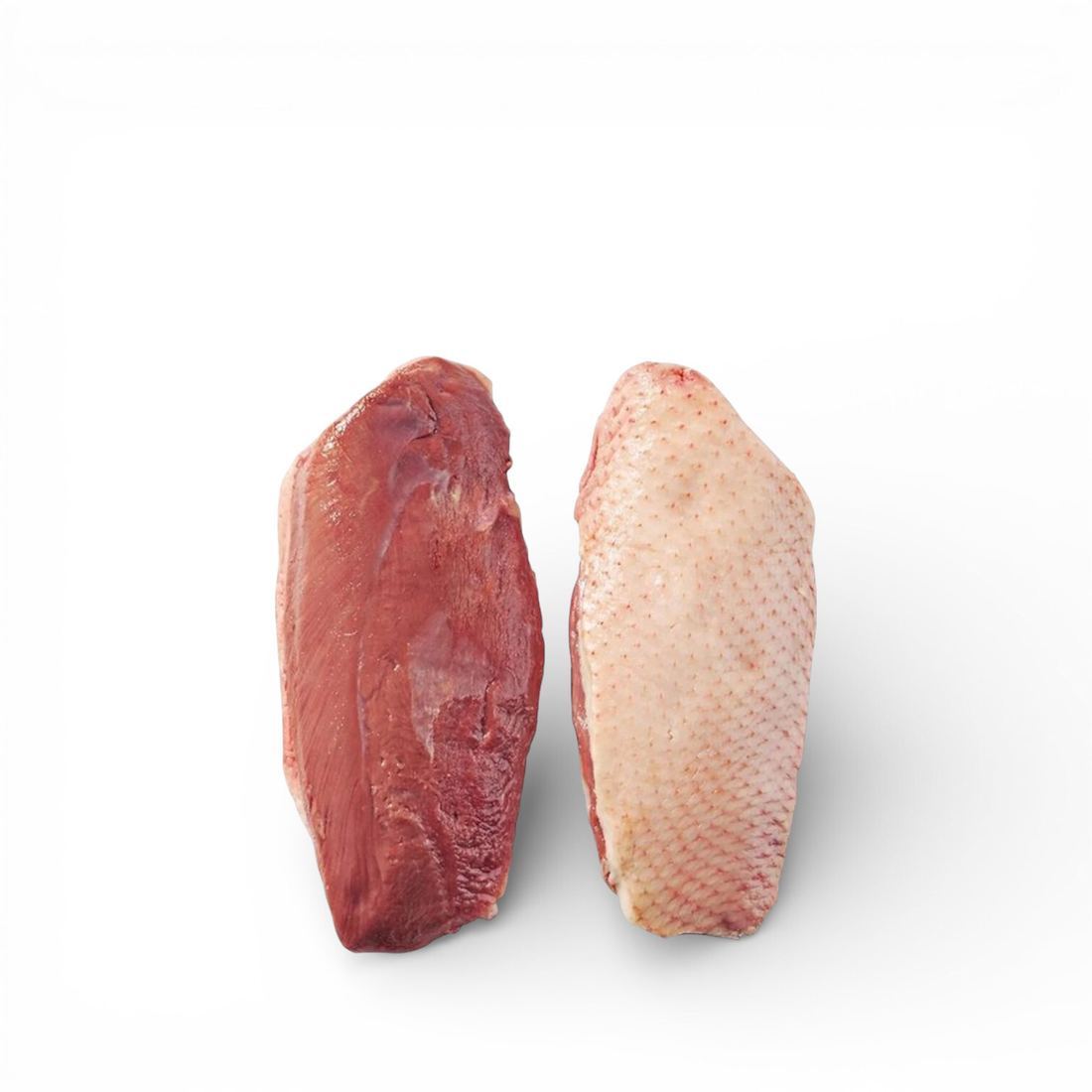
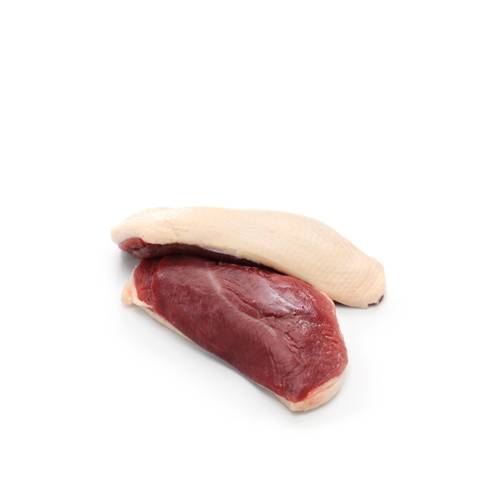
Canette Breast (Female duckling)

Young duck, quiet depth

PHP 2,235.00
1
Only 1 available
ADD TO BASKET
Delivery in 22 hours
(Thursday Jan 22 , 2026)
Add to Wishlist
EXPIRES ON Wednesday Jan 20 , 2027
ORDER BEFORE 04:00 PM - TOMORROW
DELIVERS in 22 hours (Thursday Jan 22 , 2026)
COVERAGE Metro Manila, North Cavite, Taytay, Cainta, Antipolo, Silang, Los Banos, Lapu Lapu (+1 days), Mandaue (+1 days), Tabaco (+1 days), Dipolog (+1 days), Ozamiz (+1 days), Bacolod (+1 days), Panglao (+1 days), Tagaytay (+1 days), Cagayan de Oro (+1 days), Iloilo City (+1 days), Canlipa (+1 days), Cebu (+1 days), Zamboanga City (+1 days), Tagbilaran (+1 days), Tacloban (+1 days), Dumaguete (+1 days), San Fernando (+1 days), Agoo (+1 days), Bauang (+1 days), Baguio City (+1 days), San Pablo (+1 days), Angeles (+1 days), Malolos (+1 days), Lipa (+1 days), Legazpi (+1 days), Pangasinan (+1 days), Subic / Olongapo (+1 days), Puerto Princessa (+1 days), Boracay (+1 days), Kalibo / Aklan (+1 days), Tarlac (+1 days), Sorsogon (+1 days), Daet (+1 days), Naga (+1 days), General Santos (+1 days), Davao (+1 days), Bulacan (+1 days), Baliuag (+1 days), Tagudin (+2 days), Vigan (+2 days), Tabuk (+2 days), Candon (+2 days), Tuguegarao (+2 days), Siargao (+2 days), Batangas City (+3 days),
PAYMENT CREDIT CARD, PAYPAL, BANK TRANSFER, GCASH
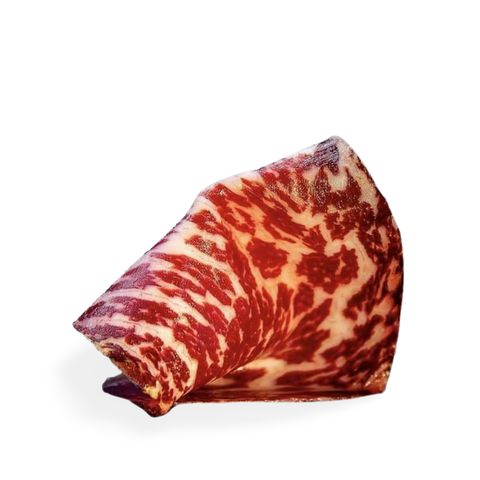
### Tasting notes of the Curator Canette duck breast does not announce itself loudly. It speaks in a lower register, closer to silk than velvet, closer to autumn leaves than roaring fire. Taken from a young female duck, smaller and lighter than the ducks used for foie gras, the breast is naturally more delicate. The muscle fibers are finer, the fat layer thinner and more even, the flavor more nuanced. Raw, the meat is a soft garnet, almost translucent at the edges, capped with a pale, clean layer of fat that promises crispness without excess. There is no heaviness here. When the skin meets a cold pan and heat is applied slowly, the fat renders patiently, releasing a gentle duck perfume—nutty, faintly sweet, never aggressive. The skin tightens and turns golden, thin as parchment, crackling under the knife. Cooked to rosé, the flesh remains supple and moist, yielding easily but not collapsing. The flavor sits somewhere between poultry and red meat: a clean iron note, a whisper of wildness, and a soft, lingering savoriness that invites silence at the table. Unlike magret, which asserts itself, canette rewards attention. It does not flood the palate; it lingers, unfolding slowly. This is a cut for cooks who value restraint. Overcooked, it loses its grace. Treated gently, it becomes profoundly expressive. There is a sense of balance in canette breast—between fat and lean, sweetness and umami, tenderness and structure—that makes it endlessly adaptable. It is not rustic food. It is intimate food, meant to be sliced carefully, served warm, and eaten with awareness. In the hands of a thoughtful cook, canette duck breast becomes a study in proportion. Nothing dominates. Everything is in dialogue. ### Pairings and Suggestions Canette duck breast shines when paired with ingredients that respect its subtlety rather than overpower it. - Classic pairings - Seasonal fruits such as cherries, figs, or pears, cooked down gently into restrained sauces - Mildly bitter greens like endive, radicchio, or young spinach - Simple reductions made from duck stock, a touch of wine, and careful seasoning - Modern interpretations - Minimalist plating, sliced breast with a single vegetable purée (celeriac, parsnip, or carrot) - Light spice accents—white pepper, coriander seed, or a trace of five-spice, used sparingly - Asian-inspired restraint, paired with soy reduction, ginger, or tea-smoked elements - Cooking approaches - Pan-seared, skin-side down, starting cold to render fat evenly - Finished briefly in the oven, just to bring the core to temperature - Rested properly, allowing juices to settle before slicing - Occasions - Intimate dinners, where conversation matters as much as food - Restaurant-style home cooking, when one wants refinement without complication - Seasonal menus, especially autumn and early winter, when richness is welcome but heaviness is not Canette duck breast prefers clarity over cleverness. One or two well-chosen companions are enough. ### Why the French Prize the Canette In French culinary tradition, the distinction between magret and canette is not academic—it is cultural. Magret, cut from ducks raised for foie gras, carries abundance and power. Canette, by contrast, represents discretion. Historically favored in home kitchens and refined bistros, it was the cut chosen when elegance mattered more than spectacle. The word canette itself refers specifically to the young female duck, traditionally slaughtered before maturity to preserve tenderness. Chefs value it for its predictability and finesse. In classic French cooking schools, canette breast is often used to teach precision: correct rendering of fat, exact doneness, proper resting. There is little room for error, which is precisely the point. In the latter half of the 20th century, as French cuisine began to shift away from excess toward balance, canette quietly gained renewed respect. It aligned perfectly with a more thoughtful gastronomy—less sauce, cleaner plates, better ingredients. Today, it remains a favorite among chefs who cook for themselves rather than for applause. To choose canette is to choose intention. It reflects a culinary philosophy that values listening over declaring, tasting over impressing. It is a reminder that luxury is often found not in size or intensity, but in precision and care.

Storage Instructions

Keep refrigerated between 0–4 °C. Store in its original vacuum packaging until use. Once opened, consume within 24–48 hours. For best texture, allow the breast to rest at room temperature for 15–20 minutes before cooking. Not recommended for refreezing once thawed.