Bellota-Bellota Jamón Ibérico – Andalusian (Handcarved)
Southern Spain, Sliced to Perfection
PHP 1,769.00


From PHP 1,899.00
Delivery date confirmed at checkout
Whole, Approx 420g
Most popularPHP 1,899.00 each
Chilled — Packed with thermal insulation & ice gel
You’re PHP 3,000.00 away from free delivery in Metro Manila
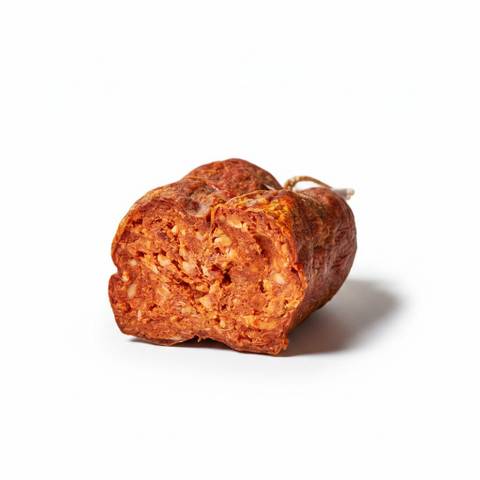
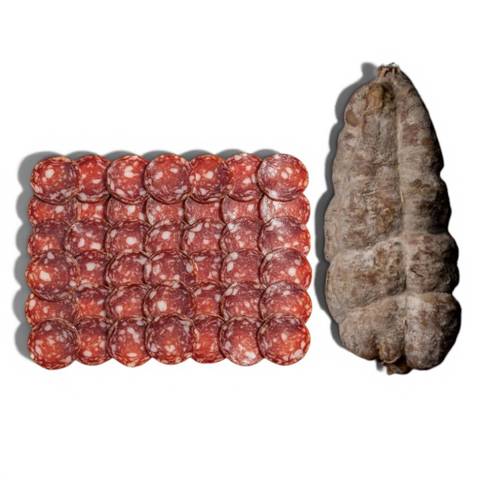
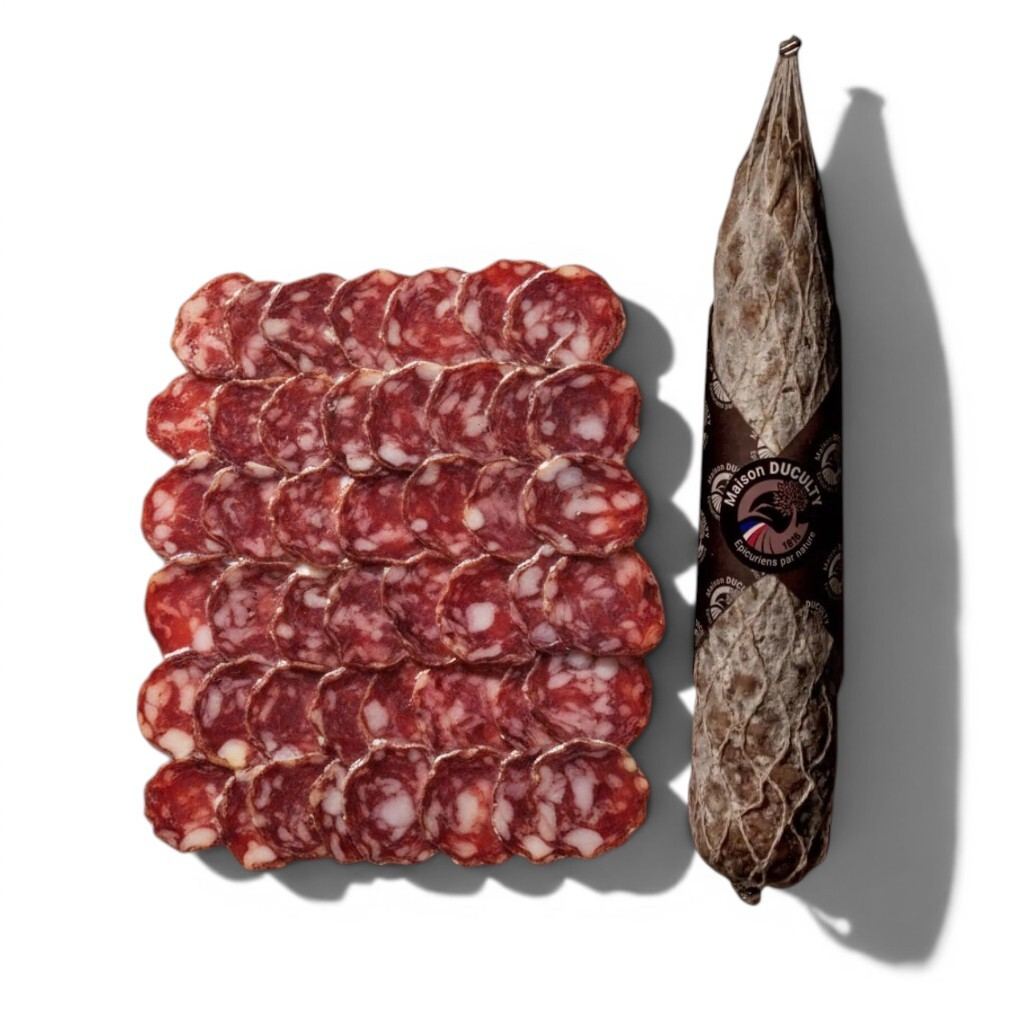
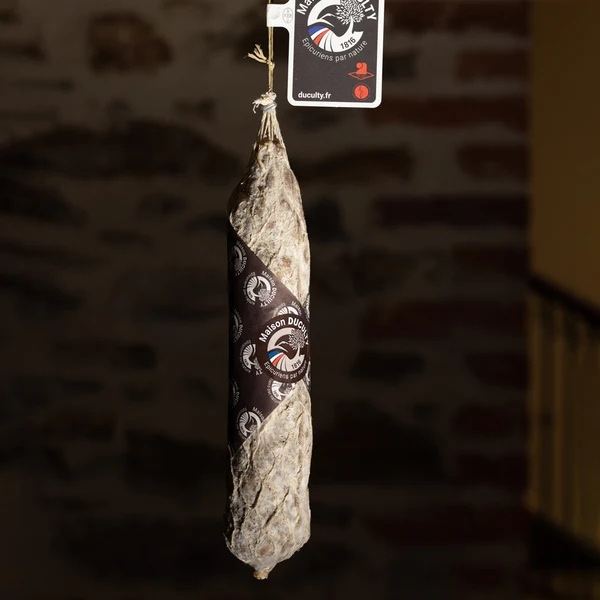
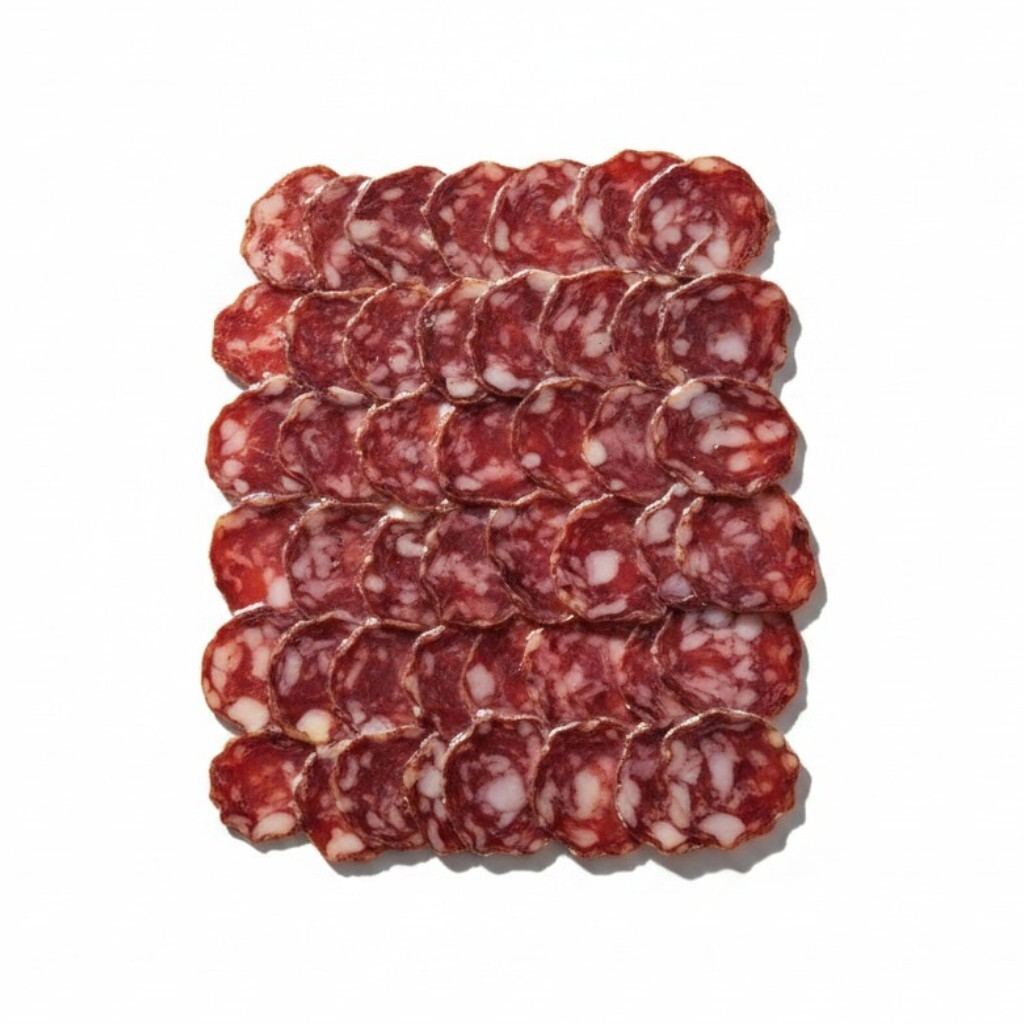
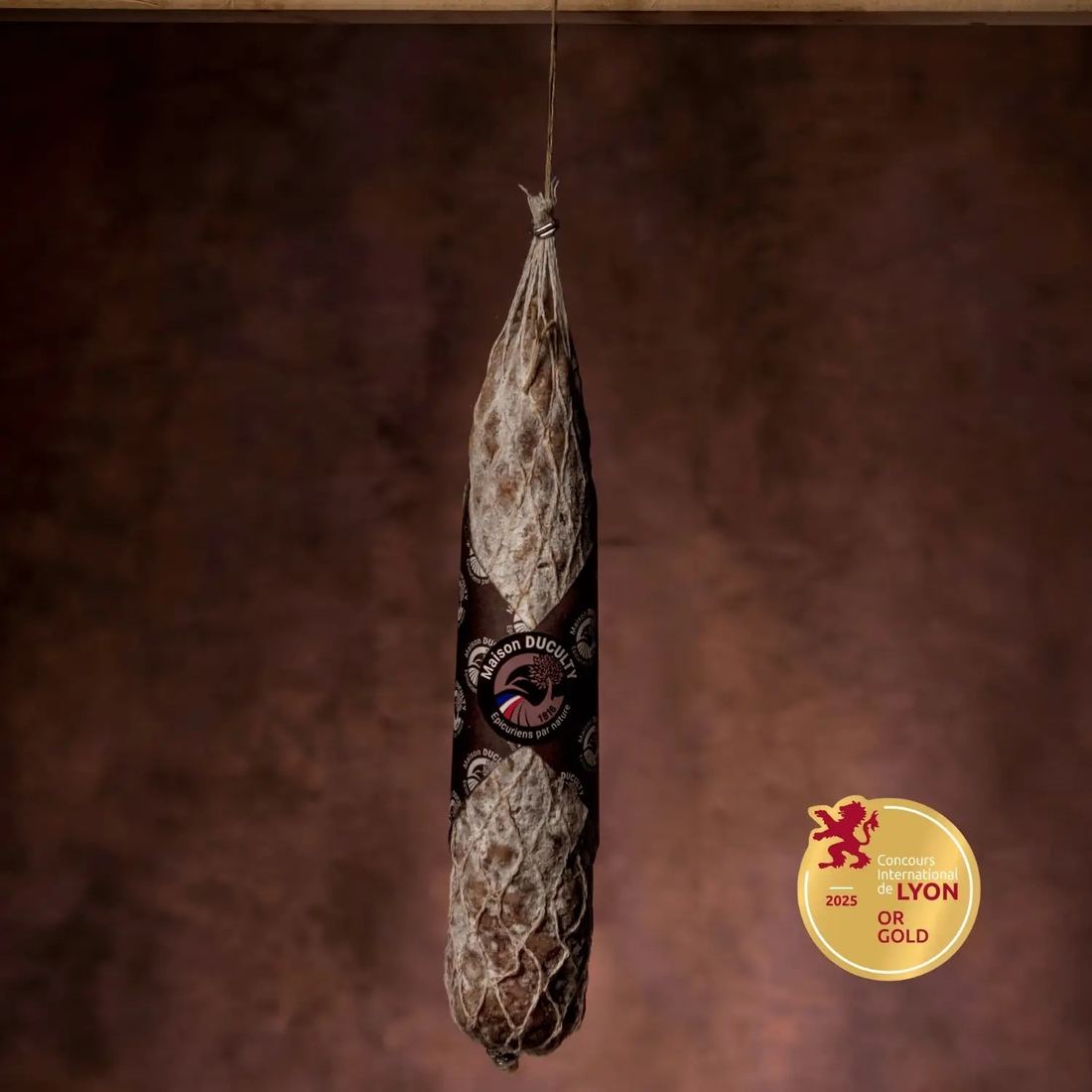
Awarded Gold at the 2025 Concours International de Lyon, Rosette Artisanale de Lyon by Maison Duculty is a traditional French dry-cured sausage crafted from French pork and slowly matured in the mountains south of Lyon. Generous, supple, and deeply refined, it is a benchmark of authentic Lyonnais charcuterie.
Temperature-Controlled Delivery
Satisfaction Guarantee
Same-Day Dispatch Before 4PM
Awarded Gold at the 2025 Concours International de Lyon, Rosette Artisanale de Lyon by Maison Duculty is a traditional French dry-cured sausage crafted from French pork and slowly matured in the mountains south of Lyon. Generous, supple, and deeply refined, it is a benchmark of authentic Lyonnais charcuterie.
From PHP 1,899.00
Delivery date confirmed at checkout
Whole, Approx 420g
Most popularPHP 1,899.00 each
Chilled — Packed with thermal insulation & ice gel
You’re PHP 3,000.00 away from free delivery in Metro Manila
Temperature-Controlled Delivery
Satisfaction Guarantee
Same-Day Dispatch Before 4PM
Rosette Artisanale de Lyon belongs to the great tradition of French mountain salaison — charcuterie shaped as much by patience and climate as by recipe itself. Maison Duculty’s version immediately distinguishes itself through its soft, almost velvety texture and its beautifully balanced fat distribution, giving the sausage a tender bite uncommon in many industrial dry sausages.
The aroma opens delicately rather than aggressively, with gentle cured pork notes, faint nuttiness, and the quiet perfume of slow maturation. On the palate, it is savory yet elegant, delivering a rounded richness that never becomes overpowering. The seasoning remains restrained and thoughtful, allowing the sweetness of the pork itself to remain at the forefront. Subtle pepper, cellar-aged depth, and a slight earthy finish unfold gradually as the slices warm on the tongue.
Its larger diameter allows for a slower curing process, preserving moisture and softness while developing complexity over time. Compared to thinner saucissons sec, Rosette de Lyon feels fuller, silkier, and more generous in texture. It is precisely this balance between rustic authenticity and refinement that earned Maison Duculty international recognition, including a Gold Medal at the 2025 Concours International de Lyon — a distinction that reinforces its place among France’s celebrated artisanal charcuterie traditions.
Rosette Artisanale de Lyon is best enjoyed simply, with enough space for its texture and maturation to fully express themselves. Allow the sausage to rest at room temperature before slicing thinly to soften the fat and release its aroma.
Serve it alongside:
For an effortlessly elegant aperitif board, pair slices of Rosette with cheeses, seasonal fruit, pickles, and wine. It also folds beautifully into sandwiches, elevates picnic spreads, and works wonderfully beside warm potatoes or simple salads. The sausage’s softer texture and mellow savoriness make it especially approachable even for those newer to traditional French cured meats.
Rosette de Lyon is deeply tied to the culinary heritage of Lyon, long regarded as one of France’s gastronomic capitals. Traditionally produced during colder months, these large-format cured sausages were designed to mature slowly, developing complexity while retaining tenderness. The name “rosette” comes from the natural casing used in production, which gives the sausage its distinctive broad shape and contributes to its unique texture.
Maison Duculty continues this legacy in the mountainous Pilat region south of Lyon, where cool air and natural drying conditions remain central to their process. Passed down through five generations, their craftsmanship reflects a philosophy increasingly rare in modern food production: allowing time, environment, and raw ingredients to lead. The Gold Medal distinction from the 2025 Concours International de Lyon is more than an award — it is recognition of a living tradition preserved with care. Every slice carries the spirit of classic French charcuterie: generous, humble, and quietly luxurious.
You may notice a delicate white bloom on the surface of Duculty saucisson — and occasionally, small traces of green or blue-green mold developing over time. This is a natural part of the traditional curing process and a hallmark of authentic artisanal charcuterie.
The fine white coating is typically a beneficial penicillium mold intentionally encouraged during aging. It helps regulate moisture, protects the saucisson from unwanted bacteria, and contributes to the sausage’s complex aroma and depth of flavor. In many ways, it functions much like the rind on a fine cheese.
As the saucisson continues to mature, especially in humid environments, small spots of green mold may occasionally appear. In most cases, this remains harmless and can simply be wiped away gently with a clean cloth lightly dampened with vinegar or food-safe alcohol before enjoying.
Because Maison Duculty products are traditionally crafted and naturally cured, each piece evolves slightly over time — a living expression of fermentation, aging, and terroir. Slight variations in mold development, aroma, and texture are part of what makes authentic French saucisson so special.
For best enjoyment, store your saucisson in a cool, dry, and well-ventilated area or lightly wrapped in paper inside the refrigerator. Avoid airtight containers, as the sausage needs to breathe naturally.
Keep refrigerated between 0°C to 4°C. Once opened, wrap in parchment or wax paper and refrigerate. Avoid sealing tightly in plastic for extended periods, as artisanal cured meats benefit from slight airflow. Best enjoyed within several days after opening.
Rosette Artisanale de Lyon belongs to the great tradition of French mountain salaison — charcuterie shaped as much by patience and climate as by recipe itself. Maison Duculty’s version immediately distinguishes itself through its soft, almost velvety texture and its beautifully balanced fat distribution, giving the sausage a tender bite uncommon in many industrial dry sausages.
The aroma opens delicately rather than aggressively, with gentle cured pork notes, faint nuttiness, and the quiet perfume of slow maturation. On the palate, it is savory yet elegant, delivering a rounded richness that never becomes overpowering. The seasoning remains restrained and thoughtful, allowing the sweetness of the pork itself to remain at the forefront. Subtle pepper, cellar-aged depth, and a slight earthy finish unfold gradually as the slices warm on the tongue.
Its larger diameter allows for a slower curing process, preserving moisture and softness while developing complexity over time. Compared to thinner saucissons sec, Rosette de Lyon feels fuller, silkier, and more generous in texture. It is precisely this balance between rustic authenticity and refinement that earned Maison Duculty international recognition, including a Gold Medal at the 2025 Concours International de Lyon — a distinction that reinforces its place among France’s celebrated artisanal charcuterie traditions.
Rosette Artisanale de Lyon is best enjoyed simply, with enough space for its texture and maturation to fully express themselves. Allow the sausage to rest at room temperature before slicing thinly to soften the fat and release its aroma.
Serve it alongside:
For an effortlessly elegant aperitif board, pair slices of Rosette with cheeses, seasonal fruit, pickles, and wine. It also folds beautifully into sandwiches, elevates picnic spreads, and works wonderfully beside warm potatoes or simple salads. The sausage’s softer texture and mellow savoriness make it especially approachable even for those newer to traditional French cured meats.
Rosette de Lyon is deeply tied to the culinary heritage of Lyon, long regarded as one of France’s gastronomic capitals. Traditionally produced during colder months, these large-format cured sausages were designed to mature slowly, developing complexity while retaining tenderness. The name “rosette” comes from the natural casing used in production, which gives the sausage its distinctive broad shape and contributes to its unique texture.
Maison Duculty continues this legacy in the mountainous Pilat region south of Lyon, where cool air and natural drying conditions remain central to their process. Passed down through five generations, their craftsmanship reflects a philosophy increasingly rare in modern food production: allowing time, environment, and raw ingredients to lead. The Gold Medal distinction from the 2025 Concours International de Lyon is more than an award — it is recognition of a living tradition preserved with care. Every slice carries the spirit of classic French charcuterie: generous, humble, and quietly luxurious.
You may notice a delicate white bloom on the surface of Duculty saucisson — and occasionally, small traces of green or blue-green mold developing over time. This is a natural part of the traditional curing process and a hallmark of authentic artisanal charcuterie.
The fine white coating is typically a beneficial penicillium mold intentionally encouraged during aging. It helps regulate moisture, protects the saucisson from unwanted bacteria, and contributes to the sausage’s complex aroma and depth of flavor. In many ways, it functions much like the rind on a fine cheese.
As the saucisson continues to mature, especially in humid environments, small spots of green mold may occasionally appear. In most cases, this remains harmless and can simply be wiped away gently with a clean cloth lightly dampened with vinegar or food-safe alcohol before enjoying.
Because Maison Duculty products are traditionally crafted and naturally cured, each piece evolves slightly over time — a living expression of fermentation, aging, and terroir. Slight variations in mold development, aroma, and texture are part of what makes authentic French saucisson so special.
For best enjoyment, store your saucisson in a cool, dry, and well-ventilated area or lightly wrapped in paper inside the refrigerator. Avoid airtight containers, as the sausage needs to breathe naturally.
Keep refrigerated between 0°C to 4°C. Once opened, wrap in parchment or wax paper and refrigerate. Avoid sealing tightly in plastic for extended periods, as artisanal cured meats benefit from slight airflow. Best enjoyed within several days after opening.
Curated Selection