Mortadella
The Delicatessen Classic
PHP 490.00

Rustic French Charcuterie
From PHP 549.00
Delivery date confirmed at checkout
Approx 100g
Most popularPHP 549.00 each
Chilled — Packed with thermal insulation & ice gel
You’re PHP 3,000.00 away from free delivery in Metro Manila
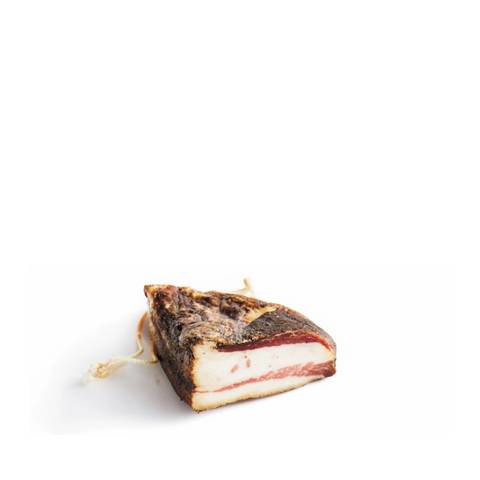
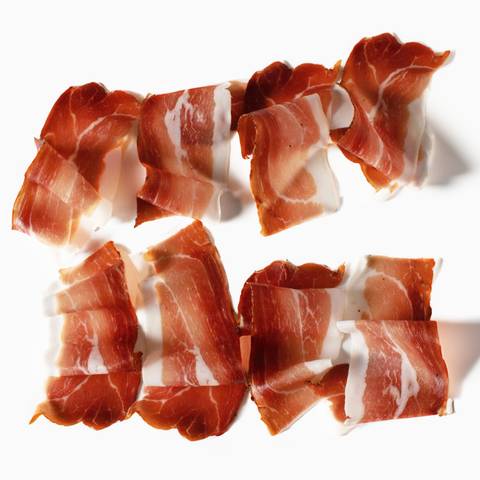
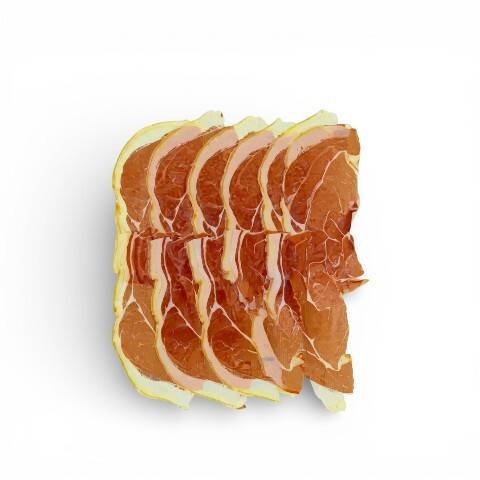
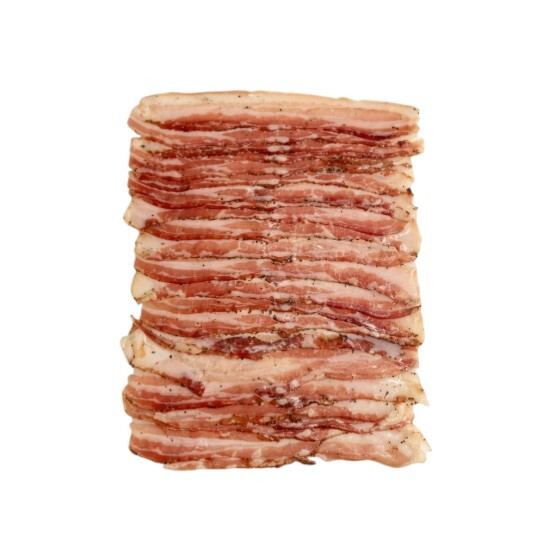
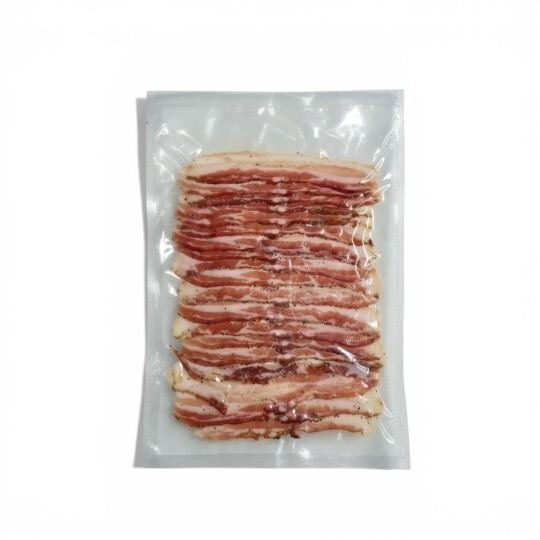
A beloved delicacy from southwestern France, Ventrèche is often described as the French cousin of pancetta. Made from cured pork belly and gently seasoned, it delivers rich, silky fat and deep savory flavor that transforms even the simplest dishes.
Temperature-Controlled Delivery
Satisfaction Guarantee
Same-Day Dispatch Before 4PM
Rustic French Charcuterie
A beloved delicacy from southwestern France, Ventrèche is often described as the French cousin of pancetta. Made from cured pork belly and gently seasoned, it delivers rich, silky fat and deep savory flavor that transforms even the simplest dishes.
From PHP 549.00
Delivery date confirmed at checkout
Approx 100g
Most popularPHP 549.00 each
Chilled — Packed with thermal insulation & ice gel
You’re PHP 3,000.00 away from free delivery in Metro Manila
Temperature-Controlled Delivery
Satisfaction Guarantee
Same-Day Dispatch Before 4PM
Ventrèche is one of those quietly luxurious ingredients that reveals its beauty in the pan. Cut from pork belly and traditionally cured with salt, pepper, and sometimes garlic, it carries the unmistakable richness of well-raised pork with a flavor that is both rustic and elegant.
When sliced thin and gently rendered, the fat melts slowly, releasing aromas reminiscent of roasted nuts, sweet pork, and warm countryside kitchens. Unlike heavily smoked bacon, ventrèche remains delicate and clean on the palate. The cure enhances the natural sweetness of the pork rather than overpowering it.
The texture is where ventrèche truly shines. The alternating layers of lean and fat crisp beautifully when cooked, producing edges that are golden and caramelized while the interior remains tender and silky. The rendered fat becomes a precious cooking medium, coating vegetables, pasta, or eggs with savory depth.
Compared with Italian pancetta, ventrèche often feels slightly more rustic and farmhouse-like in character. It brings warmth and soul to dishes, the kind of ingredient that makes a humble meal taste like it came from a small French bistro.
Ventrèche is wonderfully versatile and shines in both simple and refined preparations.
Classic Uses
Crisped over eggs – Pan-fry slices until golden and serve with soft scrambled eggs or a sunny-side egg.
Pasta enrichment – Dice and render the ventrèche before tossing with pasta, olive oil, and grated cheese.
Salads with warmth – Crisp pieces and scatter over frisée or bitter greens with a mustard vinaigrette.
French-Inspired Cooking
Add small cubes to lentils or white beans, allowing the fat to perfume the dish as it cooks.
Wrap around asparagus or green beans before roasting for a rustic French side dish.
Render thin slices and use the fat to sauté potatoes, mushrooms, or onions.
Because ventrèche is richly savory but not smoky, it pairs beautifully with ingredients that highlight its natural pork sweetness: eggs, potatoes, legumes, fresh herbs, and crusty bread.
In the countryside of southwestern France, ventrèche is less an indulgence and more a daily companion in the kitchen. Farmers historically cured pork belly as a way to preserve the animal after slaughter, creating a staple that could season meals throughout the year.
Unlike industrial bacon, ventrèche carries the imprint of rural traditions. It appears in humble village dishes—lentil stews simmered on cold evenings, potatoes sautéed in pork fat, or slices crisped beside morning eggs. It is charcuterie meant to be used, not merely admired.
In many French homes, a piece of ventrèche sits quietly in the refrigerator, ready to lend depth to whatever is cooking that day. Its presence transforms ordinary ingredients into something deeply comforting, reflecting a philosophy that great cooking often begins with just a few honest elements handled well.
Keep refrigerated at 0–4°C. Store tightly wrapped or in an airtight container. Once opened, consume within 5–7 days for best flavor. Suitable for freezing if longer storage is needed.
Ventrèche is one of those quietly luxurious ingredients that reveals its beauty in the pan. Cut from pork belly and traditionally cured with salt, pepper, and sometimes garlic, it carries the unmistakable richness of well-raised pork with a flavor that is both rustic and elegant.
When sliced thin and gently rendered, the fat melts slowly, releasing aromas reminiscent of roasted nuts, sweet pork, and warm countryside kitchens. Unlike heavily smoked bacon, ventrèche remains delicate and clean on the palate. The cure enhances the natural sweetness of the pork rather than overpowering it.
The texture is where ventrèche truly shines. The alternating layers of lean and fat crisp beautifully when cooked, producing edges that are golden and caramelized while the interior remains tender and silky. The rendered fat becomes a precious cooking medium, coating vegetables, pasta, or eggs with savory depth.
Compared with Italian pancetta, ventrèche often feels slightly more rustic and farmhouse-like in character. It brings warmth and soul to dishes, the kind of ingredient that makes a humble meal taste like it came from a small French bistro.
Ventrèche is wonderfully versatile and shines in both simple and refined preparations.
Classic Uses
Crisped over eggs – Pan-fry slices until golden and serve with soft scrambled eggs or a sunny-side egg.
Pasta enrichment – Dice and render the ventrèche before tossing with pasta, olive oil, and grated cheese.
Salads with warmth – Crisp pieces and scatter over frisée or bitter greens with a mustard vinaigrette.
French-Inspired Cooking
Add small cubes to lentils or white beans, allowing the fat to perfume the dish as it cooks.
Wrap around asparagus or green beans before roasting for a rustic French side dish.
Render thin slices and use the fat to sauté potatoes, mushrooms, or onions.
Because ventrèche is richly savory but not smoky, it pairs beautifully with ingredients that highlight its natural pork sweetness: eggs, potatoes, legumes, fresh herbs, and crusty bread.
In the countryside of southwestern France, ventrèche is less an indulgence and more a daily companion in the kitchen. Farmers historically cured pork belly as a way to preserve the animal after slaughter, creating a staple that could season meals throughout the year.
Unlike industrial bacon, ventrèche carries the imprint of rural traditions. It appears in humble village dishes—lentil stews simmered on cold evenings, potatoes sautéed in pork fat, or slices crisped beside morning eggs. It is charcuterie meant to be used, not merely admired.
In many French homes, a piece of ventrèche sits quietly in the refrigerator, ready to lend depth to whatever is cooking that day. Its presence transforms ordinary ingredients into something deeply comforting, reflecting a philosophy that great cooking often begins with just a few honest elements handled well.
Keep refrigerated at 0–4°C. Store tightly wrapped or in an airtight container. Once opened, consume within 5–7 days for best flavor. Suitable for freezing if longer storage is needed.
Curated Selection