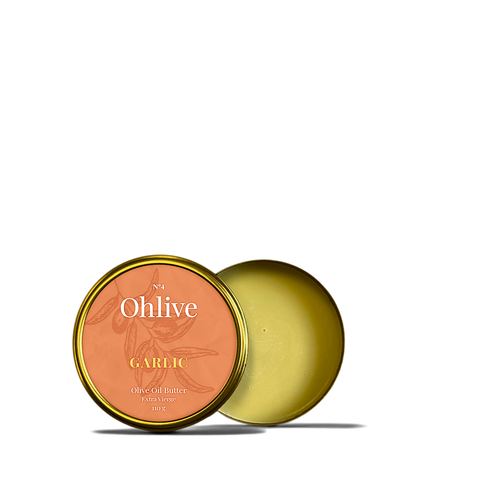
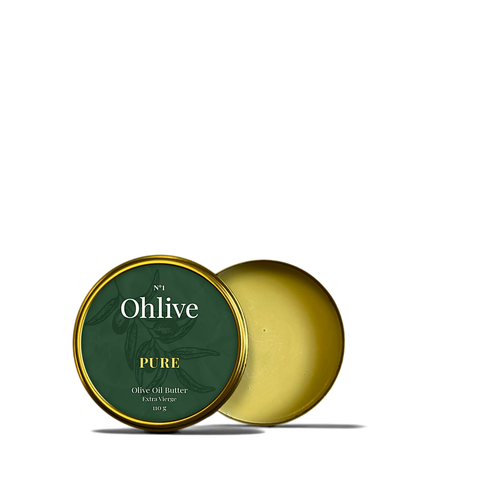
Ohlive Olive Oil Butter - Pure N1
Olive Groves, Softly Spread
PHP 1,290.00


PHP 1,240.00
Delivery date confirmed at checkout
250ml bottle
Most popularPHP 1,240.00 each
You’re PHP 3,000.00 away from free delivery in Metro Manila
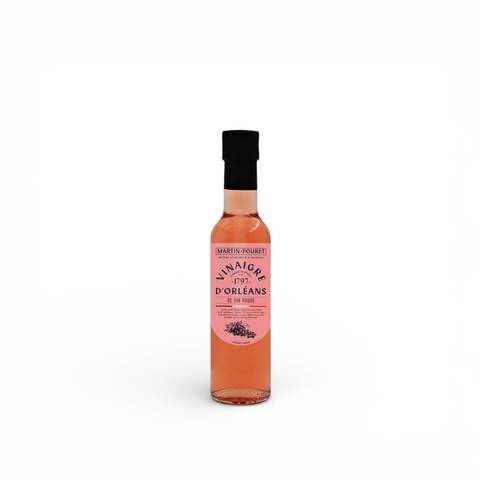
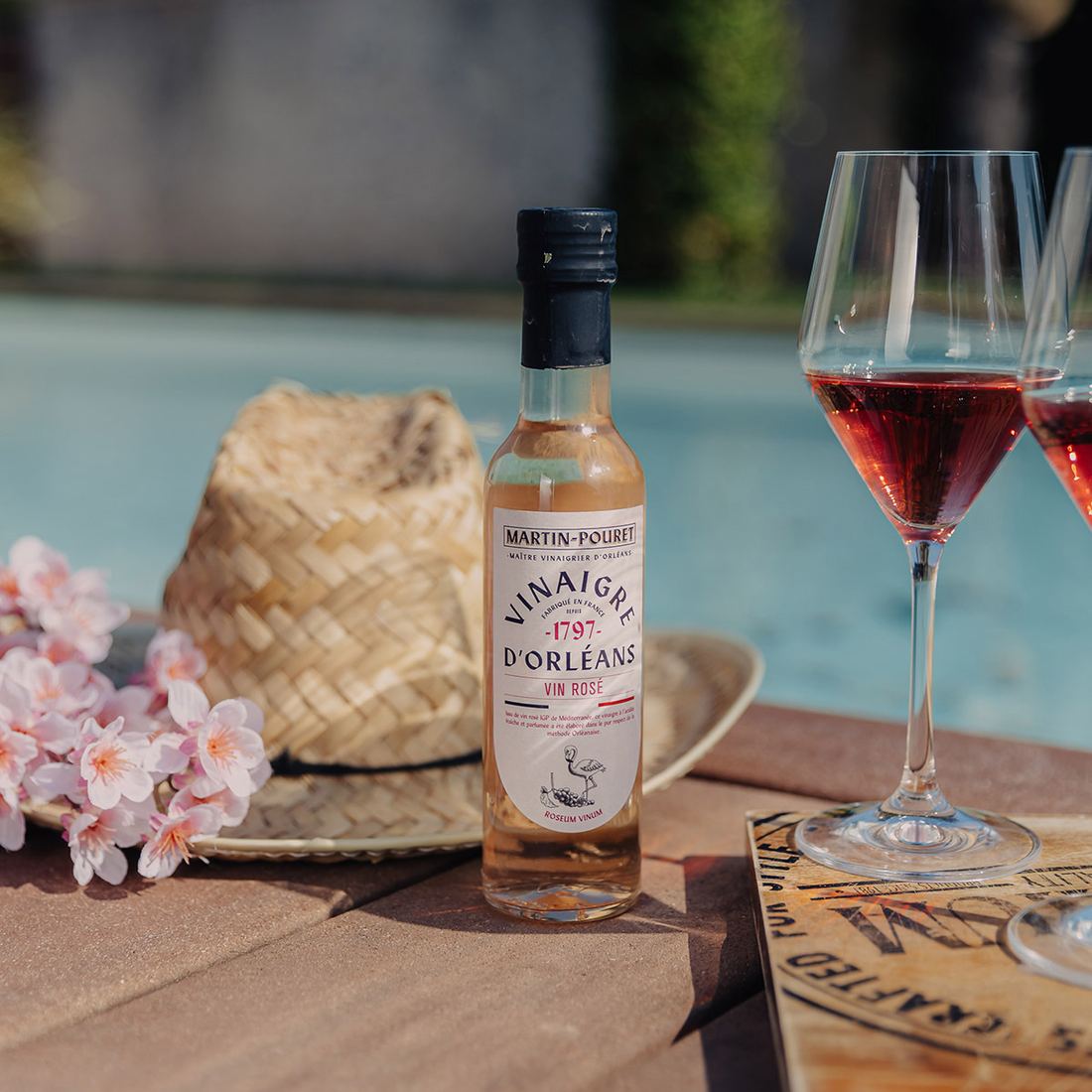
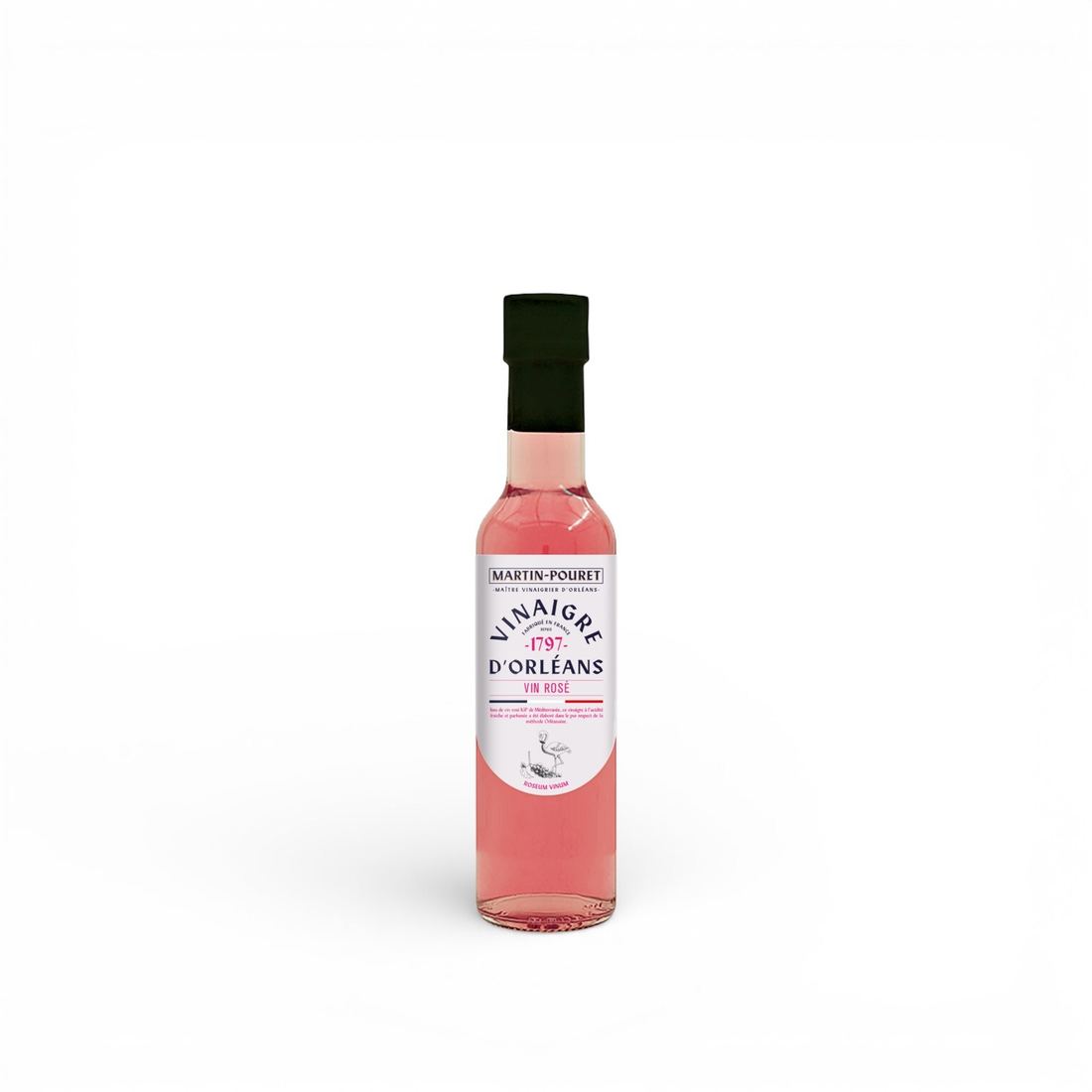
Made using rosé wine and aged following the traditional Orléans method, this vinegar from Le Martin-Pouret offers a lighter, more aromatic expression of acidity—precise, elegant, and quietly expressive.
Temperature-Controlled Delivery
Satisfaction Guarantee
Same-Day Dispatch Before 4PM
Made using rosé wine and aged following the traditional Orléans method, this vinegar from Le Martin-Pouret offers a lighter, more aromatic expression of acidity—precise, elegant, and quietly expressive.
PHP 1,240.00
Delivery date confirmed at checkout
250ml bottle
Most popularPHP 1,240.00 each
You’re PHP 3,000.00 away from free delivery in Metro Manila
Temperature-Controlled Delivery
Satisfaction Guarantee
Same-Day Dispatch Before 4PM
This rosé wine vinegar opens with a soft, floral brightness that immediately sets it apart from more assertive red or white wine vinegars. The aroma carries subtle notes of fresh berries, grape skin, and a gentle wine-like sweetness—never sugary, just rounded. On the palate, the acidity is refined and restrained, arriving cleanly and dissipating quickly, leaving behind a faint fruit echo rather than sharpness. The Orléans aging process lends a smooth texture and balance, allowing the rosé base to retain its character while gaining depth and stability. There’s a lightness here that feels intentional, making this vinegar particularly suited to dishes where you want lift without intrusion. It seasons without dominating, enhances without rewriting the dish. Think clarity, not punch—an acid that behaves more like a brushstroke than a marker.
This vinegar is at its best in preparations that value freshness and nuance.
Use it for delicate vinaigrettes, especially with lighter olive oils or neutral oils.
Finish summer salads, tomato dishes, or stone fruit with burrata or fresh cheese.
Brighten seafood carpaccio or ceviche-style preparations, where harsh acidity would overpower.
Add a small splash to sautéed vegetables just before serving for lift and contrast.
Ideal for pickling shallots or strawberries, where its gentle acidity preserves flavor rather than masking it.
Martin-Pouret is not simply a producer of vinegar—it is one of the last guardians of the Orléans vinegar tradition, a method that once made the city synonymous with fine vinegar across France. Since 1632, the house has supplied chefs, households, and even the French court, earning formal recognition as a Entreprise du Patrimoine Vivant—a Living Heritage Company—by the French government. Their vinegars are fermented and aged slowly in oak barrels, relying on time, air, and skilled oversight rather than industrial acceleration. This commitment results in vinegars that are layered, stable, and deeply culinary—designed to integrate seamlessly into cooking rather than sit aggressively on the palate. Each style, whether red, white, or rosé, is treated as its own expression, not a variation on a single formula.
Store in a cool, dark place away from direct light. No refrigeration required. Close tightly after each use.
This rosé wine vinegar opens with a soft, floral brightness that immediately sets it apart from more assertive red or white wine vinegars. The aroma carries subtle notes of fresh berries, grape skin, and a gentle wine-like sweetness—never sugary, just rounded. On the palate, the acidity is refined and restrained, arriving cleanly and dissipating quickly, leaving behind a faint fruit echo rather than sharpness. The Orléans aging process lends a smooth texture and balance, allowing the rosé base to retain its character while gaining depth and stability. There’s a lightness here that feels intentional, making this vinegar particularly suited to dishes where you want lift without intrusion. It seasons without dominating, enhances without rewriting the dish. Think clarity, not punch—an acid that behaves more like a brushstroke than a marker.
This vinegar is at its best in preparations that value freshness and nuance.
Use it for delicate vinaigrettes, especially with lighter olive oils or neutral oils.
Finish summer salads, tomato dishes, or stone fruit with burrata or fresh cheese.
Brighten seafood carpaccio or ceviche-style preparations, where harsh acidity would overpower.
Add a small splash to sautéed vegetables just before serving for lift and contrast.
Ideal for pickling shallots or strawberries, where its gentle acidity preserves flavor rather than masking it.
Martin-Pouret is not simply a producer of vinegar—it is one of the last guardians of the Orléans vinegar tradition, a method that once made the city synonymous with fine vinegar across France. Since 1632, the house has supplied chefs, households, and even the French court, earning formal recognition as a Entreprise du Patrimoine Vivant—a Living Heritage Company—by the French government. Their vinegars are fermented and aged slowly in oak barrels, relying on time, air, and skilled oversight rather than industrial acceleration. This commitment results in vinegars that are layered, stable, and deeply culinary—designed to integrate seamlessly into cooking rather than sit aggressively on the palate. Each style, whether red, white, or rosé, is treated as its own expression, not a variation on a single formula.
Store in a cool, dark place away from direct light. No refrigeration required. Close tightly after each use.
Curated Selection