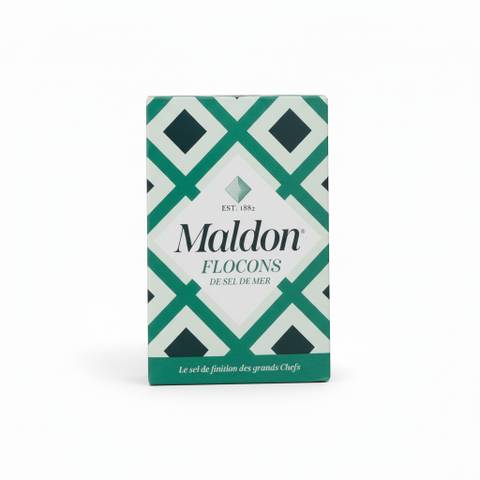
Maldon Sea Salt Flakes
Quality Flakes With A Zing
PHP 1,599.00


PHP 1,680.00
Delivery date confirmed at checkout
250ml bottle
Most popularPHP 1,680.00 each
You’re PHP 3,000.00 away from free delivery in Metro Manila
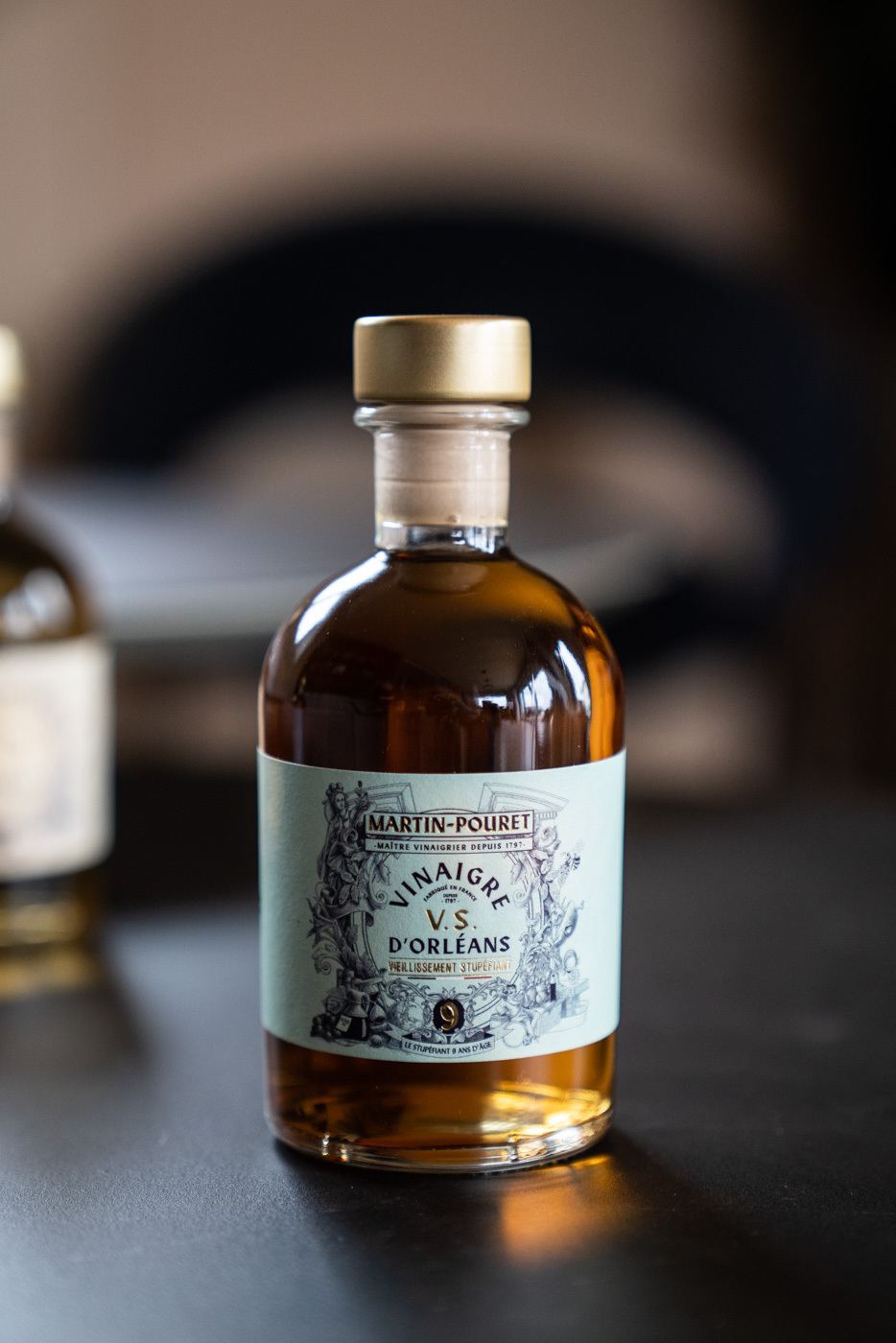
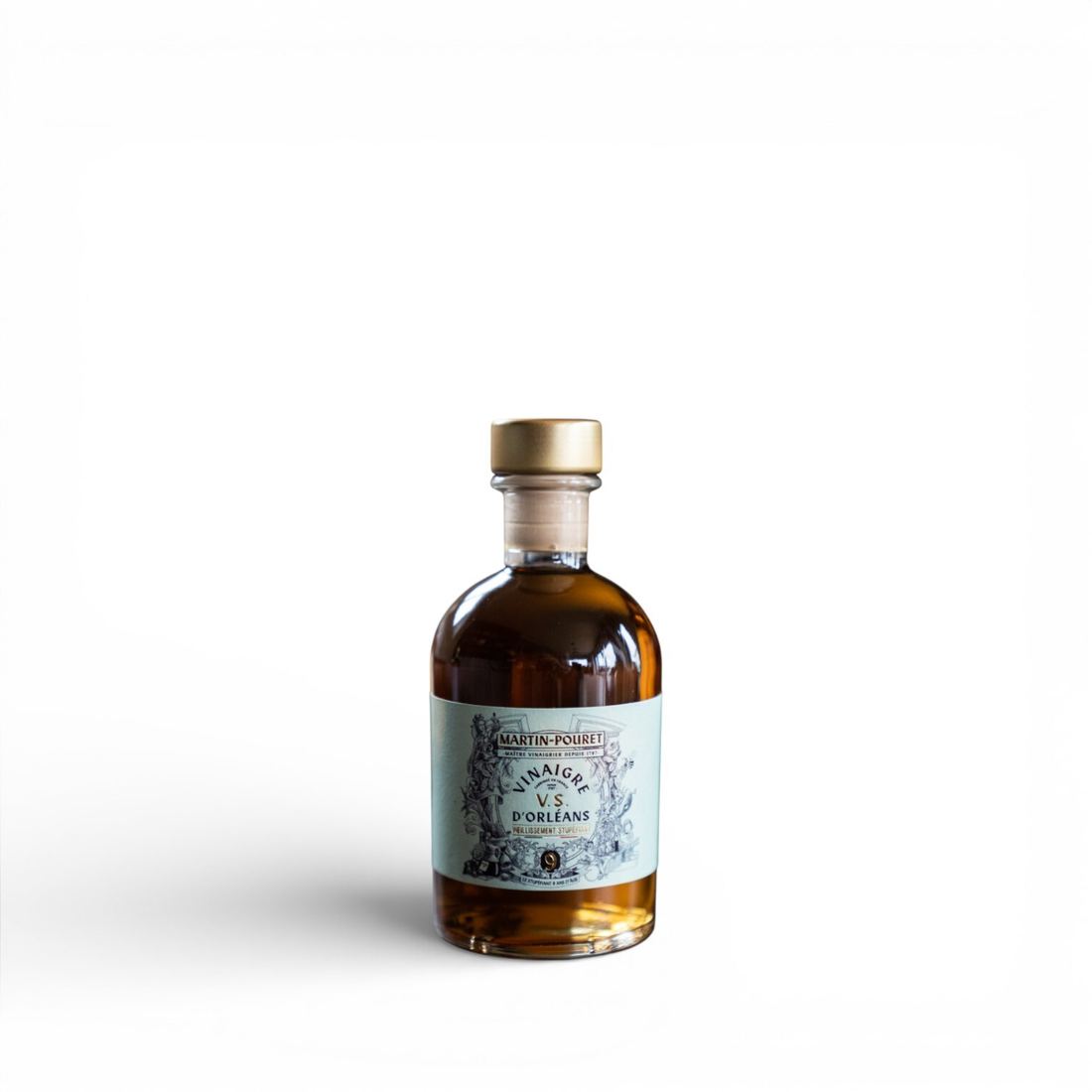
Aged for nine years in oak barrels using the traditional Orléans method, this is one of the most profound expressions from Le Martin-Pouret—complex, contemplative, and crafted for the most intentional use.
Temperature-Controlled Delivery
Satisfaction Guarantee
Same-Day Dispatch Before 4PM
Aged for nine years in oak barrels using the traditional Orléans method, this is one of the most profound expressions from Le Martin-Pouret—complex, contemplative, and crafted for the most intentional use.
PHP 1,680.00
Delivery date confirmed at checkout
250ml bottle
Most popularPHP 1,680.00 each
You’re PHP 3,000.00 away from free delivery in Metro Manila
Temperature-Controlled Delivery
Satisfaction Guarantee
Same-Day Dispatch Before 4PM
This vinegar opens with deep aromatic maturity. The nose is layered with notes of aged wine, polished wood, gentle oxidation, and a quiet savory warmth that immediately distinguishes it from younger vinegars. On the palate, acidity is fully integrated—broad, calm, and almost seamless. There is no sharp attack; instead, the flavor unfolds slowly, revealing depth rather than brightness. Subtle nuttiness, faint leathered wine notes, and a restrained tang linger with remarkable length. The texture is smooth and rounded, the result of nearly a decade spent interacting with oak and air. This is vinegar at its most evolved, where acidity becomes structure rather than sensation. Used sparingly, it brings gravity and clarity to dishes, adding dimension without ever announcing itself loudly.
This vinegar is best treated with the same respect as a long-aged wine.
Finish jus, demi-glace, or deeply reduced sauces, where acidity must be absorbed rather than noticed.
Deglaze pans for game, duck, or slow-roasted beef, lifting richness without disruption.
Add depth to lentils, mushrooms, or braised root vegetables, enhancing umami and length.
Use sparingly in warm vinaigrettes for bitter greens or roasted vegetables.
Ideal for chefs and seasoned home cooks who understand restraint as technique.
Nine years of aging is exceptionally rare in vinegar making. In the Orléans method, time allows acidity to mellow, oxidize, and deepen naturally in oak barrels, guided by skill rather than speed. Martin-Pouret remains one of the last houses willing to commit to such extended aging, preserving a craft that once defined French gastronomy. This bottle represents the culmination of that philosophy: patience rewarded with balance, depth, and quiet authority. It is not an everyday vinegar—it is a statement of mastery.
Store in a cool, dark place away from direct sunlight. No refrigeration required. Reseal tightly after use.
This vinegar opens with deep aromatic maturity. The nose is layered with notes of aged wine, polished wood, gentle oxidation, and a quiet savory warmth that immediately distinguishes it from younger vinegars. On the palate, acidity is fully integrated—broad, calm, and almost seamless. There is no sharp attack; instead, the flavor unfolds slowly, revealing depth rather than brightness. Subtle nuttiness, faint leathered wine notes, and a restrained tang linger with remarkable length. The texture is smooth and rounded, the result of nearly a decade spent interacting with oak and air. This is vinegar at its most evolved, where acidity becomes structure rather than sensation. Used sparingly, it brings gravity and clarity to dishes, adding dimension without ever announcing itself loudly.
This vinegar is best treated with the same respect as a long-aged wine.
Finish jus, demi-glace, or deeply reduced sauces, where acidity must be absorbed rather than noticed.
Deglaze pans for game, duck, or slow-roasted beef, lifting richness without disruption.
Add depth to lentils, mushrooms, or braised root vegetables, enhancing umami and length.
Use sparingly in warm vinaigrettes for bitter greens or roasted vegetables.
Ideal for chefs and seasoned home cooks who understand restraint as technique.
Nine years of aging is exceptionally rare in vinegar making. In the Orléans method, time allows acidity to mellow, oxidize, and deepen naturally in oak barrels, guided by skill rather than speed. Martin-Pouret remains one of the last houses willing to commit to such extended aging, preserving a craft that once defined French gastronomy. This bottle represents the culmination of that philosophy: patience rewarded with balance, depth, and quiet authority. It is not an everyday vinegar—it is a statement of mastery.
Store in a cool, dark place away from direct sunlight. No refrigeration required. Reseal tightly after use.
Curated Selection