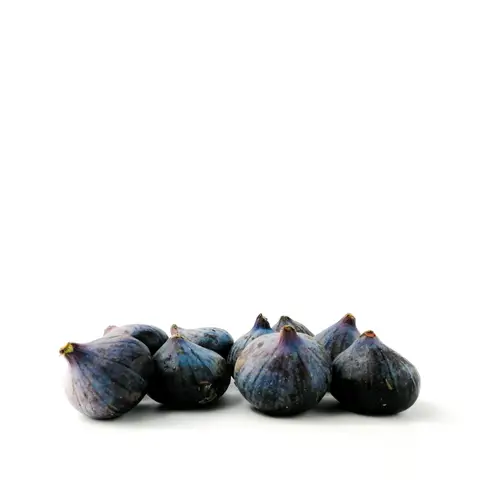
Fresh Solliès-Pont Figs from France
Provence’s Violet Treasure
PHP 980.00


The Humble Root, Elevated
Temporarily out of stock
Get an email when it’s available again.
Try these instead
Similar finds, available now.
Knobbly and misunderstood, French celeriac is a cook’s secret weapon: aromatic, dense, quietly luxurious. Beneath its rough skin lies pale flesh with deep vegetal sweetness, made for slow cooking, fine slicing, and patient attention.
The Humble Root, Elevated
Knobbly and misunderstood, French celeriac is a cook’s secret weapon: aromatic, dense, quietly luxurious. Beneath its rough skin lies pale flesh with deep vegetal sweetness, made for slow cooking, fine slicing, and patient attention.
Temporarily out of stock
Get an email when it’s available again.
Try these instead
Similar finds, available now.
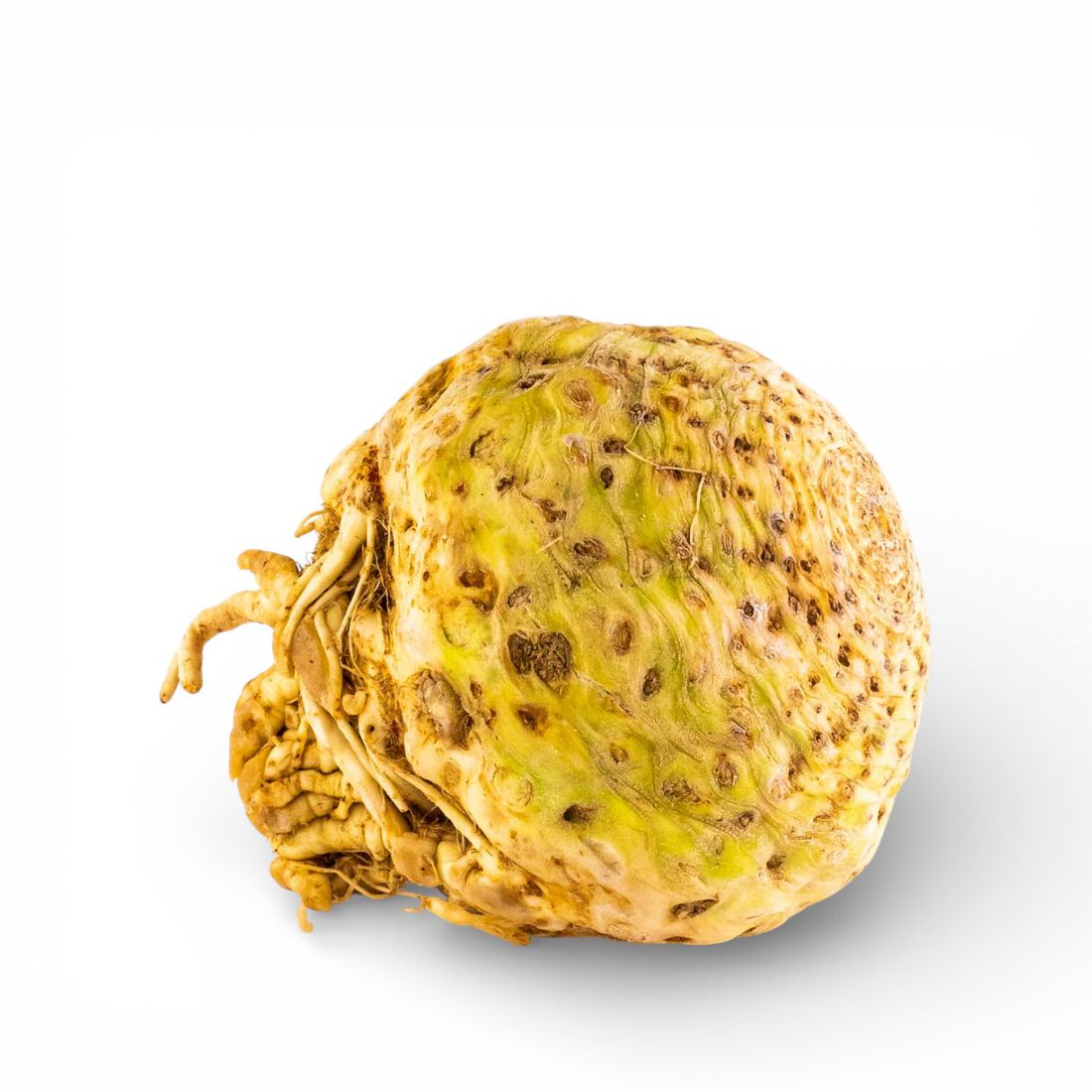
Celeriac is not a pretty vegetable. It arrives looking like something dredged from the seabed—scarred, earth-caked, fissured, unapologetic. And yet, few ingredients reward care as generously. Once peeled, the flesh reveals itself as ivory and tight-grained, releasing an aroma that is unmistakable: celery leaf, wet earth after rain, white pepper, a faint nuttiness that suggests hazelnut skin. This is not the green shout of celery stalks but their bass note—rounder, deeper, and more contemplative.
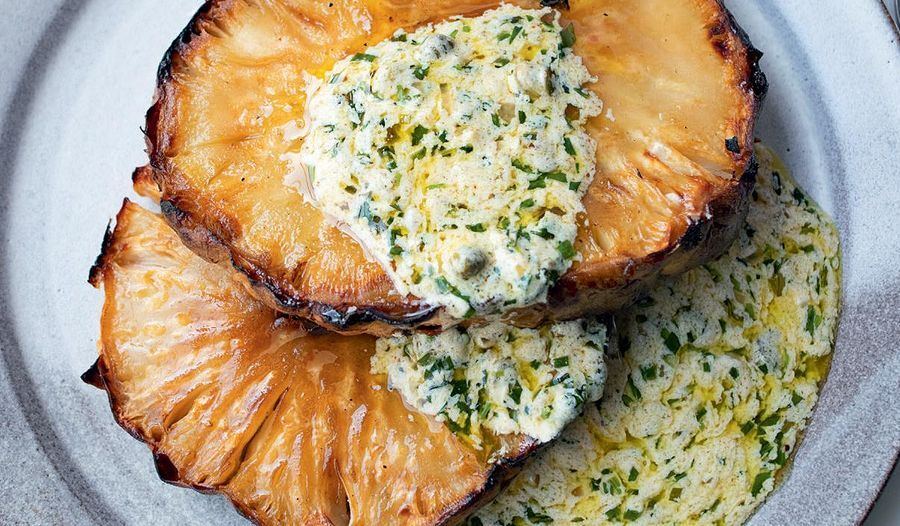
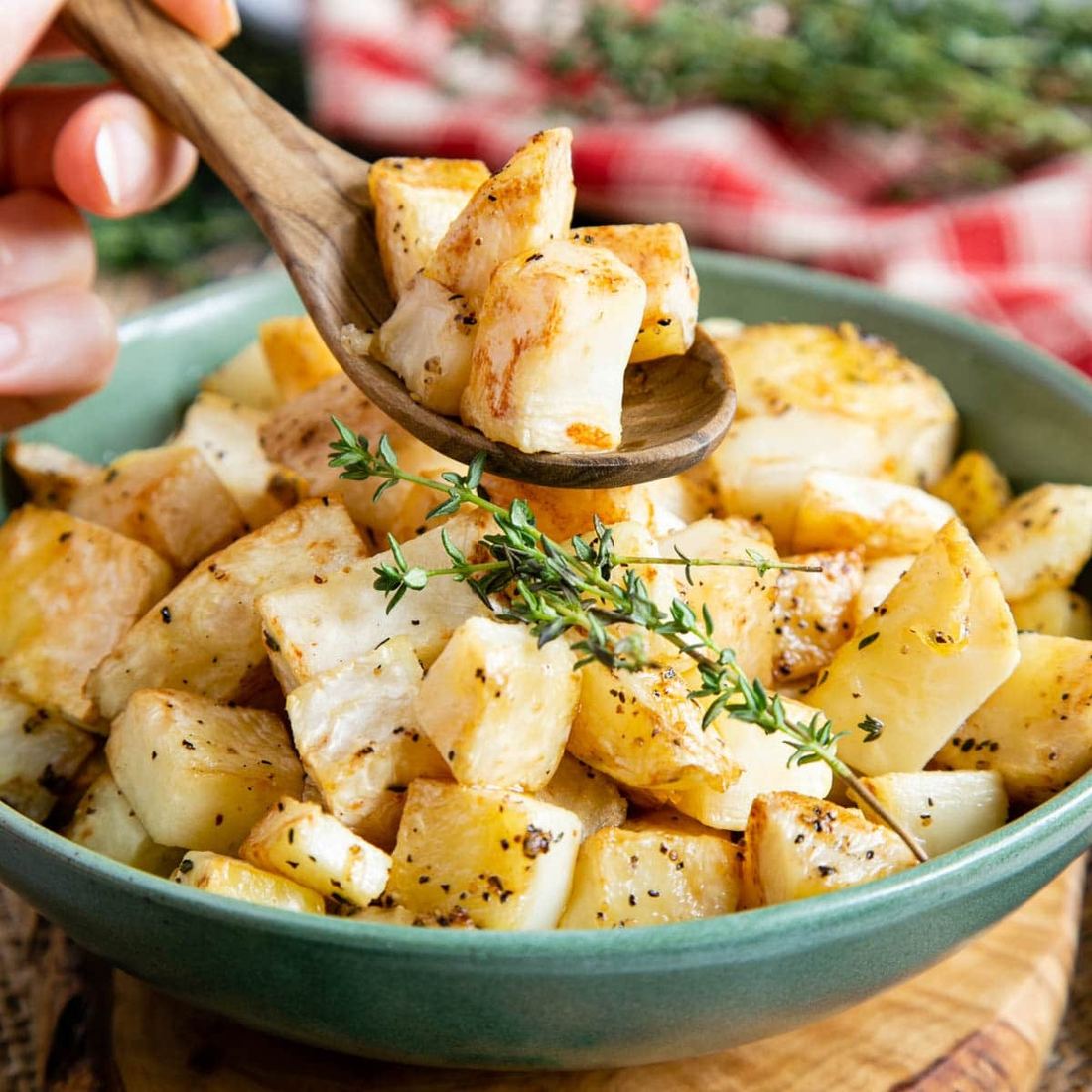
French celeriac is prized for its balance. Grown slowly in temperate soils, it develops density rather than sponginess, a texture that holds under heat and resists collapse. Raw, it offers a clean snap, juicy but not watery, with a restrained bitterness that sharpens the palate. Cooked, it transforms. In purée, it becomes satin—thick, comforting, almost dairy-like even before butter or cream enter the conversation. Roasted, it caramelizes at the edges, the sugars concentrating into flavors reminiscent of roasted chestnuts and parsnip, with that persistent celery perfume lingering on the finish.
There is craftsmanship even in this simplicity. The way celeriac grows—half-buried, half-exposed—forces the plant to protect itself, building flavor as armor. French growers value uniform maturity and careful harvesting, lifting the roots without bruising, allowing the skins to remain intact so the flesh within stays pristine. This is a vegetable that teaches patience. Rush it, and it tastes flat. Respect it, and it becomes one of the most eloquent roots in the kitchen, capable of carrying a dish on its own or disappearing modestly into a larger composition, lending depth without demanding attention.
Celeriac is a collaborator by nature. It listens as well as it speaks, making it indispensable across cuisines and techniques.
This is an ingredient that rewards restraint. Let it speak, and it will.
Celeriac has long lived a double life in France. In rural kitchens, it was sustenance—reliable, affordable, filling. It stored well through winter, when green vegetables were scarce, and it flavored soups, stews, and broths without ceremony. In Paris, however, it found refinement. The dish céleri rémoulade appeared in cafés and brasseries in the late nineteenth century, a humble root elevated through knife work and balance. Julienne mattered. So did the mustard. So did the quiet acidity that made it refreshing rather than heavy.
What is remarkable is how little the ingredient itself has changed. Unlike many modern vegetables bred for sweetness or yield, celeriac remains stubbornly itself. French culinary tradition never tried to tame it completely; instead, it learned to listen. Escoffier listed it. Bistro cooks respected it. Home kitchens passed down techniques for preventing oxidation, for coaxing tenderness without mush. In a cuisine famous for complexity, celeriac stands as a lesson in restraint: proof that depth does not require embellishment, only understanding. Today, as chefs return to roots—literally and philosophically—celeriac’s quiet confidence feels newly relevant.
Store unwashed celeriac in the refrigerator, ideally in the vegetable drawer. Keep it loosely wrapped or in a perforated bag to prevent dehydration. Whole roots keep well for up to two weeks. Once peeled or cut, submerge in cold water with a little lemon juice and refrigerate; use within 24–48 hours. Cooked celeriac should be stored airtight and consumed within three days.
Celeriac is not a pretty vegetable. It arrives looking like something dredged from the seabed—scarred, earth-caked, fissured, unapologetic. And yet, few ingredients reward care as generously. Once peeled, the flesh reveals itself as ivory and tight-grained, releasing an aroma that is unmistakable: celery leaf, wet earth after rain, white pepper, a faint nuttiness that suggests hazelnut skin. This is not the green shout of celery stalks but their bass note—rounder, deeper, and more contemplative.
French celeriac is prized for its balance. Grown slowly in temperate soils, it develops density rather than sponginess, a texture that holds under heat and resists collapse. Raw, it offers a clean snap, juicy but not watery, with a restrained bitterness that sharpens the palate. Cooked, it transforms. In purée, it becomes satin—thick, comforting, almost dairy-like even before butter or cream enter the conversation. Roasted, it caramelizes at the edges, the sugars concentrating into flavors reminiscent of roasted chestnuts and parsnip, with that persistent celery perfume lingering on the finish.
There is craftsmanship even in this simplicity. The way celeriac grows—half-buried, half-exposed—forces the plant to protect itself, building flavor as armor. French growers value uniform maturity and careful harvesting, lifting the roots without bruising, allowing the skins to remain intact so the flesh within stays pristine. This is a vegetable that teaches patience. Rush it, and it tastes flat. Respect it, and it becomes one of the most eloquent roots in the kitchen, capable of carrying a dish on its own or disappearing modestly into a larger composition, lending depth without demanding attention.
Celeriac is a collaborator by nature. It listens as well as it speaks, making it indispensable across cuisines and techniques.
This is an ingredient that rewards restraint. Let it speak, and it will.
Celeriac has long lived a double life in France. In rural kitchens, it was sustenance—reliable, affordable, filling. It stored well through winter, when green vegetables were scarce, and it flavored soups, stews, and broths without ceremony. In Paris, however, it found refinement. The dish céleri rémoulade appeared in cafés and brasseries in the late nineteenth century, a humble root elevated through knife work and balance. Julienne mattered. So did the mustard. So did the quiet acidity that made it refreshing rather than heavy.
What is remarkable is how little the ingredient itself has changed. Unlike many modern vegetables bred for sweetness or yield, celeriac remains stubbornly itself. French culinary tradition never tried to tame it completely; instead, it learned to listen. Escoffier listed it. Bistro cooks respected it. Home kitchens passed down techniques for preventing oxidation, for coaxing tenderness without mush. In a cuisine famous for complexity, celeriac stands as a lesson in restraint: proof that depth does not require embellishment, only understanding. Today, as chefs return to roots—literally and philosophically—celeriac’s quiet confidence feels newly relevant.
Store unwashed celeriac in the refrigerator, ideally in the vegetable drawer. Keep it loosely wrapped or in a perforated bag to prevent dehydration. Whole roots keep well for up to two weeks. Once peeled or cut, submerge in cold water with a little lemon juice and refrigerate; use within 24–48 hours. Cooked celeriac should be stored airtight and consumed within three days.
Curated Selection