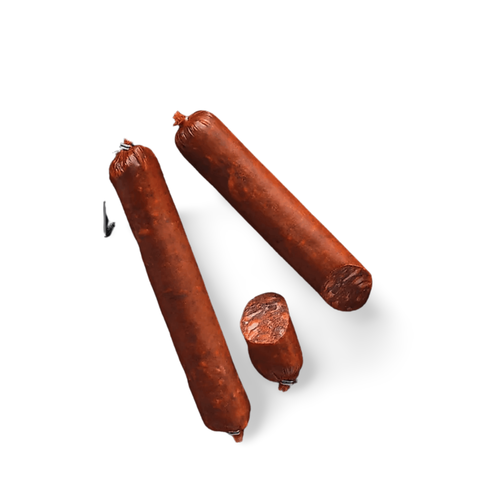
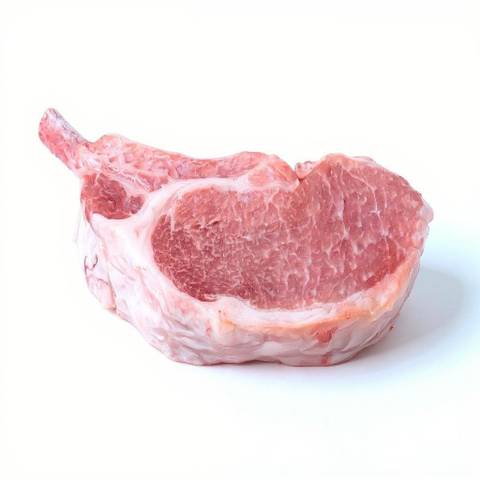
Ibérico Pork Chops
Lusciously marbled, deeply savory
PHP 1,899.00

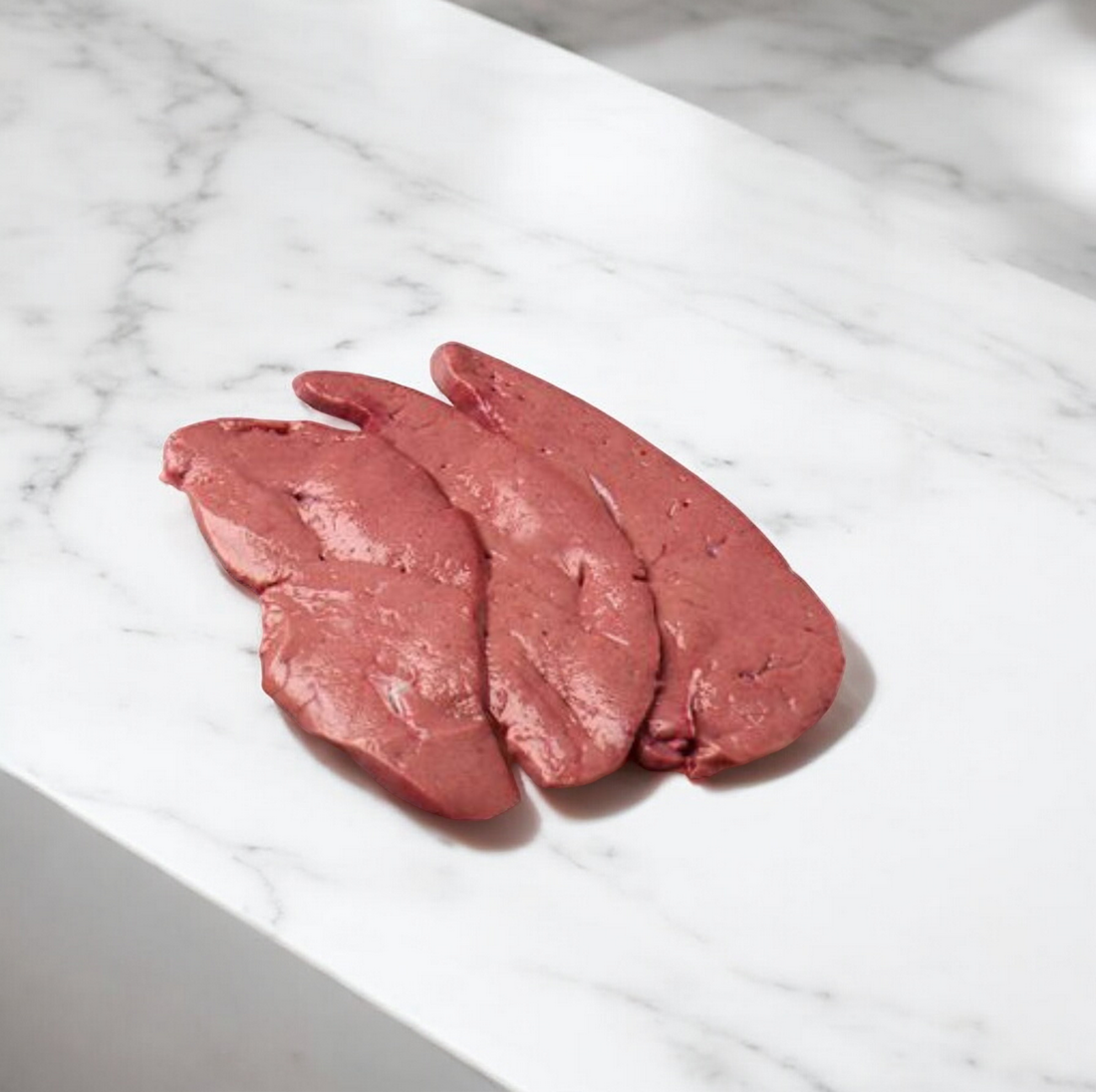

Exceptional Liver Selected
Temporarily out of stock
The curators are restocking this item — sign up and we'll text you when it's back.
One SMS when it's restocked — no marketing.
Indulge in the exquisite French Calf Liver, handpicked for unparalleled quality. Experience its tender texture and rich flavor. Perfect for gourmet meals.
Exceptional Liver Selected
Indulge in the exquisite French Calf Liver, handpicked for unparalleled quality. Experience its tender texture and rich flavor. Perfect for gourmet meals.
Temporarily out of stock
The curators are restocking this item — sign up and we'll text you when it's back.
One SMS when it's restocked — no marketing.
French calf liver is noticeably more refined than mature beef liver. Its flavor remains distinctly mineral and deeply savory, yet it carries a subtle natural sweetness and far less of the assertive bitterness commonly associated with offal. The texture is particularly prized: fine-grained, velvety, and almost buttery when cooked with care.
The secret is speed. Calf liver responds beautifully to a hot pan and a brief cooking time, allowing the exterior to develop a lightly caramelized crust while the center remains tender and succulent. Overcooking can quickly make it firm and dry, so this is a cut best approached with confidence rather than caution.
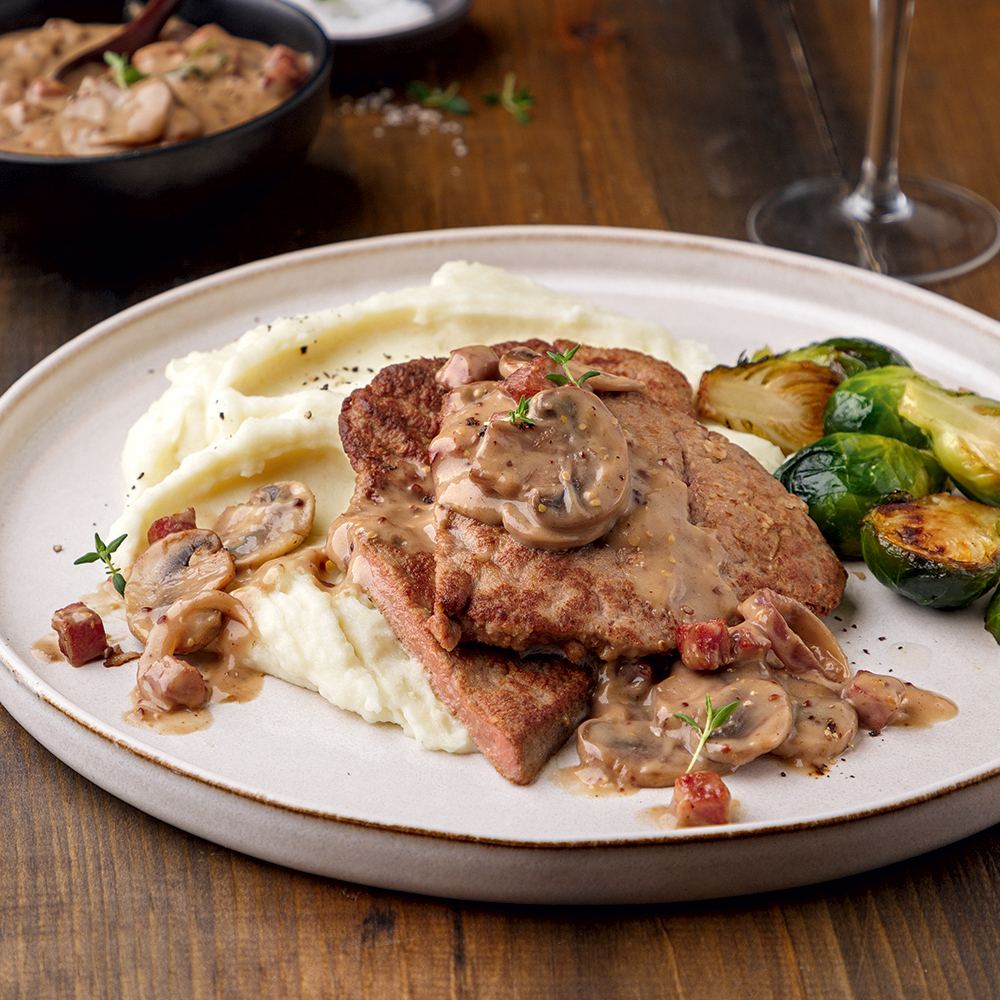
A little butter lends richness, while onions bring sweetness and acidity supplies balance. Served with mashed potatoes, crisp fries, or a simply dressed salad, it becomes the kind of uncomplicated yet deeply satisfying food that defines classic French bistro cooking. Calf liver is traditionally valued in France precisely for this delicacy: milder, softer, and more nuanced than liver from an older animal.
For a traditional preparation, make foie de veau à la Lyonnaise, calf liver served with slowly cooked onions and a bright finishing splash of vinegar.
Serve immediately with creamy mashed potatoes, pommes sautées, French beans, or bitter leaves dressed in mustard vinaigrette. Caramelized apples also make a lovely accompaniment, their sweetness tempering the liver’s mineral richness. The combination of quick-seared liver, onions, and vinegar is a recognized French preparation associated with Lyonnaise-style cooking.
French cuisine has long understood that luxury is not always found in the most expensive ingredient. Sometimes it lies in knowing how to handle a modest one exceptionally well.
Calf liver belongs to the traditional repertoire of the French bistro, where careful sourcing and sound technique turn an economical cut into something deeply elegant. It rewards restraint: a hot pan, good butter, sweet onions, perhaps a sharp spoonful of mustard or vinegar, and little else.
Unlike heavier preparations that disguise offal beneath elaborate sauces, the French approach often allows the liver itself to remain the focus. Its creamy texture and subtle sweetness become most apparent when the cooking is brief and the accompaniments provide contrast rather than competition. It is food with old-world confidence—unfussy, nourishing, and quietly sophisticated.
Store the French Calf Liver in the refrigerator at 0-4°C. It is best consumed within 2-3 days of purchase for optimal freshness. If freezing, wrap tightly in plastic wrap and place in an airtight container to prevent freezer burn. Use within three months for best quality.
French calf liver is noticeably more refined than mature beef liver. Its flavor remains distinctly mineral and deeply savory, yet it carries a subtle natural sweetness and far less of the assertive bitterness commonly associated with offal. The texture is particularly prized: fine-grained, velvety, and almost buttery when cooked with care.
The secret is speed. Calf liver responds beautifully to a hot pan and a brief cooking time, allowing the exterior to develop a lightly caramelized crust while the center remains tender and succulent. Overcooking can quickly make it firm and dry, so this is a cut best approached with confidence rather than caution.
A little butter lends richness, while onions bring sweetness and acidity supplies balance. Served with mashed potatoes, crisp fries, or a simply dressed salad, it becomes the kind of uncomplicated yet deeply satisfying food that defines classic French bistro cooking. Calf liver is traditionally valued in France precisely for this delicacy: milder, softer, and more nuanced than liver from an older animal.
For a traditional preparation, make foie de veau à la Lyonnaise, calf liver served with slowly cooked onions and a bright finishing splash of vinegar.
Serve immediately with creamy mashed potatoes, pommes sautées, French beans, or bitter leaves dressed in mustard vinaigrette. Caramelized apples also make a lovely accompaniment, their sweetness tempering the liver’s mineral richness. The combination of quick-seared liver, onions, and vinegar is a recognized French preparation associated with Lyonnaise-style cooking.
French cuisine has long understood that luxury is not always found in the most expensive ingredient. Sometimes it lies in knowing how to handle a modest one exceptionally well.
Calf liver belongs to the traditional repertoire of the French bistro, where careful sourcing and sound technique turn an economical cut into something deeply elegant. It rewards restraint: a hot pan, good butter, sweet onions, perhaps a sharp spoonful of mustard or vinegar, and little else.
Unlike heavier preparations that disguise offal beneath elaborate sauces, the French approach often allows the liver itself to remain the focus. Its creamy texture and subtle sweetness become most apparent when the cooking is brief and the accompaniments provide contrast rather than competition. It is food with old-world confidence—unfussy, nourishing, and quietly sophisticated.
Store the French Calf Liver in the refrigerator at 0-4°C. It is best consumed within 2-3 days of purchase for optimal freshness. If freezing, wrap tightly in plastic wrap and place in an airtight container to prevent freezer burn. Use within three months for best quality.
Curated Selection