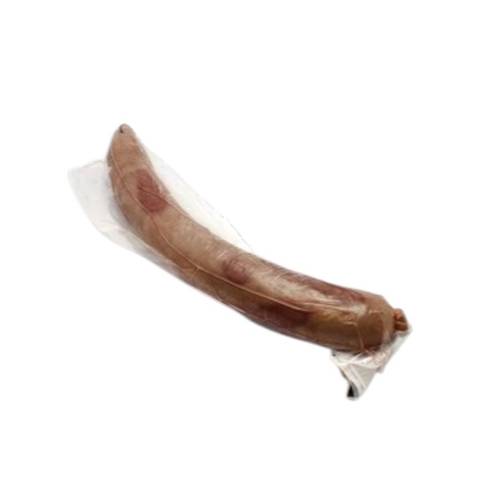
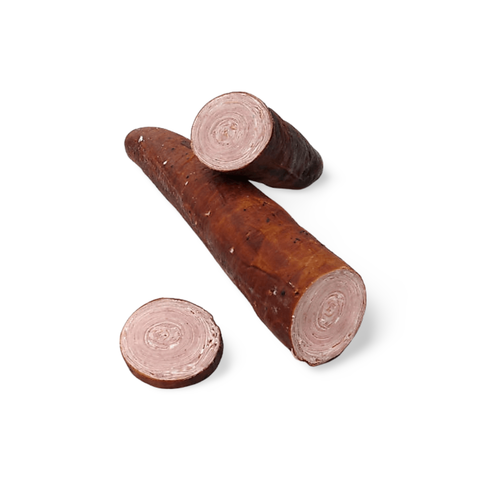
Authentic Guéménée Andouille from Brittany
A delicacy for connoisseurs
PHP 12,690.00

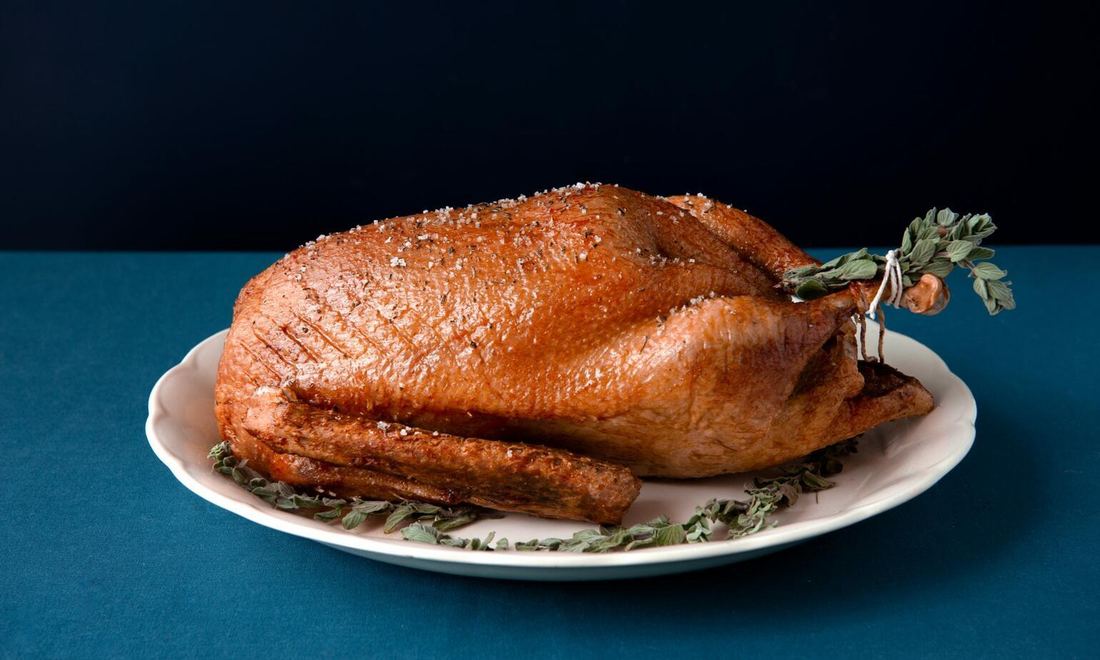
A Festive Centerpiece for Grand Gatherings
From PHP 21,990.00
Delivery date confirmed at checkout
4.708kg, whole goose, frozen
PHP 21,990.00 each
Chilled — Packed with thermal insulation & ice gel
You’re PHP 3,000.00 away from free delivery in Metro Manila
A whole roasting goose brings unmistakable grandeur to the table—deeply flavorful, richly aromatic, and beloved in European winter feasts. Its luxurious meat and crisp, bronzed skin make it the star of any holiday spread, especially for families craving something more indulgent than the usual roast.
Temperature-Controlled Delivery
Satisfaction Guarantee
Same-Day Dispatch Before 4PM
A Festive Centerpiece for Grand Gatherings
A whole roasting goose brings unmistakable grandeur to the table—deeply flavorful, richly aromatic, and beloved in European winter feasts. Its luxurious meat and crisp, bronzed skin make it the star of any holiday spread, especially for families craving something more indulgent than the usual roast.
From PHP 21,990.00
Delivery date confirmed at checkout
4.708kg, whole goose, frozen
PHP 21,990.00 each
Chilled — Packed with thermal insulation & ice gel
You’re PHP 3,000.00 away from free delivery in Metro Manila
Temperature-Controlled Delivery
Satisfaction Guarantee
Same-Day Dispatch Before 4PM
A whole goose is an experience—decadent, layered, and quietly lavish. Its meat sits between duck and turkey in richness: darker, silkier, and far more succulent than poultry, with a buttery depth that intensifies as it roasts.
As the bird cooks, the skin transforms into a bronzed, glassy crackle, releasing waves of warm, comforting aromas from its abundant natural fat. That fat is culinary treasure—slowly melting to self-baste the goose while giving you a generous supply of golden goose fat prized in European kitchens. Expect a deep, elegant flavor with mellow gaminess, subtle sweetness, and a velvety finish that pairs beautifully with winter herbs.
Stuff it with citrus, garlic, and aromatic greens, and watch as the goose turns these simple additions into a feast worthy of family gatherings, holiday celebrations, and old-world traditions.
A chilled goose needs only gentle preparation and patience in the oven to become the showpiece of any table. The secret lies in slow rendering for juicy meat and crisp, lacquered skin.
Remove the chilled goose from the refrigerator 30–45 minutes before roasting.
Pat the skin thoroughly dry.
Prick the skin lightly with a cocktail stick—avoid piercing the meat. This helps the fat render evenly.
Optionally trim extra fat near the cavity and reserve for rendering.
Season generously with sea salt and fresh black pepper.
Fill the cavity with aromatics such as:
Orange or lemon halves
Garlic cloves
Onion wedges
Sprigs of thyme, sage, or rosemary
Preheat oven to 170°C.
Place the goose on a rack over a roasting tray to catch the fat.
Roast slowly, allowing the fat to render.
Every 45 minutes, ladle out excess fat (store it—goose fat is exceptional for potatoes and vegetables).
For the final 20–30 minutes, increase the heat to 200°C to deepen the color and crisp the skin.
The goose is ready when juices run clear and the thickest part of the thigh reaches 74°C internal temperature.
Rest the goose for at least 20 minutes before carving.
Roast goose has long been the hallmark of European winter feasts—an age-old centerpiece cherished across Germany, France, and Scandinavia. Long before turkey became the modern holiday bird, goose was the centerpiece of Christmas tables, symbolizing warmth, good fortune, and the abundance of the season.
Farmhouses would gather around a richly scented bird, celebrating the culmination of the year’s harvest, while the precious rendered fat became the backbone of rustic cooking—from confits to golden potatoes. Serving goose today carries this legacy forward: a blend of heritage, festivity, and culinary craftsmanship. Whether you’re reviving a cherished tradition or starting a new one, a roast goose transforms any gathering into a memorable feast.
Keep chilled at 0–4°C. Cook immediately or within the recommended storage window. Do not refreeze. Store any cooked leftovers in an airtight container and refrigerate promptly.
A whole goose is an experience—decadent, layered, and quietly lavish. Its meat sits between duck and turkey in richness: darker, silkier, and far more succulent than poultry, with a buttery depth that intensifies as it roasts.
As the bird cooks, the skin transforms into a bronzed, glassy crackle, releasing waves of warm, comforting aromas from its abundant natural fat. That fat is culinary treasure—slowly melting to self-baste the goose while giving you a generous supply of golden goose fat prized in European kitchens. Expect a deep, elegant flavor with mellow gaminess, subtle sweetness, and a velvety finish that pairs beautifully with winter herbs.
Stuff it with citrus, garlic, and aromatic greens, and watch as the goose turns these simple additions into a feast worthy of family gatherings, holiday celebrations, and old-world traditions.
A chilled goose needs only gentle preparation and patience in the oven to become the showpiece of any table. The secret lies in slow rendering for juicy meat and crisp, lacquered skin.
Remove the chilled goose from the refrigerator 30–45 minutes before roasting.
Pat the skin thoroughly dry.
Prick the skin lightly with a cocktail stick—avoid piercing the meat. This helps the fat render evenly.
Optionally trim extra fat near the cavity and reserve for rendering.
Season generously with sea salt and fresh black pepper.
Fill the cavity with aromatics such as:
Orange or lemon halves
Garlic cloves
Onion wedges
Sprigs of thyme, sage, or rosemary
Preheat oven to 170°C.
Place the goose on a rack over a roasting tray to catch the fat.
Roast slowly, allowing the fat to render.
Every 45 minutes, ladle out excess fat (store it—goose fat is exceptional for potatoes and vegetables).
For the final 20–30 minutes, increase the heat to 200°C to deepen the color and crisp the skin.
The goose is ready when juices run clear and the thickest part of the thigh reaches 74°C internal temperature.
Rest the goose for at least 20 minutes before carving.
Roast goose has long been the hallmark of European winter feasts—an age-old centerpiece cherished across Germany, France, and Scandinavia. Long before turkey became the modern holiday bird, goose was the centerpiece of Christmas tables, symbolizing warmth, good fortune, and the abundance of the season.
Farmhouses would gather around a richly scented bird, celebrating the culmination of the year’s harvest, while the precious rendered fat became the backbone of rustic cooking—from confits to golden potatoes. Serving goose today carries this legacy forward: a blend of heritage, festivity, and culinary craftsmanship. Whether you’re reviving a cherished tradition or starting a new one, a roast goose transforms any gathering into a memorable feast.
Keep chilled at 0–4°C. Cook immediately or within the recommended storage window. Do not refreeze. Store any cooked leftovers in an airtight container and refrigerate promptly.
Curated Selection