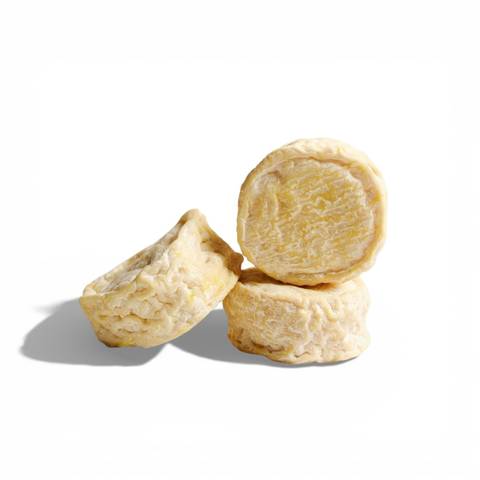
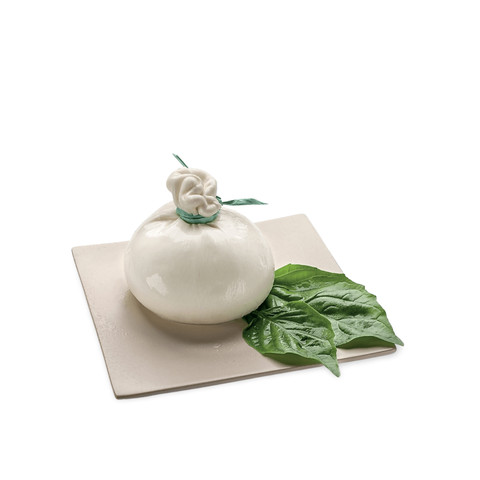
Burrata di Bufala
Creamy and Exquisite
PHP 559.00
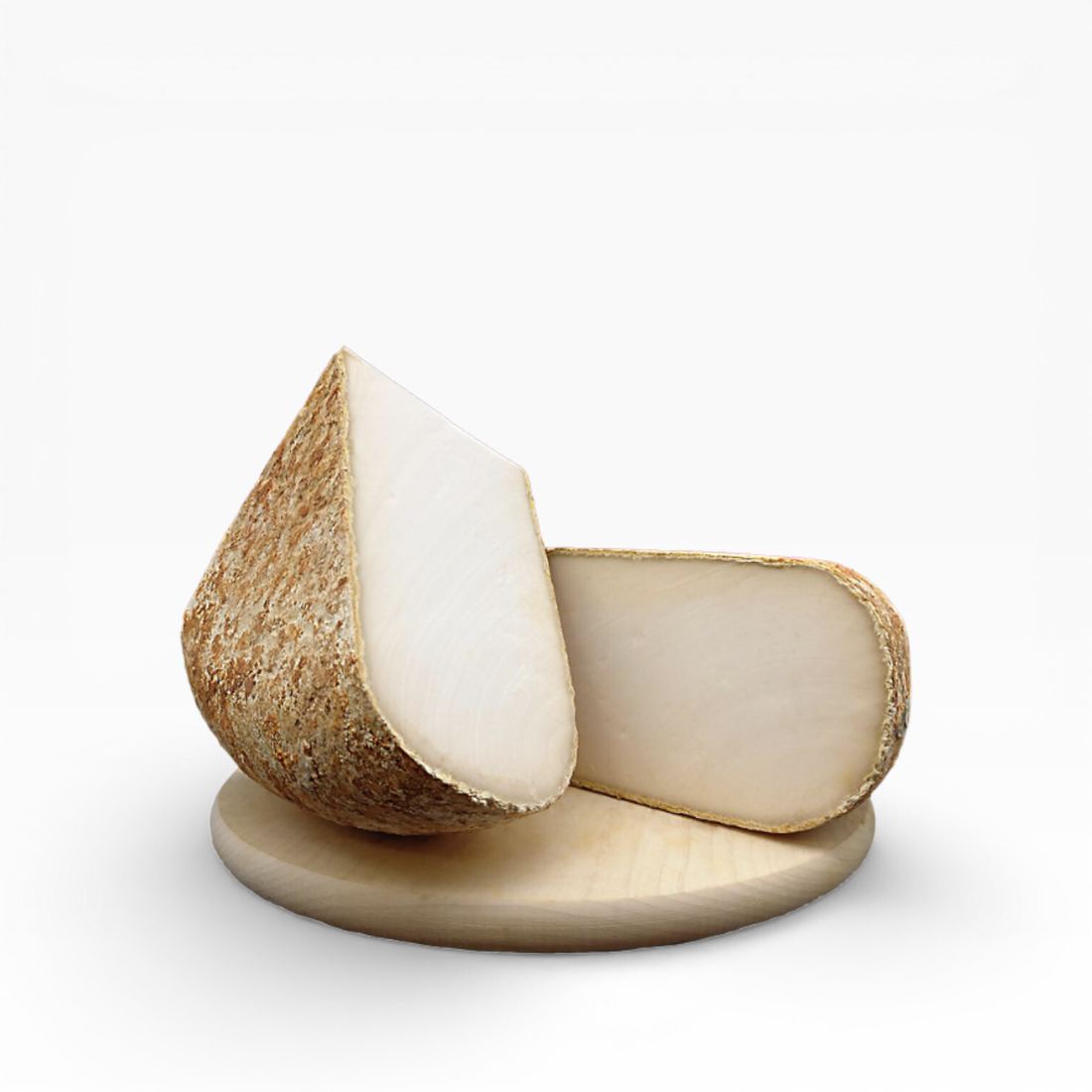
Cellar-aged goat’s serenity
Temporarily out of stock
The curators are restocking this item — sign up and we'll text you when it's back.
One SMS when it's restocked — no marketing.
100-150g
PHP 699.00 each
Express
Delivery date confirmed at checkout
150-200G
PHP 929.00 each
Express
Delivery date confirmed at checkout
200-250g
PHP 1,159.00 each
Express
Delivery date confirmed at checkout
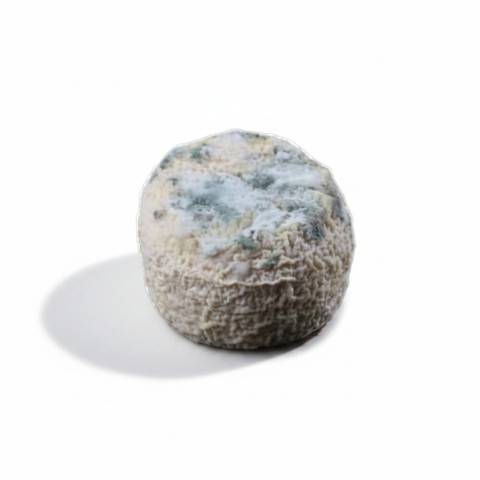
A quietly authoritative goat’s tomme, patiently matured in natural caves. Dense yet supple, rustic yet precise, it expresses milk, stone, and time—rewarded with Super Gold at the World Cheese Awards in 2021 and 2022, and Gold again in 2022.
Cellar-aged goat’s serenity
A quietly authoritative goat’s tomme, patiently matured in natural caves. Dense yet supple, rustic yet precise, it expresses milk, stone, and time—rewarded with Super Gold at the World Cheese Awards in 2021 and 2022, and Gold again in 2022.
Temporarily out of stock
The curators are restocking this item — sign up and we'll text you when it's back.
One SMS when it's restocked — no marketing.
100-150g
PHP 699.00 each
Express
Delivery date confirmed at checkout
150-200G
PHP 929.00 each
Express
Delivery date confirmed at checkout
200-250g
PHP 1,159.00 each
Express
Delivery date confirmed at checkout
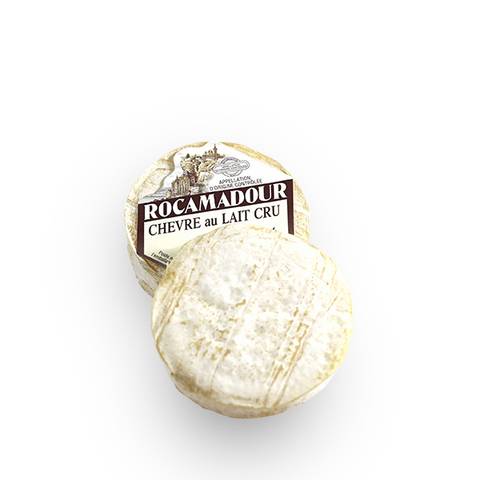
There is a particular calm to cheeses that have been allowed to become themselves. The Tomme de Chèvre des Caves Rousseaux does not announce its excellence with perfume or spectacle; it arrives with composure. Lift it from the paper and the rind tells its own story first—natural, mottled, brushed by the microflora of the caves, carrying faint notes of cellar air, straw, and limestone. It smells of somewhere cool and patient.
Cutting through the wheel, the paste reveals a compact, ivory heart, neither brittle nor elastic, but firm in the way good bread crumb is firm: structured, willing to yield. On the tongue, the first impression is milk—clean, sweet, unmistakably goat but without sharpness. This is chèvre that has outgrown its adolescence. The lactic tang is present, but it is folded inward, balanced by a nutty warmth and a gentle salinity that comes not from added salt, but from concentration.
As it warms, complexity begins to layer. There are echoes of toasted hazelnut, dried hay, and a whisper of white mushroom. The texture becomes faintly creamy at the edges, while the core remains reassuringly dense. This duality is part of its charm: it is a cheese that can be chewed and contemplated, not merely spread or dissolved. The finish is long, mineral, and dry, with a clean aftertaste that invites another bite rather than overwhelms.
What distinguishes this tomme is restraint. Many goat cheeses chase intensity; this one chases balance. The cave aging rounds the milk’s natural brightness, allowing savory notes to develop slowly, guided by time rather than intervention. The result is a cheese that feels anchored—rooted in place, tradition, and a confidence that does not require explanation. It is not trying to seduce; it is simply being honest.
This is a cheese that thrives in context, revealing different facets depending on what you place beside it.
Long before modern temperature controls, caves were the original affineurs. The Caves Rousseaux continue this lineage, relying on naturally cool, humid environments to guide the cheese rather than dominate it. In such caves, time moves differently. Temperature fluctuations are gentle, airflow is slow, and the microbial life that settles on the rind is stable, even predictable.
This environment is crucial for a goat’s tomme. Goat’s milk, naturally lower in fat and richer in short-chain fatty acids, can easily tip into sharpness if rushed. Cave aging slows everything down. Moisture migrates gradually from the center to the rind, proteins break down evenly, and flavors accumulate rather than spike. The rind becomes a living interface between the cheese and its surroundings, protecting the paste while contributing subtle earthy notes.
It is no coincidence that this tomme has been repeatedly recognized at the World Cheese Awards. Judges taste hundreds of cheeses in rapid succession; what stands out are not the loudest, but the most complete. A Super Gold cheese is one that convinces across palates, cultures, and expectations. In 2021 and again in 2022, this tomme did just that—not by novelty, but by coherence. It tasted finished. It tasted intentional.
In a world increasingly impatient with aging—of food, of people, of ideas—this cheese is a reminder that maturity is not decay, but clarity. The caves do not transform the milk into something else; they allow it to arrive where it was always meant to be.
Keep refrigerated between 4–8 °C. Store wrapped in cheese paper or parchment, loosely covered to allow the cheese to breathe while preventing moisture loss. Avoid airtight plastic. Once opened, consume within 7–10 days. Bring to room temperature for 30–45 minutes before serving.
There is a particular calm to cheeses that have been allowed to become themselves. The Tomme de Chèvre des Caves Rousseaux does not announce its excellence with perfume or spectacle; it arrives with composure. Lift it from the paper and the rind tells its own story first—natural, mottled, brushed by the microflora of the caves, carrying faint notes of cellar air, straw, and limestone. It smells of somewhere cool and patient.
Cutting through the wheel, the paste reveals a compact, ivory heart, neither brittle nor elastic, but firm in the way good bread crumb is firm: structured, willing to yield. On the tongue, the first impression is milk—clean, sweet, unmistakably goat but without sharpness. This is chèvre that has outgrown its adolescence. The lactic tang is present, but it is folded inward, balanced by a nutty warmth and a gentle salinity that comes not from added salt, but from concentration.
As it warms, complexity begins to layer. There are echoes of toasted hazelnut, dried hay, and a whisper of white mushroom. The texture becomes faintly creamy at the edges, while the core remains reassuringly dense. This duality is part of its charm: it is a cheese that can be chewed and contemplated, not merely spread or dissolved. The finish is long, mineral, and dry, with a clean aftertaste that invites another bite rather than overwhelms.
What distinguishes this tomme is restraint. Many goat cheeses chase intensity; this one chases balance. The cave aging rounds the milk’s natural brightness, allowing savory notes to develop slowly, guided by time rather than intervention. The result is a cheese that feels anchored—rooted in place, tradition, and a confidence that does not require explanation. It is not trying to seduce; it is simply being honest.
This is a cheese that thrives in context, revealing different facets depending on what you place beside it.
Long before modern temperature controls, caves were the original affineurs. The Caves Rousseaux continue this lineage, relying on naturally cool, humid environments to guide the cheese rather than dominate it. In such caves, time moves differently. Temperature fluctuations are gentle, airflow is slow, and the microbial life that settles on the rind is stable, even predictable.
This environment is crucial for a goat’s tomme. Goat’s milk, naturally lower in fat and richer in short-chain fatty acids, can easily tip into sharpness if rushed. Cave aging slows everything down. Moisture migrates gradually from the center to the rind, proteins break down evenly, and flavors accumulate rather than spike. The rind becomes a living interface between the cheese and its surroundings, protecting the paste while contributing subtle earthy notes.
It is no coincidence that this tomme has been repeatedly recognized at the World Cheese Awards. Judges taste hundreds of cheeses in rapid succession; what stands out are not the loudest, but the most complete. A Super Gold cheese is one that convinces across palates, cultures, and expectations. In 2021 and again in 2022, this tomme did just that—not by novelty, but by coherence. It tasted finished. It tasted intentional.
In a world increasingly impatient with aging—of food, of people, of ideas—this cheese is a reminder that maturity is not decay, but clarity. The caves do not transform the milk into something else; they allow it to arrive where it was always meant to be.
Keep refrigerated between 4–8 °C. Store wrapped in cheese paper or parchment, loosely covered to allow the cheese to breathe while preventing moisture loss. Avoid airtight plastic. Once opened, consume within 7–10 days. Bring to room temperature for 30–45 minutes before serving.
Curated Selection