
Laudemio Gathering Gift Box Set
Tuscany’s Finest, Elevated for the Table
PHP 6,199.00


A Tuscan Dialogue of Sea and Soil
PHP 6,799.00
Delivery date confirmed at checkout
Box Set
Most popularPHP 6,799.00 each
Packed with extra shock protection
You’re PHP 3,000.00 away from free delivery in Metro Manila
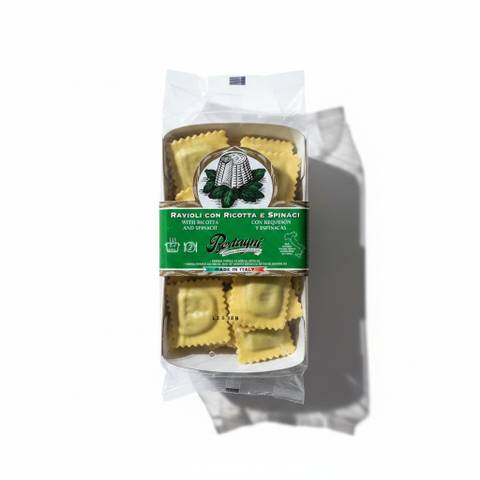
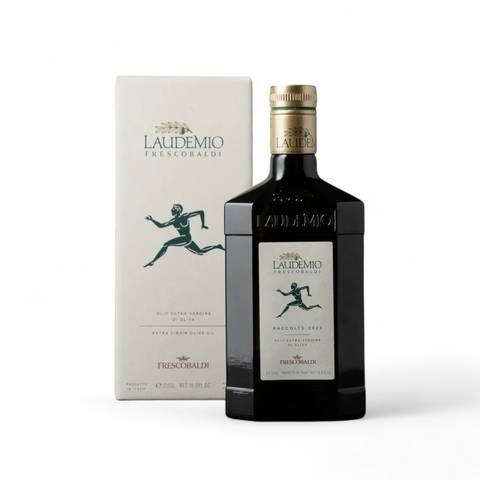
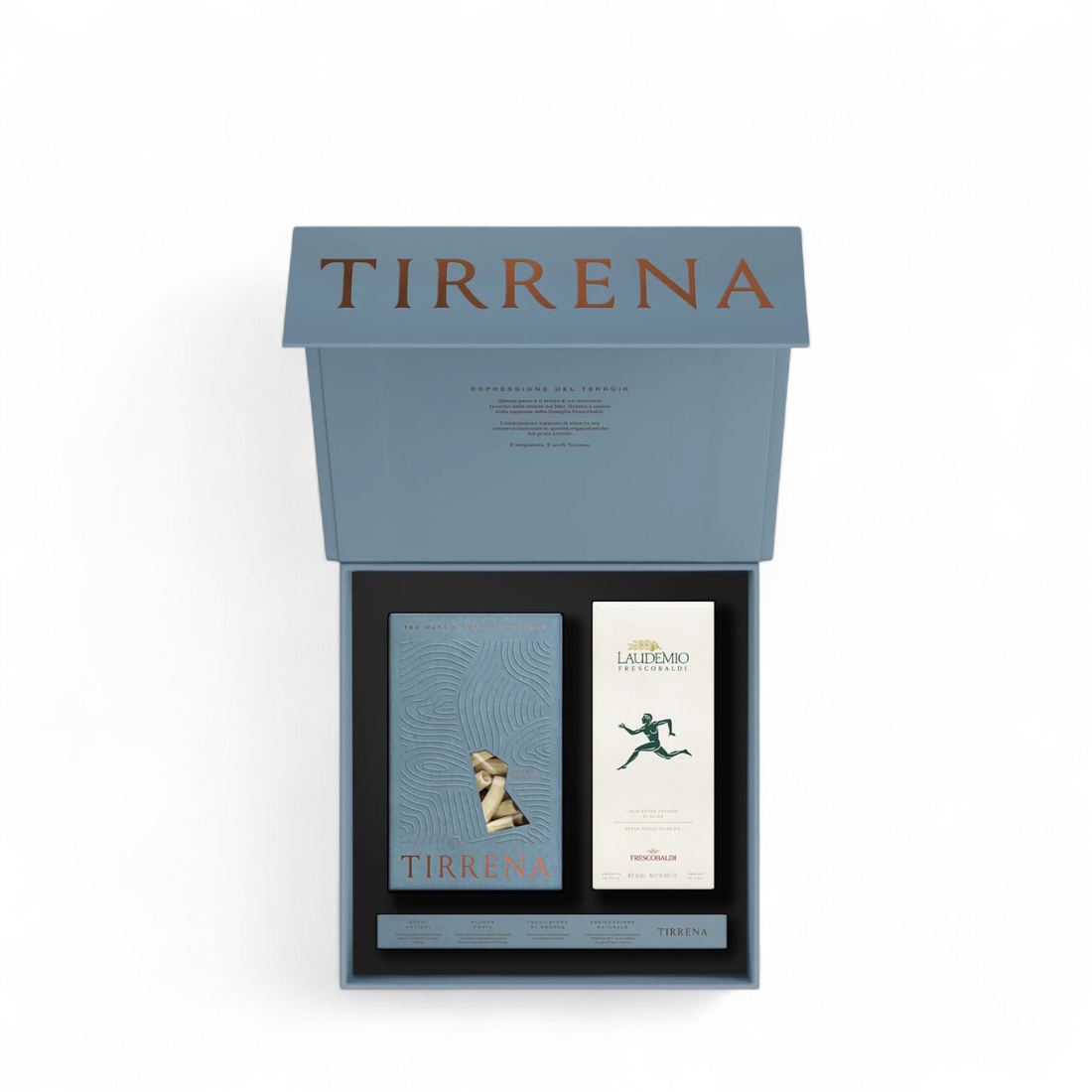
A meeting of Tuscan excellence — artisanal pasta from Tirrena and the legendary Laudemio Frescobaldi extra virgin olive oil. This refined box set embodies the Mediterranean art of simplicity: three ingredients, centuries of mastery, and a harmony that captures the essence of the Tuscan table.
Temperature-Controlled Delivery
Satisfaction Guarantee
Same-Day Dispatch Before 4PM
A Tuscan Dialogue of Sea and Soil
A meeting of Tuscan excellence — artisanal pasta from Tirrena and the legendary Laudemio Frescobaldi extra virgin olive oil. This refined box set embodies the Mediterranean art of simplicity: three ingredients, centuries of mastery, and a harmony that captures the essence of the Tuscan table.
PHP 6,799.00
Delivery date confirmed at checkout
Box Set
Most popularPHP 6,799.00 each
Packed with extra shock protection
You’re PHP 3,000.00 away from free delivery in Metro Manila
Temperature-Controlled Delivery
Satisfaction Guarantee
Same-Day Dispatch Before 4PM
Open the lid and Tuscany greets you — softly, confidently, as if whispering of sunlit fields and the slow rhythm of craft. The Tirrena pastas — Spaghetti No. 5 and Tortiglioni — are made from ancient grains, cold-dried for seventy-two hours. Their texture is alive: rough to the touch, porous enough to hold even the subtlest sauce. Once cooked, they remain resilient, never collapsing into softness, but yielding with a quiet spring — a sign of patience in both field and kitchen.
Beside them stands Laudemio Frescobaldi, the green gold of Tuscany. Its perfume evokes cut grass, artichoke, and a distant almond orchard carried by the wind. On the tongue, it begins gently before deepening into a peppery crescendo — clean, assertive, and lingering. It is not just oil, but landscape transformed: olives grown at altitude, pressed within hours of harvest, a ritual of fidelity to the land. Together, these two creations form a kind of culinary duet — the grain and the fruit of Tuscany in conversation, speaking of time, soil, and craft.
The Tirrena name comes from the Tyrrhenian Sea, whose breezes cross the Maremma hills before meeting the olive groves of the Frescobaldi family. It is said that when March winds rise and the fields shimmer with wild grain, the air carries both salt and chlorophyll — a mingling that defines Tuscan cuisine itself.
The Frescobaldi family, custodians of Laudemio, have tended these groves for over thirty generations. Their oil was once reserved for noble tables, its vivid green kept in dark glass to preserve its brightness. Tirrena pasta, though young by comparison, revives the same spirit: a respect for grain as others reserve for grape or olive. The drying process — seventy-two hours at low temperature — is a quiet rebellion against industrial haste.
Together they tell a story of continuity. To cook with them is to participate in a tradition — not to imitate the past, but to dwell in its rhythm. One imagines a small dinner table overlooking a vineyard, the last light on terracotta walls, the sound of water boiling, and the scent of oil just poured.
Store both Tirrena pasta and Laudemio Frescobaldi in a cool, dry place away from direct light. Once opened, keep the oil tightly sealed and consume within three months to preserve its aromatic vitality. The pasta, if stored properly, keeps its integrity for up to two years.
Open the lid and Tuscany greets you — softly, confidently, as if whispering of sunlit fields and the slow rhythm of craft. The Tirrena pastas — Spaghetti No. 5 and Tortiglioni — are made from ancient grains, cold-dried for seventy-two hours. Their texture is alive: rough to the touch, porous enough to hold even the subtlest sauce. Once cooked, they remain resilient, never collapsing into softness, but yielding with a quiet spring — a sign of patience in both field and kitchen.
Beside them stands Laudemio Frescobaldi, the green gold of Tuscany. Its perfume evokes cut grass, artichoke, and a distant almond orchard carried by the wind. On the tongue, it begins gently before deepening into a peppery crescendo — clean, assertive, and lingering. It is not just oil, but landscape transformed: olives grown at altitude, pressed within hours of harvest, a ritual of fidelity to the land. Together, these two creations form a kind of culinary duet — the grain and the fruit of Tuscany in conversation, speaking of time, soil, and craft.
The Tirrena name comes from the Tyrrhenian Sea, whose breezes cross the Maremma hills before meeting the olive groves of the Frescobaldi family. It is said that when March winds rise and the fields shimmer with wild grain, the air carries both salt and chlorophyll — a mingling that defines Tuscan cuisine itself.
The Frescobaldi family, custodians of Laudemio, have tended these groves for over thirty generations. Their oil was once reserved for noble tables, its vivid green kept in dark glass to preserve its brightness. Tirrena pasta, though young by comparison, revives the same spirit: a respect for grain as others reserve for grape or olive. The drying process — seventy-two hours at low temperature — is a quiet rebellion against industrial haste.
Together they tell a story of continuity. To cook with them is to participate in a tradition — not to imitate the past, but to dwell in its rhythm. One imagines a small dinner table overlooking a vineyard, the last light on terracotta walls, the sound of water boiling, and the scent of oil just poured.
Store both Tirrena pasta and Laudemio Frescobaldi in a cool, dry place away from direct light. Once opened, keep the oil tightly sealed and consume within three months to preserve its aromatic vitality. The pasta, if stored properly, keeps its integrity for up to two years.
Curated Selection