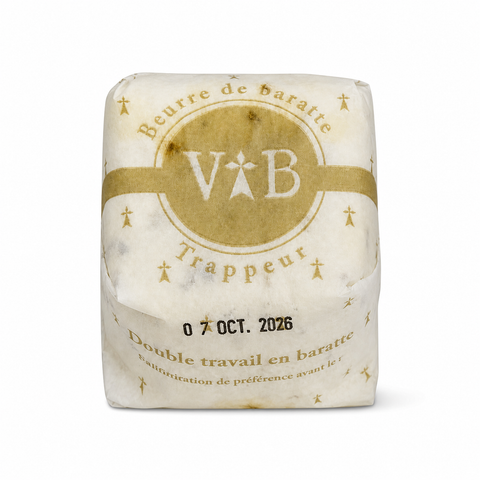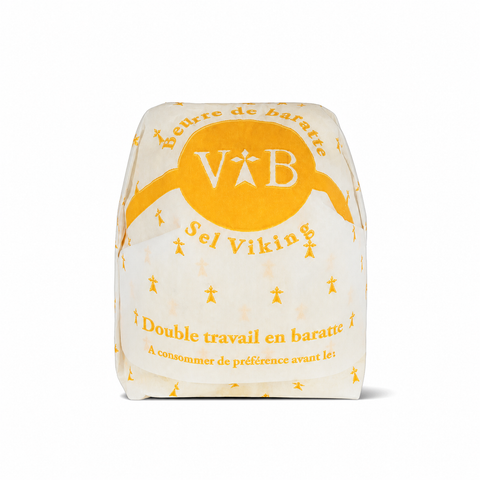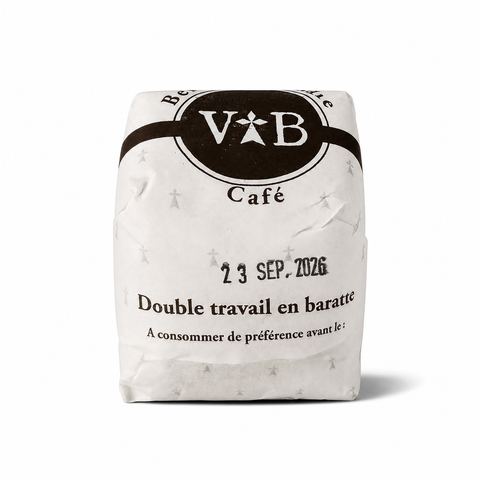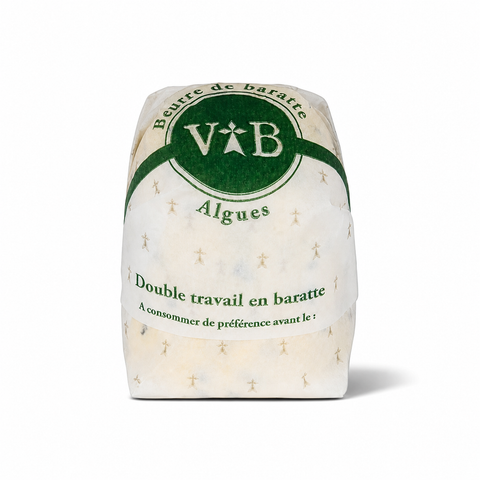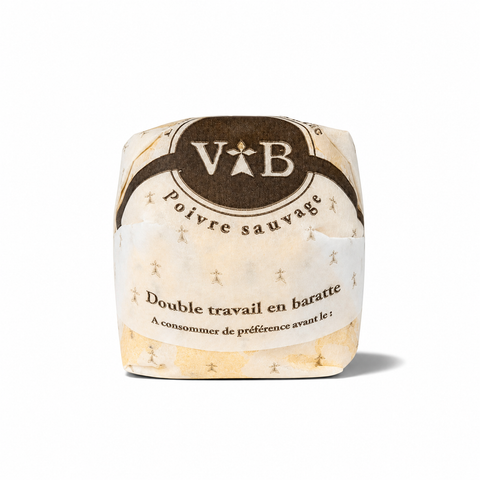
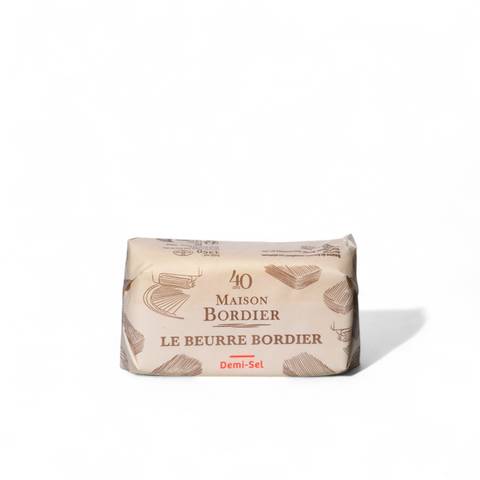
Bordier Sale 4% (Demi Sel) Butter
The classic and one of the best
PHP 879.00
PHP 590.00
Delivery date confirmed at checkout
160g
Most popularPHP 590.00 each
Chilled — Packed with thermal insulation & ice gel
You’re PHP 3,000.00 away from free delivery in Metro Manila
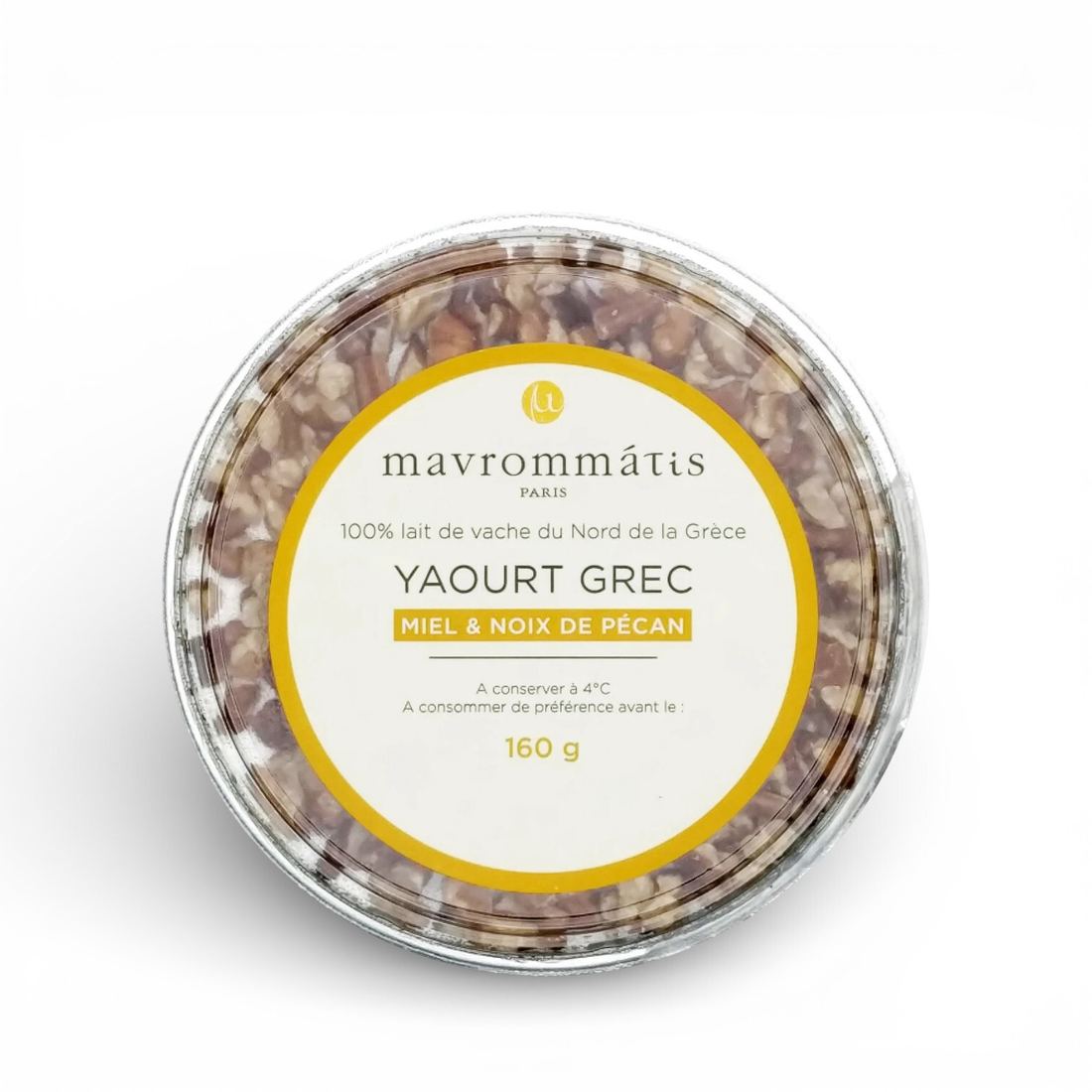
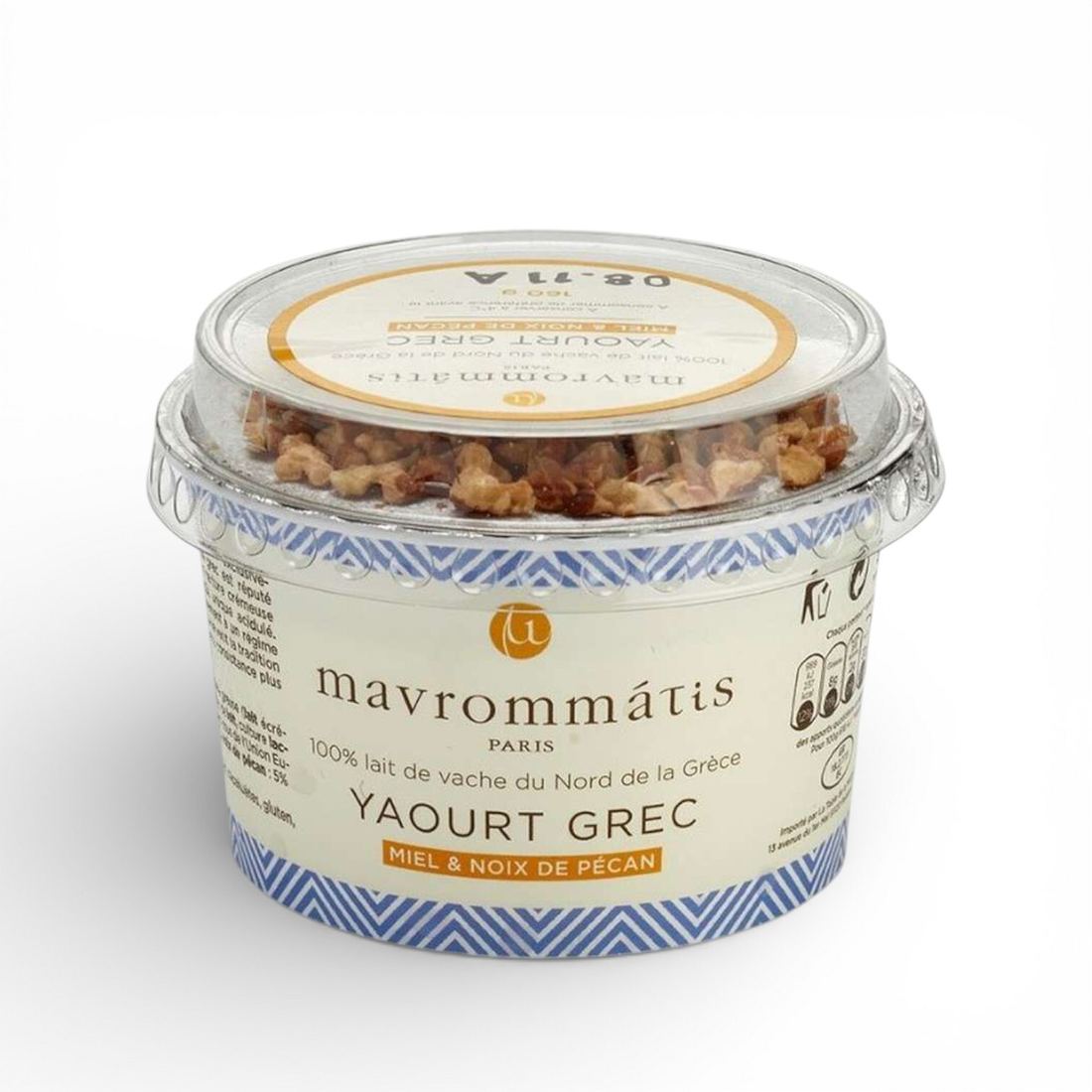
A serene dessert that marries velvety Greek yogurt with golden honey and the earthy crunch of pecan nuts. Inspired by the refined sensibilities of a Michelin-starred Greek kitchen in the heart of Paris.
Temperature-Controlled Delivery
Satisfaction Guarantee
Same-Day Dispatch Before 4PM
A serene dessert that marries velvety Greek yogurt with golden honey and the earthy crunch of pecan nuts. Inspired by the refined sensibilities of a Michelin-starred Greek kitchen in the heart of Paris.
PHP 590.00
Delivery date confirmed at checkout
160g
Most popularPHP 590.00 each
Chilled — Packed with thermal insulation & ice gel
You’re PHP 3,000.00 away from free delivery in Metro Manila
Temperature-Controlled Delivery
Satisfaction Guarantee
Same-Day Dispatch Before 4PM
Imagine a thick, cool spoonful of yogurt that carries the slow, sun-kissed richness of sheep’s milk and the quiet depth of aged cream, all set upon a tabletop in Paris’s storied Latin Quarter. The milk itself seems to remember the Aegean sun — broad, mineral, whisper-smooth — before it meets the slow drizzle of amber honey that arcs like warm light over its surface. As it settles, the honey pulls subtle floral notes from its depths: a hint of thyme, perhaps a wisp of wildflower meadow, joined by the nutty warmth that only pecans offer — rich and slightly buttery, with edges of smoke and caramel.
Pecan nuts are not accidental here: they are toasted just long enough to release their dust-fine perfume, an echo of roasted chestnuts in a winter market, and yet they remain crisp, offering a playful counterpoint to the creamy yogurt. Each bite is a juxtaposition — the cool hush of fermented milk, the slow, silky sweetness of honey, and the crackling, almost reverberant texture of the nuts. There’s a quiet elegance to it, almost architectural — layers of flavor that build without overwhelming, much like the way a master chef constructs a tasting menu. This dessert isn’t merely an end to a meal; it feels like an invitation, a lingering benediction that speaks of care, terroir, and provenance.
Behind this humble trio — yogurt, honey, pecans — is a culinary lineage that draws from the Mediterranean’s sunlit lands and the kitchen of Mavrommatis in Paris, a restaurant that has become synonymous with the refined expression of Greek gastronomy abroad. At the helm is Chef Andreas Mavrommatis, whose work has long been celebrated for marrying the enduring soul of Hellenic cuisine with classic French technique, a journey recognized by the Michelin Guide with one star and a place in the pantheon of Paris’s culinary landmarks. 
Bold pairings are not necessary — the elegance of this dish comes from its simplicity and the careful balance of flavors. Let each element shine; let the honey’s warmth and the pecans’ rustle punctuate the yogurt’s quiet grace.
Mavrommatis isn’t just a name stitched onto a label; it carries decades of cultural and culinary history. Established in the early 1980s in Paris by Cypriot chef Andreas Mavrommatis and his brothers, the restaurant has become a lodestar for Greek and Mediterranean cuisine in the French capital. What began as a modest endeavor to introduce Greeks’ robust flavors to Parisians has grown into a constellation of tables and boutiques, each devoted to celebrating the Mediterranean’s sun-lit produce with stylistic refinement. 
In 2018, Mavrommatis’s flagship Paris restaurant was awarded a Michelin star — a landmark moment not just for the chef but for Greek cuisine itself abroad. That single star is not a mere badge of honor; it signals a bridge between two culinary worlds. The restaurant’s ethos — to blend the terroir and traditions of Greece with the rigor and artistry of French technique — is evident in everything they do, from grilled seafood to humble desserts. In Paris, Mavrommatis stands not as an echo of Greece, but as its eloquent, contemporary ambassador.
This Greek yogurt garnished with honey and pecan nuts is an extension of that vision — elegantly simple, rooted in tradition, and elevated through thoughtful curation. It reflects the spirit of a kitchen that has welcomed world leaders, artists, and gourmands alike, offering them not just sustenance but a narrative on a plate. The pecans — not traditionally Greek, but resonant with the Mediterranean’s embrace of global flavors — speak to the restaurant’s openness to evolution. The honey evokes the islands’ wild thyme hillsides, and the yogurt — thick, pristine, elemental — recalls centuries of shepherds tending their flocks. Each jar or plate is, in essence, a meditation on geography, climate, and care.
Store unopened in the refrigerator at 4 °C (39 °F) or below. Once opened, cover tightly and consume within 48 hours for optimal texture and flavor. Keep away from strong odors, which can be absorbed by the yogurt. Do not freeze — freezing disrupts the delicate creaminess of the yogurt.
Imagine a thick, cool spoonful of yogurt that carries the slow, sun-kissed richness of sheep’s milk and the quiet depth of aged cream, all set upon a tabletop in Paris’s storied Latin Quarter. The milk itself seems to remember the Aegean sun — broad, mineral, whisper-smooth — before it meets the slow drizzle of amber honey that arcs like warm light over its surface. As it settles, the honey pulls subtle floral notes from its depths: a hint of thyme, perhaps a wisp of wildflower meadow, joined by the nutty warmth that only pecans offer — rich and slightly buttery, with edges of smoke and caramel.
Pecan nuts are not accidental here: they are toasted just long enough to release their dust-fine perfume, an echo of roasted chestnuts in a winter market, and yet they remain crisp, offering a playful counterpoint to the creamy yogurt. Each bite is a juxtaposition — the cool hush of fermented milk, the slow, silky sweetness of honey, and the crackling, almost reverberant texture of the nuts. There’s a quiet elegance to it, almost architectural — layers of flavor that build without overwhelming, much like the way a master chef constructs a tasting menu. This dessert isn’t merely an end to a meal; it feels like an invitation, a lingering benediction that speaks of care, terroir, and provenance.
Behind this humble trio — yogurt, honey, pecans — is a culinary lineage that draws from the Mediterranean’s sunlit lands and the kitchen of Mavrommatis in Paris, a restaurant that has become synonymous with the refined expression of Greek gastronomy abroad. At the helm is Chef Andreas Mavrommatis, whose work has long been celebrated for marrying the enduring soul of Hellenic cuisine with classic French technique, a journey recognized by the Michelin Guide with one star and a place in the pantheon of Paris’s culinary landmarks. 
Bold pairings are not necessary — the elegance of this dish comes from its simplicity and the careful balance of flavors. Let each element shine; let the honey’s warmth and the pecans’ rustle punctuate the yogurt’s quiet grace.
Mavrommatis isn’t just a name stitched onto a label; it carries decades of cultural and culinary history. Established in the early 1980s in Paris by Cypriot chef Andreas Mavrommatis and his brothers, the restaurant has become a lodestar for Greek and Mediterranean cuisine in the French capital. What began as a modest endeavor to introduce Greeks’ robust flavors to Parisians has grown into a constellation of tables and boutiques, each devoted to celebrating the Mediterranean’s sun-lit produce with stylistic refinement. 
In 2018, Mavrommatis’s flagship Paris restaurant was awarded a Michelin star — a landmark moment not just for the chef but for Greek cuisine itself abroad. That single star is not a mere badge of honor; it signals a bridge between two culinary worlds. The restaurant’s ethos — to blend the terroir and traditions of Greece with the rigor and artistry of French technique — is evident in everything they do, from grilled seafood to humble desserts. In Paris, Mavrommatis stands not as an echo of Greece, but as its eloquent, contemporary ambassador.
This Greek yogurt garnished with honey and pecan nuts is an extension of that vision — elegantly simple, rooted in tradition, and elevated through thoughtful curation. It reflects the spirit of a kitchen that has welcomed world leaders, artists, and gourmands alike, offering them not just sustenance but a narrative on a plate. The pecans — not traditionally Greek, but resonant with the Mediterranean’s embrace of global flavors — speak to the restaurant’s openness to evolution. The honey evokes the islands’ wild thyme hillsides, and the yogurt — thick, pristine, elemental — recalls centuries of shepherds tending their flocks. Each jar or plate is, in essence, a meditation on geography, climate, and care.
Store unopened in the refrigerator at 4 °C (39 °F) or below. Once opened, cover tightly and consume within 48 hours for optimal texture and flavor. Keep away from strong odors, which can be absorbed by the yogurt. Do not freeze — freezing disrupts the delicate creaminess of the yogurt.
Curated Selection