
Dammann Frères Sencha Fukuyu Enveloped Tea Bags
Japanese Green Tea, Anywhere
PHP 1,140.00



PHP 1,390.00
Delivery date confirmed at checkout
Loose Leaf Tin — 100g
Most popularPHP 1,390.00 each
You’re PHP 3,000.00 away from free delivery in Metro Manila
Four Fruits Rouges is the sound of summer in a teacup—a riotous, joyful celebration of red fruit essence that never veers into cloying sweetness.
Temperature-Controlled Delivery
Satisfaction Guarantee
Same-Day Dispatch Before 4PM
Four Fruits Rouges is the sound of summer in a teacup—a riotous, joyful celebration of red fruit essence that never veers into cloying sweetness.
PHP 1,390.00
Delivery date confirmed at checkout
Loose Leaf Tin — 100g
Most popularPHP 1,390.00 each
You’re PHP 3,000.00 away from free delivery in Metro Manila
Temperature-Controlled Delivery
Satisfaction Guarantee
Same-Day Dispatch Before 4PM
Before the water touches these leaves, the nose is already enchanted. Crack open a tin of Four Fruits Rouges and the aroma that escapes is unmistakably berry-forward—a concentrated fruit compote that speaks of open-air farmers' markets, of fruit tarts cooling on marble counters, of small preserve jars lined up in summer pantries. The base tea beneath carries the earthy, sometimes slightly smoky character of Ceylon and Chinese black teas, but the fruit notes overwhelm with their generosity.
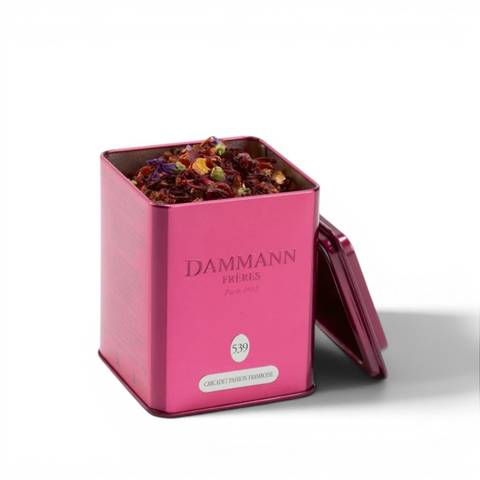
The leaves themselves tell a story: shards of dark black tea interspersed with unmistakable fruit matter. You'll see dried strawberry pieces, gleaming like small rubies, and the visible presence of actual currants and berries creates an immediate sense that this blend is built on real fruit, not mere chemistry. This matters more than casual tea drinkers might realize. Lesser teas rely entirely on fruit flavorings—aromatic oils that evaporate with heat. Dammann Frères uses real fruit matter alongside essential essences, creating a more complex, more durable flavor experience.
The infusion itself is revelatory. As hot water meets the leaves, the first moments release profound aromatic compounds. The steam carries notes of stewed berries, candied citrus, and something slightly vinous—that subtle fermented undertone common to red currants and cherries. The liquor develops as a deep burgundy, almost wine-colored, catching light beautifully in porcelain. This visual richness speaks to the tea's aromatic complexity.
The first sip arrives with immediate, almost startling tartness. The red currant flavors announce themselves assertively—there's a citric acid that makes the mouth water, a pleasant puckering quality that cleanses the palate and awakens the taste buds. Simultaneously, the darker fruit notes emerge: cherry brings a slight almond-like undertone and greater body, while raspberry contributes bright, almost tart-green notes and a particular floral sweetness. The strawberry rounds everything—it's the most delicate of the four, offering a gentle sweetness and a subtle caramel undertone that suggests jam cooking slowly in copper pots.
What's particularly sophisticated about this blend is how the black tea base integrates rather than simply supporting the fruit. These aren't light teas that disappear behind the flavorings; the Ceylon and Chinese blacks contribute their own character: a subtle maltiness, a slight astringency that sharpens the fruit's tartness, and a warming quality that makes this tea feel substantial and satisfying. There's a mineral undertone, too, almost like stone fruits that have absorbed summer sunshine.
The texture evolves as the tea cools. Initially, the tartness dominates, the mouth-puckering effect of the natural acids in the fruit essences. But as temperature drops, subtle sweetness emerges—not added sugar, but the natural fruit sugars and the slight caramel notes that develop as the flavors marry with the warm tea. Some tasters will detect jammy sweetness in the finish, others a slight wine-like dryness that recalls red fruit skin tannins. This variation is normal and speaks to the tea's natural complexity.
The finish is lingering and pleasant: the tartness doesn't fade so much as it transforms into a subtle sweetness, leaving the mouth refreshed and ready for another sip. Unlike some fruit teas that become cloying after multiple infusions, Four Fruits Rouges maintains its character and integrity through the second and even third steeping, as the tea leaves continue to release their essence slowly.
Fruit-Forward Desserts
Light & Elegant Options
Savory Possibilities
Temperature & Presentation This is an exceptional iced tea for summer service. Steep at full strength (4-5 minutes in freshly boiled water) and pour over ice with a single fresh strawberry or sprig of mint. The burgundy color becomes even more striking when chilled, and the tartness becomes more refreshing. For hot service, afternoon tea remains ideal, served in teacups that showcase the wine-dark liquor. The dramatic color becomes part of the experience.
When Dammann Frères created Four Fruits Rouges, they were participating in a revolution that their founder Jean Jumeau-Lafond had initiated just years earlier. The 1950s breakthrough with the flavored tea concept meant that tea merchants were now permitted—even celebrated—to think creatively about leaf and flavor.
Yet with this creative freedom came an implicit responsibility: that flavored teas must never deceive. They're not meant to mask inferior leaves; they're meant to celebrate both the tea and the flavoring component equally. Four Fruits Rouges exemplifies this philosophy through its commitment to using actual fruit matter alongside essential essences.
This distinction matters historically. In many tea industries, particularly during the post-war period, "flavoring" became synonymous with applying cheap synthetic oils to mask the taste of low-quality leaves. Dammann Frères took the opposite approach. Working from their 30,000 square-meter facility in Dreux, they selected premium Ceylon and Chinese black teas specifically because those origins could withstand and complement fruit flavorings without being overwhelmed. They then sourced natural berry essences and actual freeze-dried fruit pieces, creating a product where transparency was possible: you can see the real fruit, taste its genuine character, and appreciate the black tea base on its own merits.
This commitment to honesty in flavoring became Dammann Frères' signature approach, setting them apart from mass-market competitors. Today, with 500+ tea references and recognition as an "Entreprise du Patrimoine Vivant" (Living Heritage Company) by the French government, they continue this tradition—proving that flavored teas, when executed with integrity, are not lesser teas but simply different expressions of the tea maker's art.
Store in the original Dammann Frères metal tin, or transfer to a glass jar with an airtight seal. This tea's real fruit components require particular care: ensure the storage container is completely dry before adding the tea, as any moisture will encourage mold or degradation of the fruit matter.
Keep away from heat sources, direct sunlight, and strong-smelling foods. The berry essences are aromatic and volatile; they will fade and flatten with exposure to warmth or light. Avoid storing near spices or other intensely aromatic foods, as tea leaves readily absorb adjacent scents.
The real fruit pieces mean this tea has a slightly shorter optimal window than pure-leaf teas: consume within 12 months for peak tartness and fruit intensity. After 8 months, the citric acid notes will gradually mellow, the berry character will become softer and jammier. This isn't unpleasant—it's simply evolution. Store in cool conditions (65°F/18°C is ideal) for maximum longevity.
Before the water touches these leaves, the nose is already enchanted. Crack open a tin of Four Fruits Rouges and the aroma that escapes is unmistakably berry-forward—a concentrated fruit compote that speaks of open-air farmers' markets, of fruit tarts cooling on marble counters, of small preserve jars lined up in summer pantries. The base tea beneath carries the earthy, sometimes slightly smoky character of Ceylon and Chinese black teas, but the fruit notes overwhelm with their generosity.
The leaves themselves tell a story: shards of dark black tea interspersed with unmistakable fruit matter. You'll see dried strawberry pieces, gleaming like small rubies, and the visible presence of actual currants and berries creates an immediate sense that this blend is built on real fruit, not mere chemistry. This matters more than casual tea drinkers might realize. Lesser teas rely entirely on fruit flavorings—aromatic oils that evaporate with heat. Dammann Frères uses real fruit matter alongside essential essences, creating a more complex, more durable flavor experience.
The infusion itself is revelatory. As hot water meets the leaves, the first moments release profound aromatic compounds. The steam carries notes of stewed berries, candied citrus, and something slightly vinous—that subtle fermented undertone common to red currants and cherries. The liquor develops as a deep burgundy, almost wine-colored, catching light beautifully in porcelain. This visual richness speaks to the tea's aromatic complexity.
The first sip arrives with immediate, almost startling tartness. The red currant flavors announce themselves assertively—there's a citric acid that makes the mouth water, a pleasant puckering quality that cleanses the palate and awakens the taste buds. Simultaneously, the darker fruit notes emerge: cherry brings a slight almond-like undertone and greater body, while raspberry contributes bright, almost tart-green notes and a particular floral sweetness. The strawberry rounds everything—it's the most delicate of the four, offering a gentle sweetness and a subtle caramel undertone that suggests jam cooking slowly in copper pots.
What's particularly sophisticated about this blend is how the black tea base integrates rather than simply supporting the fruit. These aren't light teas that disappear behind the flavorings; the Ceylon and Chinese blacks contribute their own character: a subtle maltiness, a slight astringency that sharpens the fruit's tartness, and a warming quality that makes this tea feel substantial and satisfying. There's a mineral undertone, too, almost like stone fruits that have absorbed summer sunshine.
The texture evolves as the tea cools. Initially, the tartness dominates, the mouth-puckering effect of the natural acids in the fruit essences. But as temperature drops, subtle sweetness emerges—not added sugar, but the natural fruit sugars and the slight caramel notes that develop as the flavors marry with the warm tea. Some tasters will detect jammy sweetness in the finish, others a slight wine-like dryness that recalls red fruit skin tannins. This variation is normal and speaks to the tea's natural complexity.
The finish is lingering and pleasant: the tartness doesn't fade so much as it transforms into a subtle sweetness, leaving the mouth refreshed and ready for another sip. Unlike some fruit teas that become cloying after multiple infusions, Four Fruits Rouges maintains its character and integrity through the second and even third steeping, as the tea leaves continue to release their essence slowly.
Fruit-Forward Desserts
Light & Elegant Options
Savory Possibilities
Temperature & Presentation This is an exceptional iced tea for summer service. Steep at full strength (4-5 minutes in freshly boiled water) and pour over ice with a single fresh strawberry or sprig of mint. The burgundy color becomes even more striking when chilled, and the tartness becomes more refreshing. For hot service, afternoon tea remains ideal, served in teacups that showcase the wine-dark liquor. The dramatic color becomes part of the experience.
When Dammann Frères created Four Fruits Rouges, they were participating in a revolution that their founder Jean Jumeau-Lafond had initiated just years earlier. The 1950s breakthrough with the flavored tea concept meant that tea merchants were now permitted—even celebrated—to think creatively about leaf and flavor.
Yet with this creative freedom came an implicit responsibility: that flavored teas must never deceive. They're not meant to mask inferior leaves; they're meant to celebrate both the tea and the flavoring component equally. Four Fruits Rouges exemplifies this philosophy through its commitment to using actual fruit matter alongside essential essences.
This distinction matters historically. In many tea industries, particularly during the post-war period, "flavoring" became synonymous with applying cheap synthetic oils to mask the taste of low-quality leaves. Dammann Frères took the opposite approach. Working from their 30,000 square-meter facility in Dreux, they selected premium Ceylon and Chinese black teas specifically because those origins could withstand and complement fruit flavorings without being overwhelmed. They then sourced natural berry essences and actual freeze-dried fruit pieces, creating a product where transparency was possible: you can see the real fruit, taste its genuine character, and appreciate the black tea base on its own merits.
This commitment to honesty in flavoring became Dammann Frères' signature approach, setting them apart from mass-market competitors. Today, with 500+ tea references and recognition as an "Entreprise du Patrimoine Vivant" (Living Heritage Company) by the French government, they continue this tradition—proving that flavored teas, when executed with integrity, are not lesser teas but simply different expressions of the tea maker's art.
Store in the original Dammann Frères metal tin, or transfer to a glass jar with an airtight seal. This tea's real fruit components require particular care: ensure the storage container is completely dry before adding the tea, as any moisture will encourage mold or degradation of the fruit matter.
Keep away from heat sources, direct sunlight, and strong-smelling foods. The berry essences are aromatic and volatile; they will fade and flatten with exposure to warmth or light. Avoid storing near spices or other intensely aromatic foods, as tea leaves readily absorb adjacent scents.
The real fruit pieces mean this tea has a slightly shorter optimal window than pure-leaf teas: consume within 12 months for peak tartness and fruit intensity. After 8 months, the citric acid notes will gradually mellow, the berry character will become softer and jammier. This isn't unpleasant—it's simply evolution. Store in cool conditions (65°F/18°C is ideal) for maximum longevity.
Curated Selection