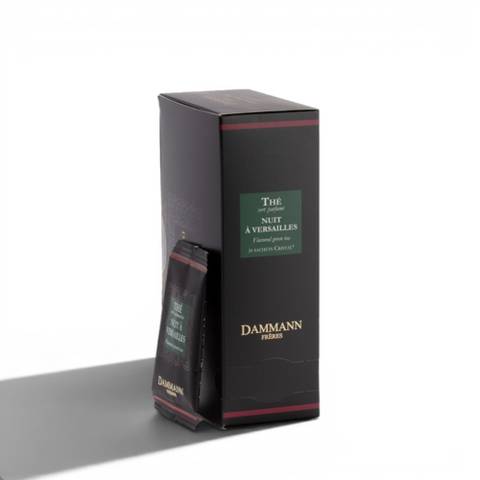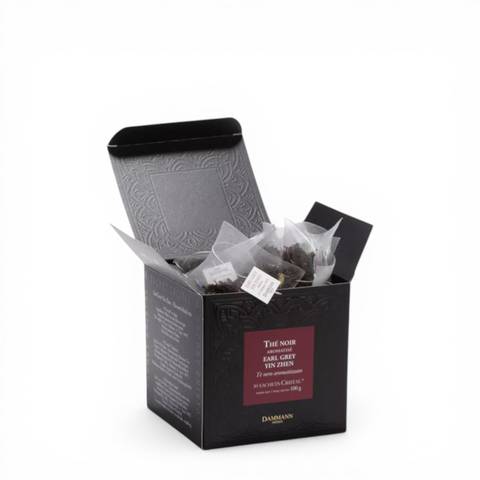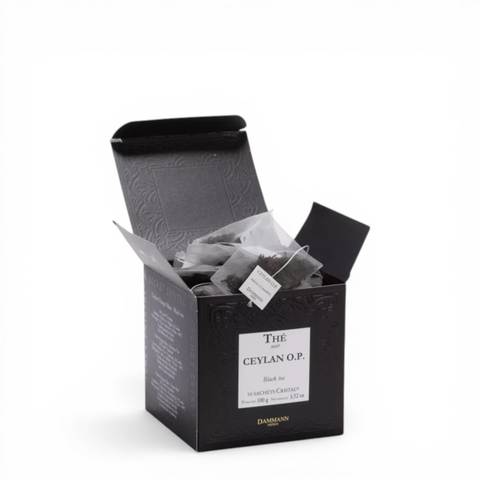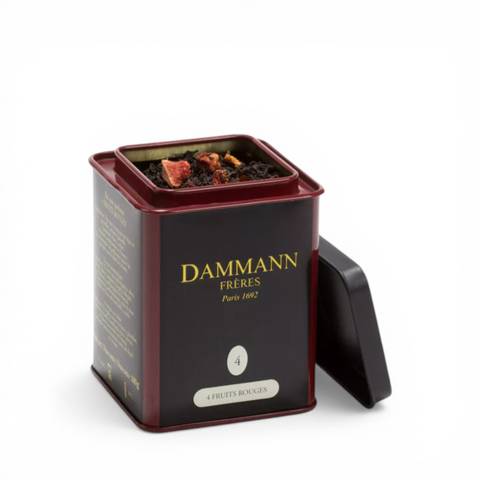
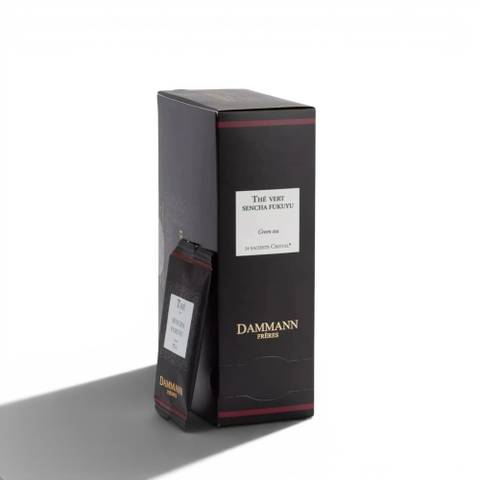
Dammann Frères Sencha Fukuyu Enveloped Tea Bags
Japanese Green Tea, Anywhere
PHP 1,140.00

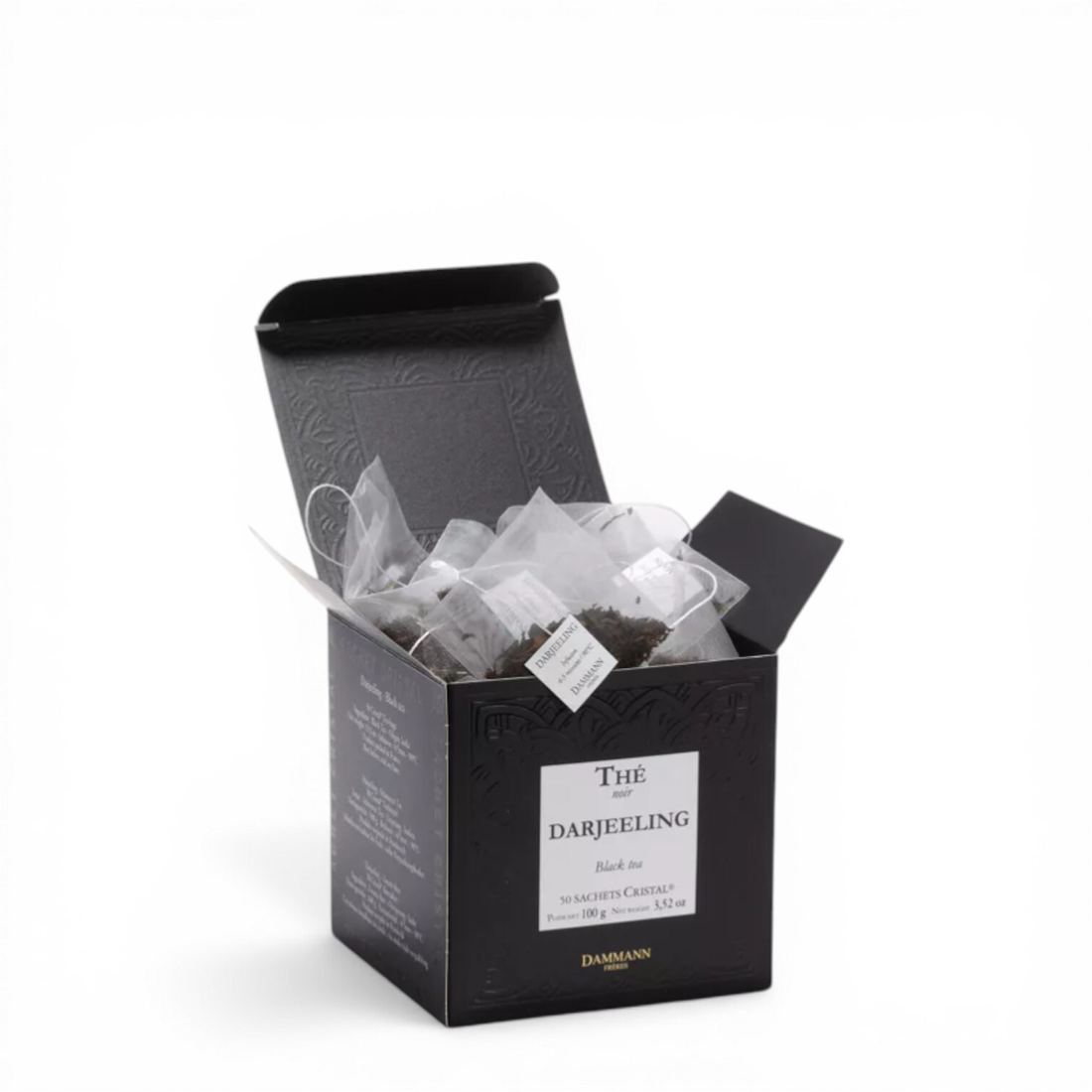
The Champagne of Teas: Floral Elegance and Muscatel Mystery

PHP 1,499.00
Delivery date confirmed at checkout
50 Cristal® Sachets — 100g
Most popularPHP 1,499.00 each
You’re PHP 3,000.00 away from free delivery in Metro Manila
There exists in the world of tea a single designation that carries more prestige, more poetry, and more genuine warrant for its ambitions than perhaps any other: the Champagne of Teas.
Temperature-Controlled Delivery
Satisfaction Guarantee
Same-Day Dispatch Before 4PM
The Champagne of Teas: Floral Elegance and Muscatel Mystery
There exists in the world of tea a single designation that carries more prestige, more poetry, and more genuine warrant for its ambitions than perhaps any other: the Champagne of Teas.
PHP 1,499.00
Delivery date confirmed at checkout
50 Cristal® Sachets — 100g
Most popularPHP 1,499.00 each
You’re PHP 3,000.00 away from free delivery in Metro Manila
Temperature-Controlled Delivery
Satisfaction Guarantee
Same-Day Dispatch Before 4PM
The first revelation comes before the cup even reaches your lips. Observe the aroma rising from freshly brewed Darjeeling—there is nothing timid here, nothing that requires your attention to detect. Instead, the tea announces itself with a presence that is both delicate and unmistakable: floral, fruity, with undertones of something indefinably precious. This is muscatel—the signature note of exceptional Darjeeling—a character that wine merchants know well but that remains somewhat mysterious in tea circles. It's not a grape flavor exactly, though some who know muscatel wine recognize the comparison; it's rather a particular quality of perfumed sweetness, the sense of drinking something that has passed through some kind of olfactory cathedral.
As you bring the cup closer, additional layers emerge. There are notes of ripe peach—not the cloying sweetness of peach syrup, but the subtle perfume of a fruit at its absolute peak. Almonds appear in the background, the slightly sweet, slightly floral character of almond extract in its most refined form. Some describe citrus notes; others emphasize the honey-like sweetness. The remarkable truth is that all these descriptions are accurate. Darjeeling's flavor profile is genuinely complex; different experienced tea drinkers genuinely perceive different dominant notes depending on their own sensory preferences and the specific flush being consumed.
The color of properly brewed Darjeeling tells you something important about what's about to happen. The liqueur settles into a golden amber, sometimes with copper undertones—clear, bright, transparent. Unlike the deeper amber of Ceylon or the mahogany of Assam, Darjeeling's color suggests lightness without suggesting weakness. This is a tea with substance delivered through refinement rather than through weight.
The first sip reveals what the aroma promised: a remarkable complexity for a black tea that is fundamentally light-bodied. Darjeeling manages the nearly impossible feat of being simultaneously delicate and memorable. The flavor moves across your palate with something approaching choreography—the initial floral impression, followed by the fruity sweetness, with the almond and honey notes appearing as supporting characters rather than leads. There's a subtle muscatel perfume that seems to rest on the back of your palate, providing something almost smoky beneath the fruit, as if the tea contains the memory of a fire in a distant valley.
The tannin structure is remarkable. Darjeeling provides enough grip—enough of that pleasant astringency—to feel substantial without the heaviness of fully oxidized black teas. It's a tannin structure designed for engagement: the tea wants you to taste it consciously rather than drinking it unconsciously. When you slow down and pay attention, Darjeeling rewards that attention with discoveries.
What distinguishes the Dammann Frères offering is their understanding of harvest timing. Darjeeling is categorized by "flushes"—harvest periods that define the tea's character. The spring flush produces more delicate, floral teas; the summer flush brings more muscatel character and deeper complexity; the autumn flush offers spice and earthiness. A truly sophisticated tea merchant understands these distinctions and considers what they're trying to achieve with their offering. The Dammann Frères Darjeeling captures the essence of Darjeeling's refinement while maintaining consistency—a balance that only comes through decades of sourcing expertise and blending knowledge.
Sip by sip, the experience unfolds. The aftertaste carries forward the peach and almond notes, with the honey-like quality lingering pleasantly. You notice the absence of bitterness, the absence of harshness, the complete absence of anything that would make you think "industrial tea." Instead, you experience something that tastes like devotion: generations of tea planters understanding their land, understanding their craft, and committing to nothing less than excellence.
The tea cools gradually, revealing new notes as the temperature drops. This is why many tea connoisseurs practice "tasting sequences" with important teas—experiencing the same cup at different temperatures, noting how the flavor profile evolves. With Darjeeling, this practice is particularly rewarding. Notes that seemed subtle when the tea was hot become more prominent as it cools; flavors shift and reconfigure. Even the final cool sips, minutes after brewing, contain interest and charm.
Darjeeling's remarkable versatility—the reason for its "champagne of teas" designation—means it succeeds across an astonishing range of food pairings:
Delicate Desserts and Pastries: Madeleines, financiers, almond cakes, berry tarts. The tea's floral and almond notes create gorgeous harmony with similar flavor profiles in pastries. This pairing feels natural, almost inevitable.
Seafood Preparations: Smoked salmon, grilled fish, shrimp preparations. The tea's brightness cuts through the richness of fish while its subtle sweetness complements the delicate protein. Cucumber and soft cheese with smoked salmon represents a classic pairing that feels almost designed for Darjeeling.
Soft Cheeses and Fresh Fruit: Goat cheese crostini with fresh berries, fresh mozzarella with apricots. The floral notes in the tea enhance the delicate dairy while the fruit notes create resonance with fresh fruit accompaniments.
Dark Chocolate Desserts: Chocolate tortes, chocolate mousse, dark chocolate truffles. The tea's subtle sweetness and floral complexity provides elegant counterpoint to chocolate's intensity. Many tea lovers consider this pairing superior to tea with milk chocolate or lighter sweets.
Light Egg Preparations: Soft-boiled eggs, poached eggs, quiche. The tea's delicacy matches the delicacy of egg dishes without any sense of conflict.
Ginger and Spiced Preparations: Ginger biscuits, molasses cookies, spiced cakes. The tea's honey-like undertones work beautifully with gentle spice. This pairing works equally well for breakfast, afternoon tea, or dessert.
Simply Enjoyed Alone: Perhaps the truest testament to Darjeeling's quality is its capacity to be the main event—a tea worthy of your full attention, requiring nothing but perhaps a quiet moment and your undivided awareness.
Experienced pairing tip: Try Darjeeling with aged Manchego cheese—the nutty, mineral quality of the cheese creates unexpected resonance with the tea's floral and honey notes, creating a pairing greater than the sum of its parts.
The fundamental principle: Darjeeling is the tea for moments that deserve refinement. Its versatility comes from its fundamental elegance, not from any compromised middle-ground attempt to please everyone equally.
The history of Darjeeling is relatively recent in tea culture's vast span—yet its impact is immeasurable. For centuries, India was known as a tea consumer, not a producer. Tea came from China, traveled vast distances through silk roads and sea routes, and arrived in India as an imported luxury. But in the nineteenth century, tea cultivation spread to India, and planters discovered something remarkable: the high-altitude gardens of the Himalayan foothills, in the Darjeeling district of West Bengal, produced a tea unlike anything else in the world.
The geological and meteorological circumstances were nearly perfect. The Darjeeling gardens sit at elevations between 600 and 2,000 meters above sea level—high enough that the air is cool, the rainfall consistent, the sunshine intense. These conditions, applied to tea plants, produce leaves of remarkable complexity. The cooler temperatures slow the plant's growth, concentrating flavor compounds; the consistent rainfall provides perfect hydration; the intense equatorial sun drives photosynthesis and flavor development. The result is a black tea that combines the body and character of Ceylon with a delicacy and floral complexity that surprised everyone accustomed to tea's simpler possibilities.
By the end of the nineteenth century, Darjeeling had become a status symbol—a tea that commanded premium prices and drew the attention of the world's finest tea merchants. The designation "Darjeeling" became so valuable that it required legal protection; the Indian government eventually established geographic indication status for true Darjeeling, similar to how Champagne is protected in wine. Only tea grown in the Darjeeling district, following specific processing methods, can legally bear the name.
The French, with their deep appreciation for quality and refinement across all human endeavors, recognized Darjeeling's significance immediately. When Jean Jumeau-Lafond took over Dammann Frères in the 1950s and created the legendary "Goût Russe Douchka" (the first modern flavored tea), he was operating in a context where Dammann Frères already understood the full spectrum of tea excellence, from perfectly simple origin teas like Darjeeling to innovative flavor compositions. The company maintained both: the commitment to sourcing and presenting the world's greatest single-origin teas, and the willingness to innovate and create new tea possibilities.
Today, Dammann Frères' Darjeeling represents that dual legacy. From their facility in Dreux, where 190 artisans practice the full tea craft "from leaf to cup," they produce this tea with the same commitment that transforms an adequate operation into an Entreprise du Patrimoine Vivant—an official French designation recognizing exceptional artisanal craftsmanship. This is Darjeeling as it deserves to be encountered: not as an exotic experiment, but as one of the world's truly great teas, worthy of your ceremony, your attention, and your appreciation.
Store in a cool, dry environment away from direct sunlight, heat sources, and strong odors. Darjeeling's delicate floral and fruity compounds are more volatile than the woody notes of Ceylon or the malty characters of Assam; careful storage is important to preserve the tea's aromatic complexity. Maintain storage temperature between 12°C and 18°C—slightly cooler than other black teas. Keep the sealed box tightly closed between uses. When properly stored, Darjeeling maintains its peak flavor for 18-24 months; after this period, the more delicate floral notes gradually diminish, though the tea remains drinkable. Consider storing in an airtight glass container for extended preservation, as the paper box, while protective, allows minimal air exchange. Once opened, minimize exposure to air and light with each use.
The first revelation comes before the cup even reaches your lips. Observe the aroma rising from freshly brewed Darjeeling—there is nothing timid here, nothing that requires your attention to detect. Instead, the tea announces itself with a presence that is both delicate and unmistakable: floral, fruity, with undertones of something indefinably precious. This is muscatel—the signature note of exceptional Darjeeling—a character that wine merchants know well but that remains somewhat mysterious in tea circles. It's not a grape flavor exactly, though some who know muscatel wine recognize the comparison; it's rather a particular quality of perfumed sweetness, the sense of drinking something that has passed through some kind of olfactory cathedral.
As you bring the cup closer, additional layers emerge. There are notes of ripe peach—not the cloying sweetness of peach syrup, but the subtle perfume of a fruit at its absolute peak. Almonds appear in the background, the slightly sweet, slightly floral character of almond extract in its most refined form. Some describe citrus notes; others emphasize the honey-like sweetness. The remarkable truth is that all these descriptions are accurate. Darjeeling's flavor profile is genuinely complex; different experienced tea drinkers genuinely perceive different dominant notes depending on their own sensory preferences and the specific flush being consumed.
The color of properly brewed Darjeeling tells you something important about what's about to happen. The liqueur settles into a golden amber, sometimes with copper undertones—clear, bright, transparent. Unlike the deeper amber of Ceylon or the mahogany of Assam, Darjeeling's color suggests lightness without suggesting weakness. This is a tea with substance delivered through refinement rather than through weight.
The first sip reveals what the aroma promised: a remarkable complexity for a black tea that is fundamentally light-bodied. Darjeeling manages the nearly impossible feat of being simultaneously delicate and memorable. The flavor moves across your palate with something approaching choreography—the initial floral impression, followed by the fruity sweetness, with the almond and honey notes appearing as supporting characters rather than leads. There's a subtle muscatel perfume that seems to rest on the back of your palate, providing something almost smoky beneath the fruit, as if the tea contains the memory of a fire in a distant valley.
The tannin structure is remarkable. Darjeeling provides enough grip—enough of that pleasant astringency—to feel substantial without the heaviness of fully oxidized black teas. It's a tannin structure designed for engagement: the tea wants you to taste it consciously rather than drinking it unconsciously. When you slow down and pay attention, Darjeeling rewards that attention with discoveries.
What distinguishes the Dammann Frères offering is their understanding of harvest timing. Darjeeling is categorized by "flushes"—harvest periods that define the tea's character. The spring flush produces more delicate, floral teas; the summer flush brings more muscatel character and deeper complexity; the autumn flush offers spice and earthiness. A truly sophisticated tea merchant understands these distinctions and considers what they're trying to achieve with their offering. The Dammann Frères Darjeeling captures the essence of Darjeeling's refinement while maintaining consistency—a balance that only comes through decades of sourcing expertise and blending knowledge.
Sip by sip, the experience unfolds. The aftertaste carries forward the peach and almond notes, with the honey-like quality lingering pleasantly. You notice the absence of bitterness, the absence of harshness, the complete absence of anything that would make you think "industrial tea." Instead, you experience something that tastes like devotion: generations of tea planters understanding their land, understanding their craft, and committing to nothing less than excellence.
The tea cools gradually, revealing new notes as the temperature drops. This is why many tea connoisseurs practice "tasting sequences" with important teas—experiencing the same cup at different temperatures, noting how the flavor profile evolves. With Darjeeling, this practice is particularly rewarding. Notes that seemed subtle when the tea was hot become more prominent as it cools; flavors shift and reconfigure. Even the final cool sips, minutes after brewing, contain interest and charm.
Darjeeling's remarkable versatility—the reason for its "champagne of teas" designation—means it succeeds across an astonishing range of food pairings:
Delicate Desserts and Pastries: Madeleines, financiers, almond cakes, berry tarts. The tea's floral and almond notes create gorgeous harmony with similar flavor profiles in pastries. This pairing feels natural, almost inevitable.
Seafood Preparations: Smoked salmon, grilled fish, shrimp preparations. The tea's brightness cuts through the richness of fish while its subtle sweetness complements the delicate protein. Cucumber and soft cheese with smoked salmon represents a classic pairing that feels almost designed for Darjeeling.
Soft Cheeses and Fresh Fruit: Goat cheese crostini with fresh berries, fresh mozzarella with apricots. The floral notes in the tea enhance the delicate dairy while the fruit notes create resonance with fresh fruit accompaniments.
Dark Chocolate Desserts: Chocolate tortes, chocolate mousse, dark chocolate truffles. The tea's subtle sweetness and floral complexity provides elegant counterpoint to chocolate's intensity. Many tea lovers consider this pairing superior to tea with milk chocolate or lighter sweets.
Light Egg Preparations: Soft-boiled eggs, poached eggs, quiche. The tea's delicacy matches the delicacy of egg dishes without any sense of conflict.
Ginger and Spiced Preparations: Ginger biscuits, molasses cookies, spiced cakes. The tea's honey-like undertones work beautifully with gentle spice. This pairing works equally well for breakfast, afternoon tea, or dessert.
Simply Enjoyed Alone: Perhaps the truest testament to Darjeeling's quality is its capacity to be the main event—a tea worthy of your full attention, requiring nothing but perhaps a quiet moment and your undivided awareness.
Experienced pairing tip: Try Darjeeling with aged Manchego cheese—the nutty, mineral quality of the cheese creates unexpected resonance with the tea's floral and honey notes, creating a pairing greater than the sum of its parts.
The fundamental principle: Darjeeling is the tea for moments that deserve refinement. Its versatility comes from its fundamental elegance, not from any compromised middle-ground attempt to please everyone equally.
The history of Darjeeling is relatively recent in tea culture's vast span—yet its impact is immeasurable. For centuries, India was known as a tea consumer, not a producer. Tea came from China, traveled vast distances through silk roads and sea routes, and arrived in India as an imported luxury. But in the nineteenth century, tea cultivation spread to India, and planters discovered something remarkable: the high-altitude gardens of the Himalayan foothills, in the Darjeeling district of West Bengal, produced a tea unlike anything else in the world.
The geological and meteorological circumstances were nearly perfect. The Darjeeling gardens sit at elevations between 600 and 2,000 meters above sea level—high enough that the air is cool, the rainfall consistent, the sunshine intense. These conditions, applied to tea plants, produce leaves of remarkable complexity. The cooler temperatures slow the plant's growth, concentrating flavor compounds; the consistent rainfall provides perfect hydration; the intense equatorial sun drives photosynthesis and flavor development. The result is a black tea that combines the body and character of Ceylon with a delicacy and floral complexity that surprised everyone accustomed to tea's simpler possibilities.
By the end of the nineteenth century, Darjeeling had become a status symbol—a tea that commanded premium prices and drew the attention of the world's finest tea merchants. The designation "Darjeeling" became so valuable that it required legal protection; the Indian government eventually established geographic indication status for true Darjeeling, similar to how Champagne is protected in wine. Only tea grown in the Darjeeling district, following specific processing methods, can legally bear the name.
The French, with their deep appreciation for quality and refinement across all human endeavors, recognized Darjeeling's significance immediately. When Jean Jumeau-Lafond took over Dammann Frères in the 1950s and created the legendary "Goût Russe Douchka" (the first modern flavored tea), he was operating in a context where Dammann Frères already understood the full spectrum of tea excellence, from perfectly simple origin teas like Darjeeling to innovative flavor compositions. The company maintained both: the commitment to sourcing and presenting the world's greatest single-origin teas, and the willingness to innovate and create new tea possibilities.
Today, Dammann Frères' Darjeeling represents that dual legacy. From their facility in Dreux, where 190 artisans practice the full tea craft "from leaf to cup," they produce this tea with the same commitment that transforms an adequate operation into an Entreprise du Patrimoine Vivant—an official French designation recognizing exceptional artisanal craftsmanship. This is Darjeeling as it deserves to be encountered: not as an exotic experiment, but as one of the world's truly great teas, worthy of your ceremony, your attention, and your appreciation.
Store in a cool, dry environment away from direct sunlight, heat sources, and strong odors. Darjeeling's delicate floral and fruity compounds are more volatile than the woody notes of Ceylon or the malty characters of Assam; careful storage is important to preserve the tea's aromatic complexity. Maintain storage temperature between 12°C and 18°C—slightly cooler than other black teas. Keep the sealed box tightly closed between uses. When properly stored, Darjeeling maintains its peak flavor for 18-24 months; after this period, the more delicate floral notes gradually diminish, though the tea remains drinkable. Consider storing in an airtight glass container for extended preservation, as the paper box, while protective, allows minimal air exchange. Once opened, minimize exposure to air and light with each use.
Curated Selection