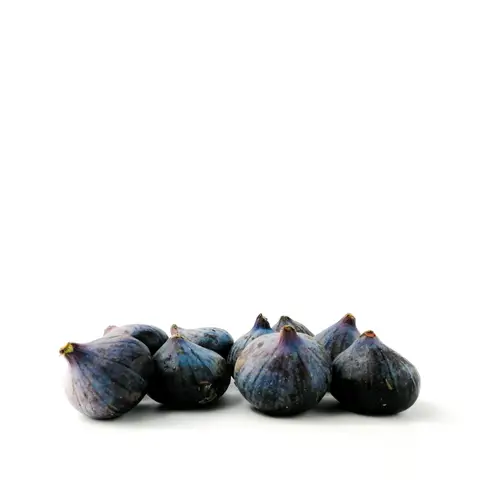
Fresh Solliès-Pont Figs from France
Provence’s Violet Treasure
PHP 990.00

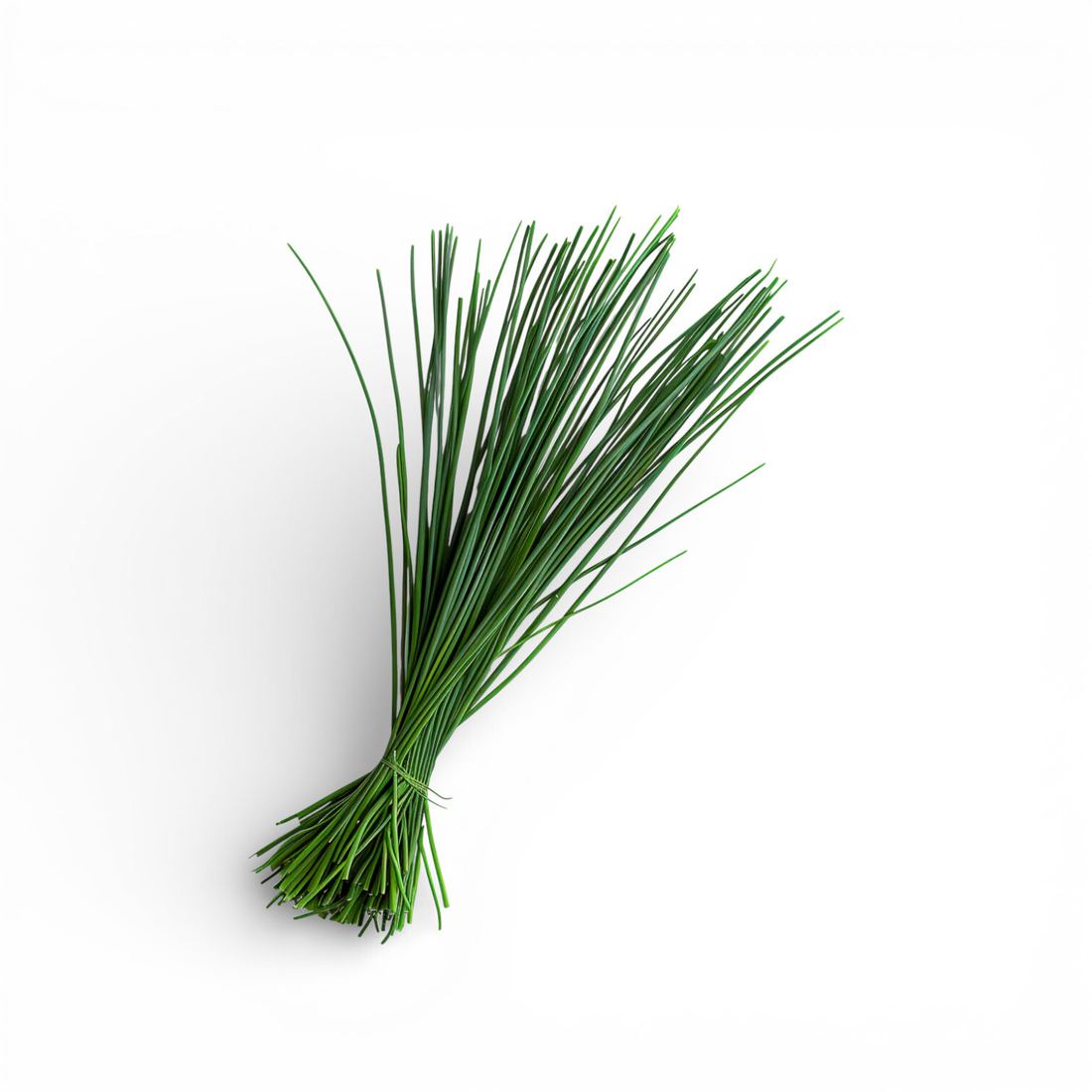
The quiet green whisper
Temporarily out of stock
Get an email when it’s available again.
Try these instead
Similar finds, available now.
Slender, bright, and impeccably fresh, chives are the most delicate voice in the allium family. They bring clarity rather than force—an herb that finishes rather than dominates, precise enough to sharpen a dish without leaving a trace of heaviness.
The quiet green whisper
Slender, bright, and impeccably fresh, chives are the most delicate voice in the allium family. They bring clarity rather than force—an herb that finishes rather than dominates, precise enough to sharpen a dish without leaving a trace of heaviness.
Temporarily out of stock
Get an email when it’s available again.
Try these instead
Similar finds, available now.
Fresh chives are often underestimated because they do not shout. They do not arrive with the sulfurous bravado of onion, the assertive pungency of garlic, or even the grassy bite of scallion. Instead, they offer something rarer in cooking: restraint. When you cut into a bunch of fresh chives, the knife releases a clean, green perfume—cool, faintly oniony, almost cucumber-like in its freshness. There is no aggression here, only invitation.
On the palate, chives deliver a gentle allium sweetness that blooms briefly and then recedes. The flavor is linear and elegant, like a single clear note held just long enough to be remembered. Their texture, when freshly cut, is crisp and juicy, with a faint snap that disappears as soon as it meets warmth or fat. Heat softens them instantly, which is why chives are not cooked so much as introduced—sprinkled, folded, whispered into a dish at the very end.
What distinguishes truly fresh chives is their vitality. The stems should be taut, deeply green, and fragrant when cut. Limp chives tell a story of time passed; fresh chives tell a story of immediacy. Their fragility is part of their charm. They demand attention and respect: a sharp knife, a light hand, and a sense of timing. Cut too early, they dull. Overhandle them, they bruise. Use them correctly, and they bring coherence to a plate, stitching flavors together like fine thread.
Chives also possess a subtle sweetness that emerges when paired with fat—cream, butter, egg yolk. This sweetness is never cloying; it is structural. It lifts richness, giving it shape and definition. In this way, chives function less like a garnish and more like punctuation. They tell the palate where to pause, where to breathe.
Chives excel where precision matters. They are not decorative excess; they are culinary grammar.
Always add chives at the end. Heat is not their enemy, but timing is everything.
Long before chives became a chef’s finishing touch, they lived quietly in monastery and kitchen gardens across Europe. Medieval records mention chives not as luxury, but as necessity—an herb that survived cold climates, returned year after year, and offered flavor when other plants lay dormant. Their resilience made them invaluable, especially in northern regions where fresh greens were scarce.
Botanically, chives belong to the allium family, yet they represent its most refined expression. Unlike onions or garlic, chives were prized less for sustenance and more for enhancement. They were grown close to kitchens, clipped regularly, and used fresh—an early example of “just-in-time” cooking long before the term existed.
In French cuisine, chives earned their place among the fines herbes, alongside parsley, tarragon, and chervil. This group is defined not by strength but by subtlety. The idea was simple but profound: certain herbs exist not to transform a dish, but to clarify it. Chives became the emblem of this philosophy. They were not rustic, not peasant, not flamboyant. They were precise.
Today, in professional kitchens, chives remain a test of discipline. Their use signals restraint and confidence. A plate finished with chives suggests that the cook trusts the main ingredient enough to step back. There is a kind of humility in that—a recognition that good food does not always need more, just better.
Fresh chives are delicate and require gentle care.
Chives are at their best when treated as perishable greens, not as hardy herbs.
Fresh chives are often underestimated because they do not shout. They do not arrive with the sulfurous bravado of onion, the assertive pungency of garlic, or even the grassy bite of scallion. Instead, they offer something rarer in cooking: restraint. When you cut into a bunch of fresh chives, the knife releases a clean, green perfume—cool, faintly oniony, almost cucumber-like in its freshness. There is no aggression here, only invitation.
On the palate, chives deliver a gentle allium sweetness that blooms briefly and then recedes. The flavor is linear and elegant, like a single clear note held just long enough to be remembered. Their texture, when freshly cut, is crisp and juicy, with a faint snap that disappears as soon as it meets warmth or fat. Heat softens them instantly, which is why chives are not cooked so much as introduced—sprinkled, folded, whispered into a dish at the very end.
What distinguishes truly fresh chives is their vitality. The stems should be taut, deeply green, and fragrant when cut. Limp chives tell a story of time passed; fresh chives tell a story of immediacy. Their fragility is part of their charm. They demand attention and respect: a sharp knife, a light hand, and a sense of timing. Cut too early, they dull. Overhandle them, they bruise. Use them correctly, and they bring coherence to a plate, stitching flavors together like fine thread.
Chives also possess a subtle sweetness that emerges when paired with fat—cream, butter, egg yolk. This sweetness is never cloying; it is structural. It lifts richness, giving it shape and definition. In this way, chives function less like a garnish and more like punctuation. They tell the palate where to pause, where to breathe.
Chives excel where precision matters. They are not decorative excess; they are culinary grammar.
Always add chives at the end. Heat is not their enemy, but timing is everything.
Long before chives became a chef’s finishing touch, they lived quietly in monastery and kitchen gardens across Europe. Medieval records mention chives not as luxury, but as necessity—an herb that survived cold climates, returned year after year, and offered flavor when other plants lay dormant. Their resilience made them invaluable, especially in northern regions where fresh greens were scarce.
Botanically, chives belong to the allium family, yet they represent its most refined expression. Unlike onions or garlic, chives were prized less for sustenance and more for enhancement. They were grown close to kitchens, clipped regularly, and used fresh—an early example of “just-in-time” cooking long before the term existed.
In French cuisine, chives earned their place among the fines herbes, alongside parsley, tarragon, and chervil. This group is defined not by strength but by subtlety. The idea was simple but profound: certain herbs exist not to transform a dish, but to clarify it. Chives became the emblem of this philosophy. They were not rustic, not peasant, not flamboyant. They were precise.
Today, in professional kitchens, chives remain a test of discipline. Their use signals restraint and confidence. A plate finished with chives suggests that the cook trusts the main ingredient enough to step back. There is a kind of humility in that—a recognition that good food does not always need more, just better.
Fresh chives are delicate and require gentle care.
Chives are at their best when treated as perishable greens, not as hardy herbs.
Curated Selection