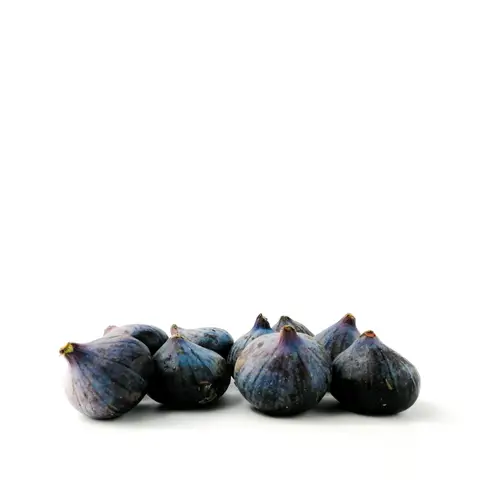
Fresh Solliès-Pont Figs from France
Provence’s Violet Treasure
PHP 990.00

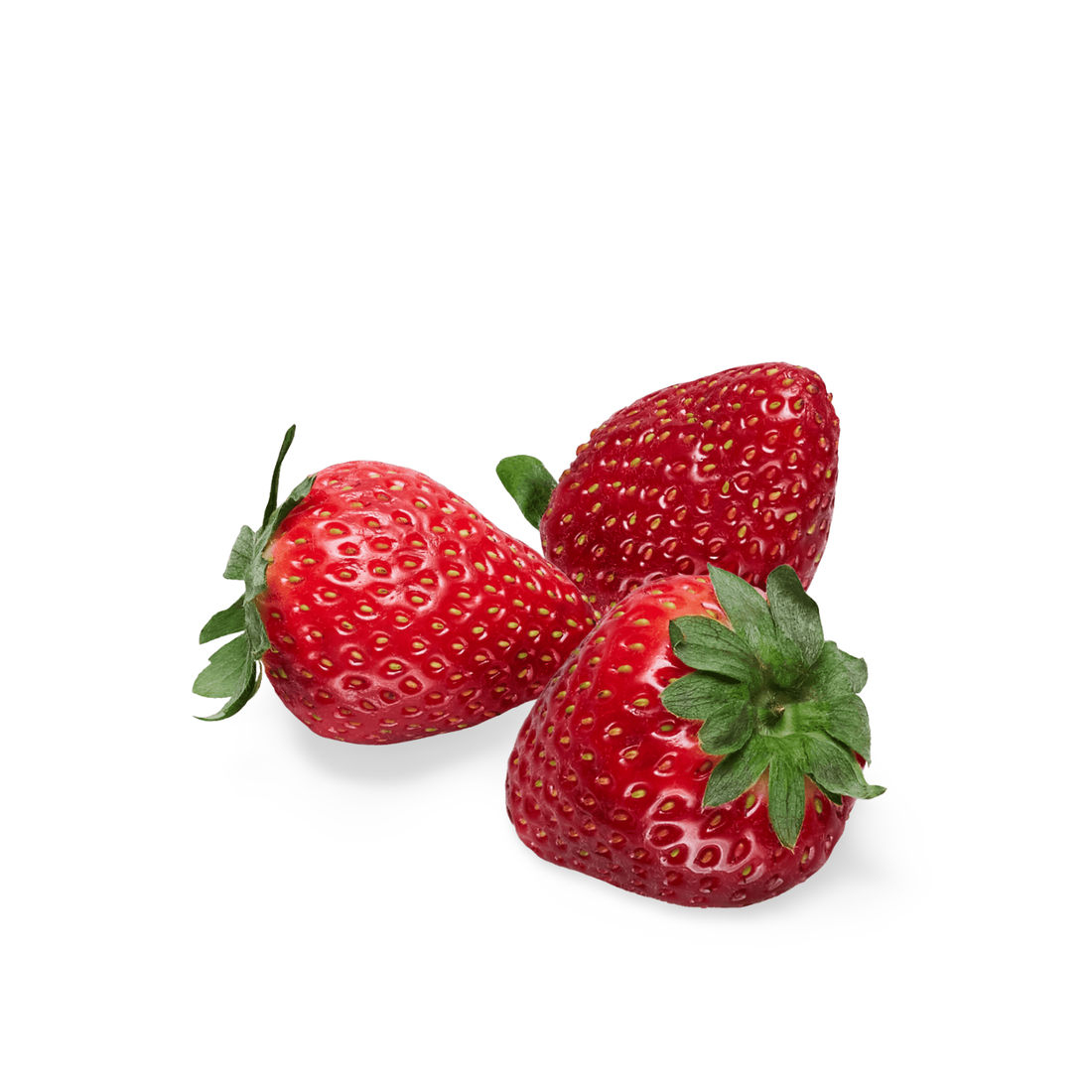
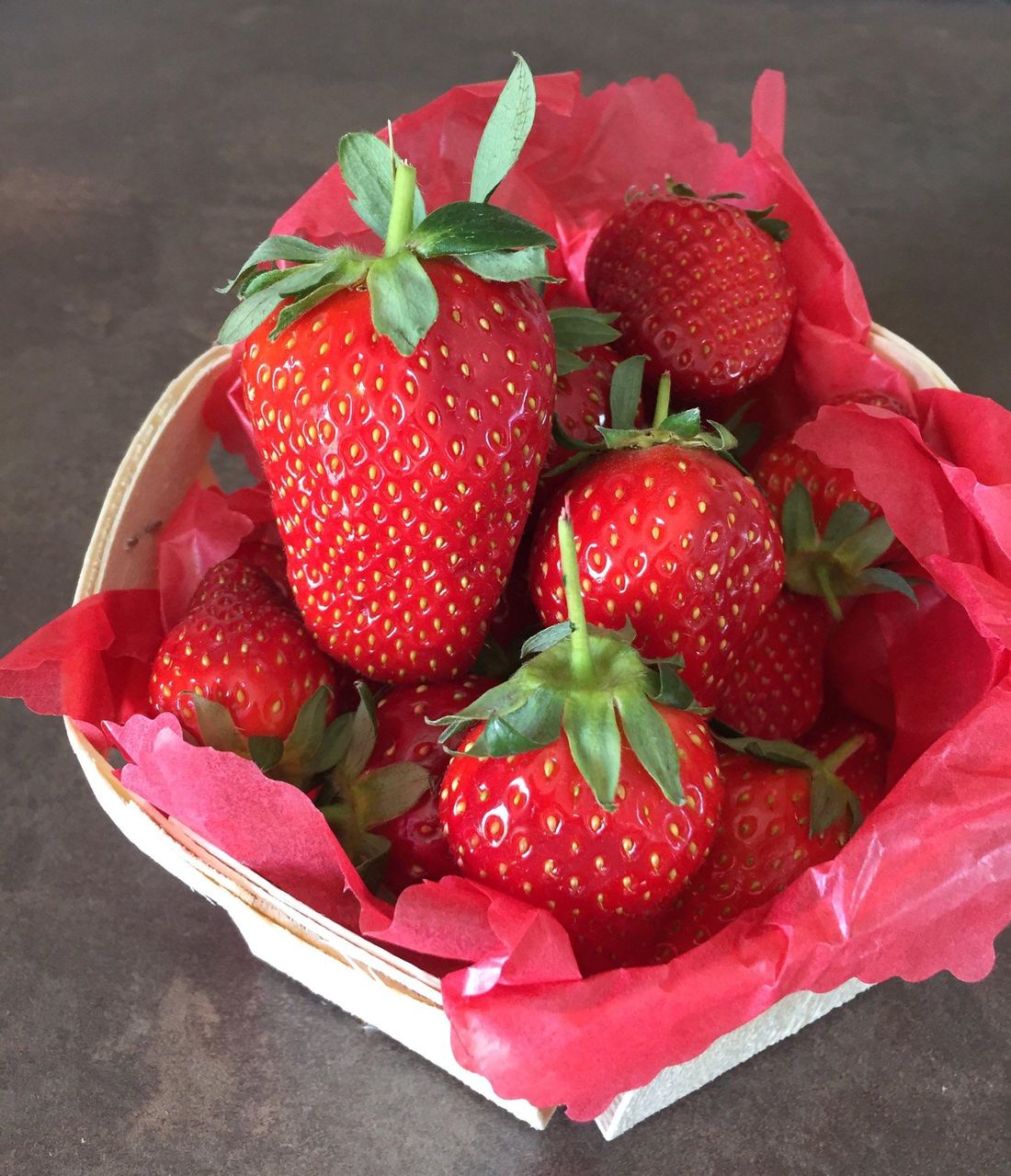
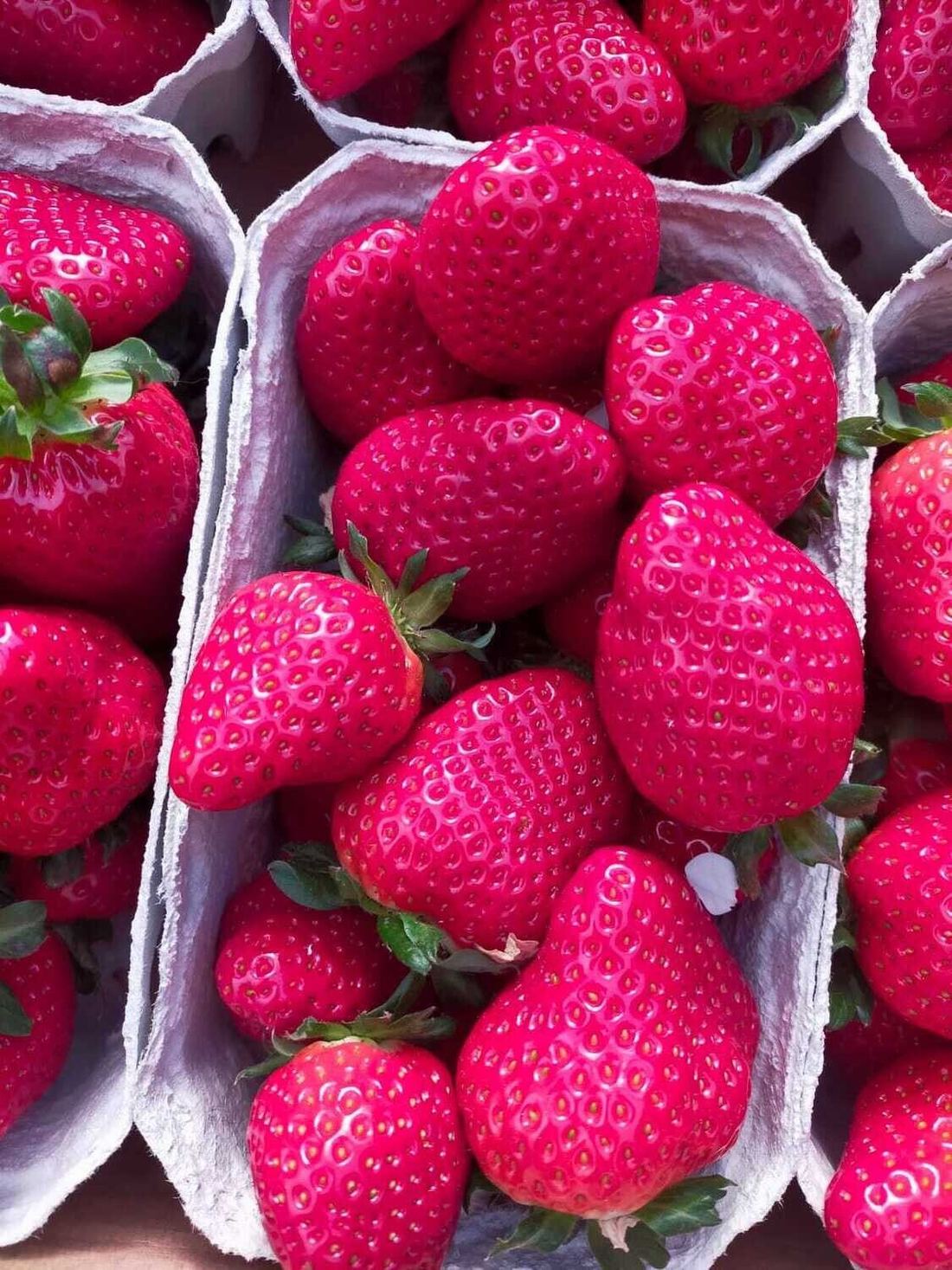
The strawberry of dreams
Temporarily out of stock
Get an email when it’s available again.
Try these instead
Similar finds, available now.
An expression of French terroir at its most fleeting, these strawberries offer intense perfume, natural sweetness, and a fragile, melt-in-the-mouth texture that defines true seasonal luxury.
The strawberry of dreams
An expression of French terroir at its most fleeting, these strawberries offer intense perfume, natural sweetness, and a fragile, melt-in-the-mouth texture that defines true seasonal luxury.
Temporarily out of stock
Get an email when it’s available again.
Try these instead
Similar finds, available now.
A real French strawberry does not announce itself with size or gloss, but with scent. Before you taste it, you smell it—an immediate bloom of wild red fruit, somewhere between crushed raspberry, rose petal, and warm jam just beginning to form. These Dream Strawberries belong to that lineage: varieties grown for flavor first, often Gariguette, Mara des Bois, or Charlotte, cultivated in regions where soil, light, and restraint matter more than yield.
On the palate, the experience is almost paradoxical. The flesh is delicate yet structured, dissolving quickly but not without resistance. The first impression is sweetness, but never flat—lifted by a precise acidity that feels like a line drawn through the fruit, giving it clarity. Then come layers: a faint herbal greenness near the stem, a floral echo in the mid-palate, and finally a lingering, almost nostalgic note of strawberry candy that tastes more real than the candy itself ever did.
Unlike industrial berries bred for transport, these are grown to be eaten close to harvest. That is their secret and their fragility. Their sugar is not merely accumulated; it is balanced with volatile aromatics that disappear with time. Each bite feels alive, like fruit caught at its exact moment of expression.
What makes them exceptional is not just their taste but their precision. They are the result of controlled yields, careful picking, and an understanding that strawberries are not a commodity but a seasonal event. You are not eating fruit—you are eating a moment.
Serve them at room temperature whenever possible. Cold dulls their aroma; warmth reveals their full spectrum.
In France, the strawberry is not just fruit—it is a seasonal marker, a cultural ritual, and in some regions, a point of quiet obsession. The arrival of the first Gariguettes in early spring is anticipated with a seriousness usually reserved for wine harvests. Markets shift. Chefs rewrite menus. Conversations change.
Part of this reverence comes from history. Strawberries as we know them are relatively recent, born from the crossing of American species in the 18th century. France quickly became one of the great centers of their refinement, selecting varieties not for durability but for flavor. This philosophy persists today, especially among small producers who prioritize taste over scale.
The Mara des Bois, for example, was developed to recreate the aroma of wild strawberries—the fraises des bois that once grew in forests and were prized for their intensity. It is smaller, softer, less uniform—and infinitely more expressive. These are the kinds of strawberries that inspire the idea of “dream” fruit: berries that taste almost exaggerated, as if memory itself had been distilled into them.
There is also a discipline to how they are grown. French producers often limit irrigation before harvest to concentrate sugars. They pick early in the morning, when the fruit is cool and firm, and handle each berry carefully to avoid bruising. These practices do not scale easily, which is why such strawberries remain rare outside their regions of origin.
To eat them is to participate in a tradition that values ephemerality. They are at their peak for a few weeks, sometimes only days. And then they are gone, replaced by other fruits, other seasons. This transience is part of their allure. You do not stockpile them. You anticipate them, savor them, and let them pass.
If possible, consume immediately. To store, transfer berries into a bigger container with a lid (avoid airtight containers to avoid moisture build-up), lined with paper towels to absorb moisture. Refrigerate, and consume within 4 to 7 days.
A real French strawberry does not announce itself with size or gloss, but with scent. Before you taste it, you smell it—an immediate bloom of wild red fruit, somewhere between crushed raspberry, rose petal, and warm jam just beginning to form. These Dream Strawberries belong to that lineage: varieties grown for flavor first, often Gariguette, Mara des Bois, or Charlotte, cultivated in regions where soil, light, and restraint matter more than yield.
On the palate, the experience is almost paradoxical. The flesh is delicate yet structured, dissolving quickly but not without resistance. The first impression is sweetness, but never flat—lifted by a precise acidity that feels like a line drawn through the fruit, giving it clarity. Then come layers: a faint herbal greenness near the stem, a floral echo in the mid-palate, and finally a lingering, almost nostalgic note of strawberry candy that tastes more real than the candy itself ever did.
Unlike industrial berries bred for transport, these are grown to be eaten close to harvest. That is their secret and their fragility. Their sugar is not merely accumulated; it is balanced with volatile aromatics that disappear with time. Each bite feels alive, like fruit caught at its exact moment of expression.
What makes them exceptional is not just their taste but their precision. They are the result of controlled yields, careful picking, and an understanding that strawberries are not a commodity but a seasonal event. You are not eating fruit—you are eating a moment.
Serve them at room temperature whenever possible. Cold dulls their aroma; warmth reveals their full spectrum.
In France, the strawberry is not just fruit—it is a seasonal marker, a cultural ritual, and in some regions, a point of quiet obsession. The arrival of the first Gariguettes in early spring is anticipated with a seriousness usually reserved for wine harvests. Markets shift. Chefs rewrite menus. Conversations change.
Part of this reverence comes from history. Strawberries as we know them are relatively recent, born from the crossing of American species in the 18th century. France quickly became one of the great centers of their refinement, selecting varieties not for durability but for flavor. This philosophy persists today, especially among small producers who prioritize taste over scale.
The Mara des Bois, for example, was developed to recreate the aroma of wild strawberries—the fraises des bois that once grew in forests and were prized for their intensity. It is smaller, softer, less uniform—and infinitely more expressive. These are the kinds of strawberries that inspire the idea of “dream” fruit: berries that taste almost exaggerated, as if memory itself had been distilled into them.
There is also a discipline to how they are grown. French producers often limit irrigation before harvest to concentrate sugars. They pick early in the morning, when the fruit is cool and firm, and handle each berry carefully to avoid bruising. These practices do not scale easily, which is why such strawberries remain rare outside their regions of origin.
To eat them is to participate in a tradition that values ephemerality. They are at their peak for a few weeks, sometimes only days. And then they are gone, replaced by other fruits, other seasons. This transience is part of their allure. You do not stockpile them. You anticipate them, savor them, and let them pass.
If possible, consume immediately. To store, transfer berries into a bigger container with a lid (avoid airtight containers to avoid moisture build-up), lined with paper towels to absorb moisture. Refrigerate, and consume within 4 to 7 days.
Curated Selection