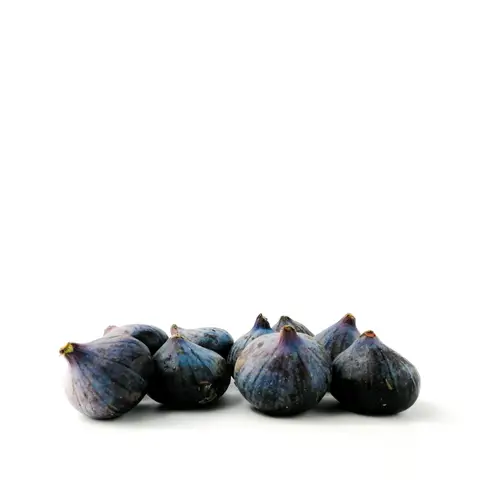
Fresh Solliès-Pont Figs from France
Provence’s Violet Treasure
PHP 980.00

Elegant, Honeyed European Fruit
Temporarily out of stock
Get an email when it’s available again.
Try these instead
Similar finds, available now.
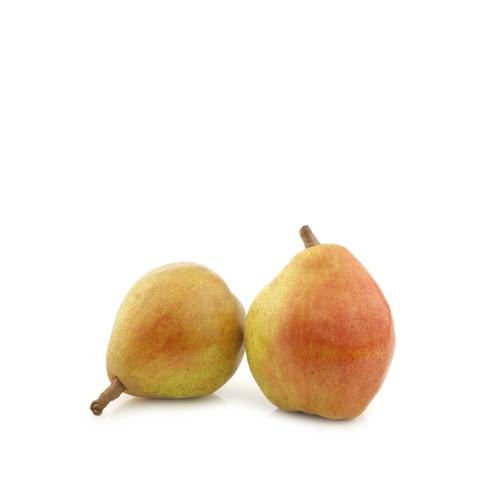
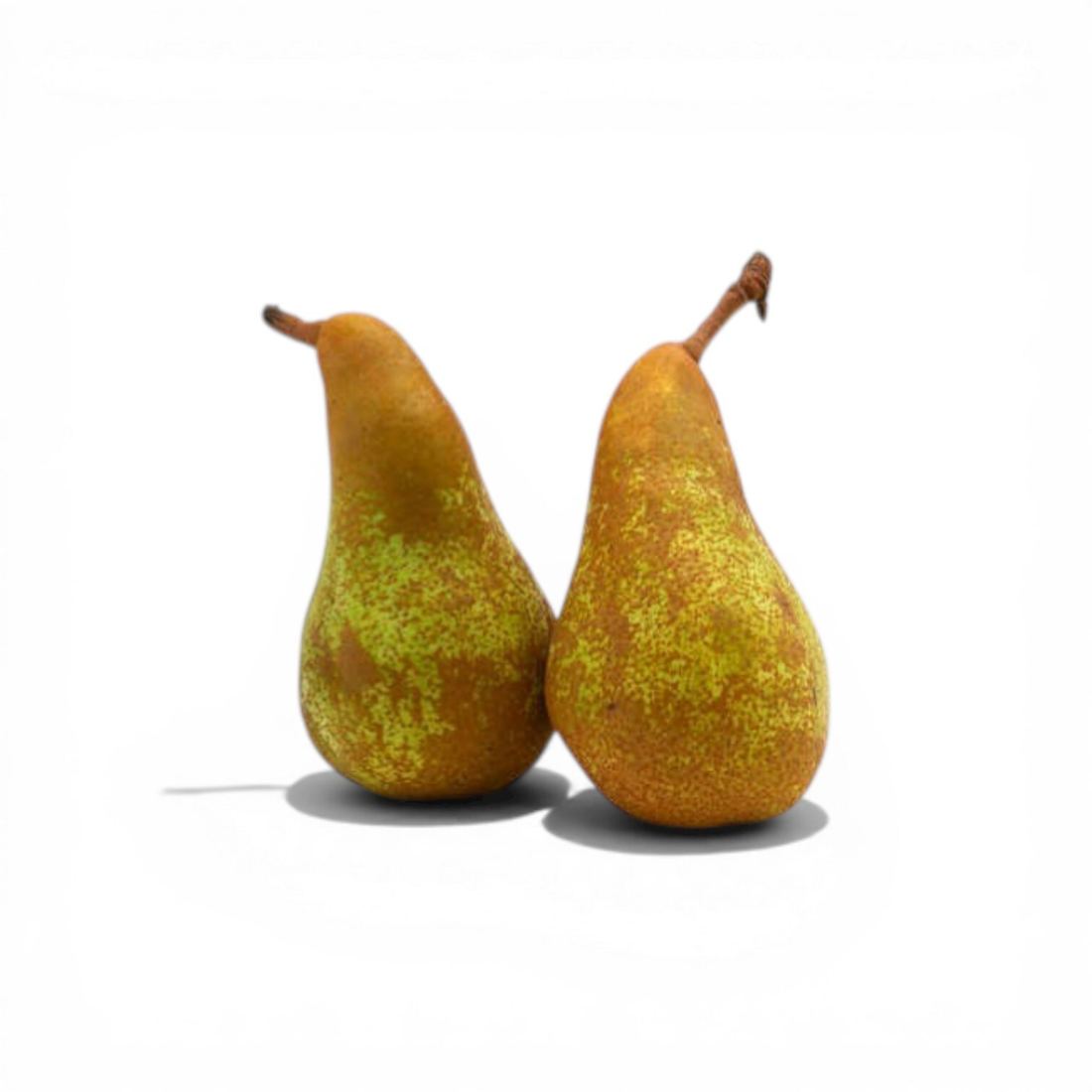
A classic European pear known for its elongated shape and refined sweetness, Conference pears offer a delicate balance of floral aroma, honeyed flesh, and gentle crispness—ideal for both everyday enjoyment and elevated culinary use.
Elegant, Honeyed European Fruit
A classic European pear known for its elongated shape and refined sweetness, Conference pears offer a delicate balance of floral aroma, honeyed flesh, and gentle crispness—ideal for both everyday enjoyment and elevated culinary use.
Temporarily out of stock
Get an email when it’s available again.
Try these instead
Similar finds, available now.
Conference pears are quietly luxurious. At first glance, their slightly russeted skin may seem modest, but beneath it lies a fruit that rewards patience and attention. When just ripe, the flesh is smooth and buttery, yielding effortlessly with a soft bite that feels almost melt-in-the-mouth.
The flavor leans toward a gentle honeyed sweetness rather than sharp sugariness. There is a subtle floral lift—reminiscent of white blossoms—paired with faint hints of vanilla and fresh hay. Unlike more aggressively juicy pear varieties, the Conference pear offers a more composed, almost refined texture, with a fine-grained flesh that feels silky rather than watery.
As it ripens further, its sweetness deepens and rounds out, developing a richer, almost caramel-like undertone while still retaining a light freshness. The skin, often slightly firm and mildly tannic, adds contrast and complexity, especially when eaten unpeeled.
It is this balance—between softness and structure, sweetness and restraint—that makes Conference pears particularly versatile. They are as comforting eaten fresh as they are elegant when gently poached, baked, or paired with savory elements.
Conference pears shine across both sweet and savory applications, making them a quiet powerhouse in the kitchen.
Cheese Pairing: Pair with blue cheese, Brie, or aged Comté—the pear’s sweetness softens bold, salty flavors beautifully. Simple Dessert: Slice and drizzle with honey, a squeeze of lemon, and crushed nuts for an effortless plated dessert. Poached Pears: Gently poach in white wine, vanilla, and spices for a refined, restaurant-style finish. Salads: Add thin slices to arugula salads with walnuts and vinaigrette for brightness and texture. Breakfast: Serve alongside yogurt, granola, or oatmeal for a naturally sweet start to the day.
They also work beautifully in tarts, galettes, or even lightly grilled for a caramelized edge.
The Conference pear traces its origins to England in the late 19th century, first introduced during the National British Pear Conference—hence its name. Over time, it became one of Europe’s most beloved pear varieties, particularly in countries like the Netherlands and Belgium where it thrives.
What makes it enduring is not flashiness, but reliability and elegance. It ripens well off the tree, travels gracefully, and consistently delivers a balanced flavor profile. In many European households, it is the everyday pear—but one that quietly carries a sense of tradition and refinement.
There is something almost poetic about it: a fruit that doesn’t demand attention, yet rewards those who notice. It is a reminder that luxury, sometimes, is found in restraint rather than excess.
Store at room temperature to ripen. Once ripe, refrigerate to slow down further softening. Best consumed within a few days of peak ripeness.
Conference pears are quietly luxurious. At first glance, their slightly russeted skin may seem modest, but beneath it lies a fruit that rewards patience and attention. When just ripe, the flesh is smooth and buttery, yielding effortlessly with a soft bite that feels almost melt-in-the-mouth.
The flavor leans toward a gentle honeyed sweetness rather than sharp sugariness. There is a subtle floral lift—reminiscent of white blossoms—paired with faint hints of vanilla and fresh hay. Unlike more aggressively juicy pear varieties, the Conference pear offers a more composed, almost refined texture, with a fine-grained flesh that feels silky rather than watery.
As it ripens further, its sweetness deepens and rounds out, developing a richer, almost caramel-like undertone while still retaining a light freshness. The skin, often slightly firm and mildly tannic, adds contrast and complexity, especially when eaten unpeeled.
It is this balance—between softness and structure, sweetness and restraint—that makes Conference pears particularly versatile. They are as comforting eaten fresh as they are elegant when gently poached, baked, or paired with savory elements.
Conference pears shine across both sweet and savory applications, making them a quiet powerhouse in the kitchen.
Cheese Pairing: Pair with blue cheese, Brie, or aged Comté—the pear’s sweetness softens bold, salty flavors beautifully. Simple Dessert: Slice and drizzle with honey, a squeeze of lemon, and crushed nuts for an effortless plated dessert. Poached Pears: Gently poach in white wine, vanilla, and spices for a refined, restaurant-style finish. Salads: Add thin slices to arugula salads with walnuts and vinaigrette for brightness and texture. Breakfast: Serve alongside yogurt, granola, or oatmeal for a naturally sweet start to the day.
They also work beautifully in tarts, galettes, or even lightly grilled for a caramelized edge.
The Conference pear traces its origins to England in the late 19th century, first introduced during the National British Pear Conference—hence its name. Over time, it became one of Europe’s most beloved pear varieties, particularly in countries like the Netherlands and Belgium where it thrives.
What makes it enduring is not flashiness, but reliability and elegance. It ripens well off the tree, travels gracefully, and consistently delivers a balanced flavor profile. In many European households, it is the everyday pear—but one that quietly carries a sense of tradition and refinement.
There is something almost poetic about it: a fruit that doesn’t demand attention, yet rewards those who notice. It is a reminder that luxury, sometimes, is found in restraint rather than excess.
Store at room temperature to ripen. Once ripe, refrigerate to slow down further softening. Best consumed within a few days of peak ripeness.
Curated Selection