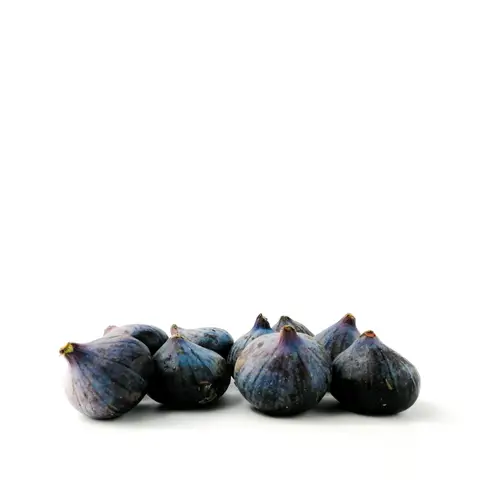
Fresh Solliès-Pont Figs from France
Provence’s Violet Treasure
PHP 990.00

Tropical Starfruit Brightness
Temporarily out of stock
Get an email when it’s available again.
Try these instead
Similar finds, available now.
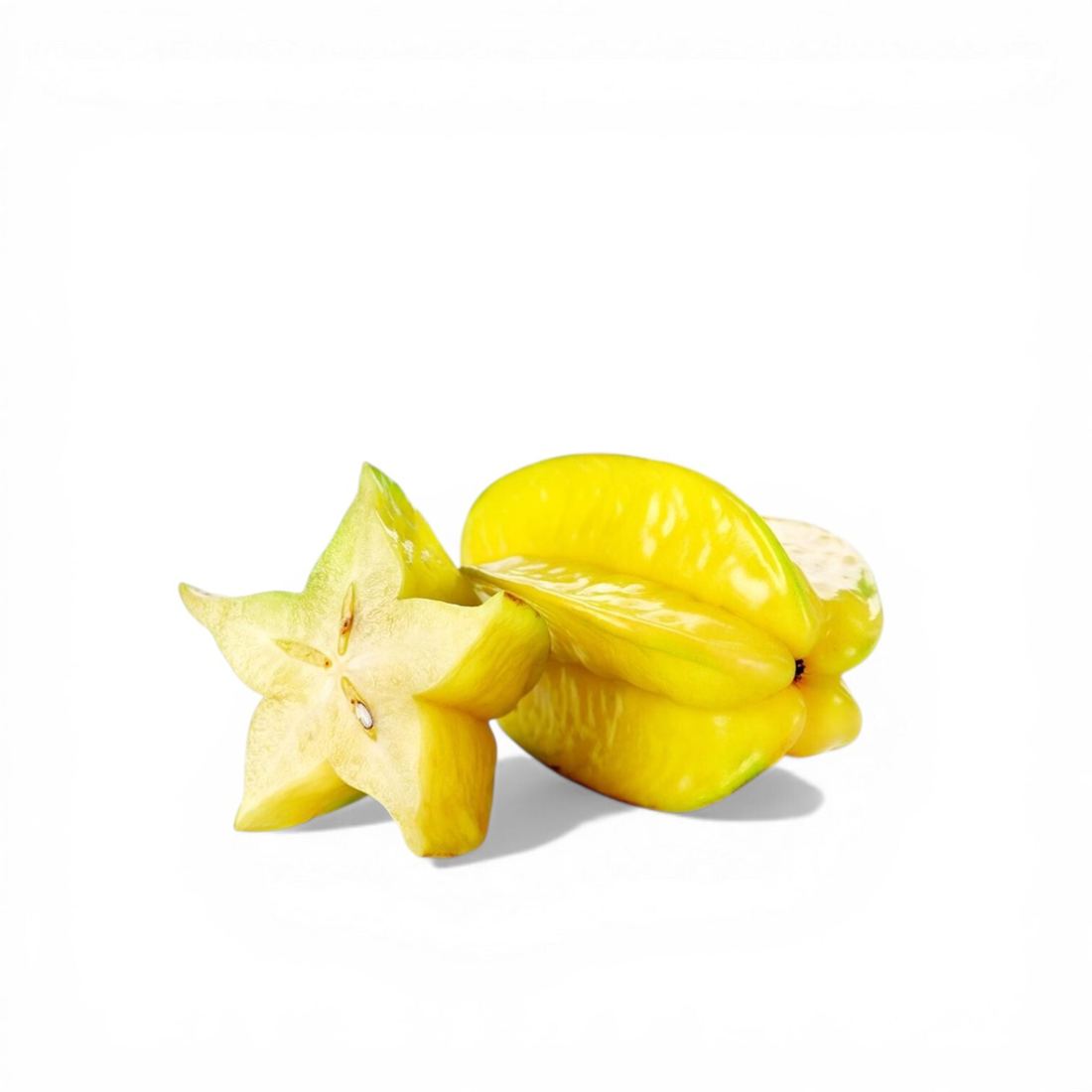
A striking tropical fruit known for its star-shaped slices, Mexican carambola offers a refreshing balance of sweetness and gentle acidity, perfect for both culinary and visual appeal.
Tropical Starfruit Brightness
A striking tropical fruit known for its star-shaped slices, Mexican carambola offers a refreshing balance of sweetness and gentle acidity, perfect for both culinary and visual appeal.
Temporarily out of stock
Get an email when it’s available again.
Try these instead
Similar finds, available now.
Carambola, often called starfruit, carries a delicate yet refreshing profile that feels almost weightless on the palate. At first bite, it offers a crisp snap—similar to a firm grape or apple—followed by a clean, juicy burst that leans into gentle citrus tones. The sweetness is subtle and refined rather than sugary, making it incredibly versatile across both sweet and savory applications.
What makes Mexican carambola particularly appealing is its balance. There is a mild tartness that lingers just enough to keep each bite refreshing, with faint notes reminiscent of green apple, pear, and a whisper of citrus zest. When fully ripe, the fruit develops a honeyed softness along its ridges, while still maintaining its refreshing core.
Its texture is smooth and almost translucent, with very little fiber, allowing it to melt effortlessly in the mouth. The skin is edible, adding a slight crispness that enhances the overall experience. It’s not an overpowering fruit—it’s elegant, cooling, and quietly expressive, making it ideal for layering flavors rather than dominating them.
Carambola’s beauty lies in both its flavor and its form—it’s as much a visual ingredient as it is a culinary one.
Fresh & Simple: Slice crosswise to reveal its signature star shape and serve chilled as a refreshing snack or palate cleanser. Salads: Pair with arugula, soft cheeses, and citrus vinaigrettes for a bright, tropical lift. Seafood Pairing: Works beautifully alongside grilled fish or ceviche, where its acidity enhances freshness without overpowering. Desserts: Use as a garnish for panna cotta, pavlova, or fruit tarts—its subtle sweetness complements rather than competes. Beverages: Add to iced teas, cocktails, or sparkling water for a delicate infusion and visual elegance.
For a simple dish, layer sliced carambola with fresh mango and a squeeze of calamansi, finished with a touch of honey and mint. It’s effortless, vibrant, and deeply refreshing.
Carambola’s iconic shape is not a culinary invention—it is nature’s quiet flourish. Native to Southeast Asia but now cultivated in tropical regions like Mexico, the fruit has traveled across continents, carrying with it both cultural familiarity and exotic intrigue. Its star-shaped slices have made it a symbol of celebration, often used in festive platters and decorative dishes.
In many cuisines, carambola is valued not for intensity, but for balance. It plays a supporting role—enhancing, brightening, and refining the flavors around it. There’s something poetic in that restraint. It reminds us that not all ingredients need to be bold to be memorable. Sometimes, elegance lies in subtlety—in the way a fruit can refresh the palate, catch the light, and quietly elevate a dish into something more thoughtful, more complete.
Store in the refrigerator to maintain freshness. Best consumed within a few days of ripening. Avoid stacking heavy items on top to preserve its shape and texture.
Carambola, often called starfruit, carries a delicate yet refreshing profile that feels almost weightless on the palate. At first bite, it offers a crisp snap—similar to a firm grape or apple—followed by a clean, juicy burst that leans into gentle citrus tones. The sweetness is subtle and refined rather than sugary, making it incredibly versatile across both sweet and savory applications.
What makes Mexican carambola particularly appealing is its balance. There is a mild tartness that lingers just enough to keep each bite refreshing, with faint notes reminiscent of green apple, pear, and a whisper of citrus zest. When fully ripe, the fruit develops a honeyed softness along its ridges, while still maintaining its refreshing core.
Its texture is smooth and almost translucent, with very little fiber, allowing it to melt effortlessly in the mouth. The skin is edible, adding a slight crispness that enhances the overall experience. It’s not an overpowering fruit—it’s elegant, cooling, and quietly expressive, making it ideal for layering flavors rather than dominating them.
Carambola’s beauty lies in both its flavor and its form—it’s as much a visual ingredient as it is a culinary one.
Fresh & Simple: Slice crosswise to reveal its signature star shape and serve chilled as a refreshing snack or palate cleanser. Salads: Pair with arugula, soft cheeses, and citrus vinaigrettes for a bright, tropical lift. Seafood Pairing: Works beautifully alongside grilled fish or ceviche, where its acidity enhances freshness without overpowering. Desserts: Use as a garnish for panna cotta, pavlova, or fruit tarts—its subtle sweetness complements rather than competes. Beverages: Add to iced teas, cocktails, or sparkling water for a delicate infusion and visual elegance.
For a simple dish, layer sliced carambola with fresh mango and a squeeze of calamansi, finished with a touch of honey and mint. It’s effortless, vibrant, and deeply refreshing.
Carambola’s iconic shape is not a culinary invention—it is nature’s quiet flourish. Native to Southeast Asia but now cultivated in tropical regions like Mexico, the fruit has traveled across continents, carrying with it both cultural familiarity and exotic intrigue. Its star-shaped slices have made it a symbol of celebration, often used in festive platters and decorative dishes.
In many cuisines, carambola is valued not for intensity, but for balance. It plays a supporting role—enhancing, brightening, and refining the flavors around it. There’s something poetic in that restraint. It reminds us that not all ingredients need to be bold to be memorable. Sometimes, elegance lies in subtlety—in the way a fruit can refresh the palate, catch the light, and quietly elevate a dish into something more thoughtful, more complete.
Store in the refrigerator to maintain freshness. Best consumed within a few days of ripening. Avoid stacking heavy items on top to preserve its shape and texture.
Curated Selection