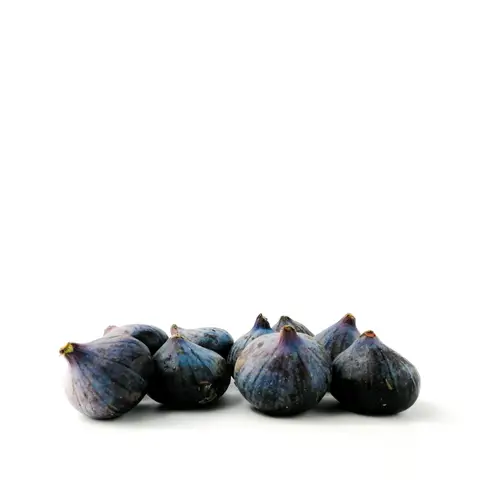
Fresh Solliès-Pont Figs from France
Provence’s Violet Treasure
PHP 990.00

Bitter-crisp Italian chicory
Temporarily out of stock
Get an email when it’s available again.
Try these instead
Similar finds, available now.
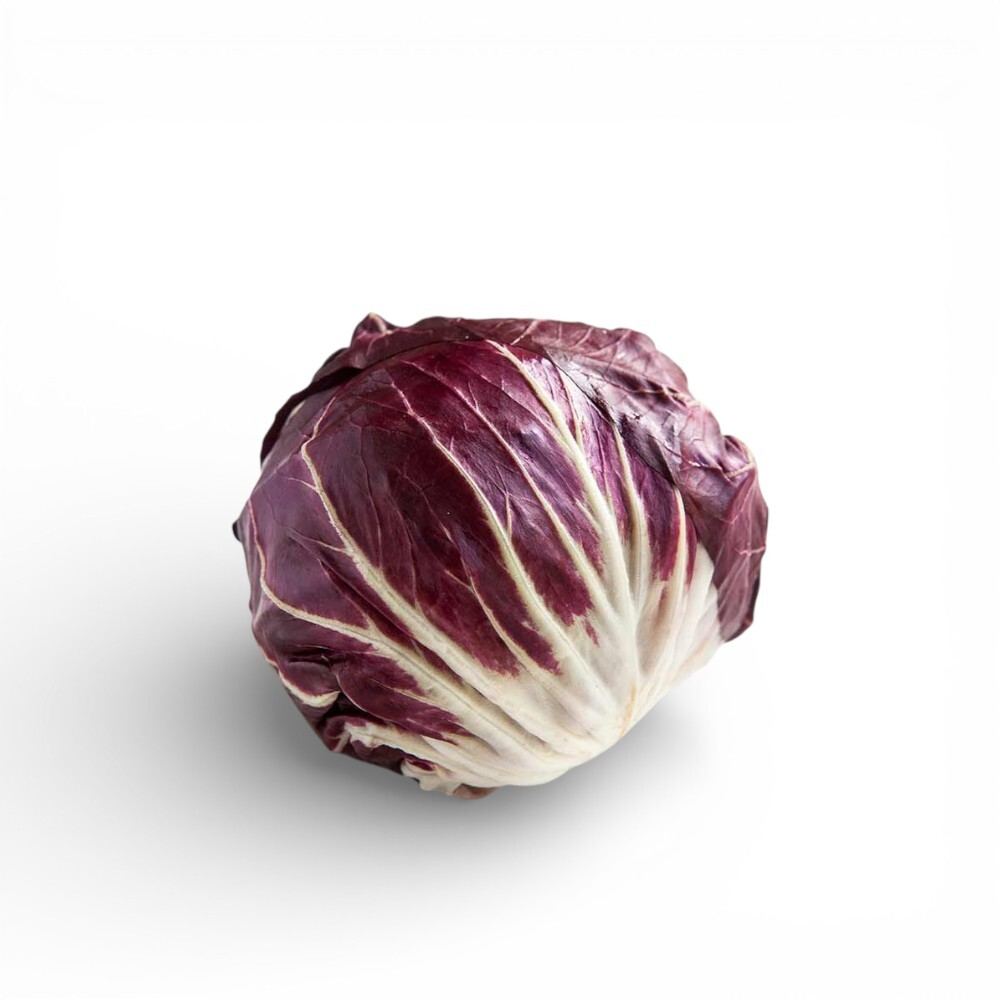
Radicchio is Italy’s famously gorgeous “bitter leaf”—crisp, peppery, and white-veined like it’s wearing a tux. Raw, it adds bite and color; cooked, it turns mellow and almost nutty.
Bitter-crisp Italian chicory
Radicchio is Italy’s famously gorgeous “bitter leaf”—crisp, peppery, and white-veined like it’s wearing a tux. Raw, it adds bite and color; cooked, it turns mellow and almost nutty.
Temporarily out of stock
Get an email when it’s available again.
Try these instead
Similar finds, available now.
Radicchio is not here to be polite—it’s here to make your food interesting. Expect a clean, assertive bitterness with a refreshing crunch, the kind that wakes up rich things like cheese, butter, and olive oil. In a salad, it’s sharp and bright, adding a chic snap that plays beautifully with citrus or anything sweet-leaning. When you grill, roast, or braise it, the edges caramelize and the bitterness softens into something rounder, warmer, and faintly nutty—still bold, just better behaved.
Most radicchio you’ll commonly see is the Chioggia style: a compact, cabbage-like head with crunchy leaves and integrated white veins—excellent raw, and ridiculously good on the grill.
If radicchio had a love language, it would be “pair me with something creamy or sweet.” Try it with:
Citrus + honey: orange segments, a drizzle of honey, olive oil, sea salt (bitterness instantly becomes elegant).
Cheese moments: burrata, ricotta, gorgonzola, taleggio—radicchio’s bite is basically their best friend.
Nuts + crunch: walnuts or hazelnuts, plus a bright vinaigrette.
Quick “tame the bitter” tip: soak leaves in ice water for a few minutes, then spin dry before using raw.
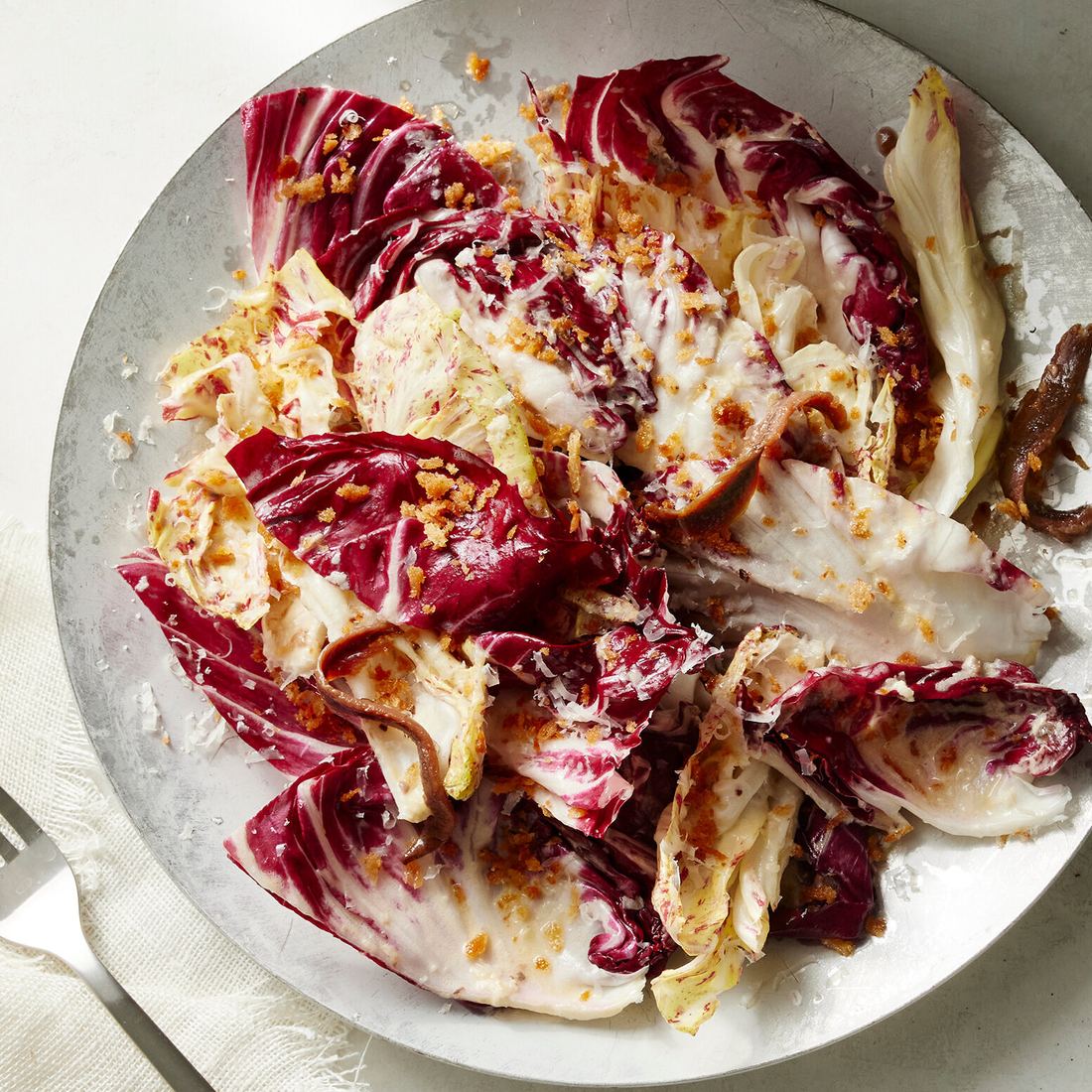
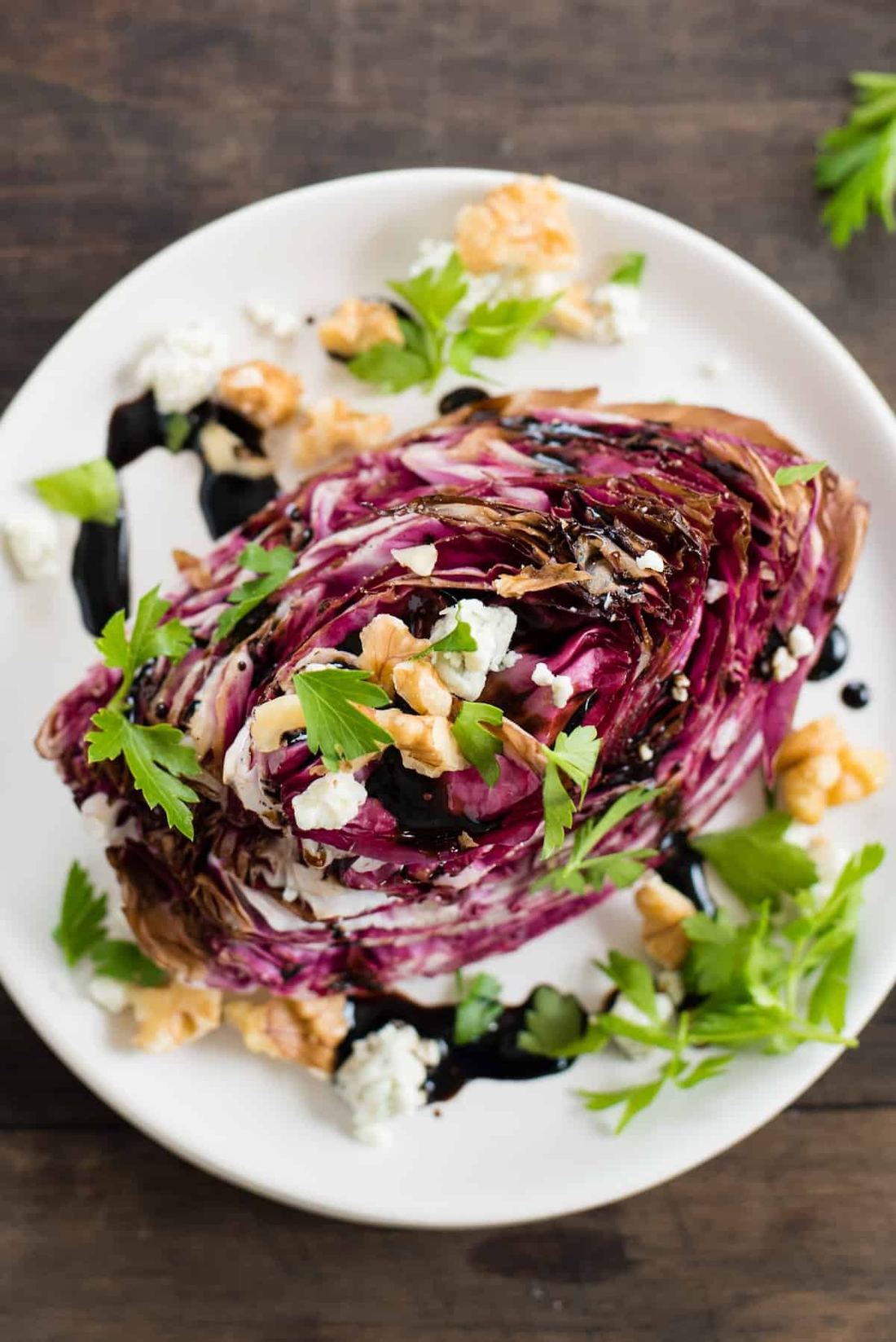
Simple show-off side (10 minutes): quarter the head, brush with olive oil, grill or pan-sear until charred, then finish with balsamic, flaky salt, and shaved parmesan. Cooking mellows the bitterness and brings out a deeper, almost sweet nuttiness.
In Italian kitchens, radicchio is a quiet flex: it makes a table look festive even when dinner is simple. Its signature red hue comes from pigments called anthocyanins—one reason radicchio is often talked about as an antioxidant-rich vegetable. But honestly? The real magic is culinary: bitterness is a seasoning. It’s what makes sweet taste sweeter, creamy taste cleaner, and rich taste less heavy. Radicchio doesn’t just sit in your dish—it edits it, like a good curator should.
Keep radicchio in the refrigerator crisper, ideally wrapped loosely (paper towel helps manage moisture). Store it away from ethylene-producing produce (like apples, pears, tomatoes, avocados, peppers) to reduce spotting and faster spoilage. Properly stored, it can stay fresh about 1–2 weeks depending on condition and fridge humidity.
Radicchio is not here to be polite—it’s here to make your food interesting. Expect a clean, assertive bitterness with a refreshing crunch, the kind that wakes up rich things like cheese, butter, and olive oil. In a salad, it’s sharp and bright, adding a chic snap that plays beautifully with citrus or anything sweet-leaning. When you grill, roast, or braise it, the edges caramelize and the bitterness softens into something rounder, warmer, and faintly nutty—still bold, just better behaved.
Most radicchio you’ll commonly see is the Chioggia style: a compact, cabbage-like head with crunchy leaves and integrated white veins—excellent raw, and ridiculously good on the grill.
If radicchio had a love language, it would be “pair me with something creamy or sweet.” Try it with:
Citrus + honey: orange segments, a drizzle of honey, olive oil, sea salt (bitterness instantly becomes elegant).
Cheese moments: burrata, ricotta, gorgonzola, taleggio—radicchio’s bite is basically their best friend.
Nuts + crunch: walnuts or hazelnuts, plus a bright vinaigrette.
Quick “tame the bitter” tip: soak leaves in ice water for a few minutes, then spin dry before using raw.
Simple show-off side (10 minutes): quarter the head, brush with olive oil, grill or pan-sear until charred, then finish with balsamic, flaky salt, and shaved parmesan. Cooking mellows the bitterness and brings out a deeper, almost sweet nuttiness.
In Italian kitchens, radicchio is a quiet flex: it makes a table look festive even when dinner is simple. Its signature red hue comes from pigments called anthocyanins—one reason radicchio is often talked about as an antioxidant-rich vegetable. But honestly? The real magic is culinary: bitterness is a seasoning. It’s what makes sweet taste sweeter, creamy taste cleaner, and rich taste less heavy. Radicchio doesn’t just sit in your dish—it edits it, like a good curator should.
Keep radicchio in the refrigerator crisper, ideally wrapped loosely (paper towel helps manage moisture). Store it away from ethylene-producing produce (like apples, pears, tomatoes, avocados, peppers) to reduce spotting and faster spoilage. Properly stored, it can stay fresh about 1–2 weeks depending on condition and fridge humidity.
Curated Selection