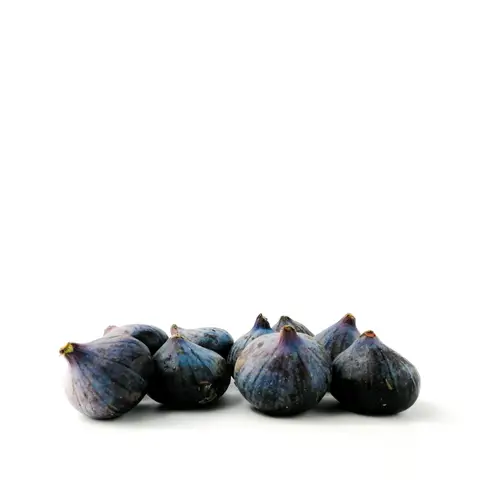
Fresh Solliès-Pont Figs from France
Provence’s Violet Treasure
PHP 990.00

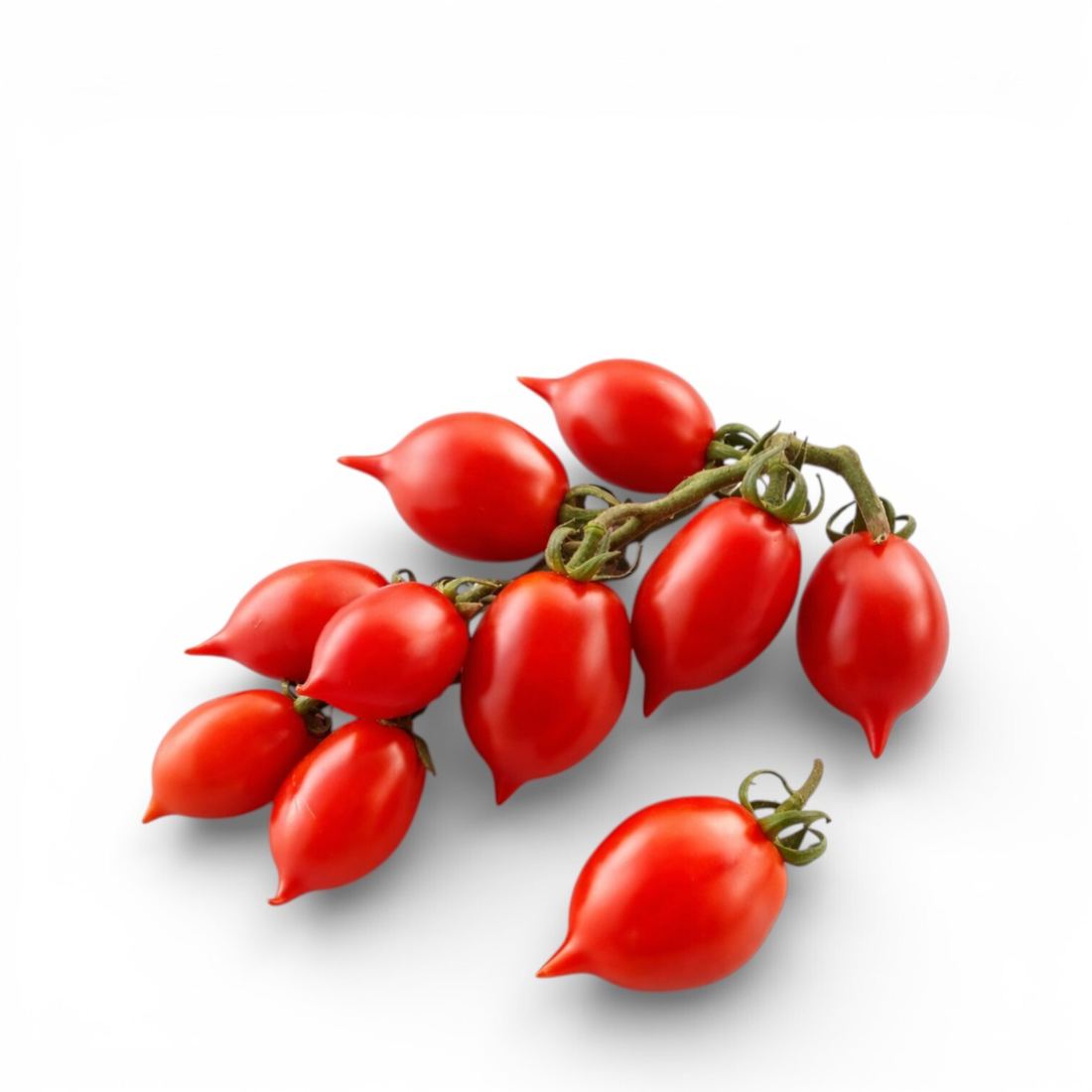
Volcanic Sweet Italian Tomatoes
Temporarily out of stock
Get an email when it’s available again.
Try these instead
Similar finds, available now.
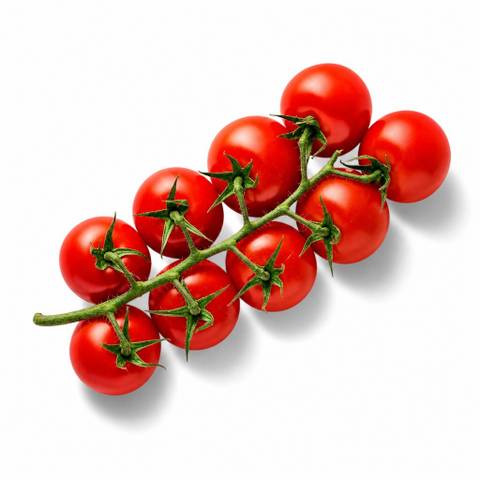
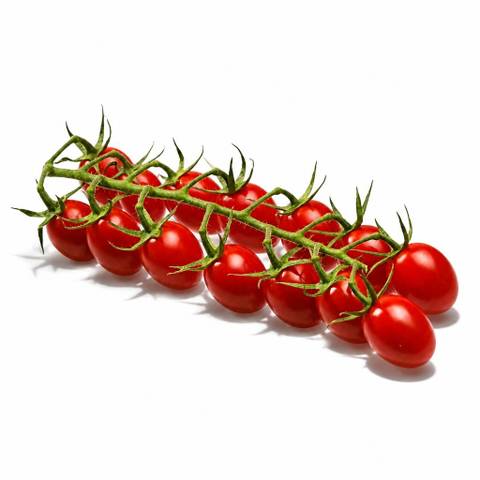
Pomodorino del Piennolo del Vesuvio is a prized Italian tomato grown on the volcanic slopes of Mount Vesuvius. Naturally sweet with bright acidity and remarkable longevity, these small tomatoes are traditionally tied into hanging clusters and treasured in Neapolitan cuisine.
Volcanic Sweet Italian Tomatoes
Pomodorino del Piennolo del Vesuvio is a prized Italian tomato grown on the volcanic slopes of Mount Vesuvius. Naturally sweet with bright acidity and remarkable longevity, these small tomatoes are traditionally tied into hanging clusters and treasured in Neapolitan cuisine.
Temporarily out of stock
Get an email when it’s available again.
Try these instead
Similar finds, available now.
Piennolo tomatoes are among Italy’s most distinctive cherry tomato varieties, celebrated for their concentrated flavor and natural balance between sweetness and acidity. Grown in the mineral-rich volcanic soils around Mount Vesuvius, these tomatoes develop a depth that is both vibrant and complex.
Their skin is slightly thicker than typical cherry tomatoes, a natural adaptation that allows them to be preserved in hanging clusters called piennolo for months after harvest. Beneath that skin lies firm flesh and very little water, which means the flavor remains beautifully concentrated.
On the palate, they begin with a bright burst of sweetness reminiscent of ripe summer tomatoes, quickly followed by a gentle acidity that refreshes rather than sharpens. There is a subtle mineral note—almost saline—that speaks of the volcanic soil where they are grown. When cooked, the tomatoes soften while maintaining their structure, releasing a rich, naturally sweet tomato essence that forms the backbone of many classic Neapolitan sauces.
Whether eaten fresh or gently simmered, Piennolo tomatoes carry a flavor that feels both rustic and refined—sun-ripened, vibrant, and unmistakably Italian.
These tomatoes shine when prepared simply, allowing their natural sweetness and volcanic character to take center stage.
Classic Spaghetti al Piennolo
Sauté garlic in olive oil.
Add lightly crushed Piennolo tomatoes.
Simmer briefly until they release their juices.
Finish with fresh basil and Parmigiano Reggiano.
Other serving ideas:
Caprese Variation: Pair with buffalo mozzarella and basil.
Pizza Topping: Perfect for Neapolitan-style pizza due to their concentrated flavor.
Roasted Tomatoes: Roast with olive oil, thyme, and sea salt for a deeply caramelized side dish.
Seafood Dishes: Excellent with clams, mussels, or grilled fish.
Their naturally balanced acidity makes them ideal for quick sauces and rustic Italian cooking.
Few tomatoes carry a sense of place quite like the Pomodorino del Piennolo del Vesuvio. Cultivated on the slopes of Mount Vesuvius in southern Italy, these tomatoes thrive in soil enriched by centuries of volcanic eruptions. The ash and minerals left behind create a uniquely fertile environment, giving the fruit its remarkable intensity.
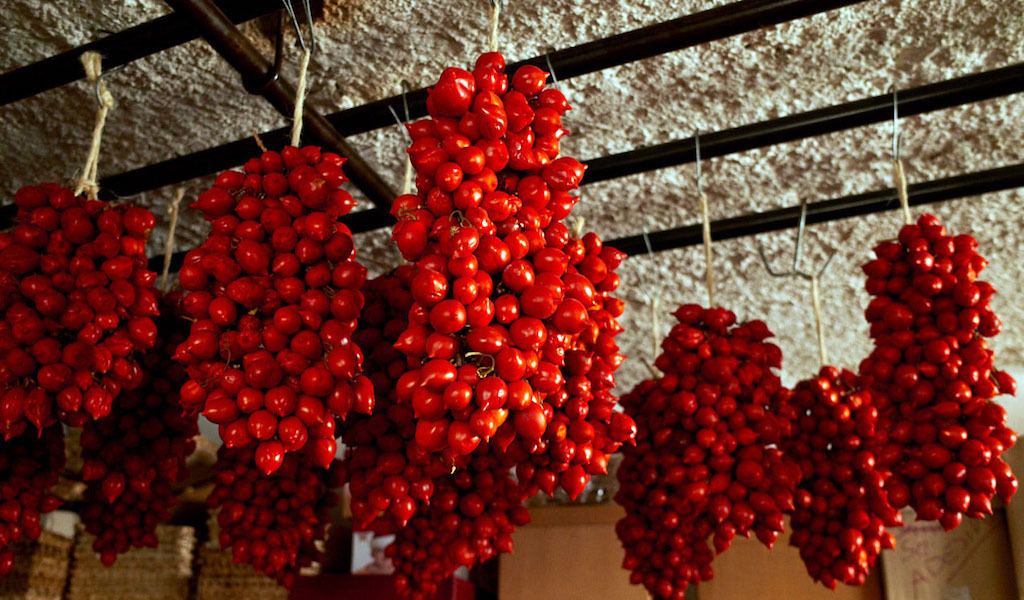
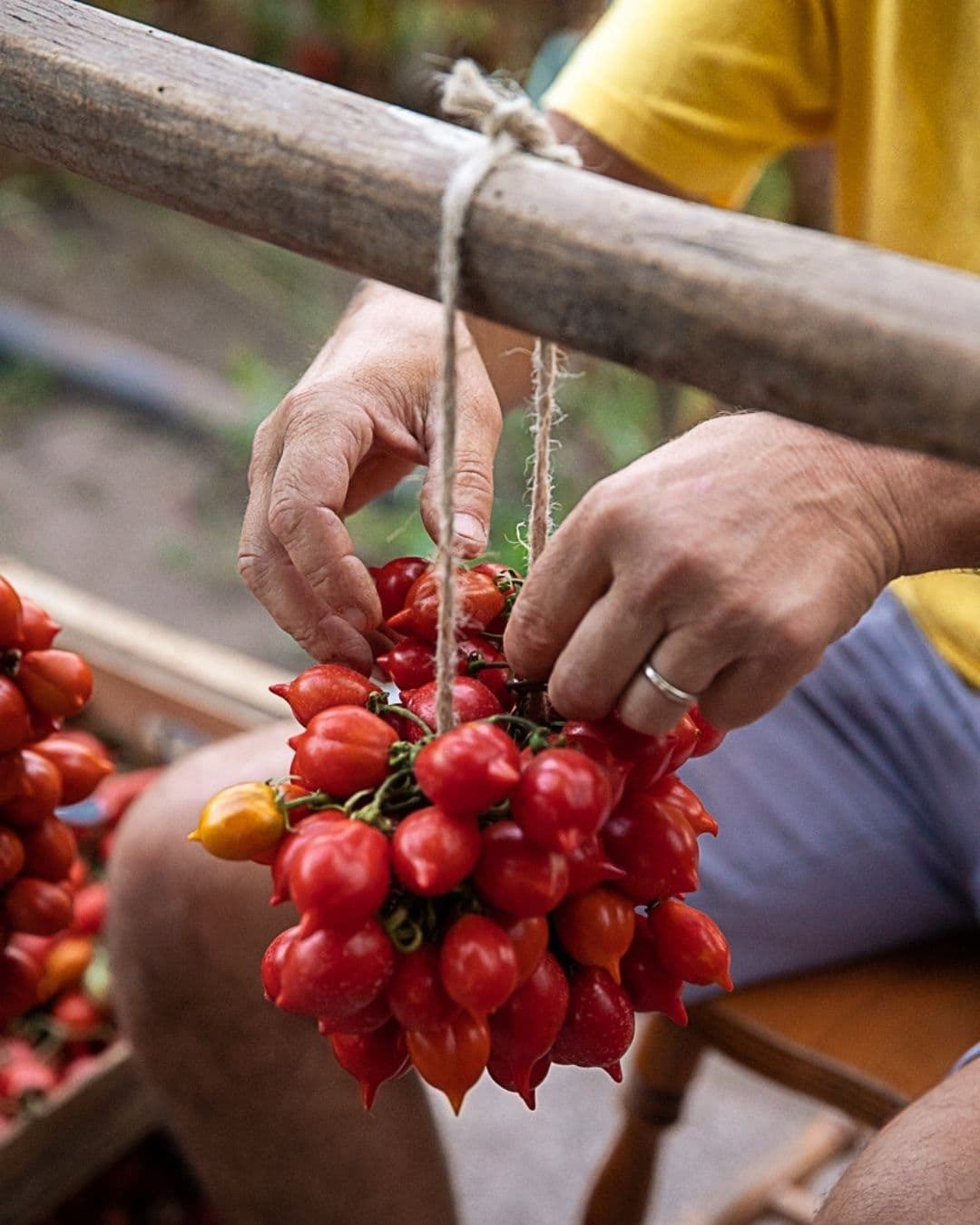
The word piennolo refers to the traditional way the tomatoes are preserved. Farmers tie the vines into large hanging clusters and suspend them in airy rooms. Thanks to their thick skins and dense flesh, the tomatoes slowly ripen and dry, allowing families to enjoy their flavor throughout the winter months.
This preservation technique is more than practical—it is cultural. In many homes around Naples, a bright red cluster of Piennolo tomatoes hanging in the kitchen is both a symbol of abundance and a promise of good cooking to come.
Unlike typical cherry tomatoes, Pomodorino del Piennolo del Vesuvio may feel slightly firmer or less juicy when bitten into. This is completely natural and part of what makes the variety so prized.
These tomatoes grow in the mineral-rich volcanic soils surrounding Mount Vesuvius and naturally develop thicker skins and denser flesh, allowing them to store well for long periods. Because of this lower water content, the tomatoes may sometimes arrive slightly wrinkled. This is not a defect but a characteristic of the variety.
In fact, the slight dehydration helps concentrate their sweetness and flavor, making them especially excellent for pasta sauces, roasting, and rustic Italian dishes where a deep tomato character is desired without excess moisture.
If your Pomodorino del Piennolo del Vesuvio arrives slightly wrinkled, this is completely normal.
These tomatoes naturally have thicker skins and lower water content, which allows them to store longer and develop a more concentrated flavor. Because of this, they may lose a bit of moisture during transport and appear lightly wrinkled.
This is not a sign of spoilage or poor quality. In fact, the slight dehydration is part of what gives Piennolo tomatoes their intensely sweet, rich tomato flavor, making them excellent for sauces, pasta, and traditional Italian cooking.
Keep refrigerated at 4–8°C to maintain freshness during storage and transport. For best flavor, allow the tomatoes to sit at room temperature for 15–20 minutes before serving. Consume within a few days after purchase for optimal sweetness and texture.
Piennolo tomatoes are among Italy’s most distinctive cherry tomato varieties, celebrated for their concentrated flavor and natural balance between sweetness and acidity. Grown in the mineral-rich volcanic soils around Mount Vesuvius, these tomatoes develop a depth that is both vibrant and complex.
Their skin is slightly thicker than typical cherry tomatoes, a natural adaptation that allows them to be preserved in hanging clusters called piennolo for months after harvest. Beneath that skin lies firm flesh and very little water, which means the flavor remains beautifully concentrated.
On the palate, they begin with a bright burst of sweetness reminiscent of ripe summer tomatoes, quickly followed by a gentle acidity that refreshes rather than sharpens. There is a subtle mineral note—almost saline—that speaks of the volcanic soil where they are grown. When cooked, the tomatoes soften while maintaining their structure, releasing a rich, naturally sweet tomato essence that forms the backbone of many classic Neapolitan sauces.
Whether eaten fresh or gently simmered, Piennolo tomatoes carry a flavor that feels both rustic and refined—sun-ripened, vibrant, and unmistakably Italian.
These tomatoes shine when prepared simply, allowing their natural sweetness and volcanic character to take center stage.
Classic Spaghetti al Piennolo
Sauté garlic in olive oil.
Add lightly crushed Piennolo tomatoes.
Simmer briefly until they release their juices.
Finish with fresh basil and Parmigiano Reggiano.
Other serving ideas:
Caprese Variation: Pair with buffalo mozzarella and basil.
Pizza Topping: Perfect for Neapolitan-style pizza due to their concentrated flavor.
Roasted Tomatoes: Roast with olive oil, thyme, and sea salt for a deeply caramelized side dish.
Seafood Dishes: Excellent with clams, mussels, or grilled fish.
Their naturally balanced acidity makes them ideal for quick sauces and rustic Italian cooking.
Few tomatoes carry a sense of place quite like the Pomodorino del Piennolo del Vesuvio. Cultivated on the slopes of Mount Vesuvius in southern Italy, these tomatoes thrive in soil enriched by centuries of volcanic eruptions. The ash and minerals left behind create a uniquely fertile environment, giving the fruit its remarkable intensity.
The word piennolo refers to the traditional way the tomatoes are preserved. Farmers tie the vines into large hanging clusters and suspend them in airy rooms. Thanks to their thick skins and dense flesh, the tomatoes slowly ripen and dry, allowing families to enjoy their flavor throughout the winter months.
This preservation technique is more than practical—it is cultural. In many homes around Naples, a bright red cluster of Piennolo tomatoes hanging in the kitchen is both a symbol of abundance and a promise of good cooking to come.
Unlike typical cherry tomatoes, Pomodorino del Piennolo del Vesuvio may feel slightly firmer or less juicy when bitten into. This is completely natural and part of what makes the variety so prized.
These tomatoes grow in the mineral-rich volcanic soils surrounding Mount Vesuvius and naturally develop thicker skins and denser flesh, allowing them to store well for long periods. Because of this lower water content, the tomatoes may sometimes arrive slightly wrinkled. This is not a defect but a characteristic of the variety.
In fact, the slight dehydration helps concentrate their sweetness and flavor, making them especially excellent for pasta sauces, roasting, and rustic Italian dishes where a deep tomato character is desired without excess moisture.
If your Pomodorino del Piennolo del Vesuvio arrives slightly wrinkled, this is completely normal.
These tomatoes naturally have thicker skins and lower water content, which allows them to store longer and develop a more concentrated flavor. Because of this, they may lose a bit of moisture during transport and appear lightly wrinkled.
This is not a sign of spoilage or poor quality. In fact, the slight dehydration is part of what gives Piennolo tomatoes their intensely sweet, rich tomato flavor, making them excellent for sauces, pasta, and traditional Italian cooking.
Keep refrigerated at 4–8°C to maintain freshness during storage and transport. For best flavor, allow the tomatoes to sit at room temperature for 15–20 minutes before serving. Consume within a few days after purchase for optimal sweetness and texture.
Curated Selection