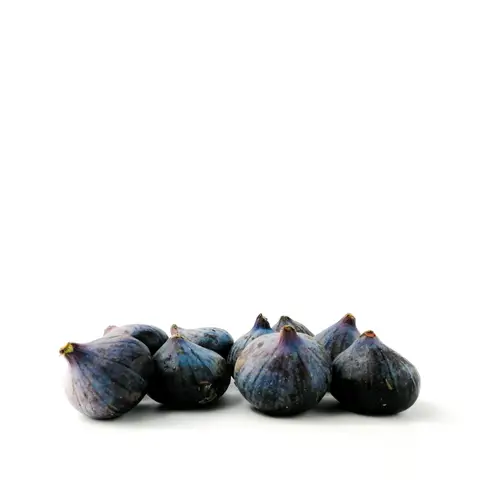
Fresh Solliès-Pont Figs from France
Provence’s Violet Treasure
PHP 990.00

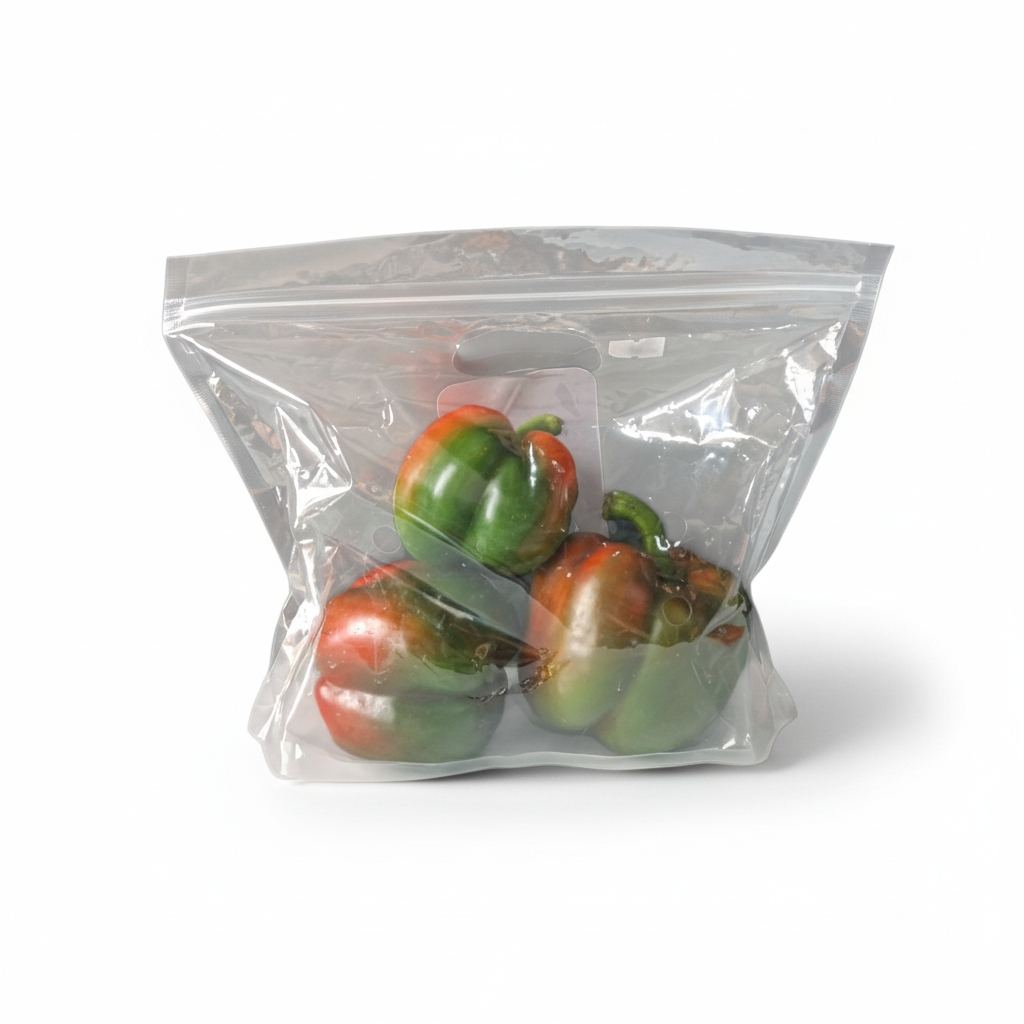
Crisp, Sweet, Versatile
Temporarily out of stock
Get an email when it’s available again.
Try these instead
Similar finds, available now.
A vibrant trio of green and red bell peppers from Pedro Farms, selected for their crunch, freshness, and clean flavor. These peppers bring color, sweetness, and balance to everyday cooking and more thoughtful dishes alike.
Crisp, Sweet, Versatile
A vibrant trio of green and red bell peppers from Pedro Farms, selected for their crunch, freshness, and clean flavor. These peppers bring color, sweetness, and balance to everyday cooking and more thoughtful dishes alike.
Temporarily out of stock
Get an email when it’s available again.
Try these instead
Similar finds, available now.
This bell pepper trio showcases the natural progression of flavor found in the pepper’s life cycle. The green peppers are firm and grassy, with a slightly bitter edge that adds structure to savory dishes. They’re crisp, refreshing, and excellent at holding their shape under heat. The red peppers, fully ripened, offer a gentler sweetness with a rounded, almost fruity note and a softer bite. Together, they create contrast on the plate—brightness and depth, sharpness and warmth. When raw, both colors deliver a satisfying crunch and clean vegetal aroma. Cooked, the red peppers caramelize beautifully, becoming silky and sweet, while the green peppers retain a more assertive character. Sourced for consistency and freshness, these peppers are dependable kitchen staples that elevate both quick meals and slow, intentional cooking.
Bell peppers are natural collaborators in the kitchen.
Sautéed or stir-fried with onions, garlic, and olive oil as a base for countless dishes.
Roasted until blistered and sweet, perfect for antipasti, sandwiches, or pasta.
Raw in salads, crudités, or salsas for crunch and color.
Paired with proteins like chicken, beef, seafood, or eggs, where their sweetness balances savory notes. They also work beautifully with cheeses, herbs, tomatoes, and grains, making them essential for Mediterranean, Asian, and home-style cooking.
Bell peppers are more than just visual accents. Across cuisines, they act as bridges—softening spices, lifting richness, and adding freshness without overpowering a dish. The pairing of green and red reflects this balance: one grounding and sharp, the other ripe and generous. In many kitchens, peppers are not the star, but the reason everything else tastes better. This trio honors that quiet role, offering reliability, beauty, and flavor in equal measure.
This bell pepper trio showcases the natural progression of flavor found in the pepper’s life cycle. The green peppers are firm and grassy, with a slightly bitter edge that adds structure to savory dishes. They’re crisp, refreshing, and excellent at holding their shape under heat. The red peppers, fully ripened, offer a gentler sweetness with a rounded, almost fruity note and a softer bite. Together, they create contrast on the plate—brightness and depth, sharpness and warmth. When raw, both colors deliver a satisfying crunch and clean vegetal aroma. Cooked, the red peppers caramelize beautifully, becoming silky and sweet, while the green peppers retain a more assertive character. Sourced for consistency and freshness, these peppers are dependable kitchen staples that elevate both quick meals and slow, intentional cooking.
Bell peppers are natural collaborators in the kitchen.
Sautéed or stir-fried with onions, garlic, and olive oil as a base for countless dishes.
Roasted until blistered and sweet, perfect for antipasti, sandwiches, or pasta.
Raw in salads, crudités, or salsas for crunch and color.
Paired with proteins like chicken, beef, seafood, or eggs, where their sweetness balances savory notes. They also work beautifully with cheeses, herbs, tomatoes, and grains, making them essential for Mediterranean, Asian, and home-style cooking.
Bell peppers are more than just visual accents. Across cuisines, they act as bridges—softening spices, lifting richness, and adding freshness without overpowering a dish. The pairing of green and red reflects this balance: one grounding and sharp, the other ripe and generous. In many kitchens, peppers are not the star, but the reason everything else tastes better. This trio honors that quiet role, offering reliability, beauty, and flavor in equal measure.
Curated Selection