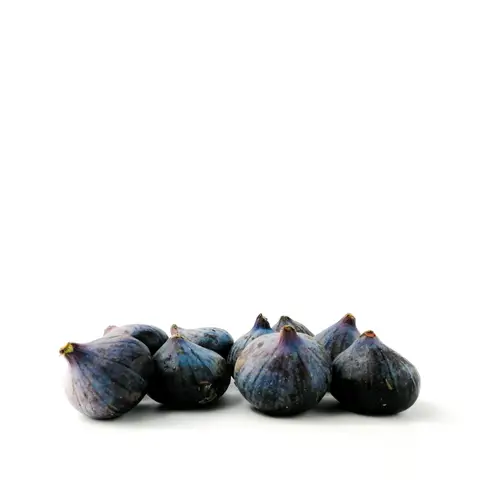
Fresh Solliès-Pont Figs from France
Provence’s Violet Treasure
PHP 990.00

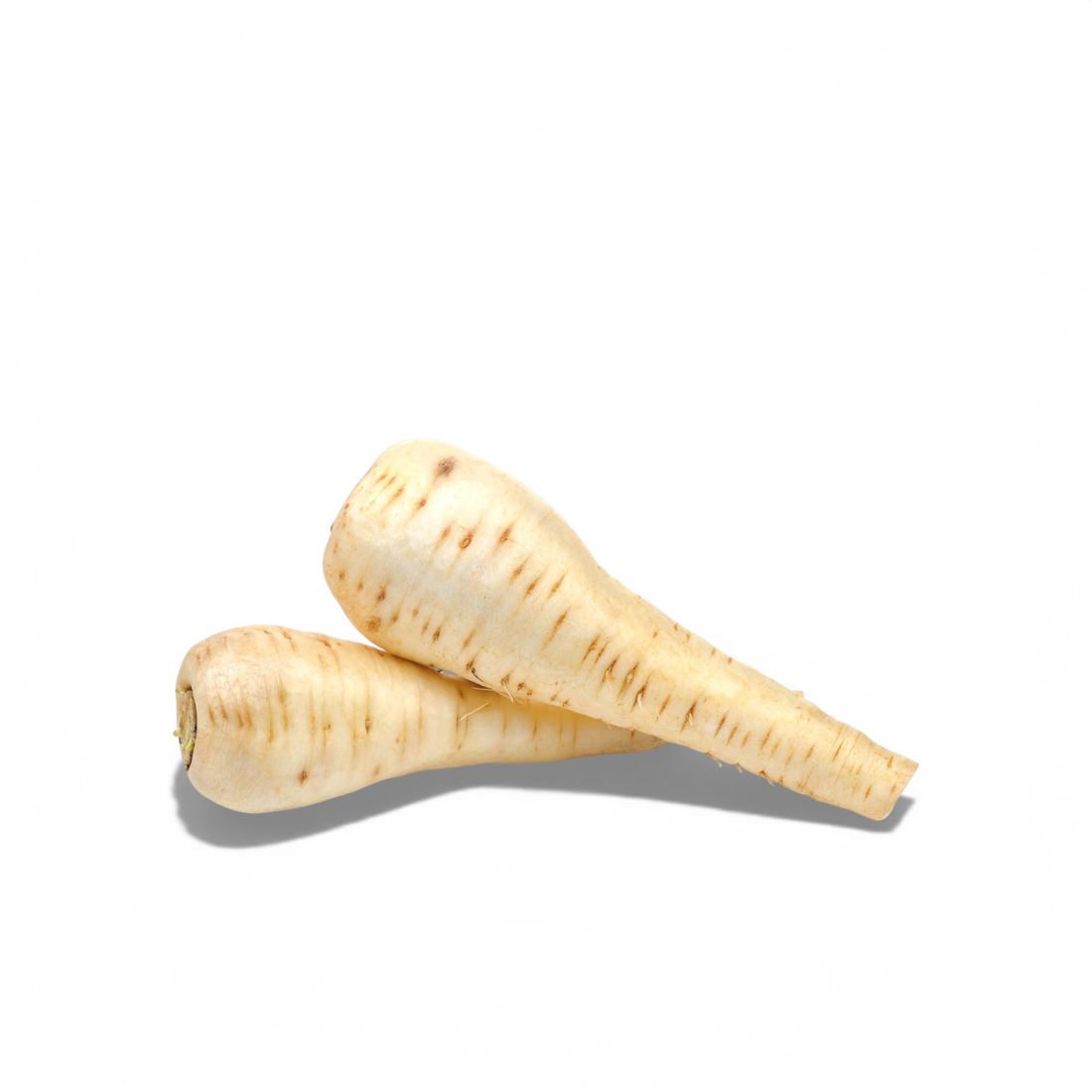
Sweet Winter Elegance
Temporarily out of stock
Get an email when it’s available again.
Try these instead
Similar finds, available now.
Parsnips are a cold-season root vegetable prized for their natural sweetness and aromatic depth. Creamy when cooked and beautifully caramelized when roasted, they bring warmth, elegance, and quiet sophistication to both rustic and refined dishes.
Sweet Winter Elegance
Parsnips are a cold-season root vegetable prized for their natural sweetness and aromatic depth. Creamy when cooked and beautifully caramelized when roasted, they bring warmth, elegance, and quiet sophistication to both rustic and refined dishes.
Temporarily out of stock
Get an email when it’s available again.
Try these instead
Similar finds, available now.
Parsnips reveal their best selves through heat and time. Raw, they are firm and lightly earthy with a faint carrot-like aroma, but once cooked, they transform into something far more nuanced. Roasting draws out their natural sugars, producing golden edges and a tender interior with notes of honey, nutmeg, and toasted nuts. There’s a gentle spiciness beneath the sweetness—warm, rounded, and deeply comforting.
When puréed, parsnips become luxuriously smooth, offering a creamy texture without heaviness and a flavor that feels both familiar and elevated. In soups and stews, they add subtle sweetness and body, harmonizing effortlessly with savory stocks and herbs. Unlike carrots, parsnips carry a more mature, wintery character—less bright, more contemplative—making them especially suited to slow cooking and cold-weather menus.
Parsnips are remarkably versatile and shine in both simple preparations and composed dishes.
Ways to use them:
Roast with olive oil, sea salt, and thyme until caramelized
Purée with butter and cream as a refined side dish
Add to soups, stews, or gratins for natural sweetness
Pair with roast chicken, pork, or lamb
Shave thinly and roast or fry for crisp vegetable chips
They pair beautifully with warming spices like nutmeg, cinnamon, and white pepper, as well as herbs such as rosemary and sage.
Parsnips grow sweeter after frost, their starches slowly converting into sugars as temperatures drop. This natural alchemy gives them a special place in winter cooking—rooted, patient, and quietly radiant. Long valued in European kitchens before sugar was widely available, parsnips were once a primary source of sweetness, lending comfort and sustenance during colder months. They carry that legacy still: a vegetable that nourishes, warms, and softens the edges of winter meals.
Store parsnips in the refrigerator’s crisper drawer, ideally unwashed and loosely wrapped. Trim greens if attached. Once peeled or cut, keep refrigerated in an airtight container and use within a few days.
Parsnips reveal their best selves through heat and time. Raw, they are firm and lightly earthy with a faint carrot-like aroma, but once cooked, they transform into something far more nuanced. Roasting draws out their natural sugars, producing golden edges and a tender interior with notes of honey, nutmeg, and toasted nuts. There’s a gentle spiciness beneath the sweetness—warm, rounded, and deeply comforting.
When puréed, parsnips become luxuriously smooth, offering a creamy texture without heaviness and a flavor that feels both familiar and elevated. In soups and stews, they add subtle sweetness and body, harmonizing effortlessly with savory stocks and herbs. Unlike carrots, parsnips carry a more mature, wintery character—less bright, more contemplative—making them especially suited to slow cooking and cold-weather menus.
Parsnips are remarkably versatile and shine in both simple preparations and composed dishes.
Ways to use them:
Roast with olive oil, sea salt, and thyme until caramelized
Purée with butter and cream as a refined side dish
Add to soups, stews, or gratins for natural sweetness
Pair with roast chicken, pork, or lamb
Shave thinly and roast or fry for crisp vegetable chips
They pair beautifully with warming spices like nutmeg, cinnamon, and white pepper, as well as herbs such as rosemary and sage.
Parsnips grow sweeter after frost, their starches slowly converting into sugars as temperatures drop. This natural alchemy gives them a special place in winter cooking—rooted, patient, and quietly radiant. Long valued in European kitchens before sugar was widely available, parsnips were once a primary source of sweetness, lending comfort and sustenance during colder months. They carry that legacy still: a vegetable that nourishes, warms, and softens the edges of winter meals.
Store parsnips in the refrigerator’s crisper drawer, ideally unwashed and loosely wrapped. Trim greens if attached. Once peeled or cut, keep refrigerated in an airtight container and use within a few days.
Curated Selection