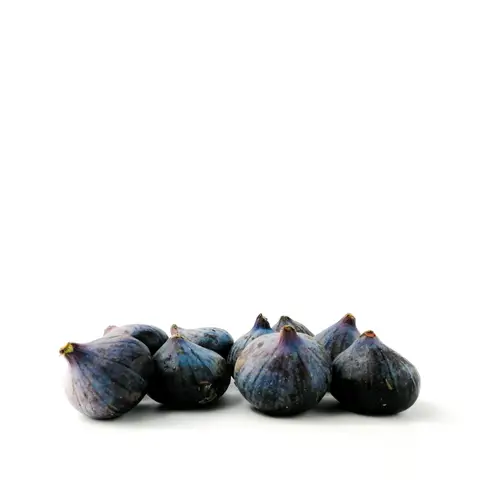
Fresh Solliès-Pont Figs from France
Provence’s Violet Treasure
PHP 980.00

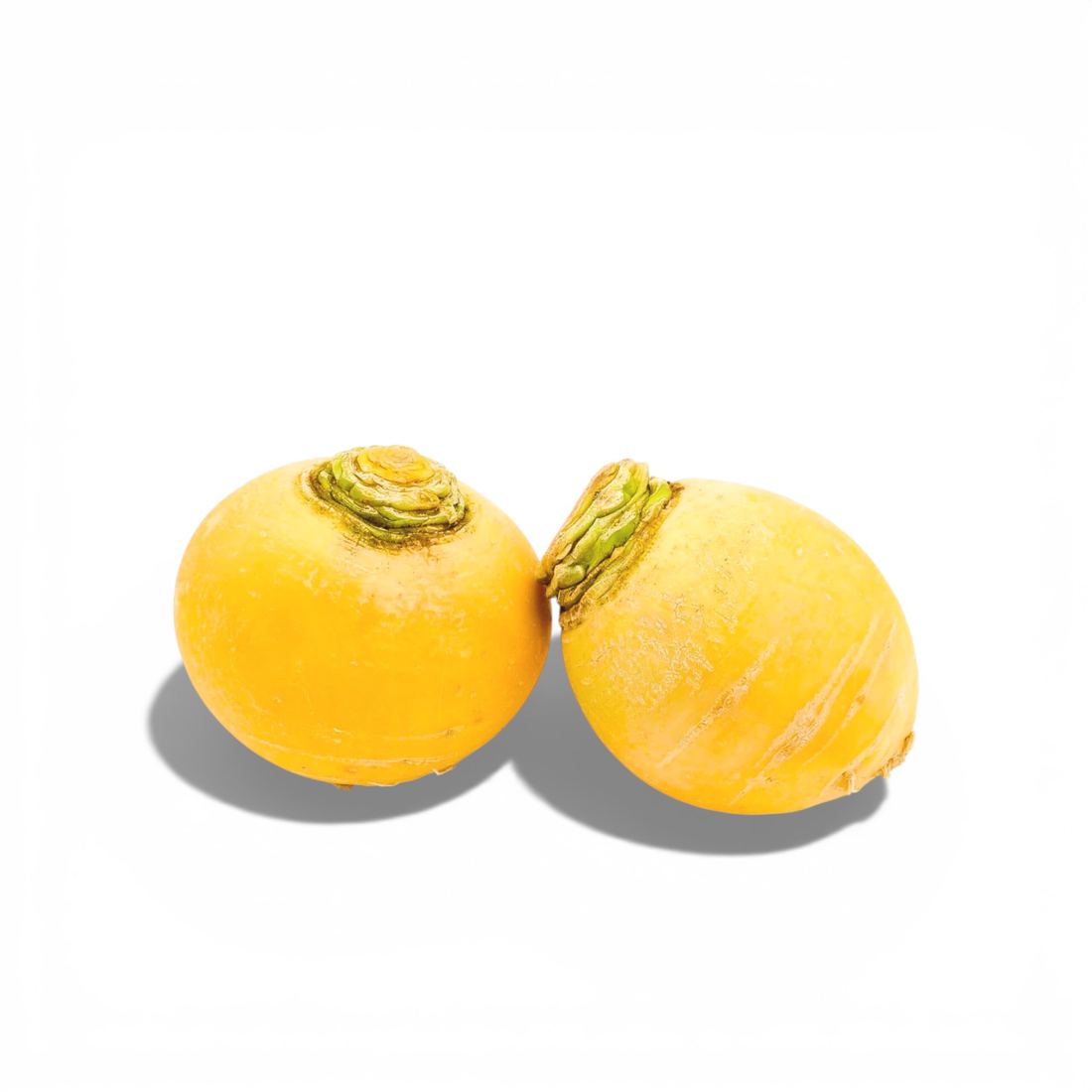
Sweet heirloom root
Temporarily out of stock
Get an email when it’s available again.
Try these instead
Similar finds, available now.
Golden Ball Turnip is a French heirloom root vegetable celebrated for its golden skin, gentle sweetness, and refined texture. Unlike sharper modern turnips, it cooks down soft, buttery, and deeply comforting—an old-world ingredient made for thoughtful kitchens.
Sweet heirloom root
Golden Ball Turnip is a French heirloom root vegetable celebrated for its golden skin, gentle sweetness, and refined texture. Unlike sharper modern turnips, it cooks down soft, buttery, and deeply comforting—an old-world ingredient made for thoughtful kitchens.
Temporarily out of stock
Get an email when it’s available again.
Try these instead
Similar finds, available now.
Golden Ball Turnip—known in France as Navet Boule d’Or—is the kind of vegetable that quietly changes minds. Raw, it is mild and clean with a subtle nuttiness, lacking the aggressive bite often associated with turnips. Once cooked, it becomes something else entirely: tender, softly sweet, and rounded, with flavors that lean closer to young carrots or roasted chestnuts than peppery roots.
Its flesh holds structure while turning silky, absorbing butter, cream, and stock beautifully. There is a gentle earthiness beneath the sweetness that keeps it grounded and savory, never cloying. Compared to common white turnips, Golden Ball is denser, less watery, and far more aromatic. Slow roasting brings out delicate caramel notes, while glazing highlights its natural sugars. This is a vegetable that doesn’t ask to be hidden—simple preparation allows its warmth and heritage to speak.
Golden Ball Turnip works effortlessly in both rustic and refined cooking, offering balance and softness wherever it lands.
Classic glaze: Simmer gently in butter, light stock, and a pinch of sugar until glossy and tender.
Roasted roots: Pair with carrots, parsnips, or potatoes, finished with thyme or bay.
With meats: A natural companion to roasted chicken, pork, duck, or lamb.
Vegetarian plates: Mash with butter and cream, or layer into gratins with cheese.
Modern finish: Roast and dress with browned butter and a touch of lemon for contrast.
Long before uniform supermarket produce, Golden Ball Turnip was prized in French kitchens for flavor rather than yield. Its warm golden color and gentle sweetness made it a dependable winter staple, valued for nourishment and pleasure alike. Known locally as Navet Boule d’Or, it reflects an era when vegetables were chosen with the same care as meats and cheeses. Today, it remains a favorite among chefs and cooks who appreciate heritage varieties—ingredients that don’t shout, but leave a lasting impression.
Store unwashed turnips in the refrigerator crisper drawer, preferably in a paper or perforated produce bag. Remove greens if attached. Best used within 1–2 weeks.
Golden Ball Turnip—known in France as Navet Boule d’Or—is the kind of vegetable that quietly changes minds. Raw, it is mild and clean with a subtle nuttiness, lacking the aggressive bite often associated with turnips. Once cooked, it becomes something else entirely: tender, softly sweet, and rounded, with flavors that lean closer to young carrots or roasted chestnuts than peppery roots.
Its flesh holds structure while turning silky, absorbing butter, cream, and stock beautifully. There is a gentle earthiness beneath the sweetness that keeps it grounded and savory, never cloying. Compared to common white turnips, Golden Ball is denser, less watery, and far more aromatic. Slow roasting brings out delicate caramel notes, while glazing highlights its natural sugars. This is a vegetable that doesn’t ask to be hidden—simple preparation allows its warmth and heritage to speak.
Golden Ball Turnip works effortlessly in both rustic and refined cooking, offering balance and softness wherever it lands.
Classic glaze: Simmer gently in butter, light stock, and a pinch of sugar until glossy and tender.
Roasted roots: Pair with carrots, parsnips, or potatoes, finished with thyme or bay.
With meats: A natural companion to roasted chicken, pork, duck, or lamb.
Vegetarian plates: Mash with butter and cream, or layer into gratins with cheese.
Modern finish: Roast and dress with browned butter and a touch of lemon for contrast.
Long before uniform supermarket produce, Golden Ball Turnip was prized in French kitchens for flavor rather than yield. Its warm golden color and gentle sweetness made it a dependable winter staple, valued for nourishment and pleasure alike. Known locally as Navet Boule d’Or, it reflects an era when vegetables were chosen with the same care as meats and cheeses. Today, it remains a favorite among chefs and cooks who appreciate heritage varieties—ingredients that don’t shout, but leave a lasting impression.
Store unwashed turnips in the refrigerator crisper drawer, preferably in a paper or perforated produce bag. Remove greens if attached. Best used within 1–2 weeks.
Curated Selection