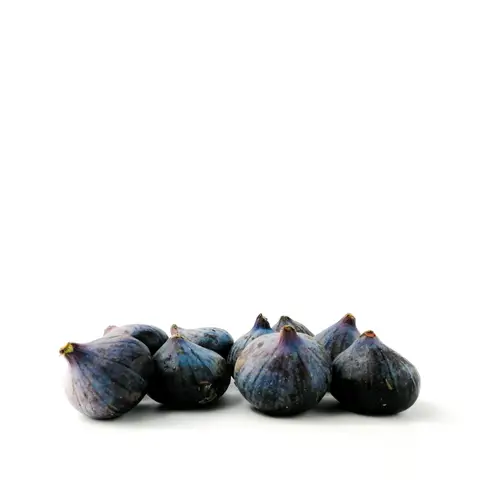
Fresh Solliès-Pont Figs from France
Provence’s Violet Treasure
PHP 990.00

Nutty, Green, Comforting
Temporarily out of stock
The curators are restocking this item — sign up and we'll text you when it's back.
One SMS when it's restocked — no marketing.
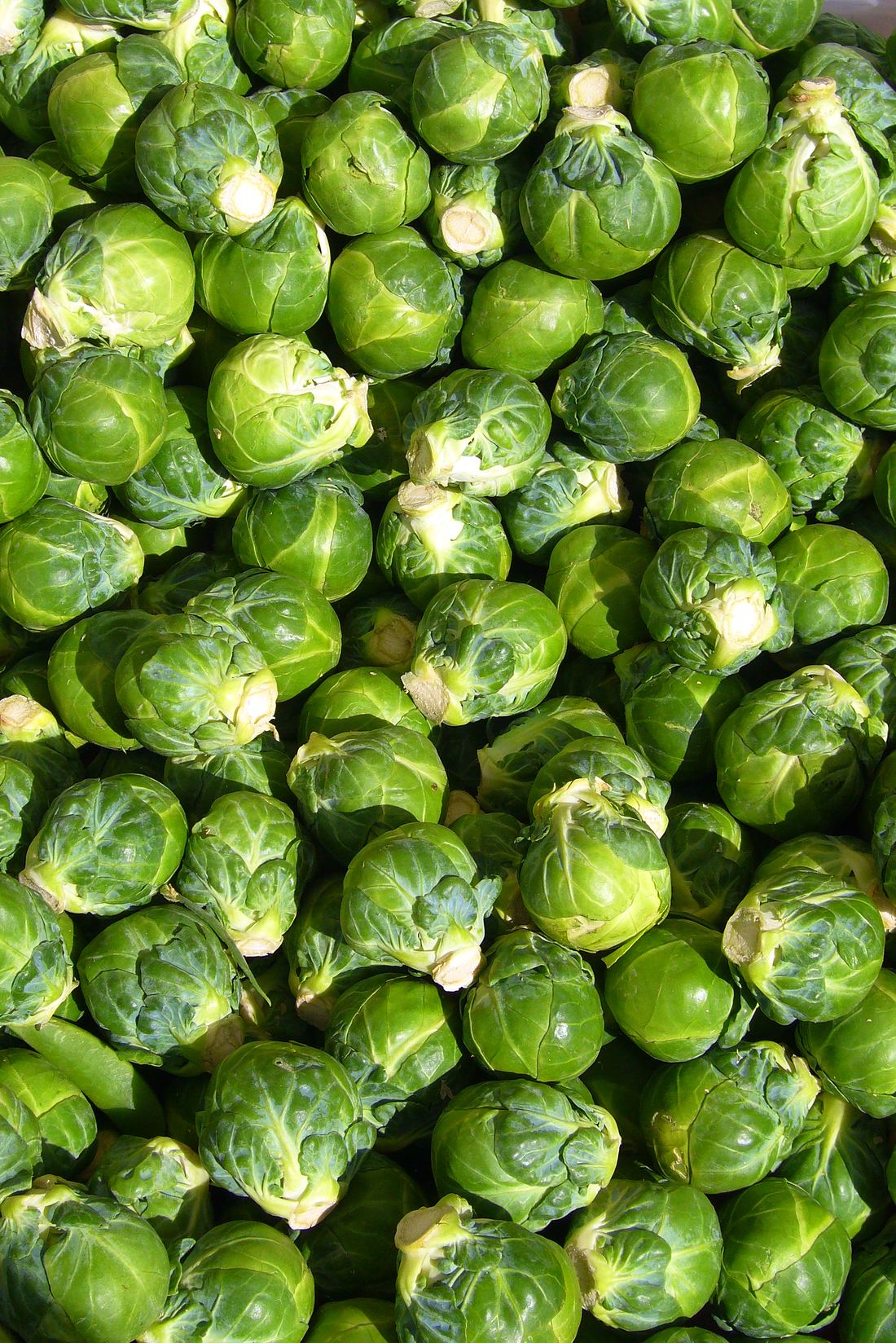
Compact, crisp, and quietly luxurious, these Brussels sprouts are chosen for their freshness and balanced bitterness. When cooked well, they reveal a nutty sweetness and a depth that turns this humble vegetable into a table favorite.
Nutty, Green, Comforting
Compact, crisp, and quietly luxurious, these Brussels sprouts are chosen for their freshness and balanced bitterness. When cooked well, they reveal a nutty sweetness and a depth that turns this humble vegetable into a table favorite.
Temporarily out of stock
The curators are restocking this item — sign up and we'll text you when it's back.
One SMS when it's restocked — no marketing.
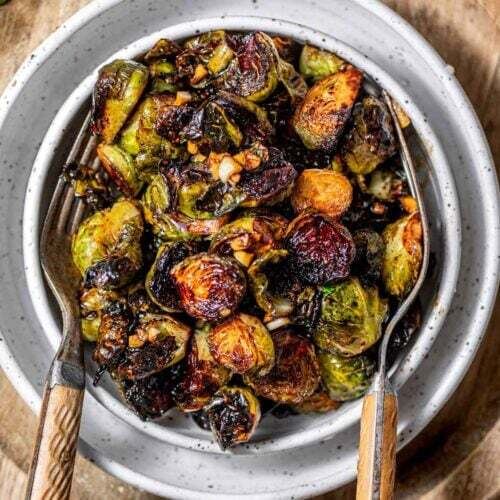
Brussels sprouts are often misunderstood, and that’s exactly why they deserve care in curation. Raw, they carry a clean vegetal bite with a faint cabbage sharpness, firm and tightly layered. Once exposed to heat, their character transforms. Roasting brings out a deep nuttiness, almost chestnut-like, with caramelized edges and a tender, yielding center. Sautéed gently, they become mellow and slightly sweet, with a buttery green note that feels grounding rather than aggressive. When shaved thin and eaten raw, they offer a fresh crunch with a subtle peppery finish that works beautifully with acid and fat. These sprouts were selected for uniform size and density, ensuring even cooking and consistent flavor. They are versatile without being boring, sturdy enough to take on bold seasonings yet refined enough to shine with just olive oil, salt, and time in the oven.
Brussels sprouts thrive in preparations that respect their structure while enhancing their natural sweetness.
Roasted with olive oil, sea salt, and black pepper until the edges crisp, finished with a splash of balsamic or lemon.
Sautéed with butter and garlic, then tossed with shaved Parmesan or aged cheese.
Raw and shaved into a salad with mustard vinaigrette, apples, nuts, and hard cheese.
Paired with richness, such as duck fat, bacon, pancetta, or roasted poultry, where their bitterness balances fat beautifully. They also sit comfortably alongside cheeses, cured meats, and earthy wines, making them a natural fit for both everyday meals and more considered spreads.
Brussels sprouts have long carried an unfair reputation, often traced back to overboiling and under-seasoning. In reality, they are a vegetable that asks for intention. Properly grown and cooked, they reward patience with depth and warmth. Across European kitchens, they’ve always been treated with more respect—roasted, braised, or paired with butter and acidity to coax out their best qualities. Today, they’ve found their way back onto modern tables, not as a trend, but as a quiet reminder that good food often hides in plain sight. These sprouts invite a second look, and usually, a second helping.
Store Brussels sprouts unwashed in the refrigerator crisper drawer. Keep them in a breathable bag and use within 7–10 days for best freshness. Trim ends and wash only just before cooking.
Brussels sprouts are often misunderstood, and that’s exactly why they deserve care in curation. Raw, they carry a clean vegetal bite with a faint cabbage sharpness, firm and tightly layered. Once exposed to heat, their character transforms. Roasting brings out a deep nuttiness, almost chestnut-like, with caramelized edges and a tender, yielding center. Sautéed gently, they become mellow and slightly sweet, with a buttery green note that feels grounding rather than aggressive. When shaved thin and eaten raw, they offer a fresh crunch with a subtle peppery finish that works beautifully with acid and fat. These sprouts were selected for uniform size and density, ensuring even cooking and consistent flavor. They are versatile without being boring, sturdy enough to take on bold seasonings yet refined enough to shine with just olive oil, salt, and time in the oven.
Brussels sprouts thrive in preparations that respect their structure while enhancing their natural sweetness.
Roasted with olive oil, sea salt, and black pepper until the edges crisp, finished with a splash of balsamic or lemon.
Sautéed with butter and garlic, then tossed with shaved Parmesan or aged cheese.
Raw and shaved into a salad with mustard vinaigrette, apples, nuts, and hard cheese.
Paired with richness, such as duck fat, bacon, pancetta, or roasted poultry, where their bitterness balances fat beautifully. They also sit comfortably alongside cheeses, cured meats, and earthy wines, making them a natural fit for both everyday meals and more considered spreads.
Brussels sprouts have long carried an unfair reputation, often traced back to overboiling and under-seasoning. In reality, they are a vegetable that asks for intention. Properly grown and cooked, they reward patience with depth and warmth. Across European kitchens, they’ve always been treated with more respect—roasted, braised, or paired with butter and acidity to coax out their best qualities. Today, they’ve found their way back onto modern tables, not as a trend, but as a quiet reminder that good food often hides in plain sight. These sprouts invite a second look, and usually, a second helping.
Store Brussels sprouts unwashed in the refrigerator crisper drawer. Keep them in a breathable bag and use within 7–10 days for best freshness. Trim ends and wash only just before cooking.
Curated Selection