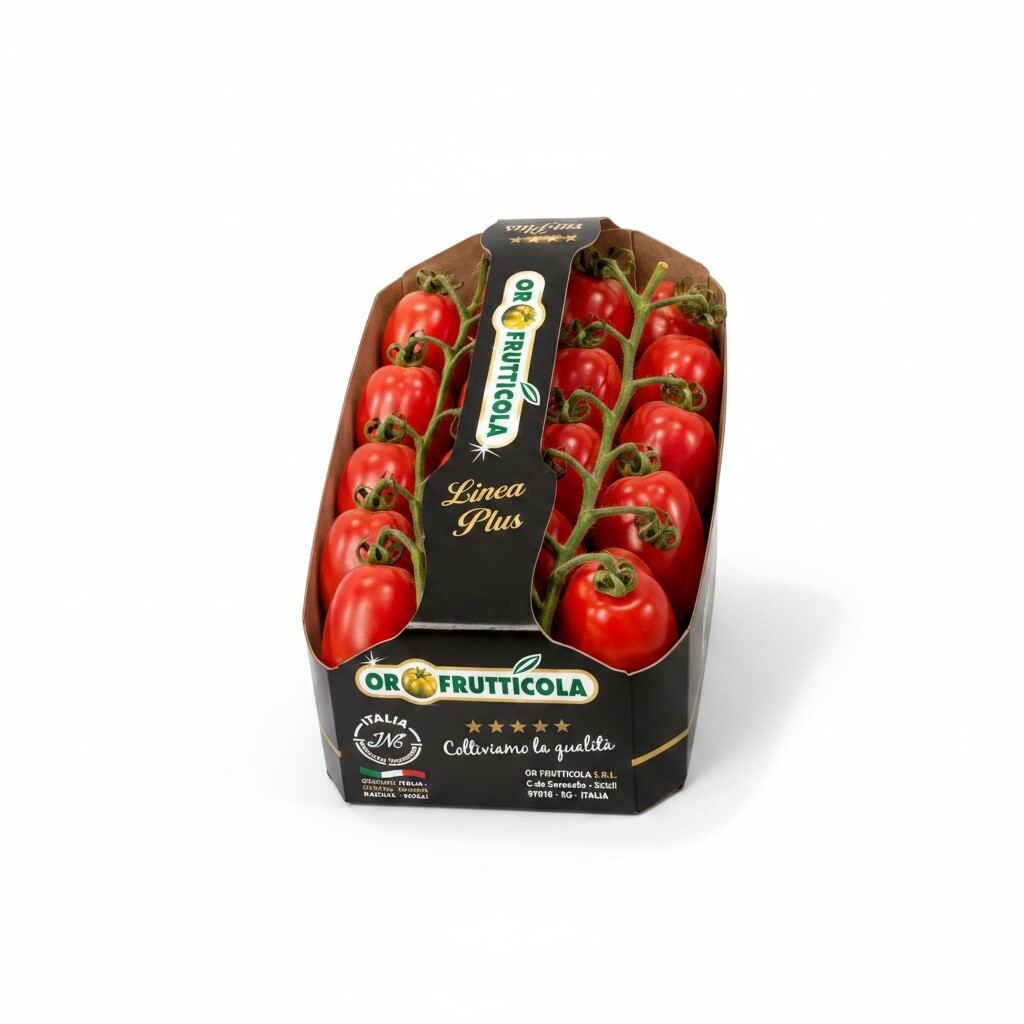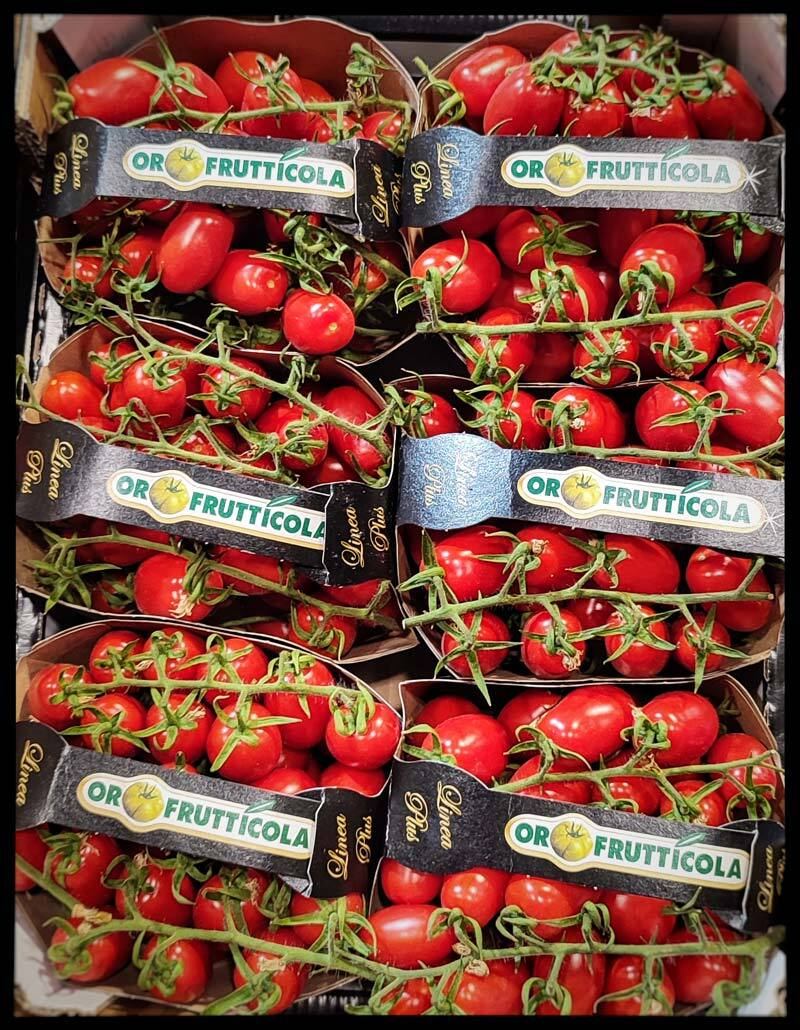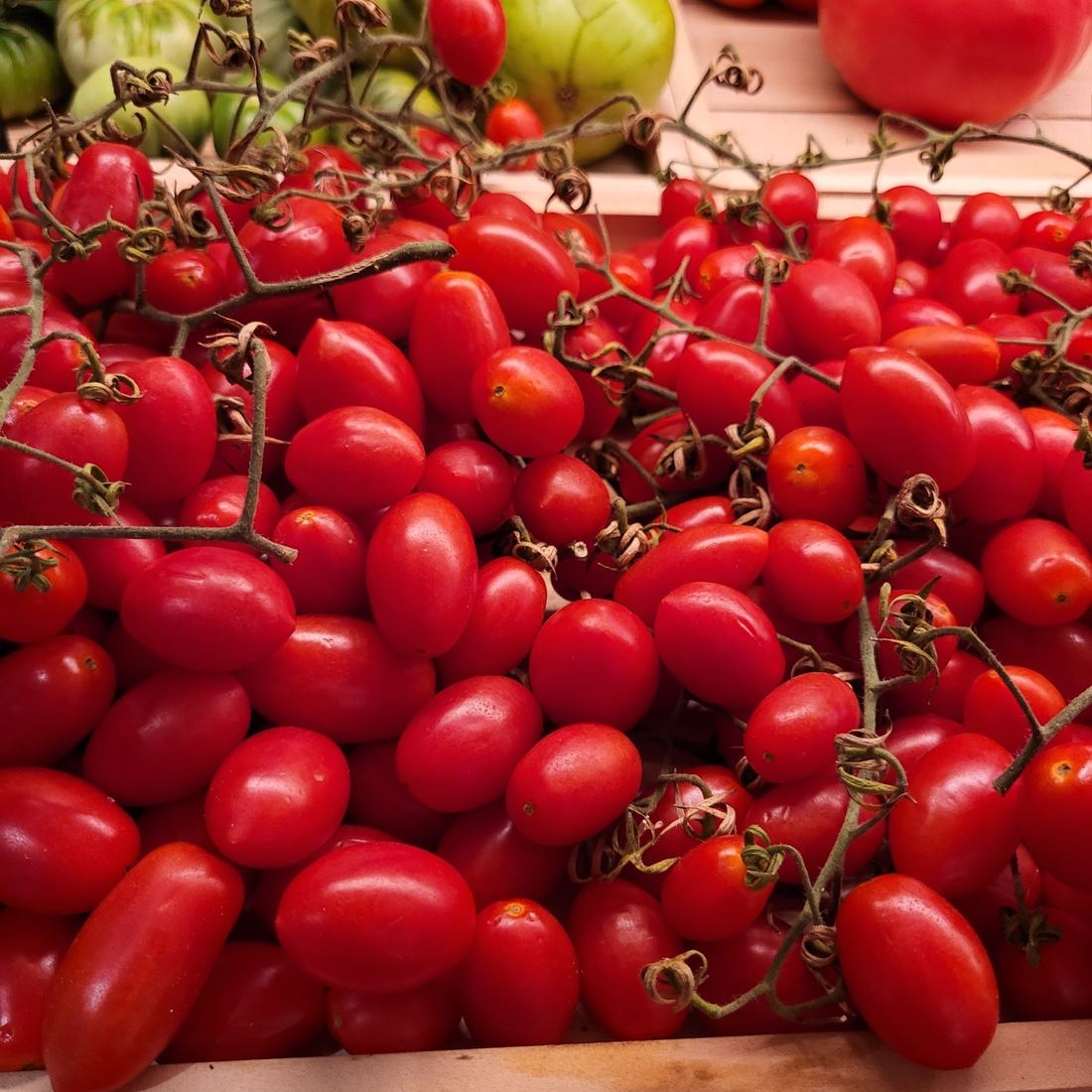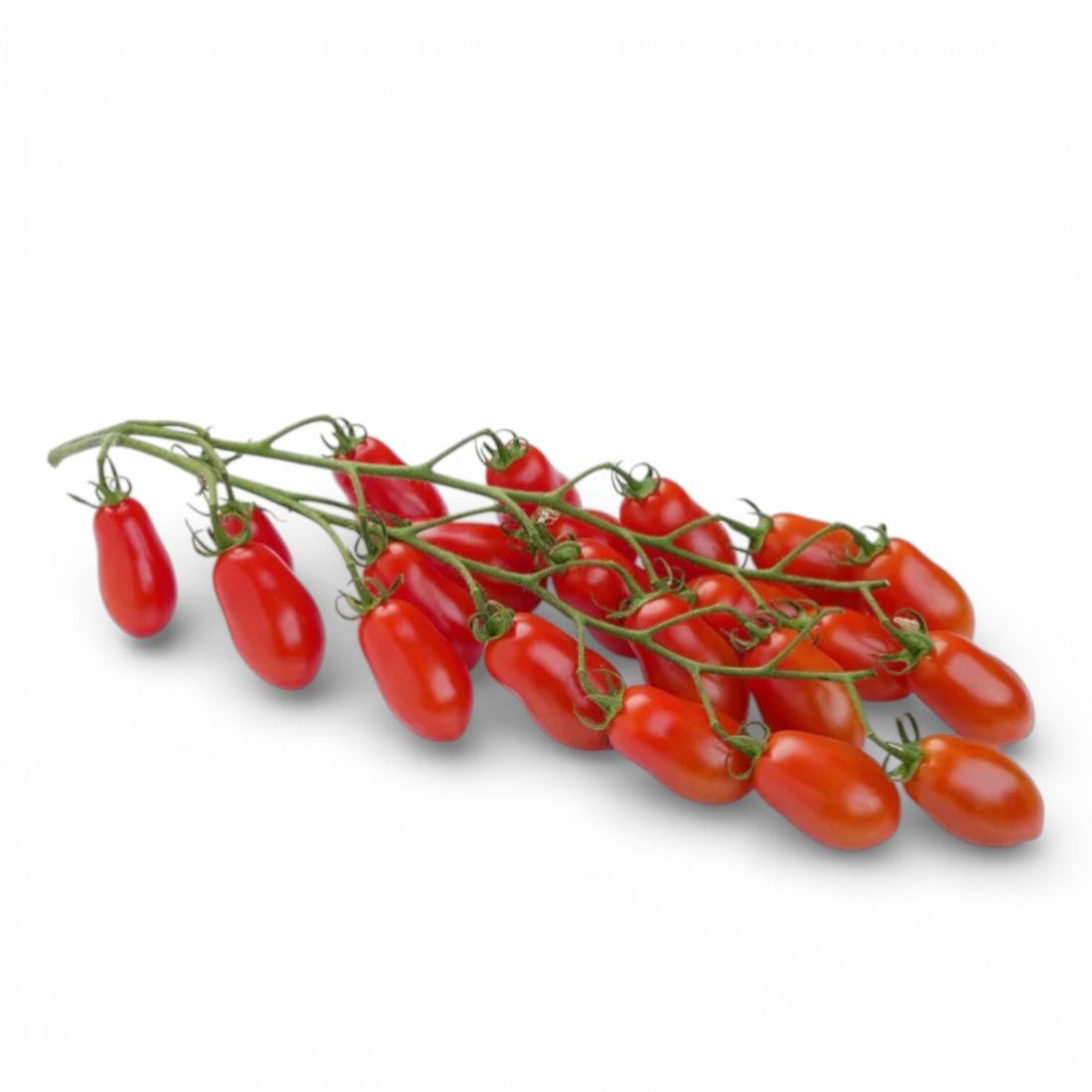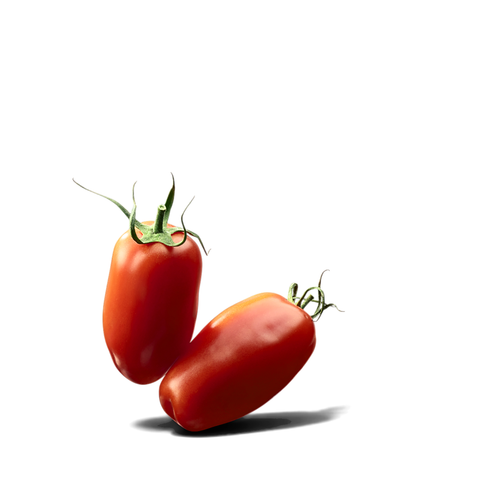
Datterino tomatoes are often considered one of the sweetest cherry tomato varieties in Italian cuisine. Their name comes from the Italian word dattero, meaning “date,” a reference to their small, elongated shape and naturally sweet character.
When ripe, these tomatoes display a brilliant red color and a thin, delicate skin that gives way easily when bitten. Inside, the flesh is juicy yet balanced, containing a harmonious blend of sweetness and gentle acidity that makes them incredibly versatile in the kitchen.
The first taste reveals an immediate burst of sweetness, almost reminiscent of ripe summer fruit. Unlike larger tomatoes that lean toward acidity, Datterini are known for their naturally low acidity, which allows their sugar content to shine. This creates a round, smooth flavor that feels bright and vibrant without sharpness.
Their texture is tender yet structured enough to hold up well in cooking. When gently sautéed or roasted, they release a rich tomato essence that becomes intensely aromatic. The sugars lightly caramelize, creating a deeper, almost jammy flavor while still maintaining the tomato’s natural freshness.
Because of this balance between sweetness, juiciness, and light acidity, Datterino tomatoes are a favorite in Italian kitchens for sauces that require minimal cooking and maximum flavor.
Datterino tomatoes are ideal for simple preparations that highlight their natural sweetness.
Quick Datterino Tomato Pasta
Sauté garlic in olive oil until fragrant.
Add whole or halved Datterino tomatoes and cook briefly until they soften.
Toss with al dente pasta, fresh basil, and Parmigiano Reggiano.
Other ways to enjoy them:
Fresh Salads: Toss with burrata, basil, olive oil, and flaky sea salt.
Roasted Tomatoes: Roast with olive oil and thyme until lightly caramelized.
Bruschetta: Serve chopped over grilled bread with garlic and extra virgin olive oil.
Seafood Pairing: Excellent with grilled fish, prawns, or clams.
Because of their sweetness and balance, Datterino tomatoes also make a wonderful base for quick tomato sauces and rustic Mediterranean dishes.
In Italy, tomatoes are not merely ingredients—they are cultural symbols tied deeply to family cooking and regional identity. Among the many varieties cultivated across the country, the Datterino tomato has become a modern favorite.
Originally developed for its sweetness and consistent yield, the Datterino quickly gained popularity among chefs and home cooks alike. Its ability to deliver intense tomato flavor with very little acidity makes it perfect for dishes where the tomato must shine without overpowering other ingredients.
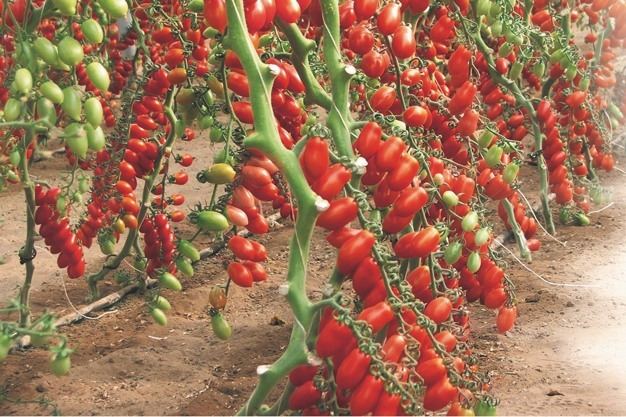
Many Italian producers cultivate these tomatoes in carefully controlled environments, allowing them to ripen slowly while preserving their natural sugars. This careful cultivation produces tomatoes that taste almost sun-ripened even outside peak summer months.
Today, Datterino tomatoes are widely used in both traditional and contemporary Italian cooking—from simple family pastas to refined restaurant dishes—where their naturally sweet, vibrant flavor elevates even the simplest recipes.
Keep refrigerated at 4–8°C to maintain freshness during storage and transport. For best flavor, allow the tomatoes to sit at room temperature for 15–20 minutes before serving. Consume within a few days after purchase for optimal sweetness and texture.