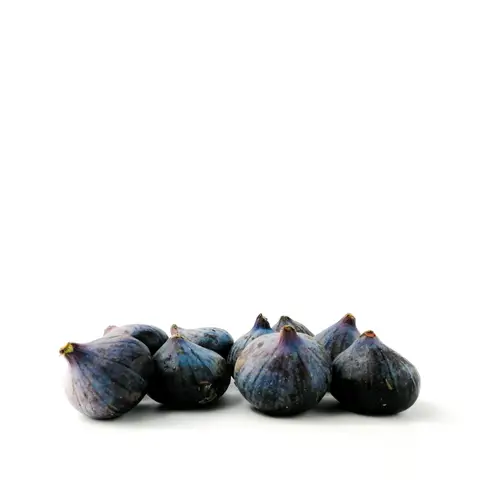
Fresh Solliès-Pont Figs from France
Provence’s Violet Treasure
PHP 990.00

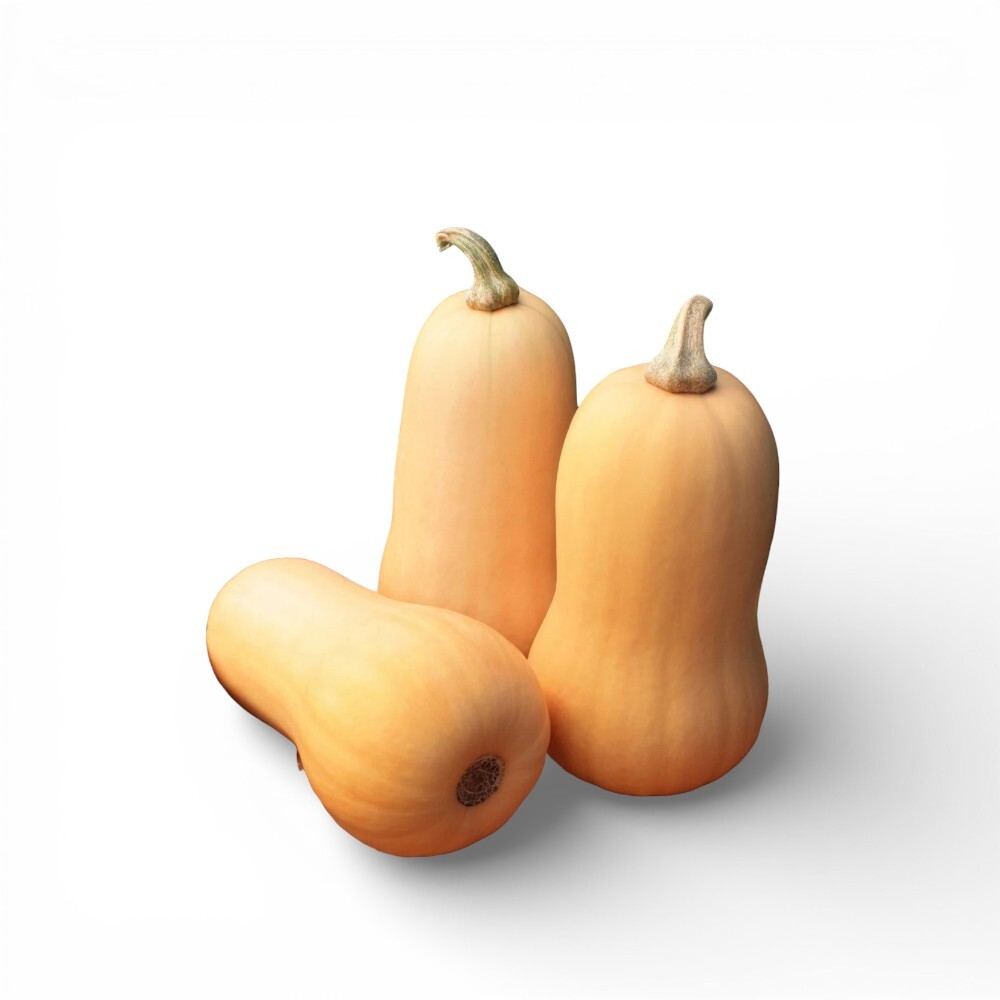
Sweet Comfort Classic
Temporarily out of stock
Get an email when it’s available again.
Try these instead
Similar finds, available now.
Butternut squash is the quiet hero of comfort cooking—naturally sweet, smooth in texture, and deeply satisfying. With its rich orange flesh and gentle nuttiness, it bridges the gap between everyday ease and slow, soulful meals.
Sweet Comfort Classic
Butternut squash is the quiet hero of comfort cooking—naturally sweet, smooth in texture, and deeply satisfying. With its rich orange flesh and gentle nuttiness, it bridges the gap between everyday ease and slow, soulful meals.
Temporarily out of stock
Get an email when it’s available again.
Try these instead
Similar finds, available now.
When cooked, butternut squash transforms into something lush and comforting. Its flesh softens into a velvety texture that feels almost creamy, even without dairy. The flavor leans gently sweet, with notes reminiscent of roasted chestnuts, caramelized pumpkin, and warm autumn air. Roasting intensifies its sugars, creating golden edges and a deeper, more complex sweetness, while puréeing reveals a silky consistency ideal for soups and sauces. Unlike sharper winter squashes, butternut remains mellow and rounded, making it incredibly adaptable—it welcomes spice, butter, herbs, acidity, and even heat without losing its identity. It’s one of those ingredients that feels generous, both in flavor and in how it fills a plate.
Butternut squash shines across a wide range of preparations.
Roasted with olive oil and finished with flaky salt, pepper, and sage or thyme.
Blended into soups with onion, garlic, and stock, optionally finished with cream or coconut milk.
Mashed or puréed as a side dish in place of potatoes, especially lovely with butter and nutmeg.
Paired with proteins like roast chicken, pork, lamb, or even crispy pancetta.
Balanced with acidity—a splash of vinegar, citrus, or yogurt cuts through its natural sweetness beautifully. It also works surprisingly well in pasta fillings, grain bowls, or lightly spiced curries.
Butternut squash carries the emotional weight of cooler days and slower evenings. It’s a vegetable that encourages patience—peeling, chopping, roasting—rewarding you with warmth and depth in return. Across many kitchens, it signals a shift toward grounding food: meals meant to nourish rather than impress. There’s a reason it shows up year after year; it understands comfort without becoming boring.
Store whole butternut squash in a cool, dry place away from direct sunlight. Once cut, wrap tightly and refrigerate, using within a few days for best quality.
When cooked, butternut squash transforms into something lush and comforting. Its flesh softens into a velvety texture that feels almost creamy, even without dairy. The flavor leans gently sweet, with notes reminiscent of roasted chestnuts, caramelized pumpkin, and warm autumn air. Roasting intensifies its sugars, creating golden edges and a deeper, more complex sweetness, while puréeing reveals a silky consistency ideal for soups and sauces. Unlike sharper winter squashes, butternut remains mellow and rounded, making it incredibly adaptable—it welcomes spice, butter, herbs, acidity, and even heat without losing its identity. It’s one of those ingredients that feels generous, both in flavor and in how it fills a plate.
Butternut squash shines across a wide range of preparations.
Roasted with olive oil and finished with flaky salt, pepper, and sage or thyme.
Blended into soups with onion, garlic, and stock, optionally finished with cream or coconut milk.
Mashed or puréed as a side dish in place of potatoes, especially lovely with butter and nutmeg.
Paired with proteins like roast chicken, pork, lamb, or even crispy pancetta.
Balanced with acidity—a splash of vinegar, citrus, or yogurt cuts through its natural sweetness beautifully. It also works surprisingly well in pasta fillings, grain bowls, or lightly spiced curries.
Butternut squash carries the emotional weight of cooler days and slower evenings. It’s a vegetable that encourages patience—peeling, chopping, roasting—rewarding you with warmth and depth in return. Across many kitchens, it signals a shift toward grounding food: meals meant to nourish rather than impress. There’s a reason it shows up year after year; it understands comfort without becoming boring.
Store whole butternut squash in a cool, dry place away from direct sunlight. Once cut, wrap tightly and refrigerate, using within a few days for best quality.
Curated Selection