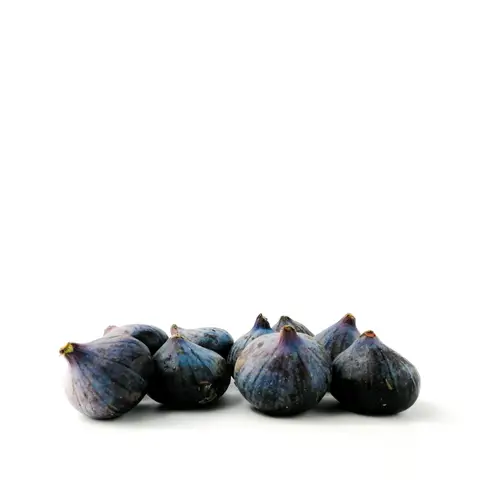
Fresh Solliès-Pont Figs from France
Provence’s Violet Treasure
PHP 990.00

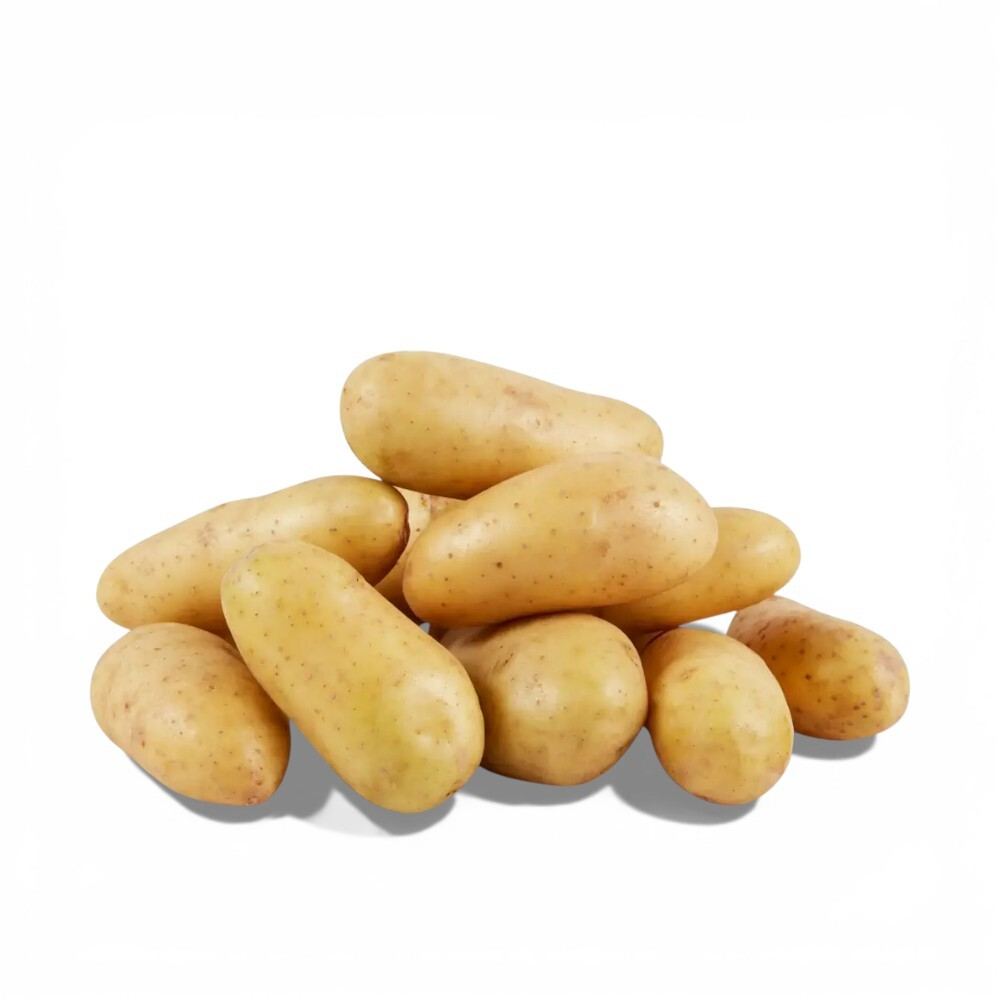
Buttery French Classic
Temporarily out of stock
Get an email when it’s available again.
Try these instead
Similar finds, available now.
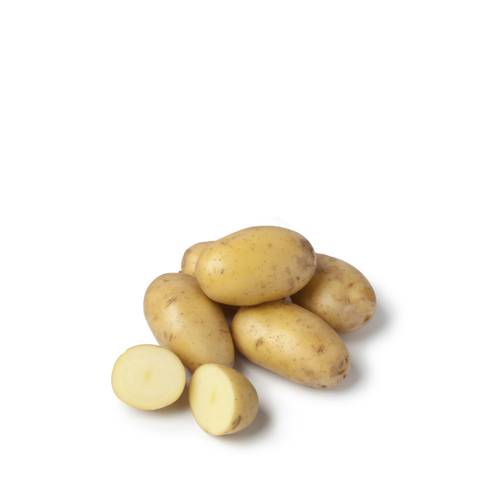
Elegant yet comforting, Amandine potatoes are prized for their naturally buttery flavor and smooth, creamy texture. A staple in French kitchens, they’re the kind of potato that doesn’t need much—just good heat and a little love—to shine.
Buttery French Classic
Elegant yet comforting, Amandine potatoes are prized for their naturally buttery flavor and smooth, creamy texture. A staple in French kitchens, they’re the kind of potato that doesn’t need much—just good heat and a little love—to shine.
Temporarily out of stock
Get an email when it’s available again.
Try these instead
Similar finds, available now.
Amandine potatoes are a waxy variety with an elongated shape and pale yellow flesh that cooks to a tender, almost silky bite. When roasted, their exterior turns gently golden while the inside remains moist and supple. The flavor is subtly sweet with a natural buttery richness that feels rounded rather than starchy. Unlike floury potatoes, Amandines hold their shape beautifully, making them ideal for roasting, sautéing, or slicing into elegant gratins. There’s a quiet refinement to them—they absorb fats like butter or olive oil gracefully without becoming heavy, and herbs cling to their surface as if invited. Think of them as the potato equivalent of a well-tailored linen shirt: simple, flattering, and endlessly versatile.
Amandine potatoes thrive in preparations that let their texture do the talking.
Roasted whole or halved with olive oil, sea salt, and fresh thyme or rosemary.
Sautéed in butter with garlic until lightly crisped, finished with parsley.
Paired with proteins like roast chicken, lamb cutlets, steak, or pan-seared fish.
Served alongside sauces—they’re excellent at catching jus, pan sauces, or a light cream reduction. They also make a refined base for warm potato salads dressed with vinaigrette rather than mayonnaise, keeping things light but deeply satisfying.
In French home cooking, potatoes aren’t filler—they’re foundational. Amandine potatoes sit comfortably in that philosophy of quiet luxury: ingredients chosen not for flash, but for integrity. They remind us that good food doesn’t shout. It whispers. When sourced well and cooked simply, an Amandine potato can hold its own on a plate beside the finest cuts of meat or the freshest seafood. It’s a reminder that elegance often lives in restraint.
Store in a cool, dark, and well-ventilated place. Do not refrigerate, as cold temperatures can alter flavor and texture. Keep away from direct sunlight and moisture.
Amandine potatoes are a waxy variety with an elongated shape and pale yellow flesh that cooks to a tender, almost silky bite. When roasted, their exterior turns gently golden while the inside remains moist and supple. The flavor is subtly sweet with a natural buttery richness that feels rounded rather than starchy. Unlike floury potatoes, Amandines hold their shape beautifully, making them ideal for roasting, sautéing, or slicing into elegant gratins. There’s a quiet refinement to them—they absorb fats like butter or olive oil gracefully without becoming heavy, and herbs cling to their surface as if invited. Think of them as the potato equivalent of a well-tailored linen shirt: simple, flattering, and endlessly versatile.
Amandine potatoes thrive in preparations that let their texture do the talking.
Roasted whole or halved with olive oil, sea salt, and fresh thyme or rosemary.
Sautéed in butter with garlic until lightly crisped, finished with parsley.
Paired with proteins like roast chicken, lamb cutlets, steak, or pan-seared fish.
Served alongside sauces—they’re excellent at catching jus, pan sauces, or a light cream reduction. They also make a refined base for warm potato salads dressed with vinaigrette rather than mayonnaise, keeping things light but deeply satisfying.
In French home cooking, potatoes aren’t filler—they’re foundational. Amandine potatoes sit comfortably in that philosophy of quiet luxury: ingredients chosen not for flash, but for integrity. They remind us that good food doesn’t shout. It whispers. When sourced well and cooked simply, an Amandine potato can hold its own on a plate beside the finest cuts of meat or the freshest seafood. It’s a reminder that elegance often lives in restraint.
Store in a cool, dark, and well-ventilated place. Do not refrigerate, as cold temperatures can alter flavor and texture. Keep away from direct sunlight and moisture.
Curated Selection