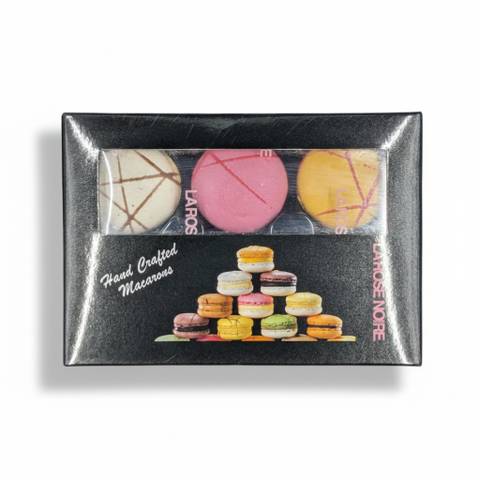
La Rose Noire Premium Handcrafted Macarons – Pack of 6
Refined French Confectionery
PHP 680.00


Temporarily out of stock
Get an email when it’s available again.
Try these instead
Similar finds, available now.
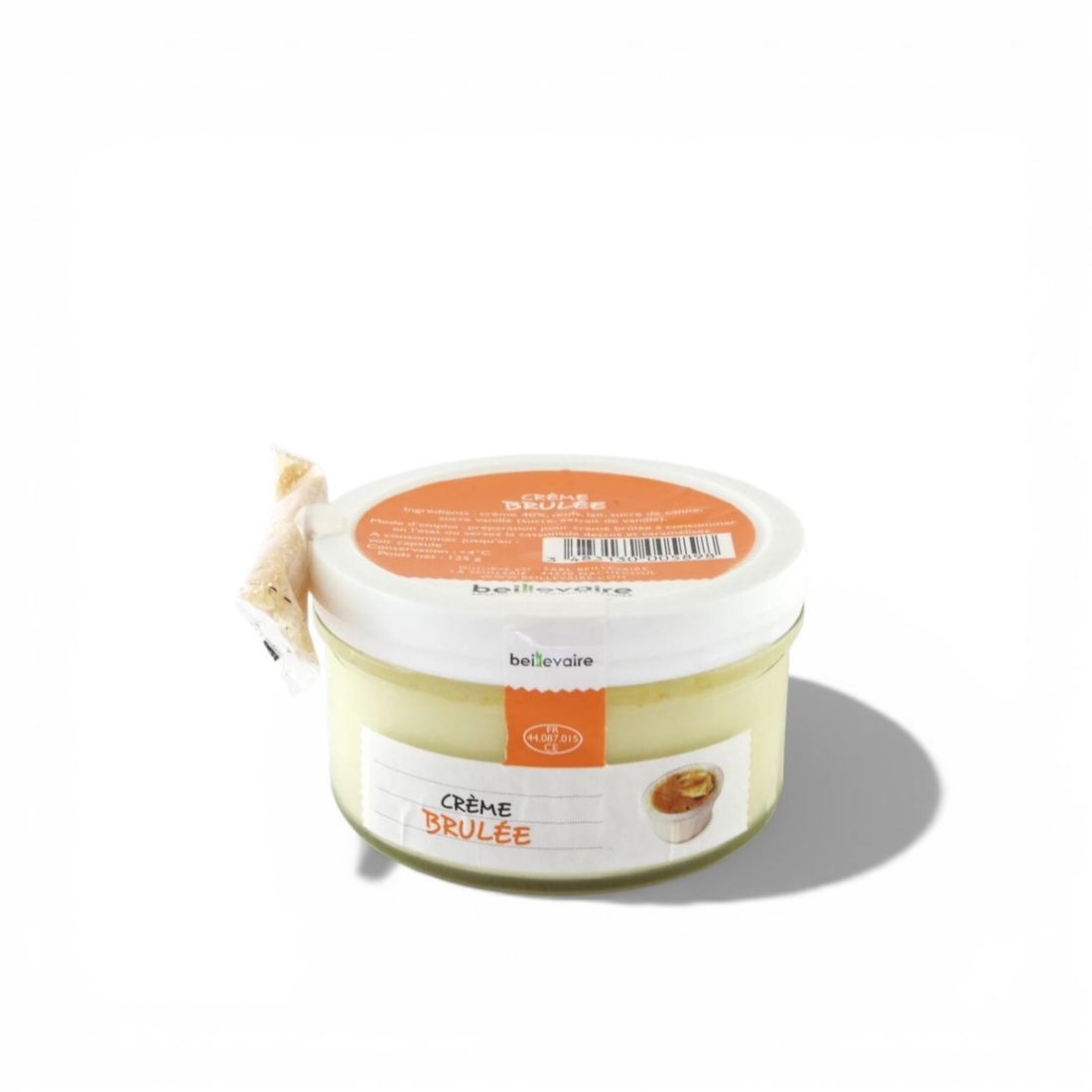
Beillevaire Crème Brûlée is a classic French dessert featuring a silky vanilla custard topped with a crisp caramelized sugar crust. Each jar includes a packet of sugar so you can torch the surface yourself and enjoy the iconic crack of freshly caramelized crème brûlée.
Beillevaire Crème Brûlée is a classic French dessert featuring a silky vanilla custard topped with a crisp caramelized sugar crust. Each jar includes a packet of sugar so you can torch the surface yourself and enjoy the iconic crack of freshly caramelized crème brûlée.
Temporarily out of stock
Get an email when it’s available again.
Try these instead
Similar finds, available now.
Crème brûlée is one of the most celebrated desserts in French cuisine, and the Beillevaire version captures its essence with remarkable finesse. Beneath its iconic caramelized sugar crust lies a custard that is luxuriously smooth, rich with cream, and delicately infused with vanilla.
The first experience begins with caramelization. A packet of sugar is included with the dessert, allowing you to create the classic brûléed top yourself. When the sugar is torched, it melts and hardens into a thin amber crust that cracks beautifully under the spoon.
Beneath that caramel shell sits the custard—silky, creamy, and deeply comforting. The texture is dense yet incredibly smooth, coating the palate with the richness of fresh cream and egg yolks. Gentle vanilla notes round out the flavor, offering warmth without overwhelming sweetness.
The contrast between the brittle caramel surface and the cool, velvety custard underneath is what makes crème brûlée such a timeless dessert. Each spoonful delivers both textures at once: crisp, creamy, and delicately sweet.
To enjoy the full experience of crème brûlée, finish the dessert just before serving.
How to Caramelize the Top
Sprinkle the included sugar packet evenly over the custard surface.
Use a kitchen torch to melt the sugar until it turns golden and caramelized.
Allow the sugar to cool for about 30 seconds until it hardens into a crisp crust.
Crack the surface with a spoon and enjoy.
Serving ideas:
Pair with fresh raspberries or strawberries for brightness.
Serve alongside espresso or dark coffee.
Add shortbread biscuits for extra texture.
Pair with dessert wines such as Sauternes.
The dessert should be served well chilled with a freshly torched caramel top.
The name crème brûlée literally means “burnt cream,” referring to the thin layer of caramelized sugar that sits atop the custard. Though made from simple ingredients—cream, eggs, sugar, and vanilla—the dessert has become a symbol of refined French gastronomy.
The magic lies in its contrast. The custard remains cool and smooth while the caramelized sugar forms a crisp, glass-like crust that must be cracked with a spoon. This playful moment—breaking the surface before reaching the creamy interior—is part of what makes crème brûlée so beloved.
With Beillevaire’s version, the experience remains authentic. By including the sugar for torching, it allows you to recreate the finishing touch normally performed by chefs in French restaurants.
Keep refrigerated at 4–8°C. Consume before the indicated best-before date. Once opened, keep refrigerated and enjoy promptly.
Crème brûlée is one of the most celebrated desserts in French cuisine, and the Beillevaire version captures its essence with remarkable finesse. Beneath its iconic caramelized sugar crust lies a custard that is luxuriously smooth, rich with cream, and delicately infused with vanilla.
The first experience begins with caramelization. A packet of sugar is included with the dessert, allowing you to create the classic brûléed top yourself. When the sugar is torched, it melts and hardens into a thin amber crust that cracks beautifully under the spoon.
Beneath that caramel shell sits the custard—silky, creamy, and deeply comforting. The texture is dense yet incredibly smooth, coating the palate with the richness of fresh cream and egg yolks. Gentle vanilla notes round out the flavor, offering warmth without overwhelming sweetness.
The contrast between the brittle caramel surface and the cool, velvety custard underneath is what makes crème brûlée such a timeless dessert. Each spoonful delivers both textures at once: crisp, creamy, and delicately sweet.
To enjoy the full experience of crème brûlée, finish the dessert just before serving.
How to Caramelize the Top
Sprinkle the included sugar packet evenly over the custard surface.
Use a kitchen torch to melt the sugar until it turns golden and caramelized.
Allow the sugar to cool for about 30 seconds until it hardens into a crisp crust.
Crack the surface with a spoon and enjoy.
Serving ideas:
Pair with fresh raspberries or strawberries for brightness.
Serve alongside espresso or dark coffee.
Add shortbread biscuits for extra texture.
Pair with dessert wines such as Sauternes.
The dessert should be served well chilled with a freshly torched caramel top.
The name crème brûlée literally means “burnt cream,” referring to the thin layer of caramelized sugar that sits atop the custard. Though made from simple ingredients—cream, eggs, sugar, and vanilla—the dessert has become a symbol of refined French gastronomy.
The magic lies in its contrast. The custard remains cool and smooth while the caramelized sugar forms a crisp, glass-like crust that must be cracked with a spoon. This playful moment—breaking the surface before reaching the creamy interior—is part of what makes crème brûlée so beloved.
With Beillevaire’s version, the experience remains authentic. By including the sugar for torching, it allows you to recreate the finishing touch normally performed by chefs in French restaurants.
Keep refrigerated at 4–8°C. Consume before the indicated best-before date. Once opened, keep refrigerated and enjoy promptly.
Curated Selection